Introduction: A Summer of Botanical Wonders
This summer has proven to be an extraordinary season for enthusiasts of rare flora in southern Kainuu, Finland. Following a series of observations focused on the region’s diverse orchid population, it has become clear that environmental conditions were uniquely favorable for several elusive species. From the thriving colonies of the common spotted orchid (Dactylorhiza maculata) in mire meadows to the surprising abundance of the lesser twayblade (Neottia cordata), the forest floor has been a tapestry of botanical rarities.
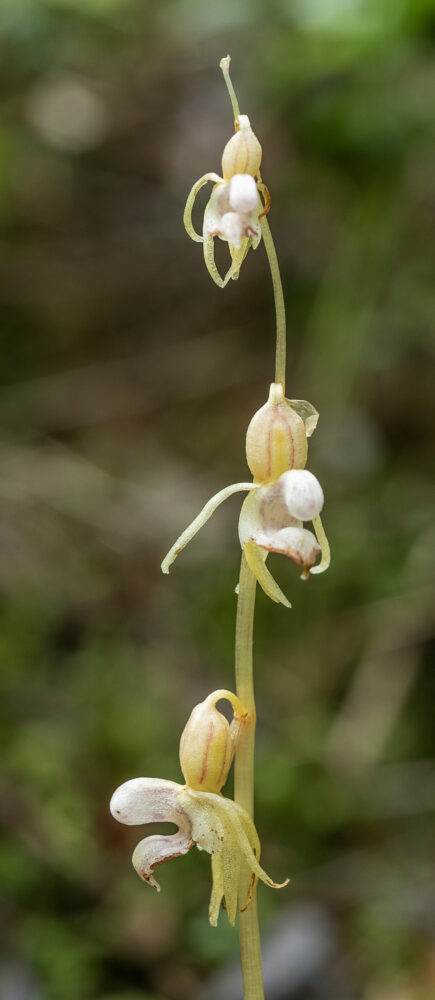
However, the most significant discovery of the season was the elusive ghost orchid (Epipogium aphyllum), known in Finnish as metsänemä. Classified as a vulnerable species in the latest Finnish Red List of threatened species, its presence is a testament to the ecological integrity of the protected forests in the region. This report explores the significance of these findings, the delicate biological requirements of these plants, and the history of the conservation efforts that saved their habitats from destruction.
The Ecological Significance of Old-Growth Forests
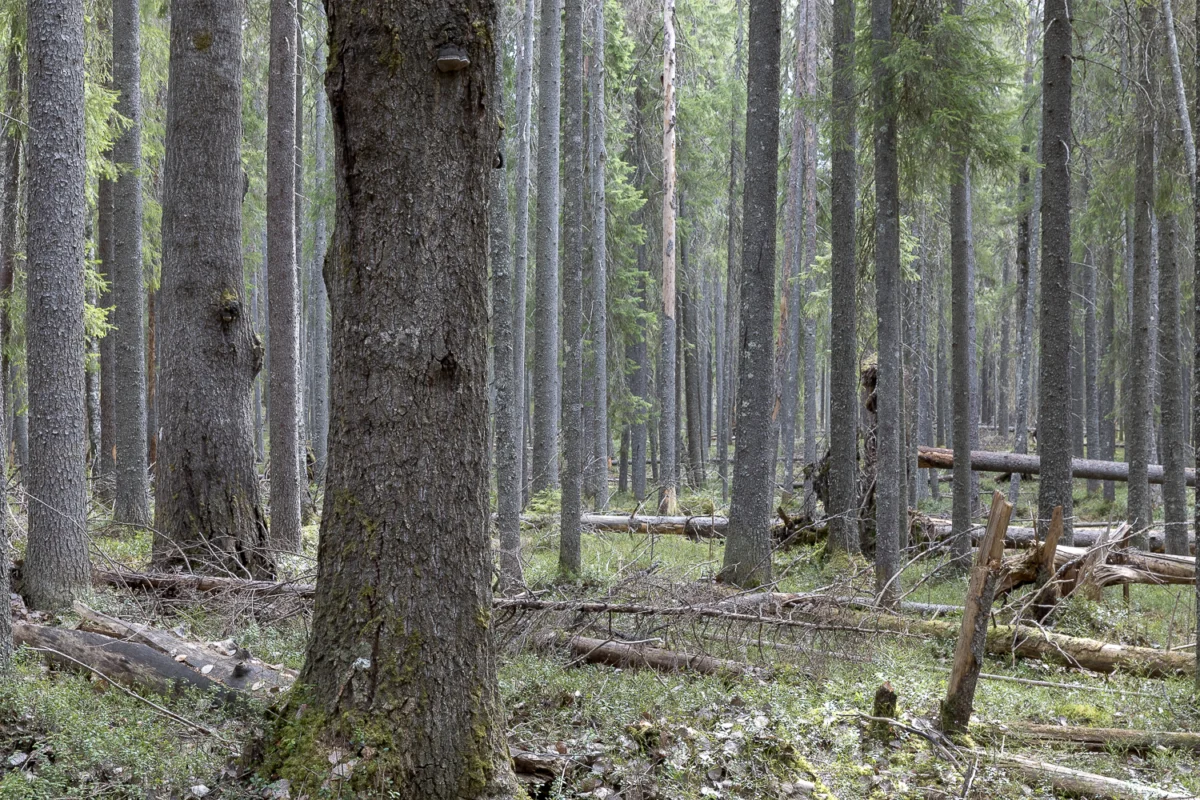
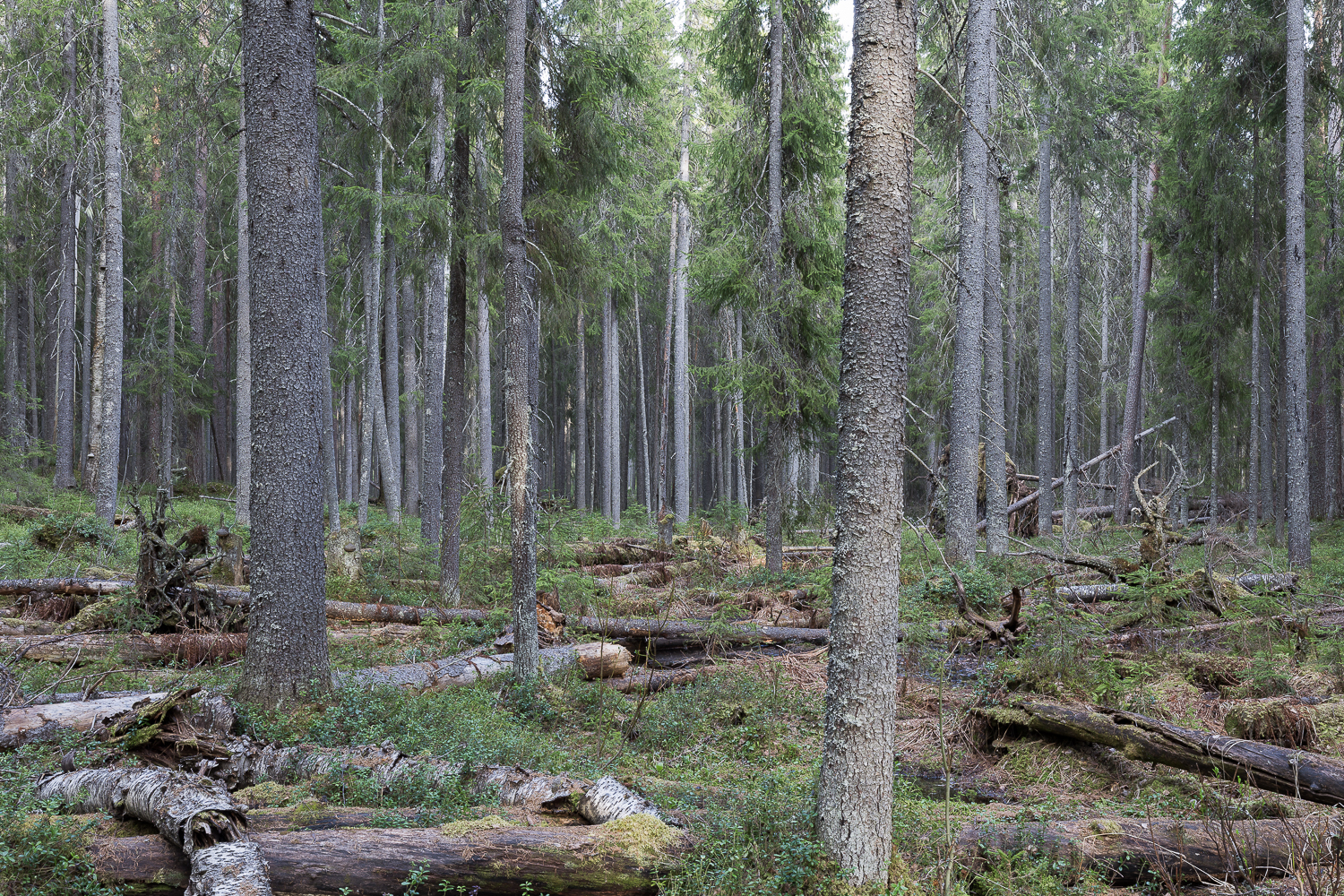
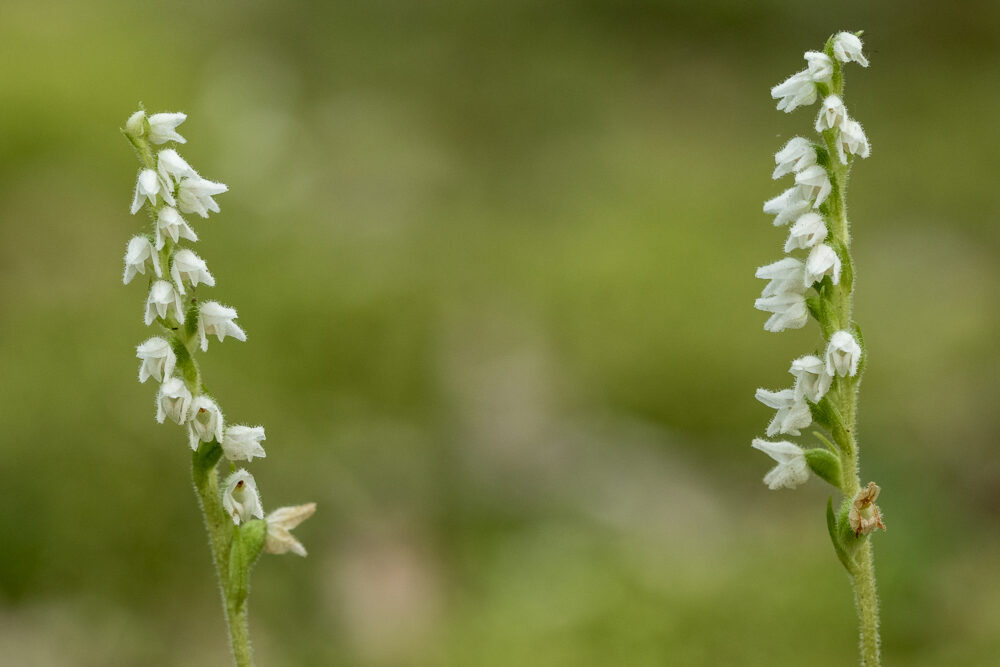
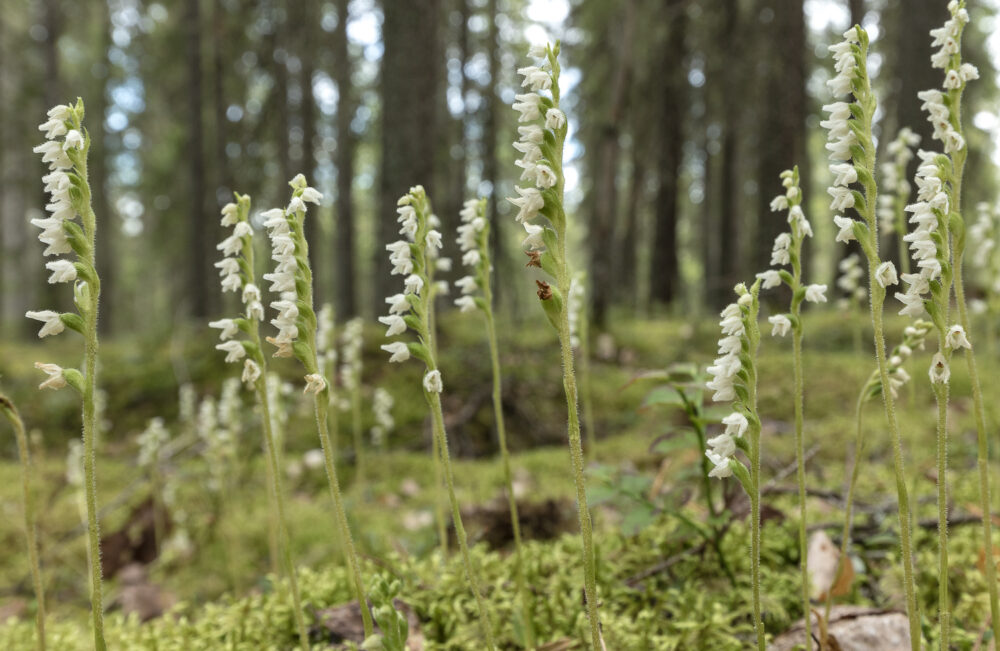
The research highlights a stark contrast between protected old-growth forests and managed commercial forests. In protected areas, the lesser twayblade—a small, unassuming orchid—often appears in clusters of twenty to thirty individuals. In one particularly pristine site, researchers counted nearly ninety flowering specimens.
Conversely, in commercial forests, these orchids appear only as isolated individuals or in sparse groups of two or three. The explanation lies in the plant’s delicate biology. The lesser twayblade possesses an extremely fragile root system that relies heavily on the moisture held within deep moss layers and the protection of thick organic litter.
The Impact of Silviculture
"Forest management" practices, particularly soil scarification, prove catastrophic for these delicate ecosystems. Because the lesser twayblade reproduces via runners, it requires a stable, undisturbed environment to form robust colonies. In commercial forests, the cycle of clear-cutting and soil tilling occurs far too frequently for these slow-growing orchids to establish themselves, effectively keeping populations at a permanent, fragile minimum.
The Hunt for the Ghost Orchid: A Chronology
Inspired by the high density of other orchid species, the research team set their sights on a more challenging target: the ghost orchid. Known for its transient and unpredictable nature, finding the ghost orchid feels, for many botanists, like searching for a phantom.
The Search Begins
The team started with knowledge of one known site in a protected old-growth area in Kuhmo. By applying this knowledge to other familiar hiking routes in the region, the team maintained a constant, vigilant lookout.
- Biological Requirements: Like the lesser twayblade, the ghost orchid thrives in mossy coniferous forests. Interestingly, the species exhibits a preference for different tree hosts depending on the geography; while it is often associated with beech forests in England, it displays high adaptability in Finland. It thrives in damp, nutrient-rich locations, such as spring-fed forest patches, though it has occasionally been sighted at much higher altitudes in the fells.
- The Myco-heterotrophic Connection: The ghost orchid is a non-photosynthetic plant. It has evolved to be entirely dependent on a symbiotic relationship with fungi. It derives all its nutrients from these fungal partners, which in turn obtain carbon from the surrounding trees. This makes the plant not only rare but entirely dependent on the health of the subterranean fungal network.
The Moment of Discovery
The breakthrough occurred during an August trek in the Porkkasalo region. After crossing a stream lined with ferns, the team identified the elusive plant. It was a modest, pale specimen, almost blending into the forest floor. It was found nestled in a small depression, a sight that brought a sense of profound wonder to the observers. Nearby, a second specimen was found, though its flowering head had been compromised, possibly by local wildlife.
Historical Context: The Battle for Porkkasalo
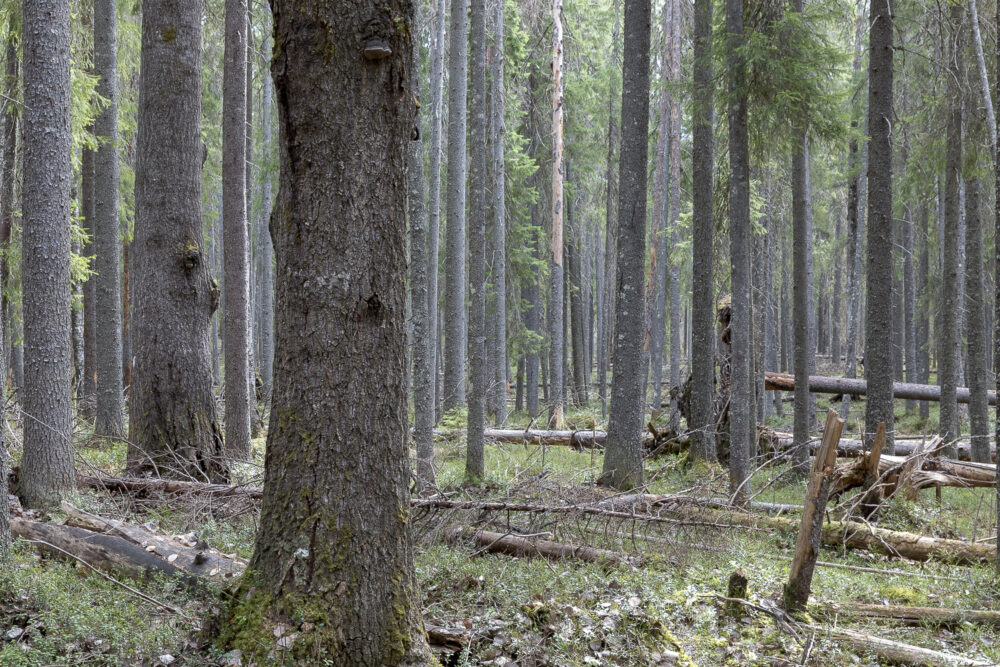
The location of this discovery carries significant historical weight. Porkkasalo is not merely a forest; it is a symbol of a fierce conservation battle that took place in the early 1990s.
The Conflict
At the time, the Finnish Forest Administration (Metsähallitus) classified the area as "ordinary commercial forest" slated for clear-cutting. Environmental activists from the Finnish Nature League (Luonto-Liitto) campaigned intensely to protect the area, eventually enlisting the support of researchers from the University of Oulu. The scientists immediately discovered a wealth of rare and endangered species within the forest, validating the conservationists’ claims.
The Legal and Social Aftermath
The conflict escalated to the point where the Forest Administration involved law enforcement to remove protesters from the site. Several parts of the forest were cleared before the dispute could be resolved, and many of the forest defenders faced legal consequences, including fines. Despite this, the majority of the area was eventually granted protected status. The recent discovery of the ghost orchid—along with other rare plants like the coralroot orchid (Corallorhiza trifida)—serves as a retrospective vindication of those who fought to save this unique ravine forest and its spring-fed ecosystem from being destroyed by drainage and soil disturbance.
Supporting Data: A Comparison of Non-Photosynthetic Species
The ghost orchid belongs to a fascinating group of plants that have abandoned photosynthesis in favor of a parasitic or myco-heterotrophic lifestyle. Understanding these species requires looking at their counterparts.
Related Species of Interest
- Coralroot Orchid (Corallorhiza trifida): A small, pale, non-photosynthetic orchid that was also identified in the same stream-side location in Porkkasalo this summer.
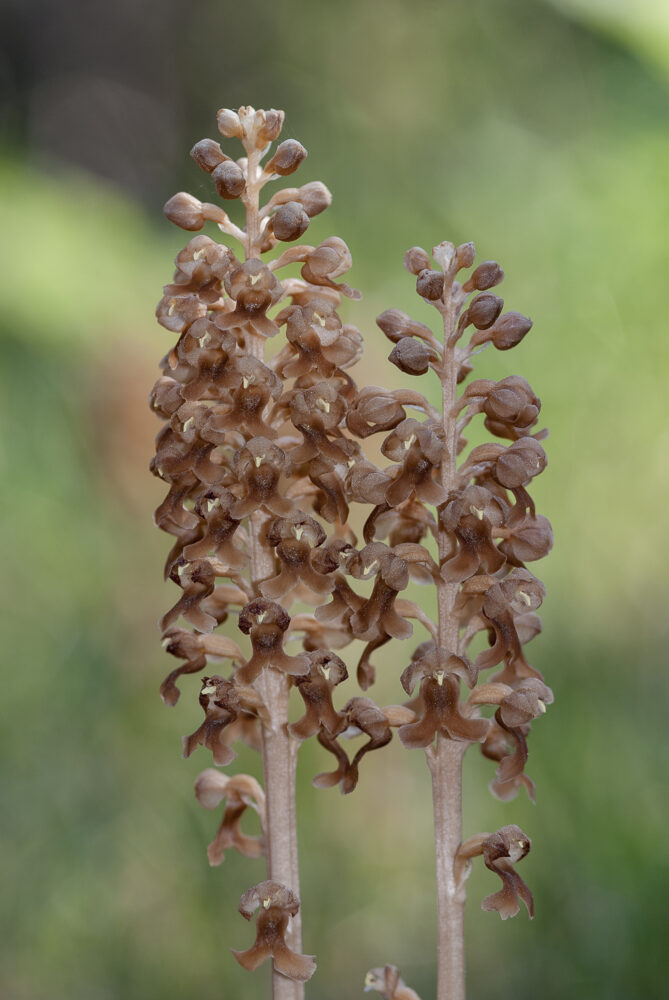
- Bird’s-nest Orchid (Neottia nidus-avis): A significantly larger, yellowish-brown orchid. While it is more easily spotted than the ghost orchid, its distribution in Finland is strictly southern, making it unlikely to appear in the northern Kainuu region.
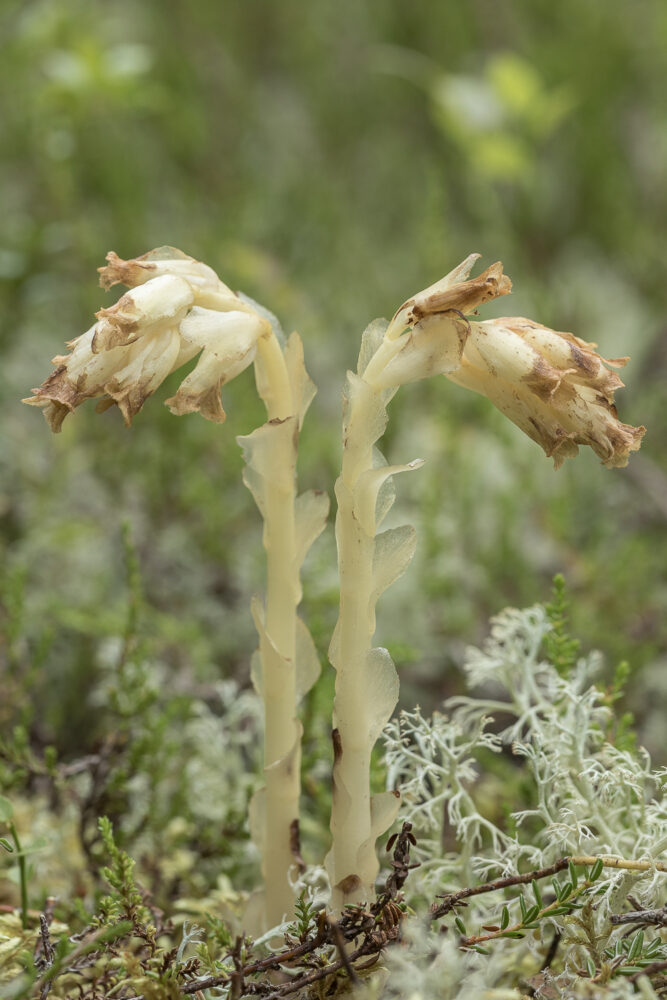
- Ghost-pipe/Pinesap (Monotropa hypopitys): While not an orchid, the pinesap follows a similar biological strategy. It often hides beneath the soil for years, appearing only in specific conditions. Like the orchids, it resembles a fungus more than a flower. Observations this August confirmed five specimens in a nearby protected forest, highlighting the success of conservation efforts in maintaining the complex soil networks these plants require.
Implications for Future Conservation
The successful identification of these species in protected areas highlights three critical takeaways for environmental policy:
- The "Ghost" Indicator: The presence of ghost orchids and other myco-heterotrophs is a high-fidelity indicator of a healthy, undisturbed old-growth ecosystem. These plants cannot survive in the sterile environments created by industrial forestry.
- The Importance of Long-term Protection: The Porkkasalo case proves that protecting small, fragmented areas of forest is insufficient if the surrounding landscape is managed through intensive extraction. The connectivity of these habitats is essential for the survival of the fungal networks that sustain these rare plants.
- Citizen Science and Professional Collaboration: The discovery was made possible by the intersection of amateur enthusiasm and academic rigor. Encouraging continued exploration while ensuring strict protection of these identified hotspots is essential for biodiversity conservation in the face of climate change.
Conclusion
The discovery of the ghost orchid in the protected forests of Kainuu is a reminder of what remains hidden beneath the canopy of our oldest forests. These plants are the "ghosts" of the forest—silent, fragile, and entirely dependent on the ancient, complex relationships between trees and fungi. As we continue to study these botanical marvels, we must ensure that the legacy of those who fought for the protection of sites like Porkkasalo continues to be honored through the preservation of the land they so valiantly defended.
The future of these rare species depends not just on our ability to find them, but on our collective commitment to leaving the forest floor undisturbed for generations to come.