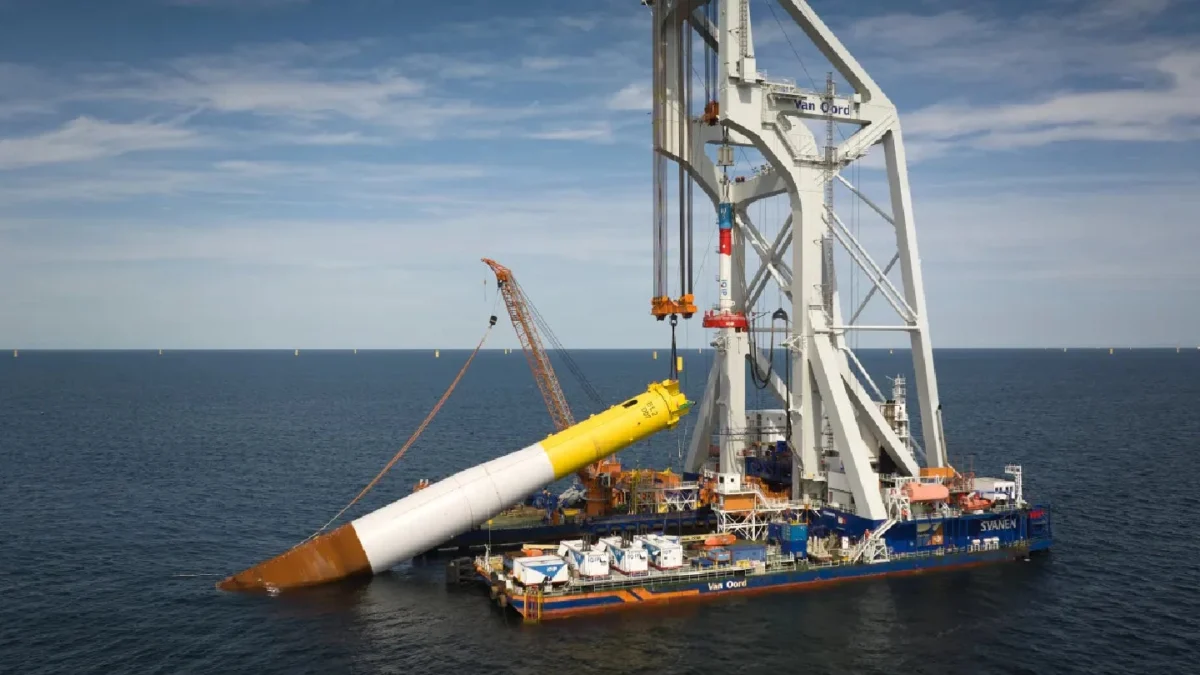
In a significant advancement for Poland’s renewable energy sector, Dutch marine contractor Van Oord has successfully finalized the installation of all 111 monopile foundations for the 1.5GW Baltica 2 offshore wind project. This achievement marks a critical turning point in the development of the Baltic Sea’s offshore wind capacity, positioning the project as a cornerstone of Poland’s long-term energy transition strategy.
The installation campaign, which spanned several months, saw the successful placement of 107 wind turbine foundations and four dedicated foundations for offshore substations. Executed safely and within the designated project timeline, the operation serves as a testament to the synergy between industry leaders and the growing maturity of the Polish offshore market.
The Scope of the Operation: Technical Mastery at Sea
The Baltica 2 project, located approximately 40 kilometers off the Polish coastline, is being developed as a joint venture between the Polish energy giant PGE and Danish offshore wind leader Ørsted. The sheer scale of the foundation phase highlights the complexity of modern offshore engineering.
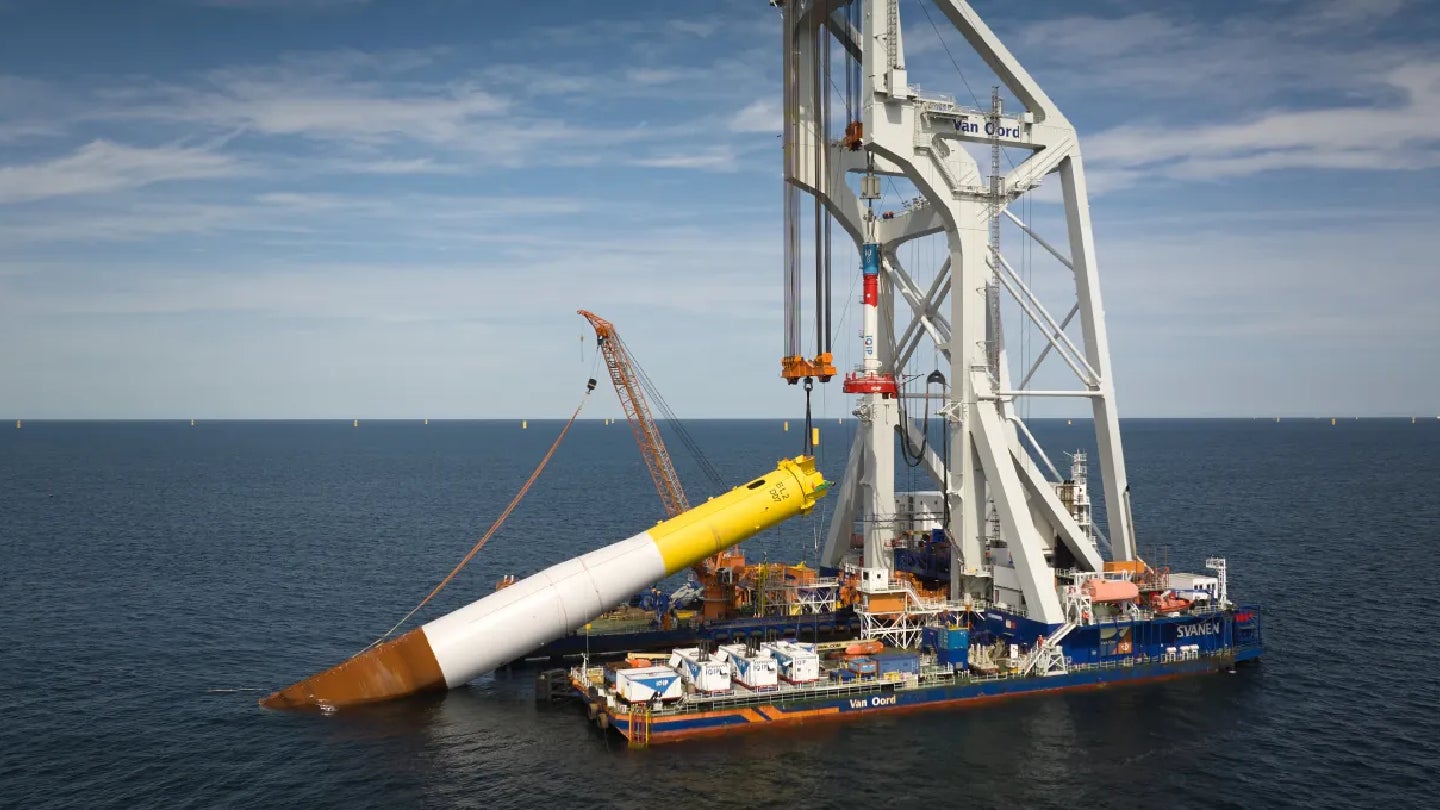
Each of the 111 monopiles is a feat of structural engineering, measuring up to 100 meters in length and weighing approximately 1,900 tonnes. With diameters ranging from 7.5 to 10.5 meters, these structures are designed to withstand the harsh conditions of the Baltic Sea while supporting massive next-generation wind turbines.
Van Oord, serving as the main contractor for the transport and installation of these foundations and their associated scour protection, utilized its specialist heavy-lift and installation vessels, Aeolus and Svanen. By deploying both vessels simultaneously, the contractor was able to conduct parallel offshore activities, significantly enhancing operational efficiency and allowing the project to adhere to a tight schedule despite the inherent unpredictability of North Sea and Baltic meteorological conditions.
A Chronology of Progress
The success of the Baltica 2 foundation campaign did not occur in a vacuum; it was the result of years of strategic planning and rigorous scenario analysis.
- Pre-Construction Planning: The foundation phase was built upon a foundation of detailed logistical modeling and risk assessment. Drawing on Ørsted’s extensive global experience and Van Oord’s technical prowess, the teams mapped out potential bottlenecks, including vessel availability, port logistics, and potential weather windows.
- The Execution Phase: The installation campaign commenced with the mobilization of the Aeolus and Svanen. These vessels acted as the backbone of the operation, navigating complex seabed conditions to place the monopiles with centimeter-level precision.
- Operational Milestones: Throughout the process, the project faced typical offshore challenges—ranging from fluctuating wind speeds to the intricate coordination required between multiple contractors working in a shared marine space.
- Completion: The final monopile was secured in mid-2026, marking the successful conclusion of the primary offshore installation phase.
Strategic Implications for Poland’s Energy Security
The Baltica 2 wind farm is more than just a commercial endeavor; it is a vital component of Poland’s national energy security policy. As the nation looks to move away from its historical reliance on coal-fired power generation, the integration of 1.5GW of offshore wind capacity is transformative.
Once fully operational, the wind farm is expected to supply clean, renewable electricity to approximately 2.5 million Polish households. This shift is anticipated to significantly reduce the country’s carbon footprint, supporting the European Union’s broader decarbonization goals while providing a stable, domestic source of power that shields consumers from the volatility of global fossil fuel markets.
Official Perspectives: The Value of Collaboration
The successful installation was met with commendation from project stakeholders. Maurits den Broeder, Managing Director of Van Oord Offshore Energy, emphasized the strategic importance of the milestone.
"Completing the monopile installation campaign for Baltica 2 safely and on schedule is an important milestone for the project and for Poland’s offshore wind ambitions," den Broeder stated. "We are proud to have contributed our offshore wind expertise, specialist vessels, and experienced project teams to this complex operation. Close collaboration with Ørsted was key to maintaining momentum and delivering this phase successfully."
The collaborative model between PGE and Ørsted has become a benchmark for future Polish offshore projects. By combining local market insight with international technical expertise, the joint venture has managed to navigate regulatory, logistical, and technical hurdles that might otherwise have delayed a project of this magnitude.
Moving Forward: The Path to 2027
While the installation of the monopiles is a monumental victory, the project is far from complete. With the primary foundations now firmly in place, the focus has shifted to the next phase of construction.
Teams are currently working on the installation of over 400 secondary structures. These essential components include:
- Anode Cages: To prevent corrosion and ensure the long-term structural integrity of the foundations.
- Boat Landings: Providing safe access for maintenance crews during the turbine’s multi-decade operational lifespan.
- Platforms: To facilitate the internal electrical systems of the wind farm.
The coming months will see a flurry of activity, including the installation of the offshore substations—the "brains" of the wind farm—and the laying of export cables that will carry the electricity from the offshore site to the Polish grid.
The installation of the wind turbines themselves is scheduled to proceed in stages throughout 2026 and 2027. Following comprehensive testing and grid integration, the Baltica 2 wind farm is slated for full commercial operation by the end of 2027.
A Growing Portfolio of Success
The completion of the Baltica 2 foundation phase comes on the heels of another major success for Van Oord in the region. In April 2026, the company successfully completed the transport and installation of monopile foundations and transition pieces for the Baltic Power offshore wind farm.
This recurring success underscores Van Oord’s dominance in the Baltic offshore market and highlights the region’s rapid development. As more projects move from the planning phase to the construction phase, the infrastructure, logistical chains, and specialized labor pool in Poland are maturing, creating a robust ecosystem for renewable energy development.
Challenges and Future Outlook
While the industry celebrates the milestone, stakeholders remain cognizant of the challenges inherent in large-scale offshore construction. The Baltic Sea presents unique geotechnical and weather-related obstacles. Furthermore, the global offshore wind industry is currently grappling with supply chain constraints, inflation, and the need for greater port capacity to handle larger turbines and foundations.
However, the success of Baltica 2 demonstrates that with proper planning and experienced partners, these challenges can be managed effectively. The use of advanced vessels like the Aeolus and Svanen serves as a model for how specialized equipment can compress project timelines and mitigate the impact of environmental variables.
As Poland continues to tender new offshore wind zones, the experience gained from the Baltica 2 project will prove invaluable. It provides a blueprint for future contractors, developers, and regulators, ensuring that the country’s ambitious offshore wind goals remain within reach.
Conclusion
The completion of the 111 monopile foundations for the Baltica 2 project is a landmark event that bridges the gap between ambition and reality. By successfully navigating the complexities of offshore engineering and logistics, Van Oord, PGE, and Ørsted have moved the project significantly closer to its ultimate goal: powering 2.5 million homes with clean, sustainable energy.
As the secondary structures are installed and the turbines begin to rise above the waves, the Baltica 2 project stands as a beacon of progress. It is a clear signal that the Baltic Sea is becoming a central hub for European wind energy, and that Poland is firmly committed to a future defined by energy independence and environmental stewardship. The journey toward 2027 continues, with the firm foundation—both literal and metaphorical—now well established.