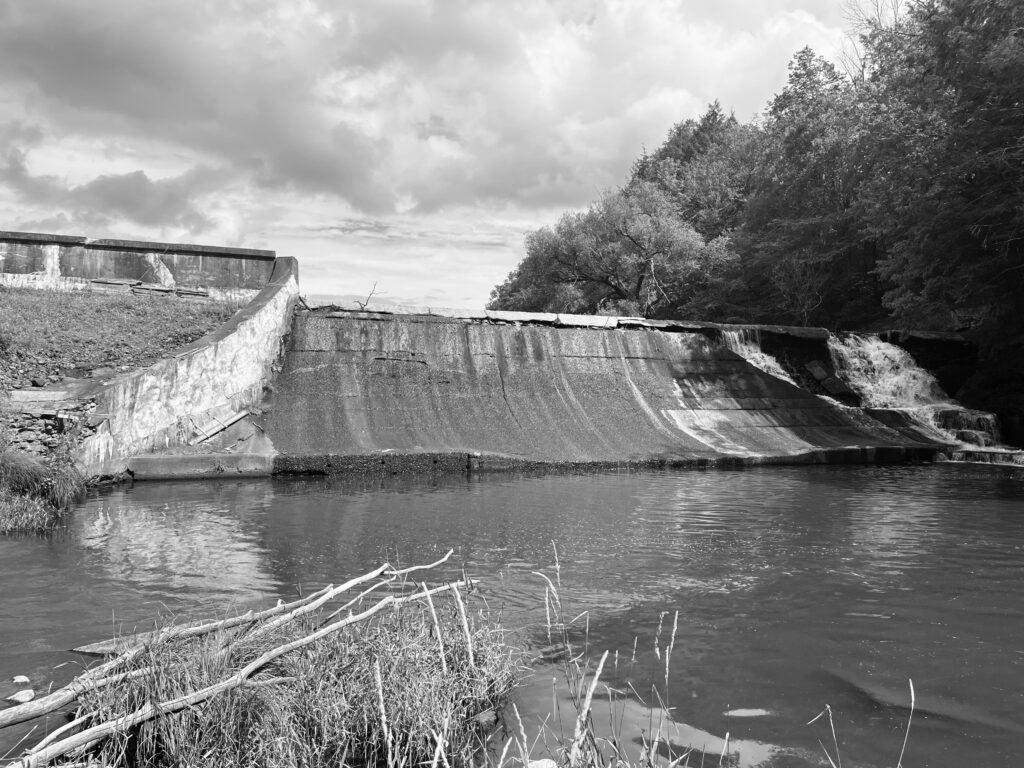
In the heart of the Catskill Mountains, the century-old Lake Jefferson Dam stands as a monument to a bygone era of engineering. Once a site of recreation and later a micro-hydropower source in the 1980s, the structure is now little more than a crumbling concrete skeleton. Its spillway, engineered in 1926, is woefully inadequate for the modern climate, struggling to handle the intensified storm surges that now frequent the region. Today, the dam serves no functional purpose, yet it poses an existential threat to the nearly one hundred homes located just downstream. It is a ticking time bomb—and it is far from an isolated case.
Across the United States, the nation’s water infrastructure is facing a quiet, pervasive crisis. As dams age beyond their intended lifespans, the combination of deferred maintenance, lack of oversight, and the escalating volatility of weather patterns has created a nationwide safety emergency.
Main Facts: The Anatomy of a Failure
The Lake Jefferson Dam serves as a microcosm of a national problem. Built on the pristine East Branch of Callicoon Creek, the structure has suffered decades of neglect. Sediment accumulation has filled the impoundment, leaving it only a few feet deep, while the spillway bears the deep, jagged scars of past flooding. Chunks of concrete have sloughed away, exposing the internal core to the elements.
This is the reality for thousands of dams across the country. A dam is not a static object; it is a complex piece of engineering that requires constant, expensive, and technical vigilance. When that vigilance wanes—due to bankruptcy, neglect, or the simple passage of time—the structure transitions from a utility to a liability.
The risk is not merely theoretical. Over the last two decades, the frequency of dam failures and emergency incidents has surged, climbing from a historical average of three per year to more than 70 annually. We are witnessing an infrastructure collapse occurring in plain sight, hidden behind the tranquil surfaces of reservoirs and creek-side landscapes.
A Chronology of Neglect
To understand why so many dams are failing, one must look at the timeline of their construction and subsequent abandonment. Most of America’s dam infrastructure was built in the early-to-mid 20th century, designed for regional development, hydropower, or industrial use.
- The 1920s–1950s (The Building Boom): Thousands of dams were constructed with engineering standards that, while robust for their time, did not account for the rapid urbanization or the extreme weather cycles of the 21st century.
- The 1980s (The Repurposing Era): Many dams were retrofitted for small-scale hydropower or recreational use. However, as energy markets shifted and maintenance costs rose, many owners found themselves unable to sustain the upkeep.
- The 2000s–Present (The Climate Shift): The intensification of precipitation events has pushed these aging structures to their breaking points. Dams designed to handle a "100-year flood" are now facing these levels of water every decade, or even every few years.
This timeline reveals a critical disconnect: our infrastructure is rooted in the past, while our climate is moving rapidly into an unpredictable future.
Supporting Data: The Scale of the Crisis
The data provided by the National Inventory of Dams (NID) paints a sobering picture of the oversight gap. Currently, state dam safety offices are responsible for regulating more than 70% of the dams in the U.S. However, these offices are chronically underfunded and understaffed.
The "Drowning Machines"
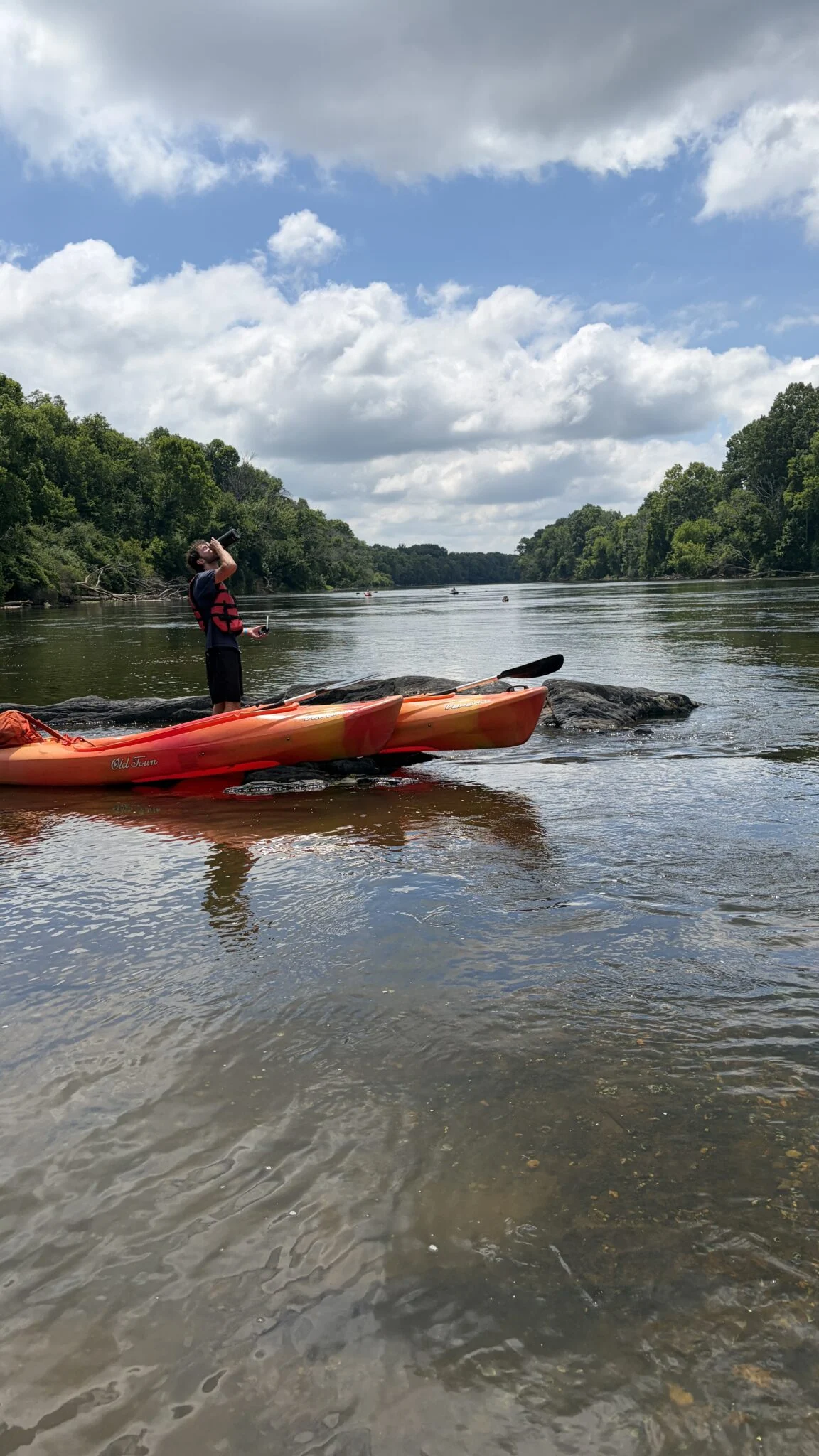
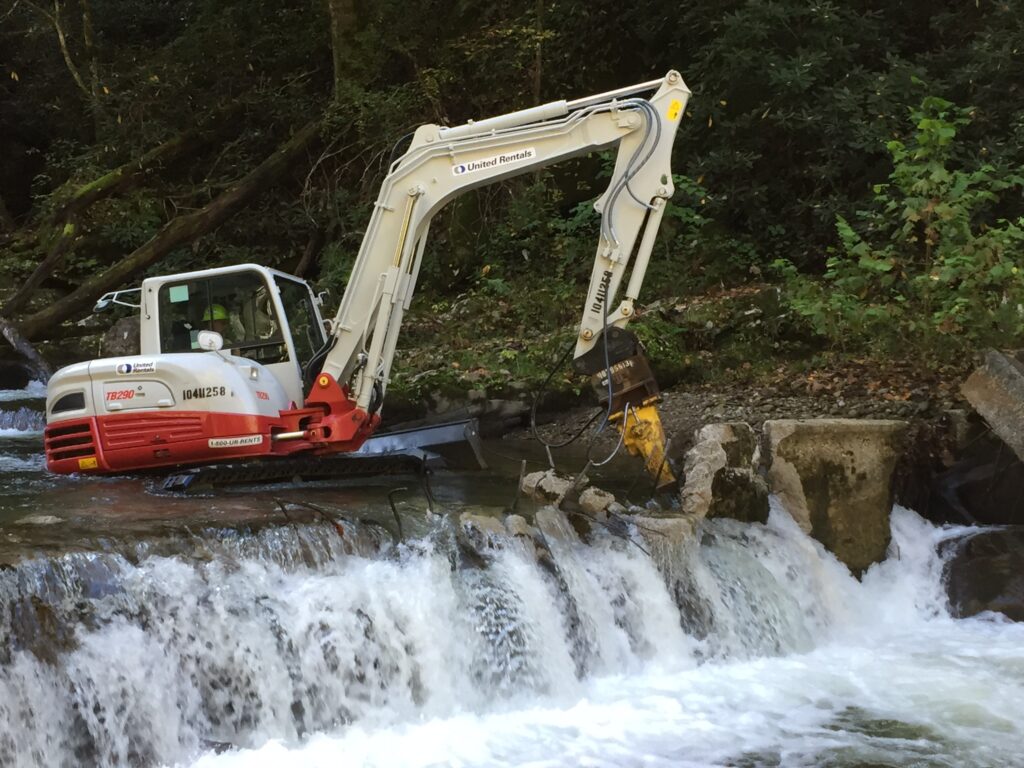
Beyond the risk of catastrophic failure, there is a more immediate, localized threat: the "low head" dam. These structures, typically less than 15 feet tall, are designed to allow water to flow continuously over their crest. This creates a powerful, recirculating hydraulic at the base—a "drowning machine" that can trap and hold swimmers, kayakers, and even professional rescuers underwater.
Research indicates that these structures have been linked to at least 780 deaths in the United States. Despite their lethality, many of these dams fall outside of state jurisdiction, leaving them in a legal gray zone where they remain in place for decades, long after their utility has evaporated.
The Surge in Incidents
The correlation between climate change and dam integrity is no longer a matter of debate. A recent study published in Water Resources Research confirms that more intense, localized storm cells are producing flash flooding that many dams simply cannot bypass. When a spillway is too small, water overtopped the dam, leading to erosion of the earthen embankments and, eventually, a breach.
Official Responses and Regulatory Challenges
The regulatory response to this crisis has been, by many accounts, insufficient. State agencies often find themselves in a position where they must triage their oversight. With thousands of dams to monitor, regulators are forced to prioritize, leaving a vast majority of structures unchecked for years at a time.
When a safety upgrade is identified—such as reinforcing a spillway or lowering the crest—the cost often reaches into the millions of dollars. For private owners or small municipalities, these costs are prohibitive. This leads to a cycle of "regulatory purgatory," where an owner is aware of the danger but lacks the capital to fix it, and the state lacks the enforcement power to force a removal.
Experts are increasingly calling for a shift in federal policy. There is a growing consensus that the government must provide dedicated funding not just for repairs, but for the decommissioning and removal of obsolete dams.
Implications: The Path Toward "Drain Them or Maintain Them"
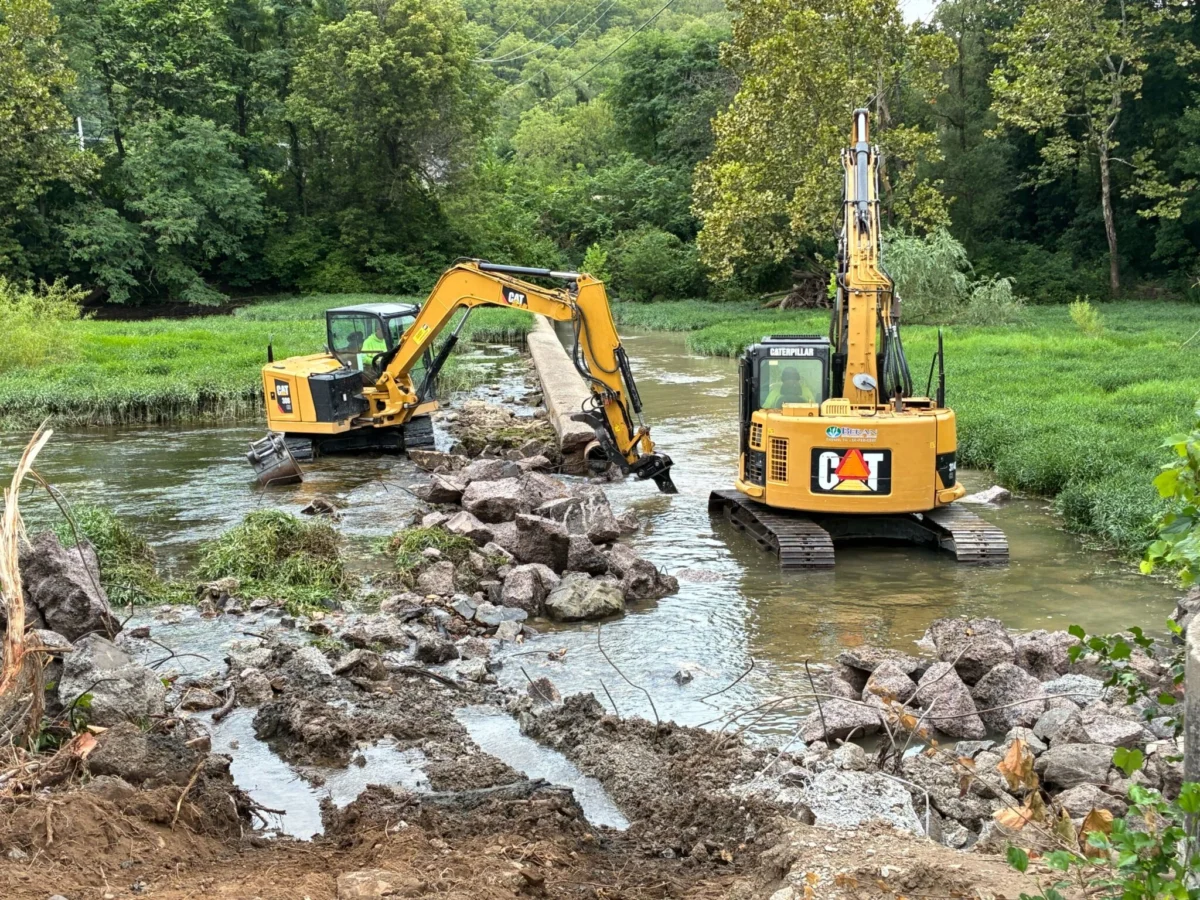
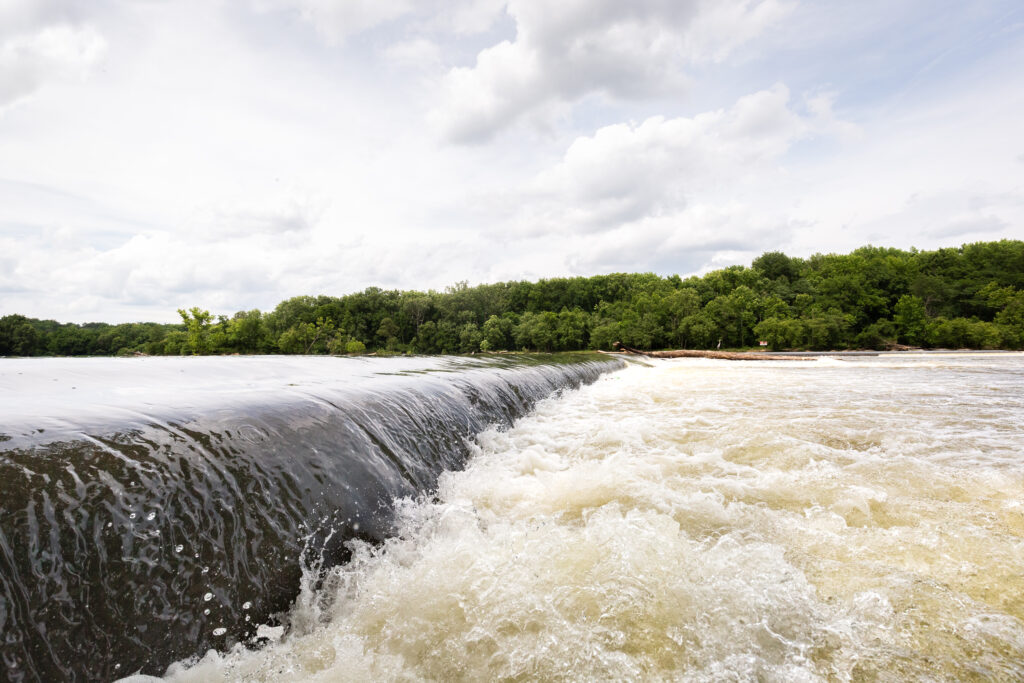
As the adage goes among dam safety engineers: "Maintain ’em or drain ’em." The strategic removal of obsolete dams has emerged as the most cost-effective and environmentally sound solution to this infrastructure crisis.
Why Removal Works
- Liability Mitigation: Removing a dam permanently eliminates the owner’s liability for potential failures and the associated costs of ongoing safety inspections.
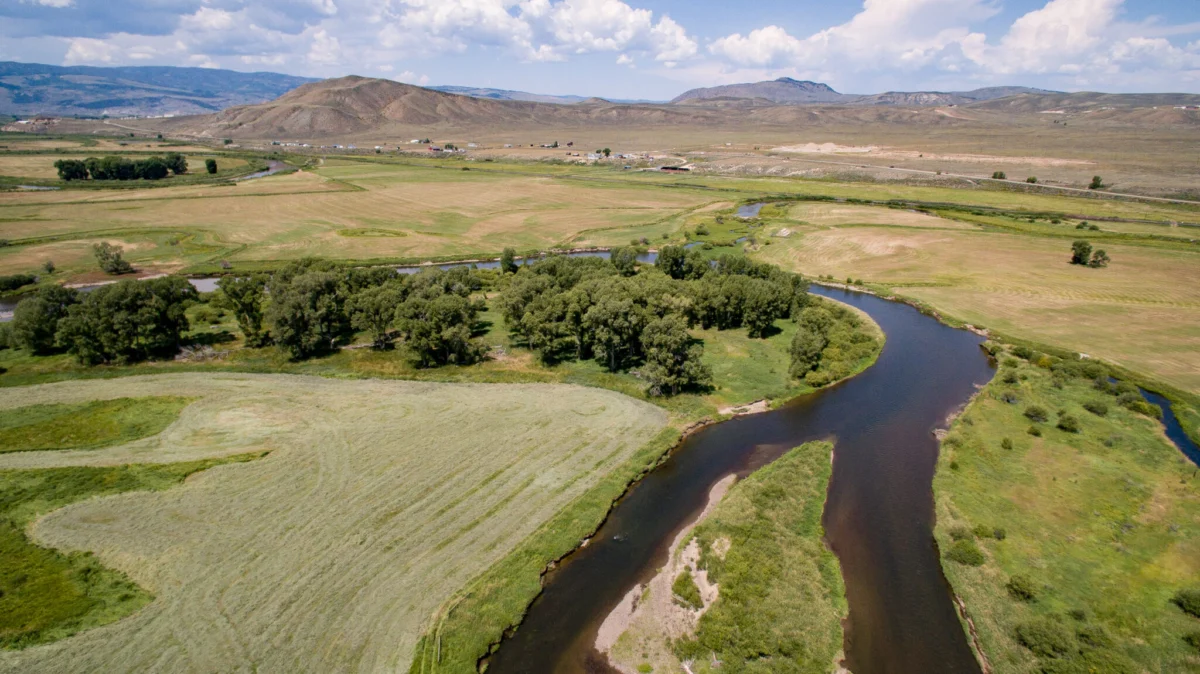
- Environmental Restoration: Dam removal allows rivers to regain their natural flow and sediment transport, which is critical for biodiversity and fish passage.
- Climate Resilience: Research from Utah State University has demonstrated that rivers restored through dam removal are better equipped to recover from extreme weather events. By reconnecting floodplains, the river can absorb high-energy water, effectively acting as a natural sponge during intense storms.
To date, more than 2,300 dams have been removed across the United States. This is no longer seen as a fringe environmental movement, but as a standard component of modern infrastructure management. It is a recognition that all infrastructure has a lifecycle, and when that cycle ends, the most responsible action is to return the landscape to a state of equilibrium.
Looking Forward: A Call to Action
Back in the Catskills, the owners of the Lake Jefferson Dam are moving toward a conclusion. Engineers are currently finalizing the removal plan, with the ultimate goal of restoring the East Branch of Callicoon Creek to its natural state. It is a process that requires patience, funding, and community cooperation, but it is the only way to ensure the long-term safety of the residents downstream.
As we approach National Dam Safety Awareness Day on May 31, the message is clear: the safety of our communities depends on our willingness to confront the dams that have outlived their purpose. We must stop viewing these structures as permanent fixtures of the landscape and start evaluating them for what they truly are—infrastructure that is either serving a vital function or presenting a lethal risk.
The crisis is "hidden in plain sight," but it does not have to end in catastrophe. By prioritizing federal and state funding for the maintenance of essential dams and the removal of those that are obsolete, we can ensure that our rivers are once again sources of life and safety, rather than symbols of decay. The time to act is before the next major storm, not in its aftermath.