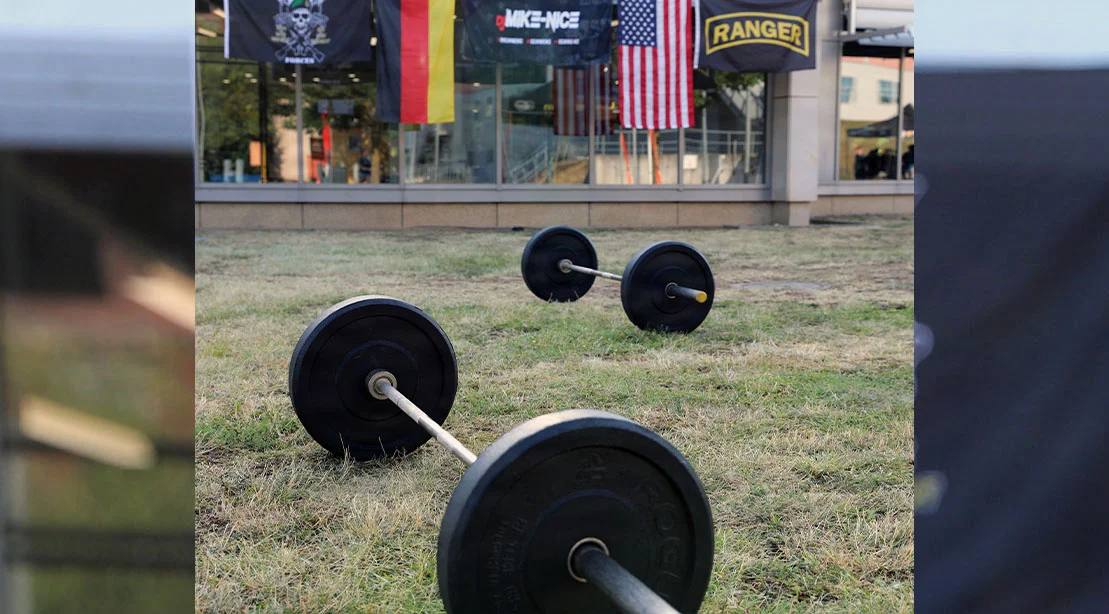
For generations, the concept of American strength was defined largely by physical vigor—a tangible manifestation of national capability. From the rugged spirit of the frontier to the industrial might of the 20th century, a healthy populace was viewed as the bedrock of a stable society. However, as we observe National Wellness Month this August, it is clear that the definition of "fitness" has undergone a profound metamorphosis. No longer confined to the gymnasium or the battlefield, modern wellness is now understood as a holistic synergy between the body and the mind, a dual imperative that is as vital to national security as it is to individual longevity.
The Legacy of the "Soft American"
The modern conversation regarding American health can trace its intellectual roots back to the mid-20th century. President John F. Kennedy, a leader who viewed personal vitality as a civic duty, famously voiced his apprehension regarding the nation’s declining physical standards. In an era of rapid modernization and technological convenience, Kennedy feared that Americans were becoming "soft."
In his seminal December 1960 Sports Illustrated article, "The Soft American," the then-President-elect articulated a vision that transcended mere aesthetics. He argued that physical fitness was not an isolated pursuit but the essential foundation for "dynamic and creative intellectual activity." Kennedy’s message was clear: a nation that neglects its physical health inevitably dulls its mental sharpness and its capacity for leadership. He posited that the vigor of the country depended entirely on the vigor of its individual citizens.
A Paradigm Shift: Integrating Mental Health
While Kennedy laid the groundwork for physical fitness as a national priority, the 21st century has seen a necessary expansion of that framework. Leaders in the medical and political spheres have increasingly recognized that physical capability is incomplete without the ballast of mental well-being.
A watershed moment in this shift occurred in 2002, when President George W. Bush established the New Freedom Commission on Mental Health. By publicly declaring, "Mental disability is not a scandal; it is an illness," President Bush dismantled long-standing stigmas that had relegated psychiatric care to the shadows. He emphasized that mental illness, like any physical ailment, is treatable—provided the intervention is timely. This marked a departure from the "stiff upper lip" culture of the past, signaling that true wellness requires acknowledging the full spectrum of human health.
Chronology: From Vigor to Vitality
- 1960: John F. Kennedy publishes "The Soft American," linking physical fitness to intellectual capability and national strength.
- 1961: The President’s Council on Youth Fitness is revitalized under the Kennedy administration, putting physical education at the forefront of national policy.
- 2002: The New Freedom Commission on Mental Health is established, marking a legislative pivot toward the parity of mental and physical health.
- 2019–2024: Organizations such as Muscle & Fitness (M&F) and the "Fit to Serve" initiative formalize collaborations with military leadership to study the "compound effect" of integrated wellness.
- 2024: National Wellness Month continues to emphasize that the modern American standard is one of "total fitness," where mental resilience supports physical discipline and vice versa.
Supporting Data: The Symbiosis of Mind and Body
The modern approach to wellness rejects the idea that physical and mental health are two separate buckets to be filled. Instead, they function as a feedback loop. This is best exemplified by the experiences of military personnel who have faced the unique pressures of combat and transition.
Air Force Senior Master Sergeant Aaron Lin, a veteran who struggled with Post-Traumatic Stress Disorder (PTSD), found that the path to mental recovery was inextricably linked to physical challenge. Upon entering the Air Force Wounded Warrior (AFW2) program, Lin utilized competitive sports not just for rehabilitation, but as a vehicle for emotional recalibration. "Sports and fitness elevated my recovery to a place where I never thought possible," Lin notes. The discipline required to train, combined with the camaraderie of a team, provided the mental structure necessary to process his trauma.
Conversely, Trina Clayeux, CEO of the non-profit organization Give an Hour, has observed the reverse: that mental clarity and the acceptance of support can serve as the primary catalyst for physical health. When veterans realize that their physical fitness is a form of service to their families and communities, they gain a newfound incentive to prioritize their nutrition and exercise. This "compound effect"—where improving one aspect of life ripples into the other—is the cornerstone of 21st-century wellness.
Official Responses: Lessons from the Military
The military has long been the laboratory for high-performance living, and current leadership is now sharing these lessons with the civilian world. Through initiatives like the collaboration between M&F and government leaders, the message is reaching beyond the barracks and into the American household.
One of the most effective strategies identified is the communal aspect of nutrition. As noted by experts like Mohan and Irvine, "breaking bread" is not just about caloric intake; it is a social intervention. By fostering camaraderie around the dinner table, families and teams create a support network that acts as a buffer against isolation—a known enemy of mental health.
Furthermore, the concept of "service" has been redefined. Ramon Colón-López, the fourth Senior Enlisted Advisor to the Chairman of the Joint Chiefs of Staff, argues that the most potent mental health tool available is the act of contributing to something larger than oneself. "Service is a choice," Colón-López states. "The more you get the concept of it being not about you but the mission and team in your head, the more successful you are going to be." This perspective offers a roadmap for civilians: wellness is not an act of self-absorption, but an act of preparation for service.
Implications for the Future
The implications of this holistic wellness model are profound. If Americans adopt the mindset that physical and mental health are essential pillars of citizenship, the long-term benefits for the nation are massive. A healthy, resilient citizenry is less susceptible to burnout, more capable of innovation, and better equipped to handle the systemic shocks of the modern world.
The Path Forward: Simple Steps for Total Wellness
To begin a journey toward integrated wellness, experts suggest focusing on three key areas:
- Prioritize the Social Connection: Use nutrition as an opportunity to build community. Whether it is a family dinner or a workout group, communal activity provides a psychological safety net.
- Adopt a "Mission" Mindset: Identify a purpose beyond personal vanity. Whether it is volunteering, mentoring, or community service, aligning one’s fitness goals with a contribution to the greater good provides a powerful mental motivator.
- Reject the "Either/Or" Binary: Stop viewing mental health days and gym sessions as competing for time. Recognize that a workout is a form of mental hygiene, and that meditation or counseling is a form of physical maintenance.
Conclusion: A National Imperative
August serves as a timely reminder of the necessity of wellness, but the commitment must be a year-round endeavor. We are moving away from the narrow view of "the soft American" and toward the vision of "the resilient American." By taking ownership of our individual well-being, we do more than simply improve our own quality of life; we strengthen the fabric of the nation.
As we look toward an uncertain future, our strength will not be measured solely by our economic output or our military technology, but by the vitality of our people. A nation of individuals who are mentally sharp, physically capable, and dedicated to the mission of service is a nation that is prepared for anything. The wellness journey is not just a personal choice—it is a duty to ourselves, our families, and the future of the republic.
M&F Senior Military Editor Rob Wilkins contributed to this report.