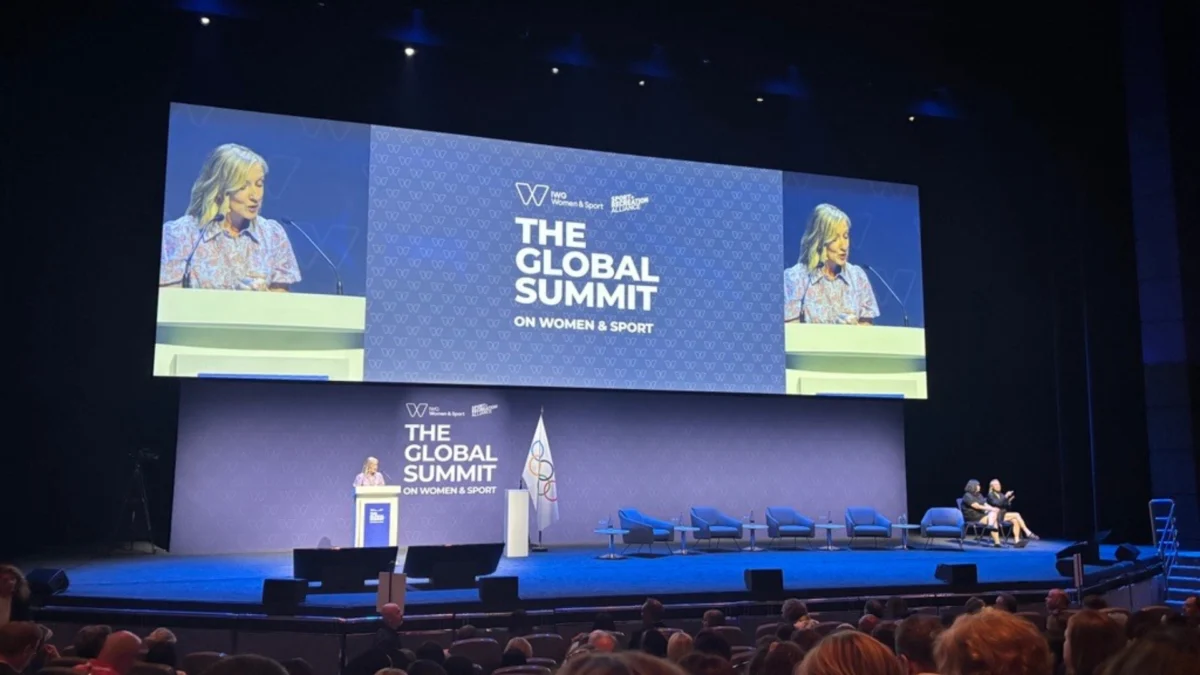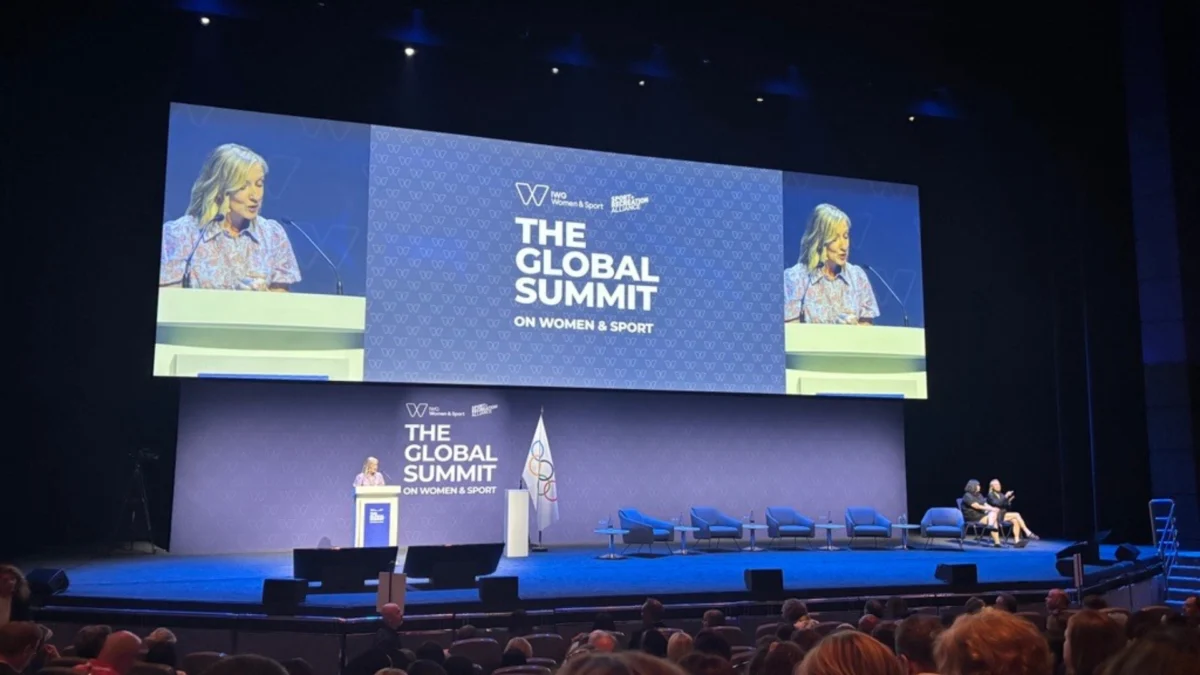
The landscape of global sports is undergoing a seismic shift. For decades, the primary objective of sports policy has been the identification of barriers and the gradual dismantling of "glass ceilings." However, as the 2026 International Working Group on Women and Sport (IWG) World Conference in Birmingham recently demonstrated, the era of merely identifying problems has passed. The new mandate for global sports leadership is clear: the focus must shift from rhetoric to the structural transformation of the entire sporting ecosystem.
With 900 delegates representing 80 nations, the Birmingham conference served as a pivotal platform to define the next generation of gender equality in sports. The consensus among the Finnish delegation and international experts alike is that true progress is no longer a matter of symbolic gestures, but of systemic accountability, radical collaboration, and the translation of research into concrete operational reality.
The Chronology of Change: From Birmingham and Beyond
The journey toward the 2026 IWG World Conference has been marked by decades of advocacy, but the past few years have accelerated the momentum significantly.
- 1994: The Brighton Declaration on Women and Sport is adopted, setting the initial international standard for gender equality.
- 2014: The "Brighton Plus Helsinki" declaration expands the framework, cementing the global commitment to inclusive sports structures.
- 2022–2025: A period of unprecedented growth in women’s sports media rights, sponsorship interest, and stadium attendance globally.
- July 2026 (Birmingham): The IWG World Conference marks the transition from the "breakthrough" phase to the "systemic integration" phase.
- September 2026–Ongoing: National bodies, including those in Finland, begin the process of implementing the conference findings through the "Common Journey" (Yhteinen matka) initiatives and monthly equality coffee forums.
Supporting Data: Why the Old Metrics No Longer Apply
The growth in women’s sports is no longer a niche trend; it is a market reality. Trinh Tu, representing the global market research firm Ipsos, presented compelling data during the conference showing that fans are engaging with women’s sports at record levels, and commercial partners are pivoting budgets toward these properties.
However, a recurring strategic error continues to plague the industry: the tendency to evaluate women’s sports using metrics designed for men’s sports. Investor Michele Kang, a prominent voice at the conference, argued that this is a fundamental miscalculation.
"Women’s sports should not be viewed as a smaller version or a ‘lite’ version of men’s athletics," Kang stated. "It is an entirely distinct market with different demographics, unique growth trajectories, and specific business imperatives."
Key Data Points for Future Growth:
- Diversified Audiences: Research indicates that the fan base for women’s sports is more diverse and younger than traditional male-centric demographics.
- Holistic Ecosystems: Long-term value is not generated by individual success stories—such as a single high-profile athlete—but by the health of the "feeder" systems: junior development paths, coaching certifications, and investment in sports science.
- The Research Gap: A significant lack of data regarding female physiology—specifically in training and injury prevention—remains a major barrier. Only by addressing the biological and physiological realities of women can the industry create truly equitable performance environments.
Official Responses and Strategic Visions
The conference featured high-level insights from global leaders who have moved beyond the "advocacy" phase into the "execution" phase.
The "Gentle Challenger" Approach
UEFA Vice President Laura McAllister emphasized that profound change is rarely the result of a single, explosive event. Instead, it is built through the work of "gentle challengers"—individuals and organizations that persistently question the status quo without triggering unnecessary polarization. These leaders focus on incremental, cultural shifts that eventually render old, exclusionary practices obsolete.
Designing the Future
Professor Fiona Chambers introduced the concept of "design fiction" as a tool for equality. By treating the future as something that must be consciously designed, organizations can move beyond merely "fixing" current structures. Instead, they can ask, "For whom are we building this, and why?" This approach forces leaders to consider the marginalized, including women and girls with disabilities who face intersecting forms of discrimination.
Binding Commitments
Sebastian Coe, President of World Athletics, provided a sobering reality check: organizational change rarely happens through mission statements alone. Coe shared that in his organization, progress only began in earnest when they implemented mandatory quotas, overhauled regulatory frameworks, and ensured that gender balance was a KPI at every level—from the boardroom to the coaching staff.
"We did not just aim for women in the meeting room," Coe noted. "We aimed for the diversity of thought that leads to better decision-making and genuine inclusion."
Implications: The New Era of Sports Leadership
The implications of the Birmingham conference for national sports organizations, including those in Finland, are profound. The theme "Beyond the Breakthrough" serves as a call to action.
1. Structural Accountability
The responsibility for equality can no longer be delegated to a single "equality officer" or a token female board member. It must be a core competency for everyone: boards, CEOs, coaching staffs, and media partners. In Finland, the 34 organizations that have signed the Brighton Plus Helsinki declaration are now tasked with translating these global ideals into national, measurable outcomes.
2. Addressing the "Male-Centric" Life Cycle
The sporting system has historically been built around the assumed life cycle of a male athlete. Issues such as pregnancy, childbirth, and maternity are often treated as "complications" rather than natural parts of an athlete’s career. The conference highlighted the urgent need for new research that includes female athletes in studies, rather than excluding them due to hormonal fluctuations. This data is essential for creating competitive environments that do not force women to choose between their personal lives and their professional aspirations.
3. Power and Resource Allocation
The final, and perhaps most difficult, implication is the redistribution of power. True equality requires a shift in who holds the purse strings, who defines the objectives, and who shapes the training methodologies. It is no longer enough to increase the number of women participants; the focus must be on increasing the number of women who possess the authority to define the direction of the sport.
Conclusion: A Window of Opportunity
We are currently in a unique "window of opportunity." Global interest in women’s sports is at an all-time high, and media, sponsors, and investors are finally aligning. While conservative values may be hardening in other sectors of society, the sports world has a rare chance to cement its role as a leader in social progress.
The breakthrough has occurred. The stadium seats are filling up, and the headlines are shifting. The real work now lies in the "systemic maintenance" of this progress. Organizations must now decide if they are content with the current momentum or if they are brave enough to lead the next phase: a structural,, and permanent overhaul of how sports are led, funded, and played.
For the Finnish sporting community, the path forward is clear: it is time to stop celebrating the existence of women in sports and start building the institutional structures that make their excellence the standard, not the exception. The "Common Journey" continues, and the decisions made in the next few years will dictate the health and integrity of our sporting culture for generations to come.
For those interested in continuing this dialogue, the Finnish Olympic Committee is hosting a series of "Equality Coffee" (Tasa-arvotyön etäkahvit) forums. These sessions, held on the second Friday of every month, provide a platform for theme-based discussions and the practical implementation of the IWG conference findings.