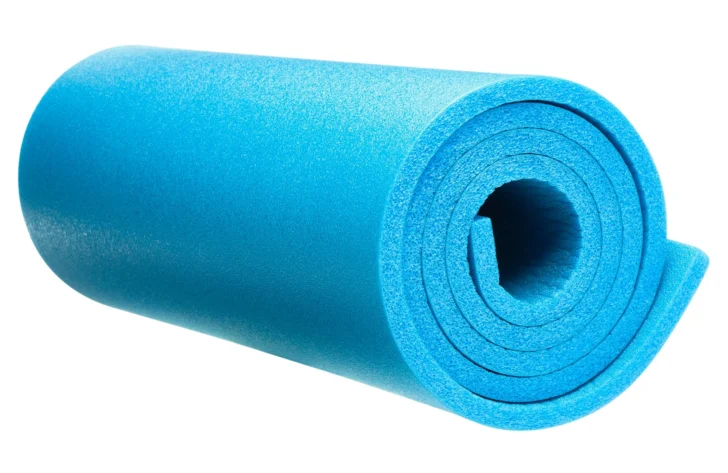
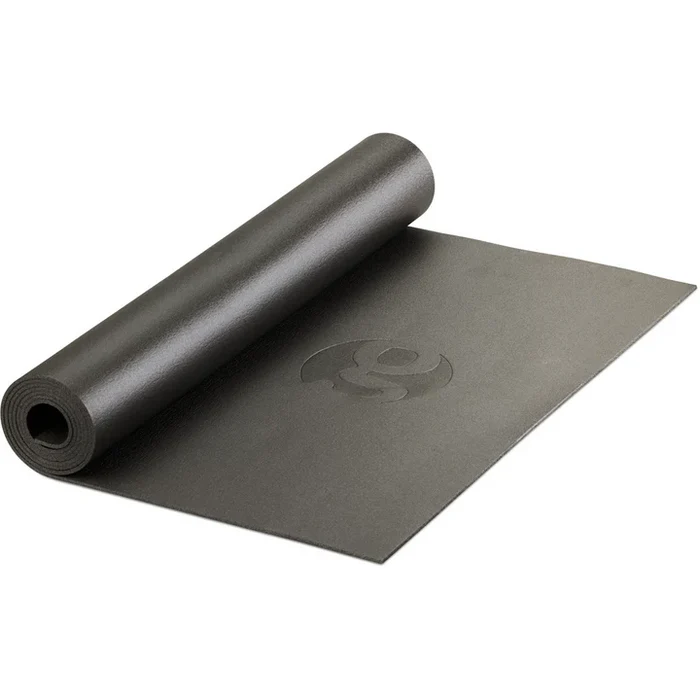
For decades, the standard for backcountry sleeping was simple: a blue, cross-linked polyolefin foam mat. It was indestructible, cheap, and offered a rudimentary buffer between the hiker and the cold, hard earth. Yet, as the ultralight movement transformed backpacking, the "blue foam" era gave way to an explosion of high-tech inflatable mattresses.
Comfort today is no longer a subjective "feel" but a measurable outcome of engineering. It is the result of balancing inflation pressure, baffle geometry, thermal resistance (R-value), and material science. This report, based on an analysis of over 300 sleeping pads from 20+ manufacturers as of May 2026, provides a framework for optimizing your sleep system in the field.
The Chronology of Comfort: From Foam to Air-Sprung Cells
The evolution of the sleeping pad has been a 45-year journey from simplicity to sophisticated pneumatic design.
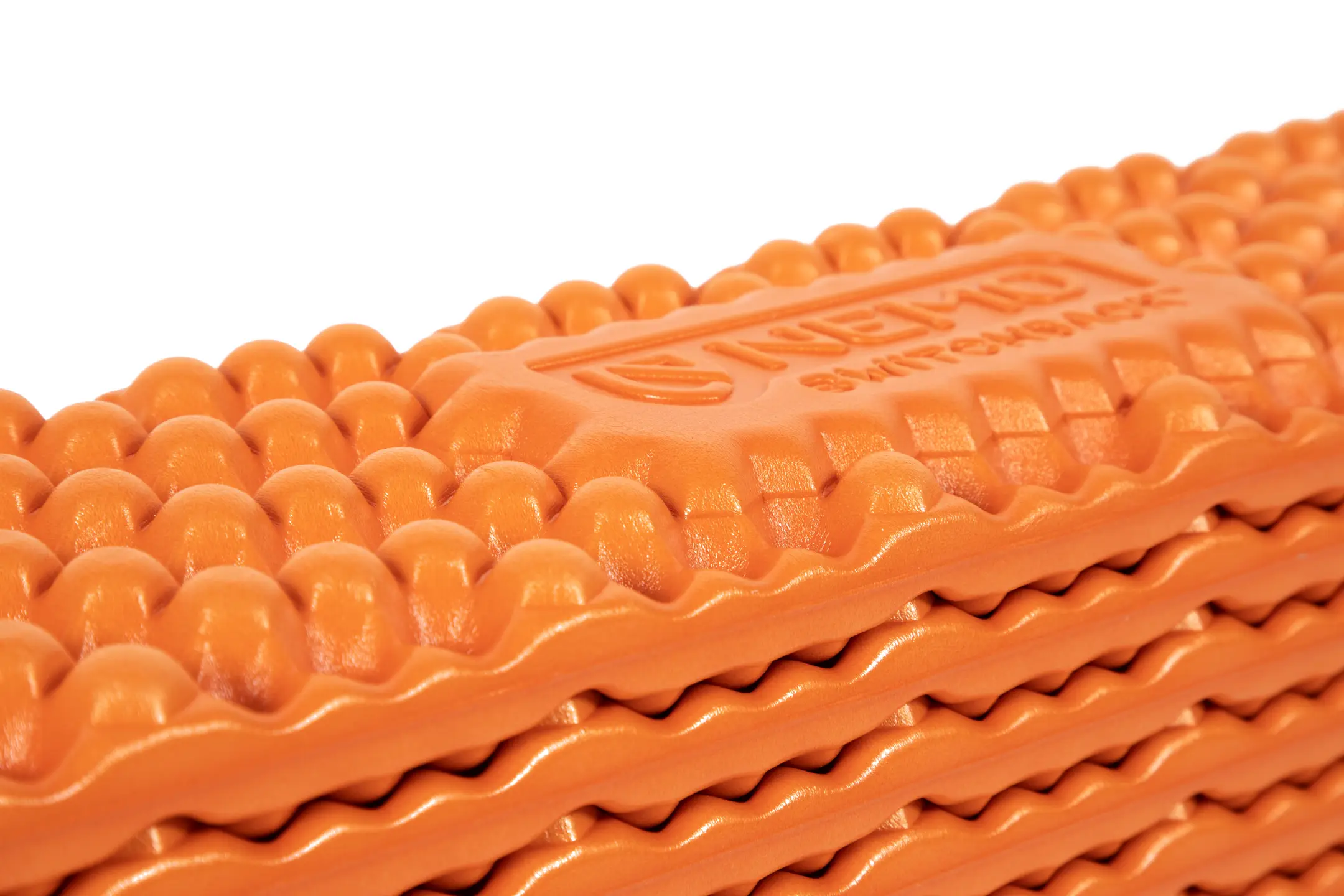
The Foam Era (1970s–1990s)
Early hikers relied on closed-cell foam (CCF) like the classic blue pad. While durable and puncture-proof, these pads lacked the thickness required for side sleepers or those on uneven terrain. Innovations in cross-linked polyethylene (XLPE) improved moisture absorption and insulation, leading to modern staples like the Therm-a-Rest Z-Lite SOL and the Nemo Switchback. These accordion-style pads remain the gold standard for long-distance thru-hikers who prioritize reliability and budget over supreme comfort.
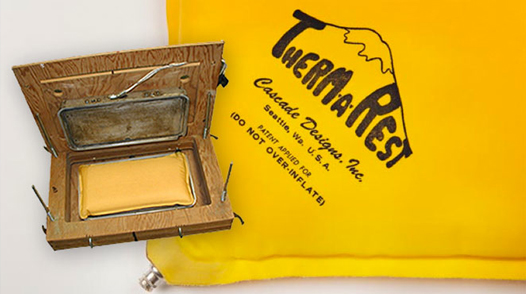
The Self-Inflating Revolution (1970s–2000s)
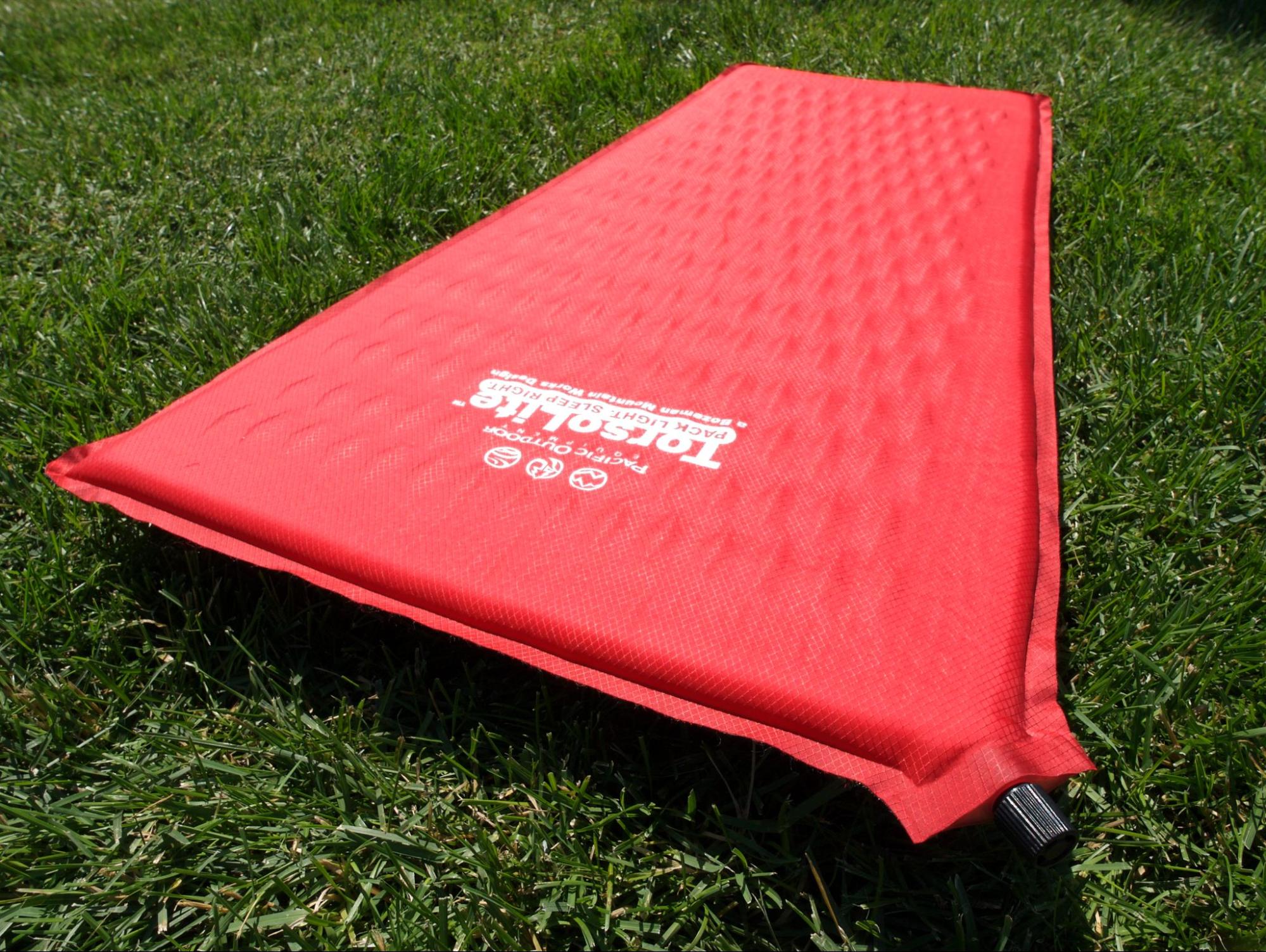
The 1973 debut of the original Therm-a-Rest introduced open-cell foam inside an airtight shell. This "self-inflating" design offered superior cushioning, but it remained prone to seam failures and fabric punctures. While designs like the Sea to Summit Pursuit have refined this category, the weight-to-comfort ratio eventually hit a plateau.

The Inflatable Era (2009–Present)
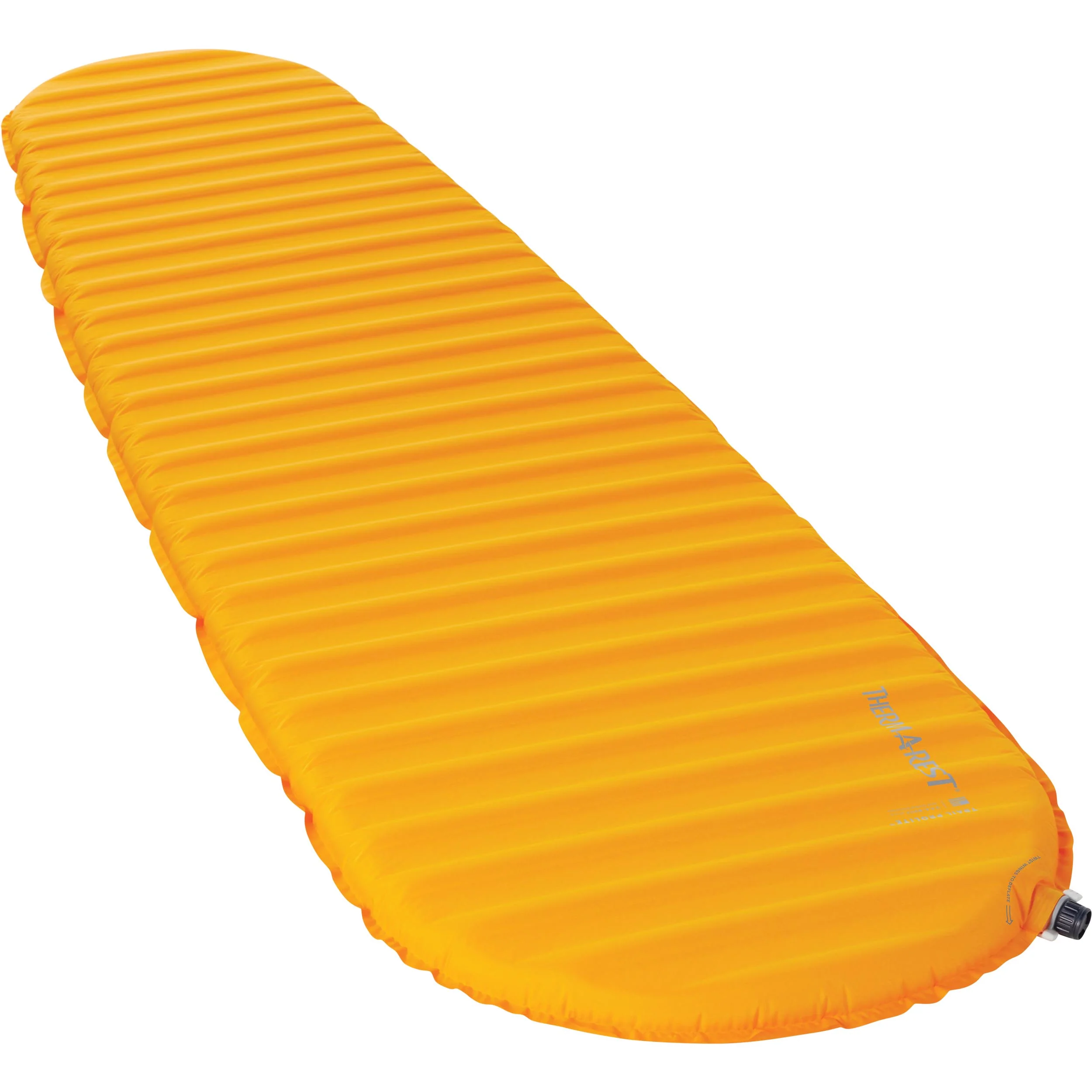
The game changed in 2009 with the introduction of the Therm-a-Rest NeoAir. By abandoning foam entirely in favor of air chambers and reflective heat-trapping barriers, manufacturers were able to create 3-inch-thick pads that weighed less than a pound. This category now dominates the market, with brands like NEMO, Big Agnes, and Exped pushing the boundaries of warmth and stability.
Baffle Architecture: The Foundation of Stability
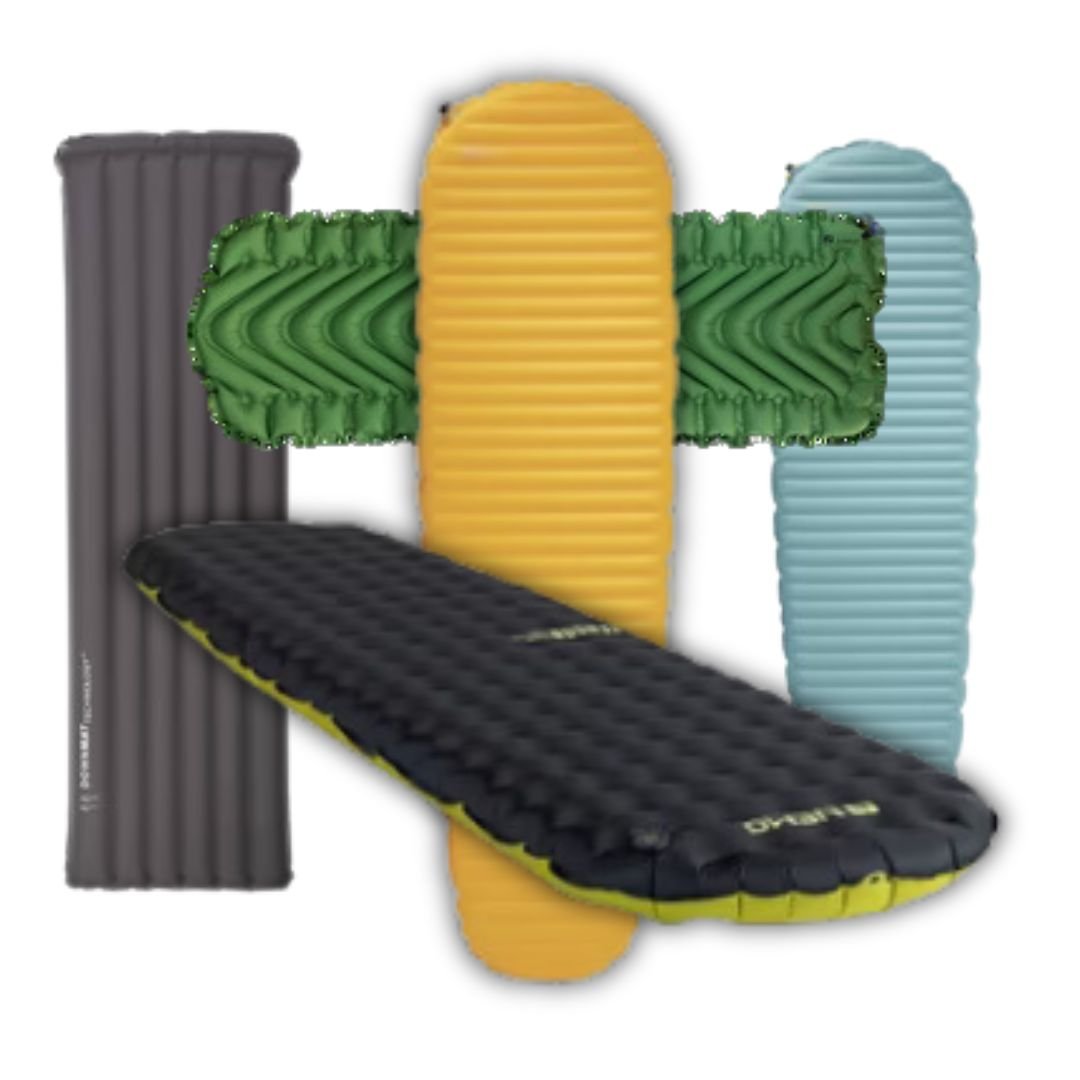
Stability—the ability of a pad to maintain its shape under load—is the most misunderstood metric in gear reviews. It is governed by four primary baffle designs:

- Horizontal Baffles: Running side-to-side, these create a cradle-like surface. They are generally comfortable but can be susceptible to "bottoming out" if not inflated to the correct pressure.
- Vertical Baffles: Running head-to-toe, these align with the body’s axis. They offer a very consistent, flat platform but can feel slightly less "contoured."
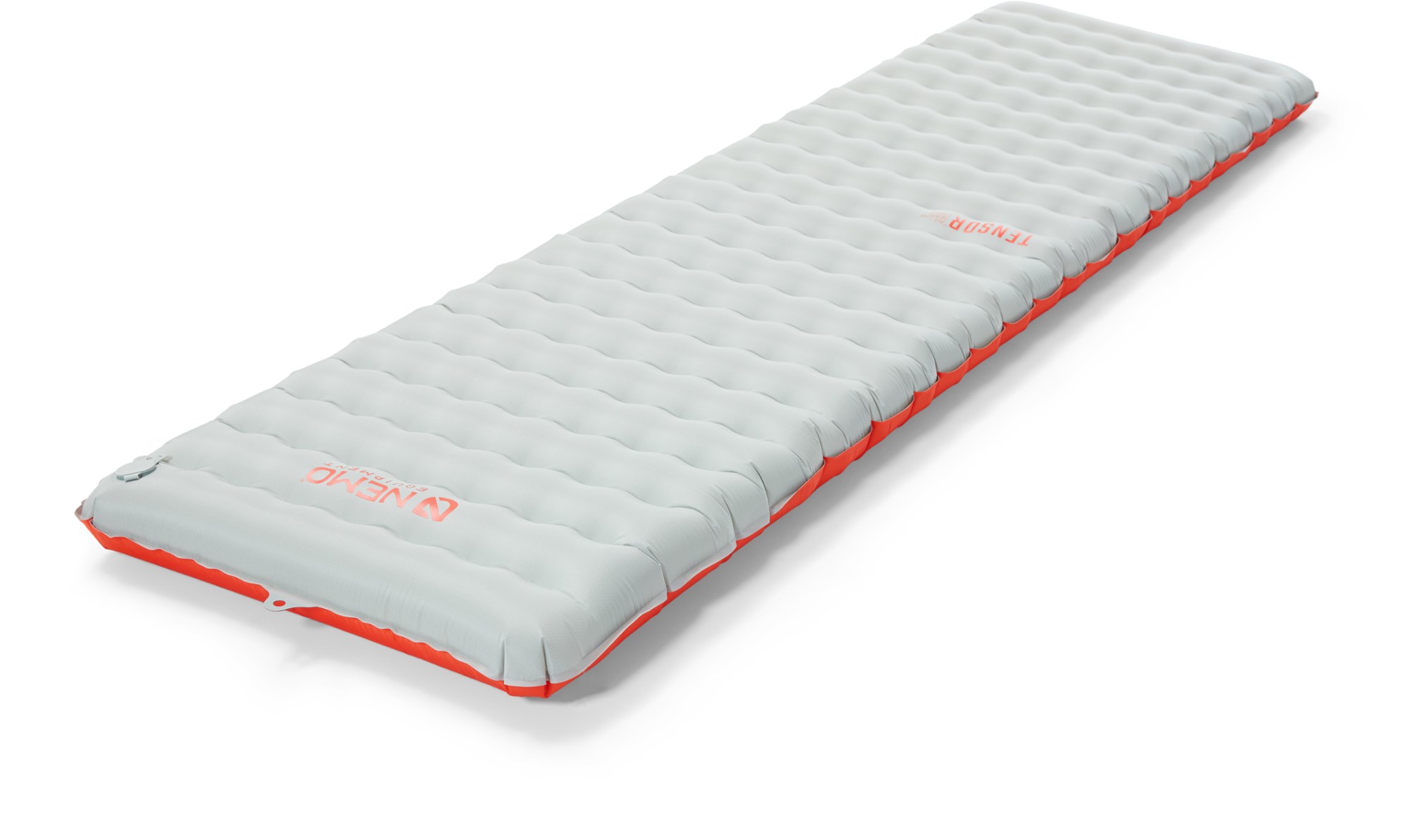
- Air-Sprung Cells: Utilizing dot welds to create a matrix of independent chambers, these mimic pocket-sprung mattresses. They excel at conforming to the body but require careful inflation to avoid a "bouncy" feel.
- 3D Welds: A modern evolution of horizontal baffling, these use internal welds to vary thickness by zone, providing extra support for the hips and shoulders while reducing overall weight.
Market Performance Analysis
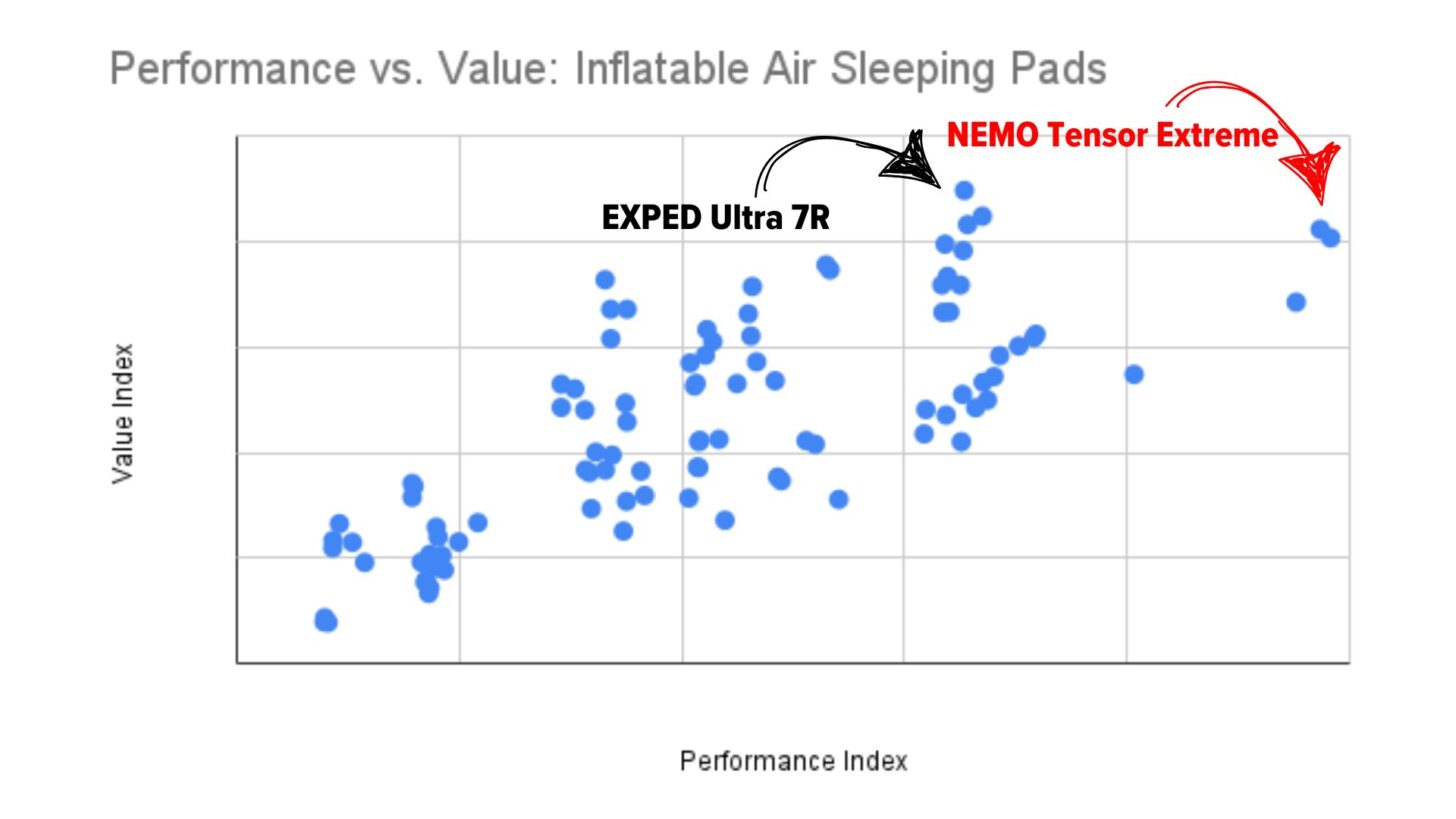
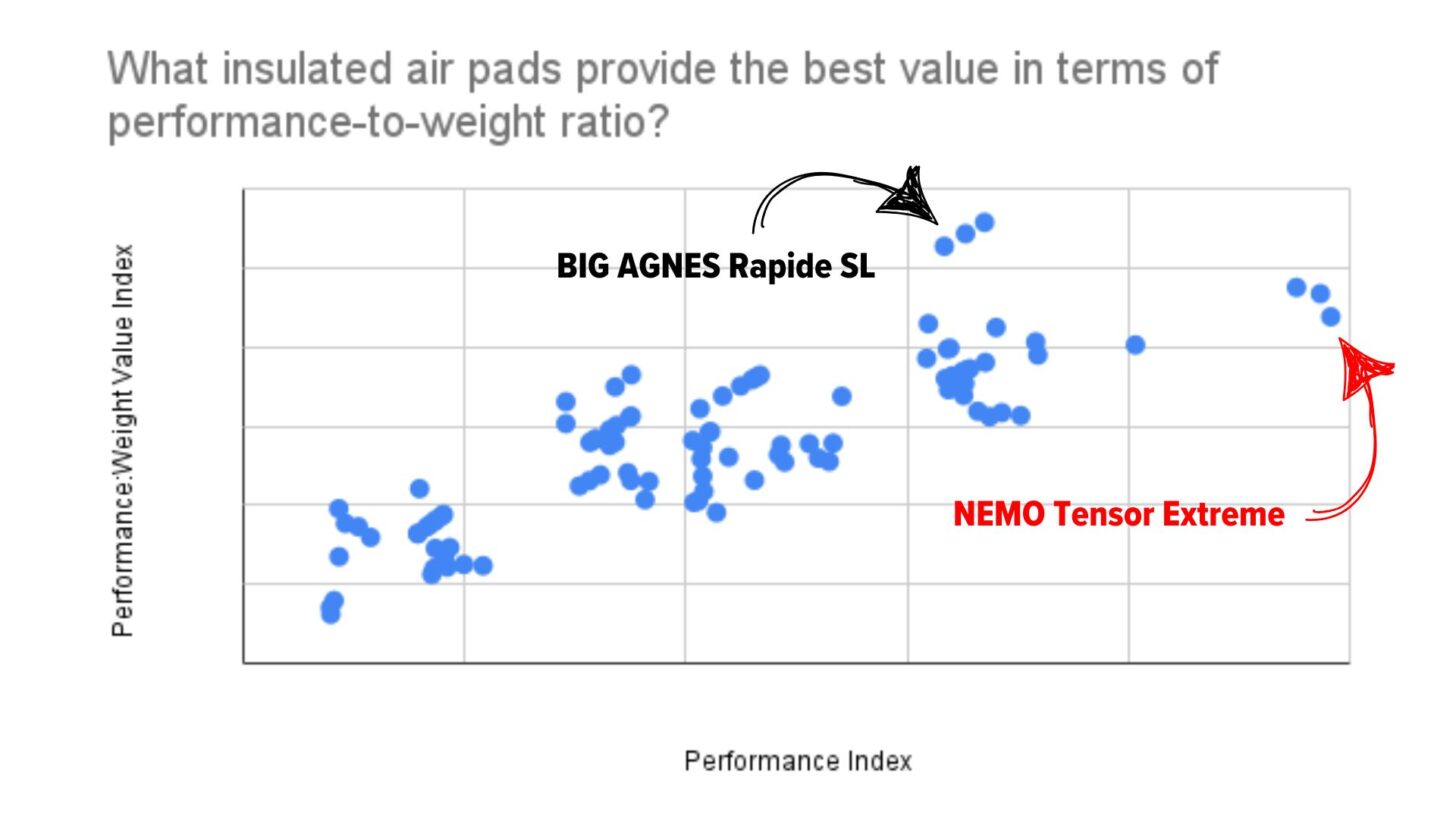
To understand what constitutes a "high-performing" pad, we analyze two metrics: the Performance Index (comfort and warmth per ounce) and the Value Index (comfort and warmth per dollar).

High R-Value Performance Leaders
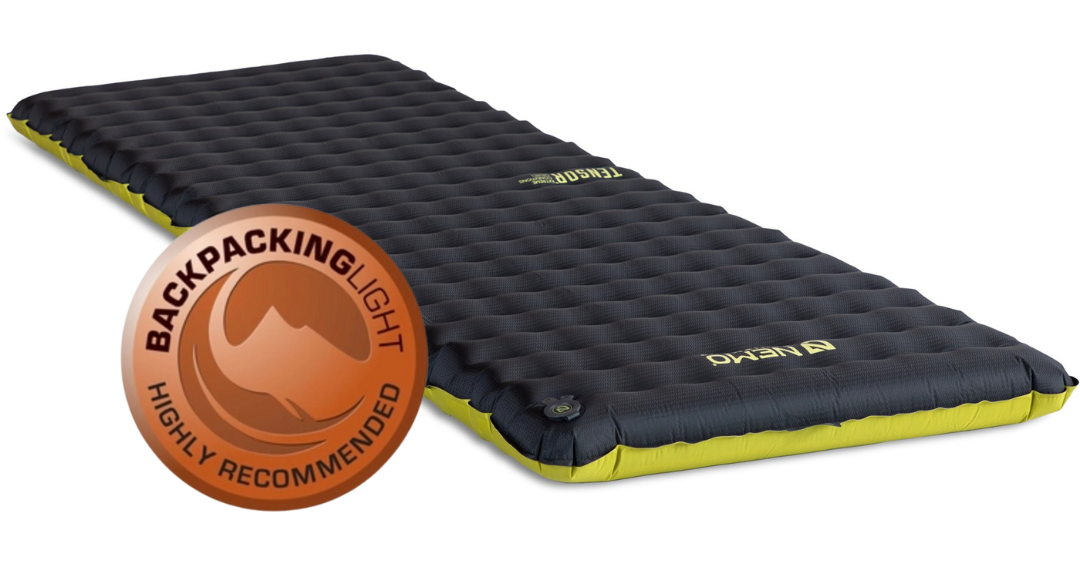
As of the 2026 update, the NEMO Tensor Extreme Conditions stands out as the leader in performance-per-ounce. With an R-value of 8.5 and a weight of 22 oz for a Regular-Wide size, it is a formidable tool for winter mountaineering.
| Product | R-Value | Weight (oz) | Best For |
|---|---|---|---|
| NEMO Tensor Extreme | 8.5 | 22 | Extreme Cold |
| Therm-a-Rest XTherm NXT | 7.3 | 20 | Warmth-to-Weight |
| Rab Ultrasphere 5 | 5.5 | 16 | Ultralight High-R |
| REI Helix Insulated | 4.9 | 21-29 | Budget Value |
The Value Proposition
While premium pads can reach the $300 mark, the Big Agnes Rapide SL line frequently tops the value charts. It offers a balance of comfort and warmth that outperforms generic "white-label" pads found on mass-market platforms. Our field testing confirms that generic pads from non-specialized retailers consistently fail in seam integrity and puncture resistance, making established brands a safer long-term investment.
Implications for the Field: Optimization Protocols
Selecting the right pad is only half the battle; how you use it dictates the quality of your sleep.
1. The Inflation Heuristic
Do not inflate your pad until it feels like a rock. The goal is "measurable deflection."
- Back sleepers: Aim for a slightly firmer feel to support the lumbar region.
- Side sleepers: Require a lower pressure to allow hips and shoulders to sink into the pad without touching the ground.
- Temperature adjustment: Remember that as air cools at night, pressure drops (the Ideal Gas Law). Inflate to your target, then "top off" just before you climb into your bag.
2. The Two-Pad System
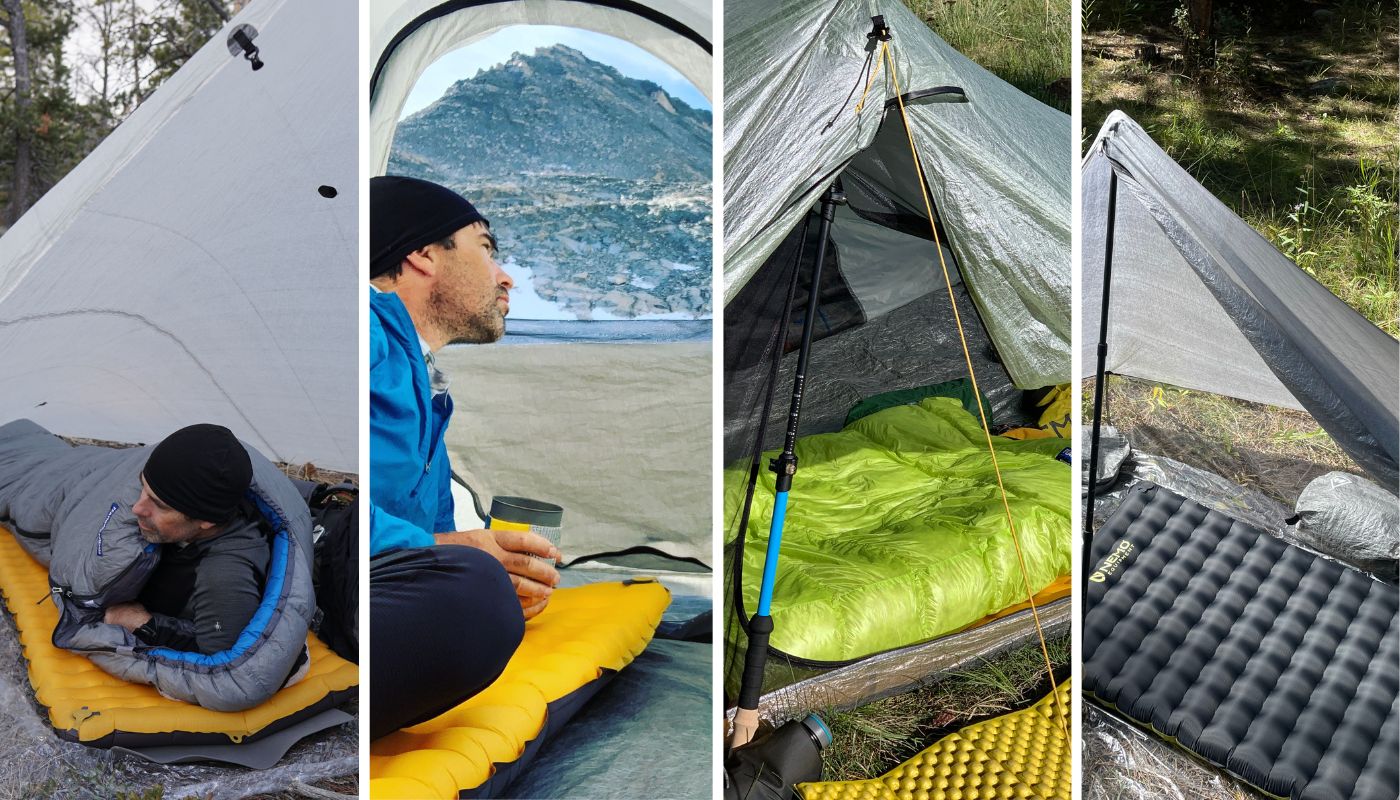
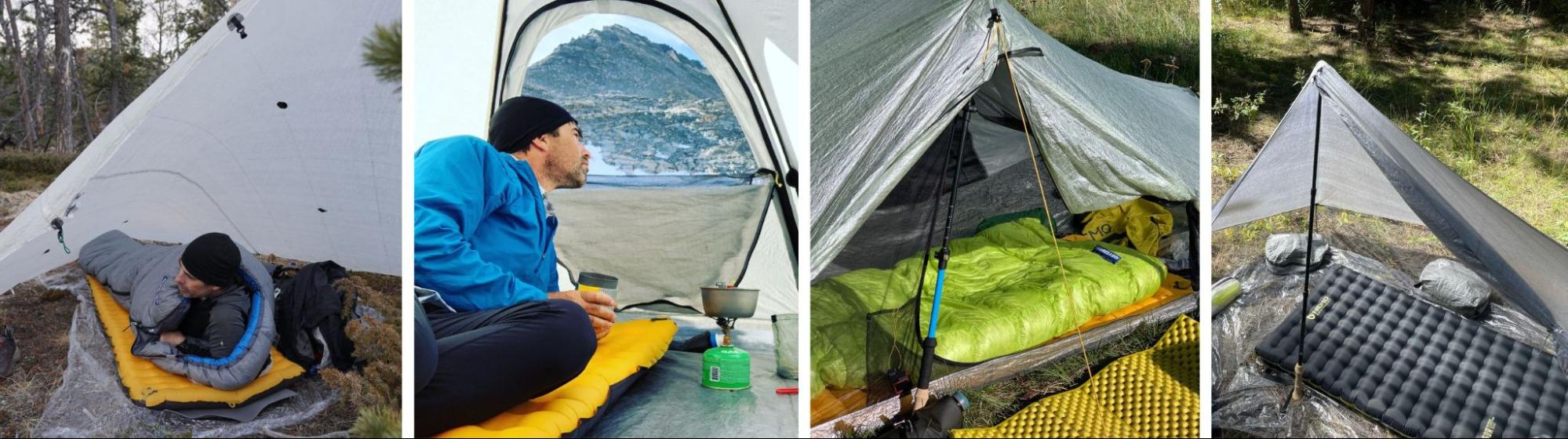
For winter conditions or extreme terrain, consider stacking. A CCF pad (like the Gossamer Gear Thinlight) underneath an inflatable pad provides a safety net against punctures and adds a significant boost to your overall R-value. Placing the foam on top of the inflatable can also help with moisture management and provide a quieter surface.
3. Integration with Bivy Sacks
Inside a bivy sack, space is at a premium. Wider pads (25 inches) can cause the bivy fabric to pull tight against your face, inducing claustrophobia. A 20-inch pad is often superior for bivy use, provided it has excellent edge stiffness to prevent "roll-off."

4. Advanced Inflation Technology
If manual inflation is a burden, the market has matured. We recommend the Flextail Zero Pump for its reliability, power, and weight-to-utility ratio. Pair this with a Nitecore NB10000 Gen 3 power bank to ensure you have enough juice for multi-day excursions without carrying dead weight.
Summary of Field Comfort Protocol
To guarantee a better night’s sleep, follow this two-minute protocol before tucking in:
- Level the Surface: Remove sharp debris. Use your hands to clear a "nest" in the duff or snow.
- Standardize Inflation: Inflate to the specific deflection required for your sleep position (firm for back, soft for side).
- Manage the Interface: If your pad is noisy or cold, use a lightweight sheet or your extra clothing as a buffer layer.
- Align the Pillow: Match your pillow loft to the thickness of your pad. A 3.5-inch pad requires a higher-profile pillow to maintain cervical alignment.
By treating the sleeping pad as an engineered system rather than a piece of passive gear, you transition from merely "surviving" the night to actively recovering for the day ahead. The goal is not just to carry less, but to rest better.