Finland, a nation renowned for its dedication to physical activity and sports culture, stands at a critical juncture. Its extensive network of sports facilities—the backbone of the country’s public health and grassroots sports ecosystem—is currently facing an unprecedented challenge. With a staggering billion-euro maintenance debt and a rapidly shifting landscape of environmental and demographic requirements, the need for a strategic overhaul has never been more urgent.
In response, the Finnish Olympic Committee has launched the "EU-Buusti" project, a far-reaching initiative supported by the Ministry of Education and Culture. The project aims to consolidate a national situational picture, foster cross-sector collaboration, and lay the groundwork for future investment programs, including those eligible for European Union funding.
Main Facts: A Billion-Euro Dilemma
The "EU-Buusti" project, which will run through July 2027, is designed to be the catalyst for the next generation of Finnish sports infrastructure. The project’s core mission is to bridge the gap between current, aging facilities and the future needs of a physically active population.
Key Pillars of the Initiative:
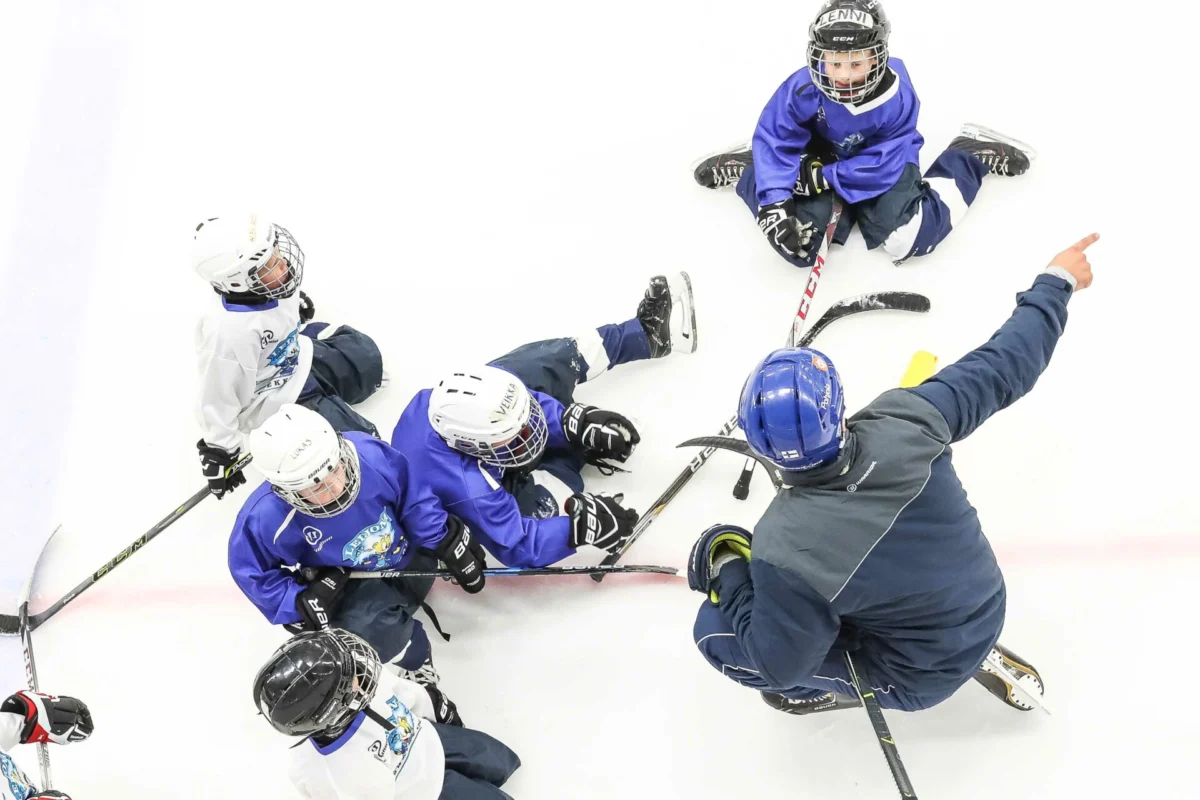
- Addressing the Maintenance Debt: Estimates suggest that the backlog of repairs for existing sports facilities, including swimming pools, ice rinks, and indoor sports halls, has reached approximately one billion euros.
- Strategic Alignment: The project seeks to align domestic sports infrastructure development with EU mandates, such as the Energy Performance of Buildings Directive, as well as Finland’s own national carbon neutrality and circular economy targets.
- Centralizing Data: By creating a national "situational picture," the project will provide decision-makers with the empirical evidence needed to prioritize investments that offer the highest social and economic returns.
- Inclusive Planning: The project has brought on Seriina Posio as a Special Advisor to spearhead these efforts, ensuring that municipal, state, and private sector stakeholders are aligned.
Chronology: A Roadmap to 2027
The trajectory of the EU-Buusti project is carefully mapped to coincide with both national and European political cycles.
- Phase 1: Establishing the Baseline (Late 2026 – Early 2027): The initial months are dedicated to data collection and stakeholder mapping. This involves auditing the state of current facilities and identifying regional disparities in accessibility and condition.
- Phase 2: Collaborative Workshops (Throughout 2027): The project will host a series of thematic workshops. These sessions are designed to synthesize the needs of local governments with national sustainability goals. The goal is to move from reactive maintenance to proactive, strategic development.
- Phase 3: EU Funding Advocacy: As the European Union prepares its funding instruments for the next seven-year budget cycle, EU-Buusti will work to ensure that Finnish sports infrastructure projects are "shovel-ready" and aligned with EU priorities regarding sustainability and social cohesion.
- Phase 4: Political Alignment (Spring 2027): With the Finnish parliamentary elections approaching in 2027, the project aims to keep sports infrastructure at the forefront of the political agenda, ensuring that the next government prioritizes the physical activity environment as a pillar of public health.
Supporting Data: The Pressure of Changing Demographics
The urgency of the EU-Buusti project is not merely about crumbling walls and aging HVAC systems. It is driven by a fundamental shift in how, where, and why Finns exercise.
The Demographic Shift
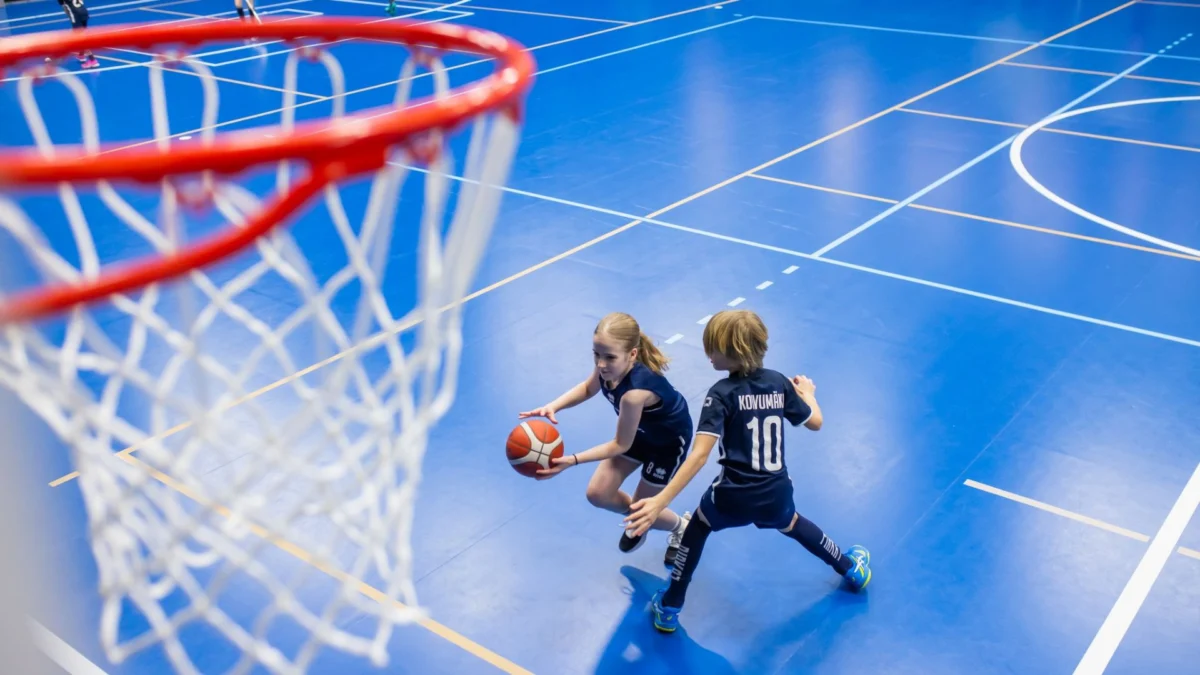
Finland’s population is aging. This demographic transition necessitates a shift in the types of facilities required. Traditional, high-intensity competition venues are still vital, but there is a growing demand for multipurpose, accessible, and inclusive spaces that cater to elderly populations and those with lower mobility.
Regional Disparities
Urbanization continues to concentrate the population in larger growth centers, while rural areas grapple with maintaining facilities for a dwindling or aging population. The EU-Buusti project is tasked with identifying how to optimize these assets—closing or repurposing redundant facilities while investing in growth hubs that reflect modern urban planning.
Environmental Imperatives
The "green transition" is a non-negotiable factor. Modern sports facilities are energy-intensive. Retrofitting an older ice rink to meet modern carbon-neutrality standards is a capital-intensive process that municipal budgets can no longer absorb alone. The integration of circular economy principles—reusing materials and designing for longevity—is central to the project’s long-term sustainability strategy.
Official Responses: Leaders Weigh In
The initiative has garnered support from the highest levels of the sports administration, as it addresses the growing tension between rising investment needs and tightening municipal budgets.
Seriina Posio, Special Advisor for the EU-Buusti project, highlights the complexity of the current environment:
"Finland’s sports facility network is facing a significant need for renewal. Much of the infrastructure was built decades ago, and the repair debt has climbed to nearly a billion euros. We are seeing a critical need for renovation in swimming pools and ice rinks specifically. Simultaneously, we are navigating the EU’s energy efficiency directives and national climate goals, which dictate that every euro spent must go toward low-carbon and resource-efficient solutions."
Petri Keskitalo, Deputy CEO of the Finnish Olympic Committee, emphasizes the strategic timing of the project:
"This is a critical moment for the sports community to exert influence. We are currently preparing for the EU’s next seven-year financial framework, and we have parliamentary elections in the spring of 2027. All parliamentary parties have committed to strengthening the physical capacity of the Finnish people. The decisions we make now—or fail to make—will dictate the landscape of our sports facilities for decades to come."
Implications: The Path Toward a "Moving" Finland
The implications of the EU-Buusti project extend far beyond the construction sector. They touch on the very health of the Finnish population.
1. From Maintenance to Innovation
The project forces a shift in mindset. Instead of simply patching up failing systems, municipalities are encouraged to rethink their facility portfolio. Can a school gymnasium be opened to the public? Can two municipalities share the cost of a specialized training center? The "Buusti" approach emphasizes regional synergy.
2. Fiscal Sustainability
With state subsidies for sports construction in decline, the project is scouting for alternative financing models. By aligning with EU objectives, Finland hopes to tap into regional development funds that reward sustainability and digital integration, potentially alleviating the burden on local taxpayers.
3. Public Health as a National Security Issue
The decline of physical activity is a public health concern that impacts long-term social welfare costs. By ensuring high-quality, modern, and accessible sports environments, the EU-Buusti project is effectively an investment in preventive medicine. An active population is a resilient population, and infrastructure is the most basic, yet essential, component of that resilience.
4. A Call to Action for Stakeholders
The project is not a top-down mandate; it is a call for broad participation. Municipal planners, sports club leaders, architects, and private investors are all being invited to the table. The goal is to move past isolated planning and toward a unified national vision.
As Seriina Posio notes, the upcoming workshops are the heart of this collaborative effort. By gathering experts to share best practices, the project aims to lower the barrier for municipalities to pursue large-scale, sustainable development.
Conclusion
The "EU-Buusti" project is more than just a repair program; it is a visionary endeavor to redefine the Finnish sports landscape. By acknowledging the heavy toll of the billion-euro maintenance debt and embracing the necessity of environmental and demographic adaptation, the project provides a structured path forward.
As Finland approaches the 2027 parliamentary elections, the work done by the Olympic Committee and its partners will serve as the blueprint for the next era of Finnish movement. Whether through the lens of carbon neutrality, fiscal efficiency, or public health, the message is clear: to keep Finland moving, the country must invest in the spaces that make movement possible. The "EU-Buusti" project ensures that these investments are not just made, but made well.