The island of Abruka, situated just a short ferry ride from the bustling Estonian port of Kuressaare, offers a striking paradox. While Saaremaa—the largest island in Estonia—thrums with the high-energy pulse of summer tourism, Abruka remains a quiet, verdant sanctuary. For the traveler seeking a respite from the modern world, this eight-square-kilometer island represents a living, breathing connection to a unique European ecosystem that feels worlds away from the mainland.
Main Facts: A Biological Outpost
Abruka is not merely a scenic destination; it is a vital ecological bridge. The island is renowned for its central deciduous forest, which has been under state protection since 1937. Botanists and naturalists have long pointed to Abruka as the northernmost outlier of the Central European broad-leaved forest belt.
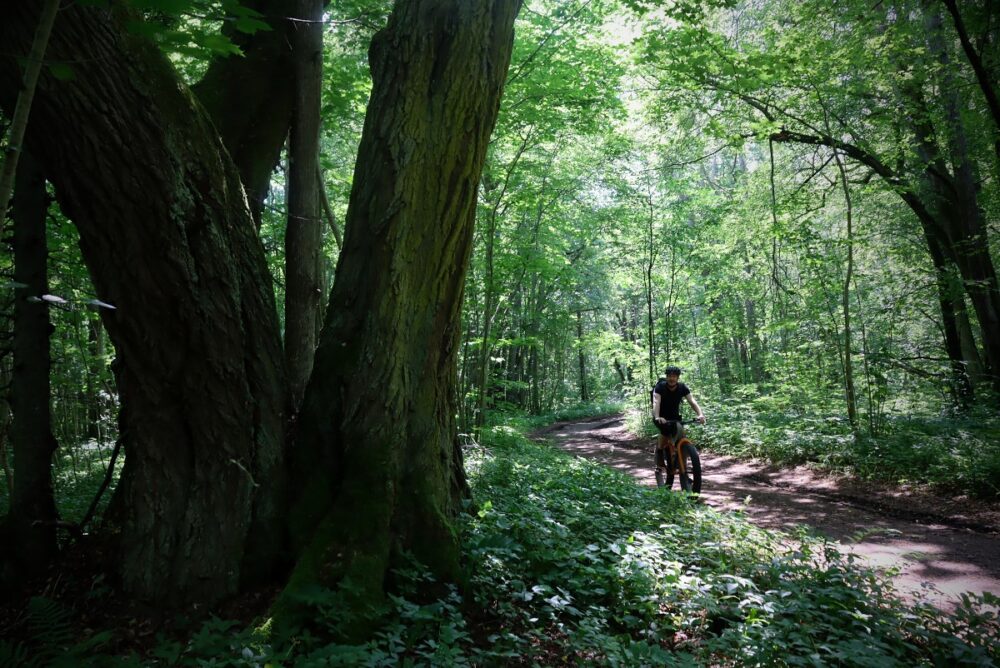
The island’s landscape is characterized by thick, moss-covered oaks and towering linden trees that create a canopy so dense it feels otherworldly. This "Middle European" forest creates a microclimate that supports a diverse range of flora and fauna, making it an essential site for biodiversity in the Baltic region. The island is also home to a small, resilient community, a local museum detailing its rich maritime history, and a lighthouse that serves as a sentinel for the surrounding waters.
Chronology of an Island Expedition
The journey to Abruka is a study in transitions. The morning sun was already intense as we pedaled through Kuressaare toward the Roomassaare harbor. Loading our bicycles onto the deck of the local ferry, we felt the shift in tempo as we pushed off toward the horizon.
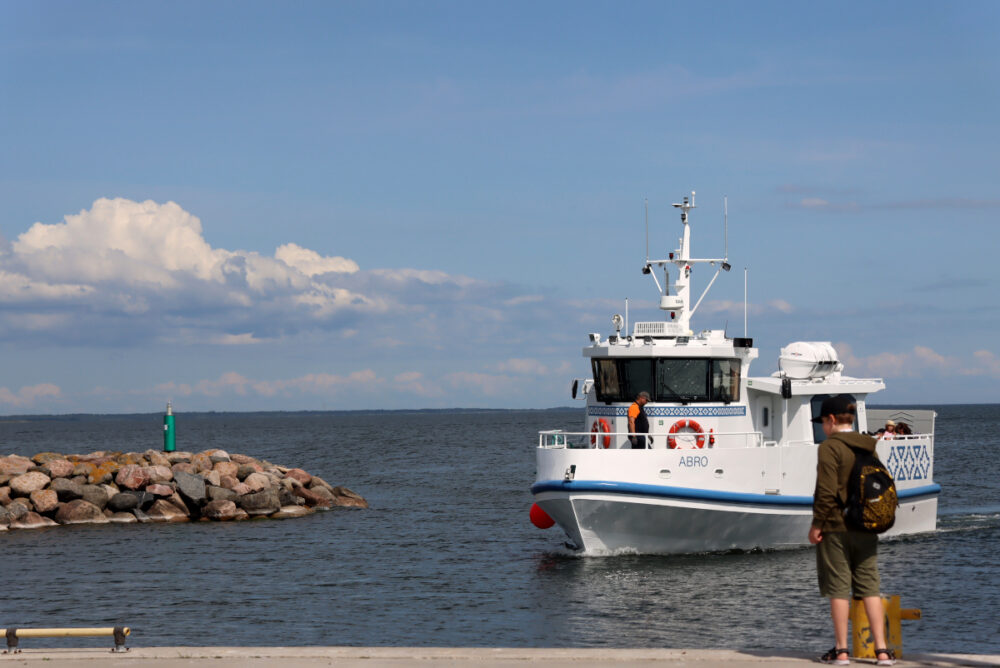
09:00 – The Crossing: The thirty-minute ferry ride serves as a decompression chamber. As the mainland fades, the horizon opens up, and the noise of the town is replaced by the rhythmic slap of waves against the hull.
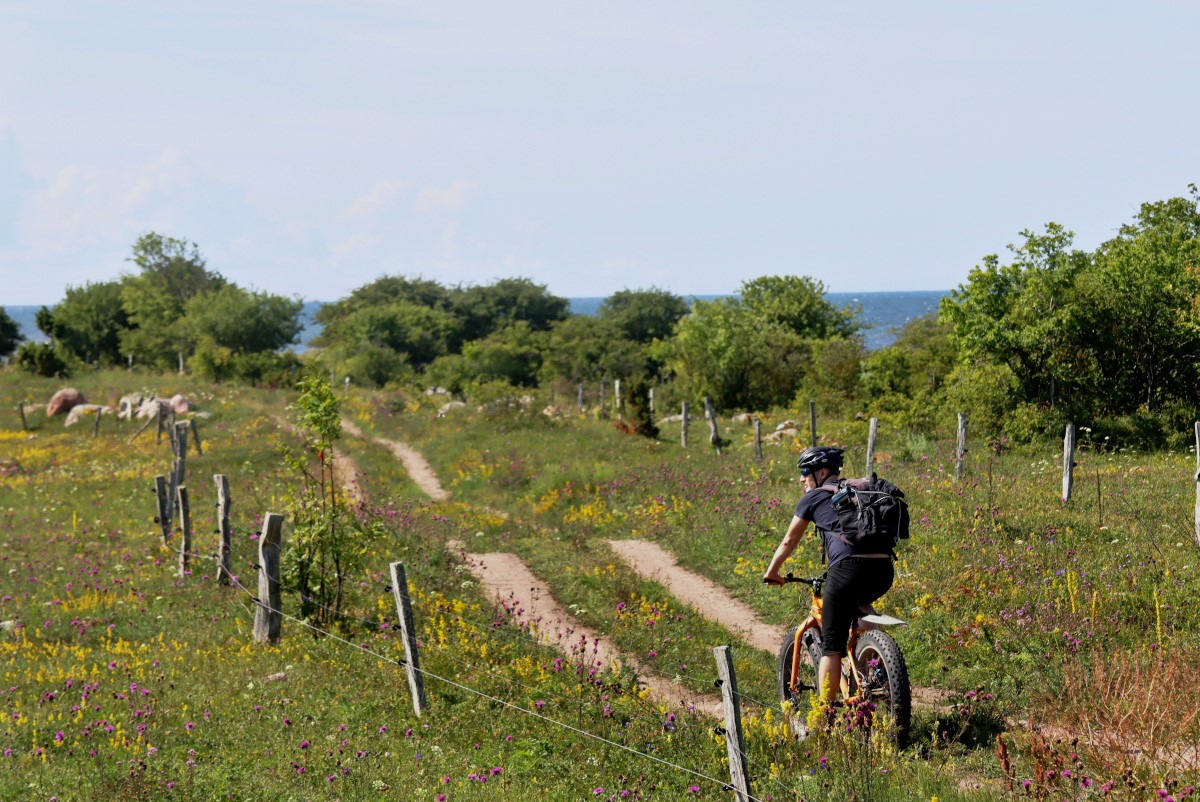
10:00 – The Southern Wilderness: Upon landing, we immediately turned our bikes toward the southern tip of the island. Riding across the quiet village, we transitioned from the modest residential paths onto the trail leading into the heart of the protected forest. The shade provided by the ancient canopy was a welcome relief from the summer heat, with the thick, leafy boughs creating a natural tunnel perfect for cycling.
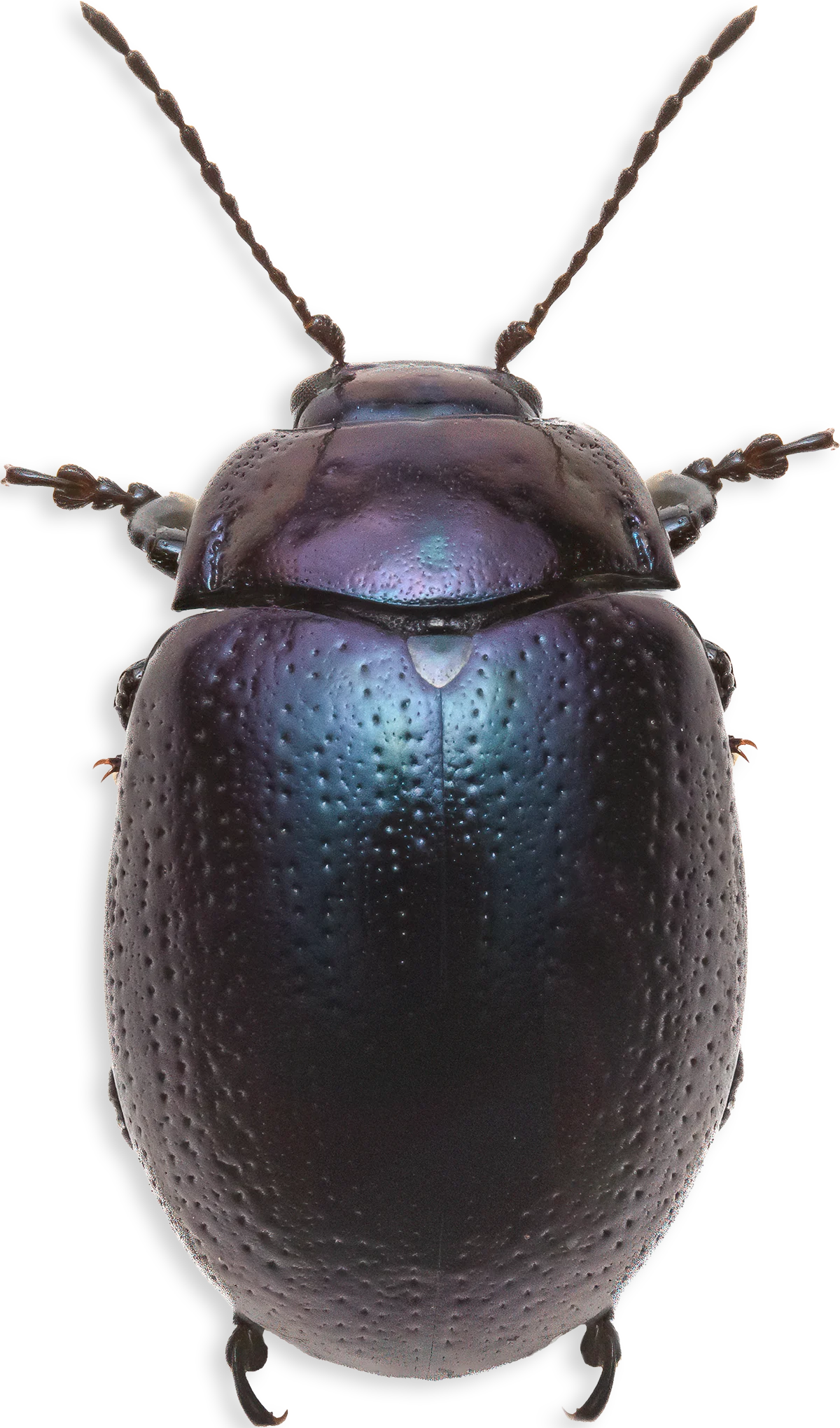
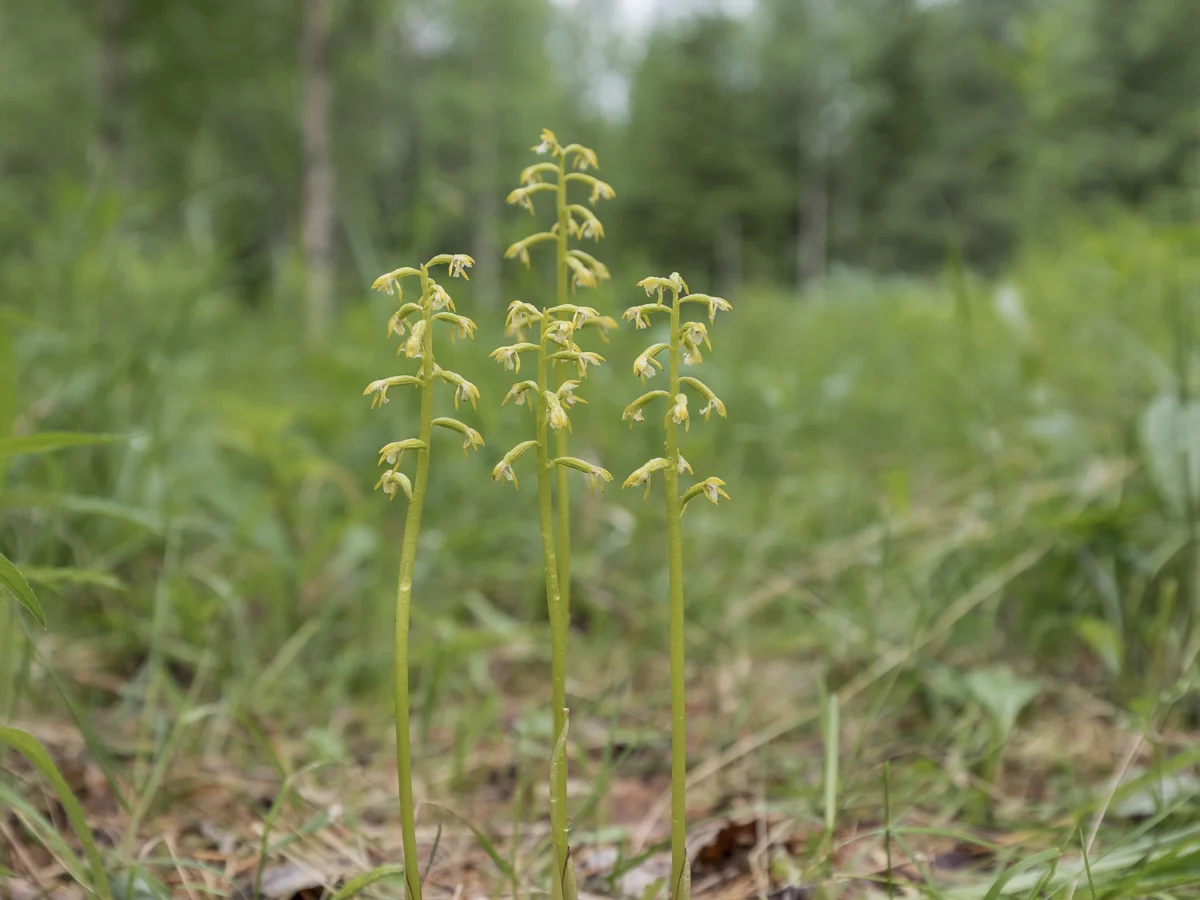
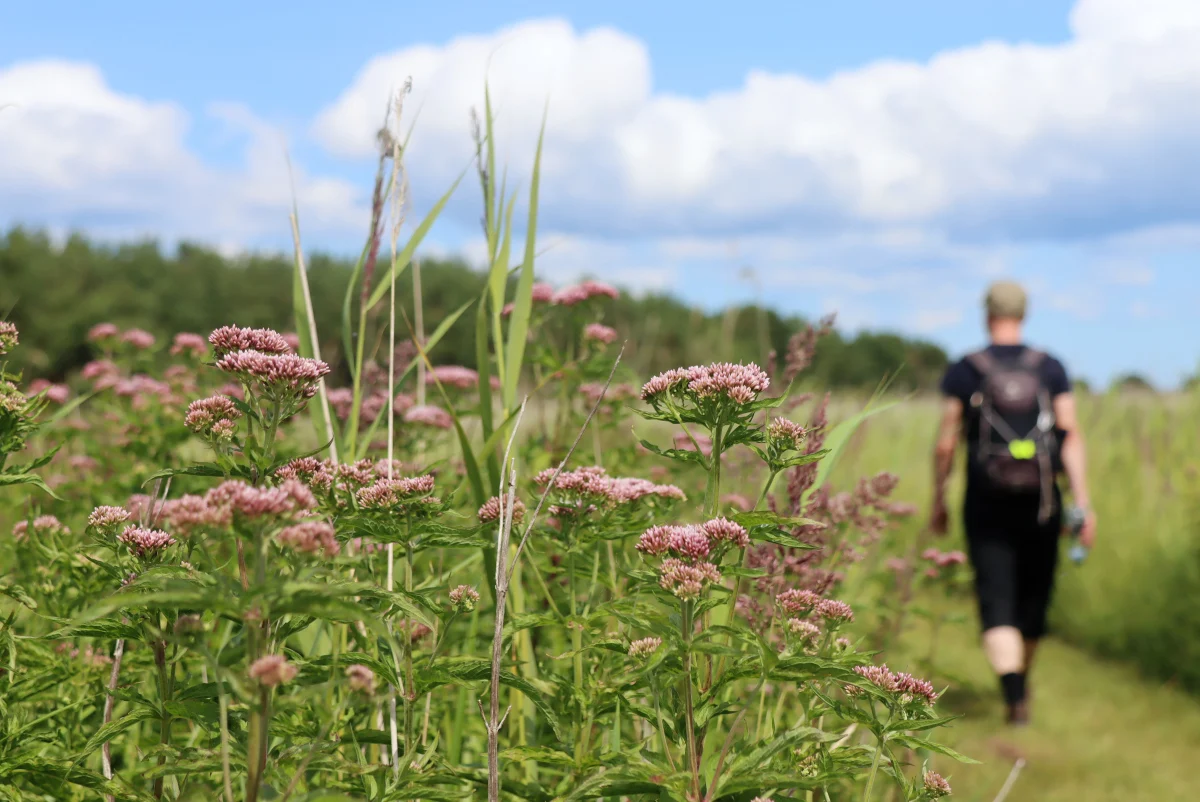
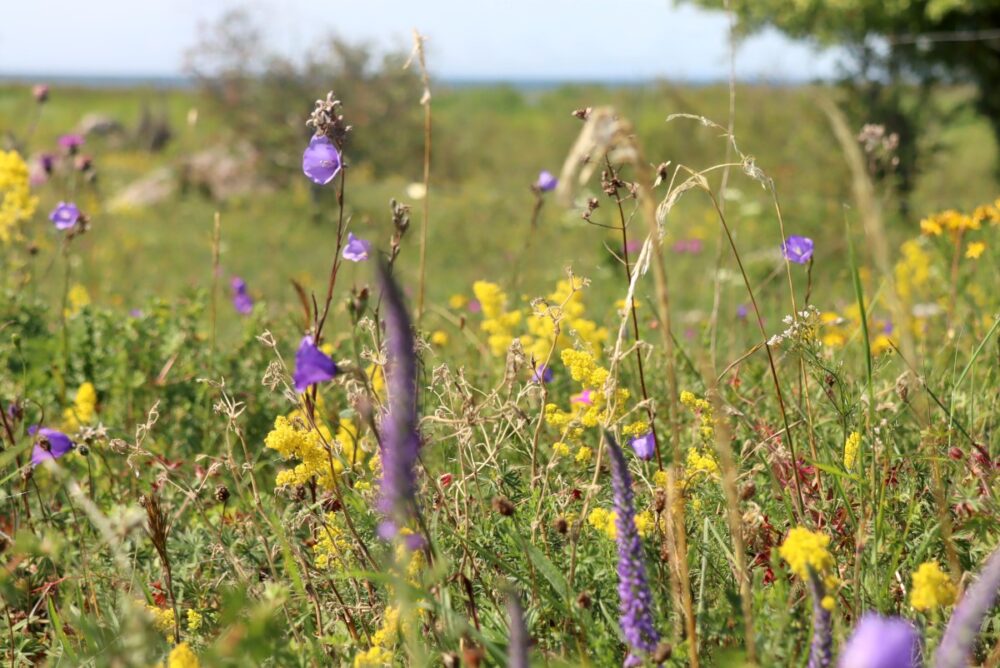
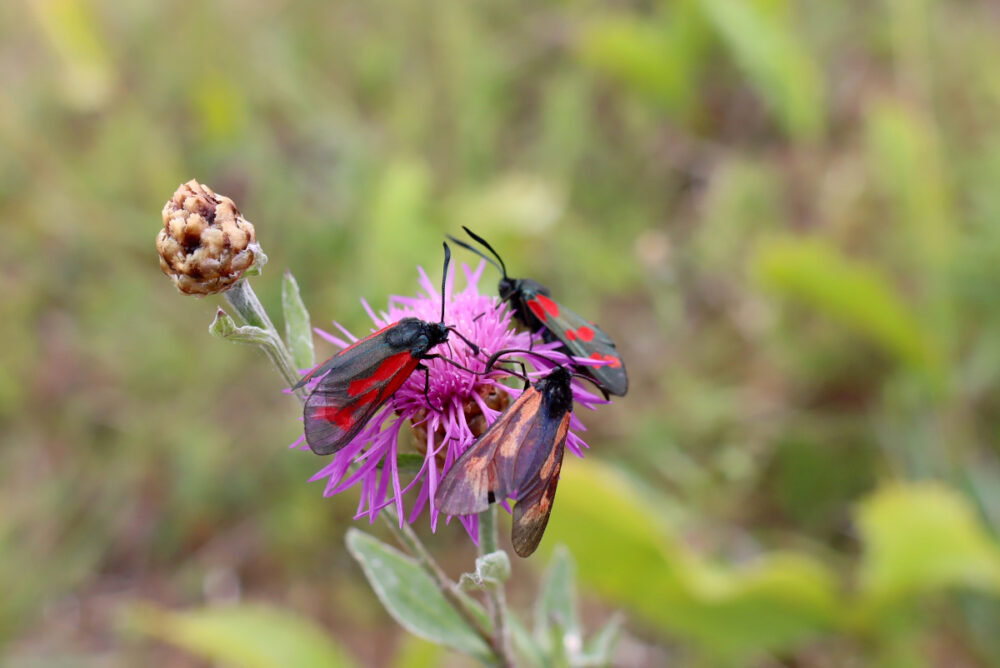
12:30 – Botanical Splendor: As we reached the southern pastures, the landscape opened into a wildflower meadow. The variety of flora was staggering—harebells, lady’s bedstraw, knapweeds, and bloody cranesbill were in full bloom. The air was alive with activity, dominated by the presence of the violet-black Argynnis butterflies, which seemed to congregate in every sunny patch of grass.
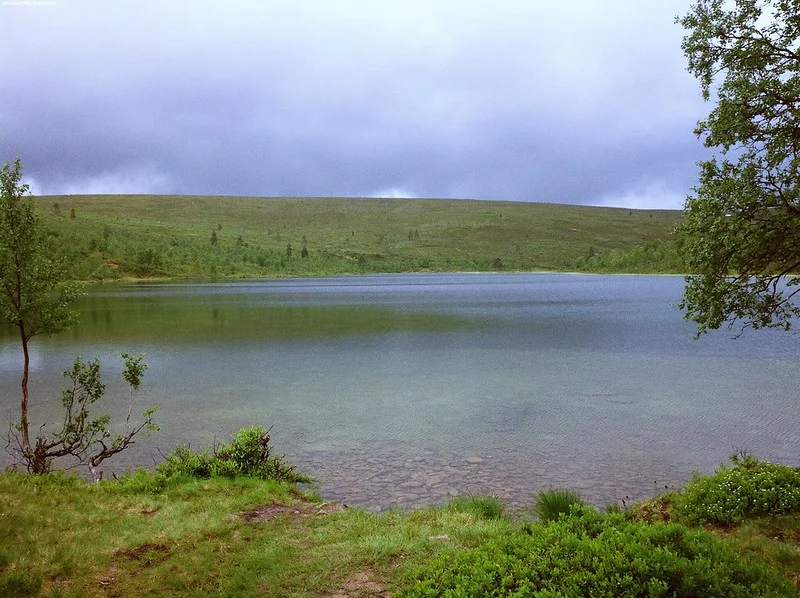
14:00 – The Crossing to Vahase: We left our bicycles at the edge of a grazing pasture to pursue a unique local experience: the wading route to the neighboring island of Vahase. This marked the highlight of the trip. At low tide, a marked trail allows visitors to cross the shallow strait by foot. The initial stretch through the reeds was tricky, with sharp stems testing our resolve, but once we reached the sandy bottom, the 300-meter trek through waist-deep water felt like a refreshing, primordial baptism under the summer sun.
16:00 – Geological Wonders: On Vahase, the terrain was different—more rugged and sparse. We focused our visit on the island’s famous glacial erratic boulders. In Estonia, these massive stones are treated with reverence, and it is a common tradition to install ladders allowing visitors to climb to the top of these geological giants, offering a panoramic view of the surrounding sea.
18:00 – The Return: After wading back to our bikes, we made a final stop at the Abruka lighthouse and explored the village museum, which chronicles the history of the local fishing industry and the challenges of island life.
Supporting Data: Biodiversity and Conservation
The conservation of Abruka is a testament to long-term environmental planning. The 1937 protection order was ahead of its time, ensuring that the unique soil and moisture conditions of the island were not compromised by industrial logging or agricultural expansion.
- Geographic Size: Approximately 8 square kilometers.
- Ecological Significance: The forest serves as a vital habitat for species typically found much further south in Europe.
- Wildlife: The island is a hotspot for lepidopterology (the study of butterflies and moths). The abundance of the Argynnis (Fritillary) species indicates a healthy, undisturbed meadow ecosystem.
- Accessibility: The island’s unique "wading" feature is dependent on seasonal water levels and tidal conditions, making it a rare, climate-sensitive tourist activity.
Official Perspectives and Local Stewardship
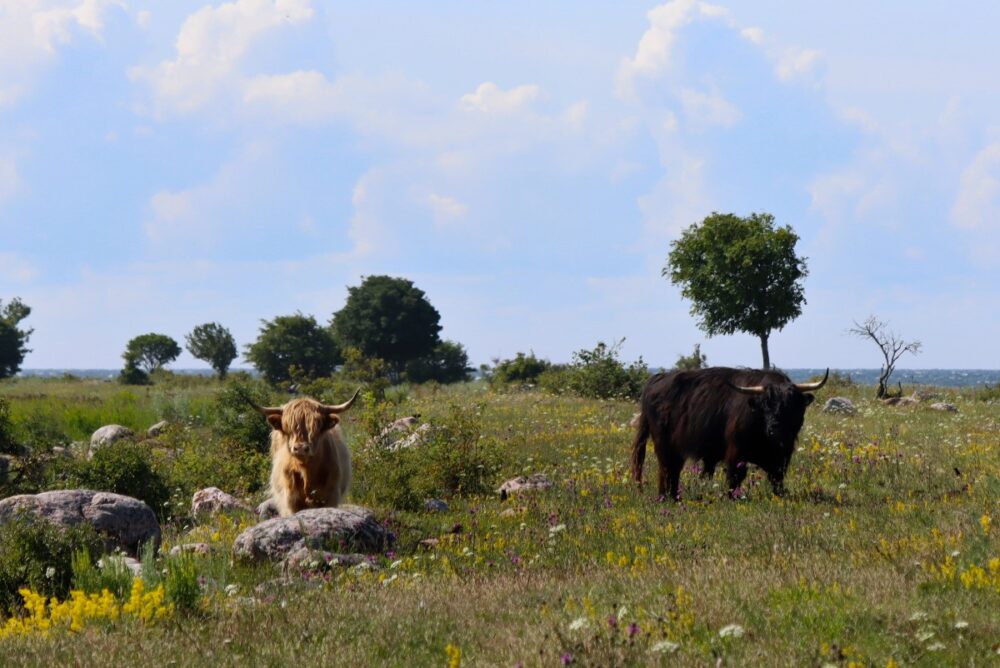
The local community on Abruka, though small, plays a critical role in the maintenance of the island’s natural beauty. By utilizing highland cattle for grazing, they naturally manage the meadows, preventing the scrub forest from overgrowing the wildflowers.
According to local records maintained at the island’s museum, the connection between the villagers and the landscape is deeply rooted in history. Fishing, once the lifeblood of the island, has transitioned into a more tourism-focused model, yet the residents remain committed to keeping the island’s "unspoiled" character intact. The existence of the museum serves as a bridge, ensuring that the legacy of the islanders—their struggles and their successes—is not lost on the visitors who come to admire the nature.
Implications: The Future of Slow Travel
The Abruka experience carries broader implications for the future of travel. As over-tourism plagues major European hubs, islands like Abruka offer a blueprint for "slow tourism."
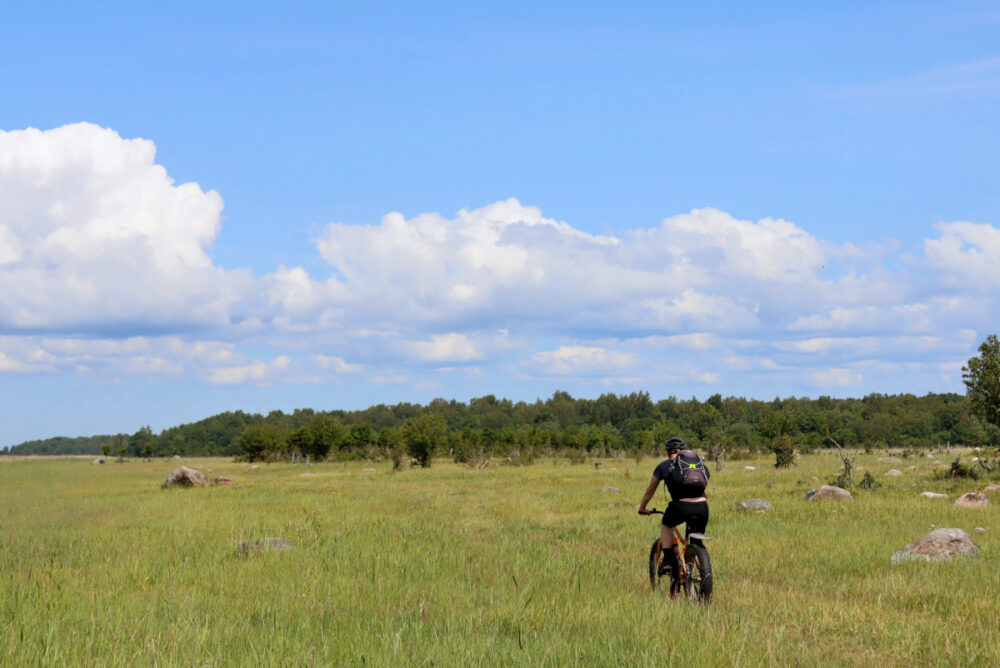
- Environmental Stewardship: By limiting access and promoting non-motorized transport (like our bicycles), the island protects its fragile ecosystem from the carbon footprint and noise pollution that threaten larger tourist areas.
- Value of Micro-Destinations: The success of the Abruka-Vahase route proves that modern travelers are increasingly seeking unique, authentic, and physically engaging experiences rather than mass-market attractions.
- The Lesson of the Boulder: The simple act of climbing a glacial erratic, made accessible by a wooden ladder, highlights the Estonian approach to heritage: nature and history are not things to be cordoned off, but things to be experienced personally and respectfully.
Conclusion
Abruka is more than just a day trip; it is a reminder that nature, when protected, can flourish in ways that offer profound rewards to the human spirit. Our time on the island felt far too short, yet it provided a necessary reset. Whether it was the silence of the linden forest, the vibrant colors of the meadow, or the literal immersion in the waters between islands, Abruka demands a return visit. For those willing to trade the noise of the city for the song of the wind in the trees, Abruka remains one of the Baltic’s most precious, hidden treasures. We left with the certainty that we would be back, perhaps for longer, to uncover the secrets we hadn’t yet reached.