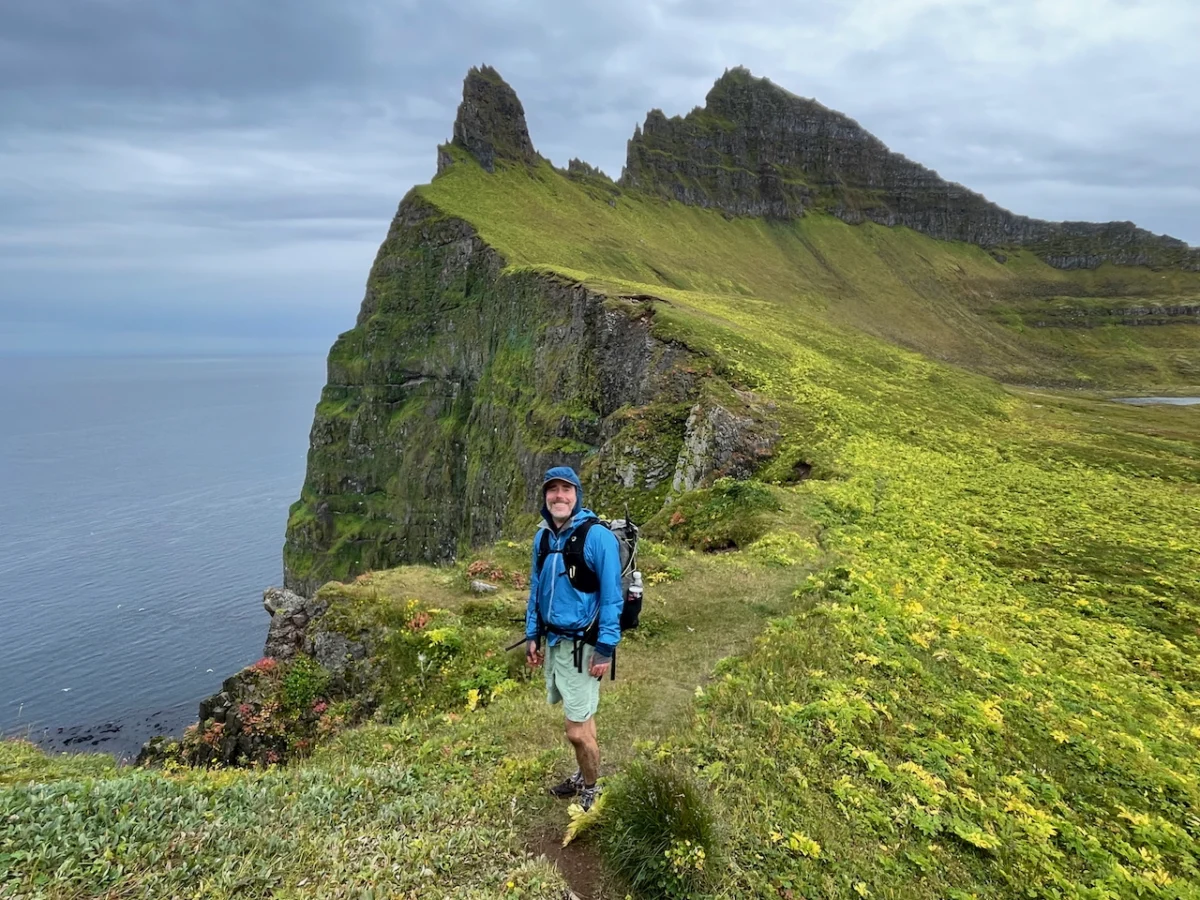
In the far northwestern reaches of Iceland, beyond the reach of the ring road and far from the bustling tourist hubs of Reykjavik, lies the Hornstrandir Peninsula. This is a land defined by absence: there are no roads, no permanent residents, and no modern infrastructure. It is a place where nature has reclaimed the landscape entirely, leaving behind only the ghosts of a hardscrabble past and a flourishing, primeval ecosystem.
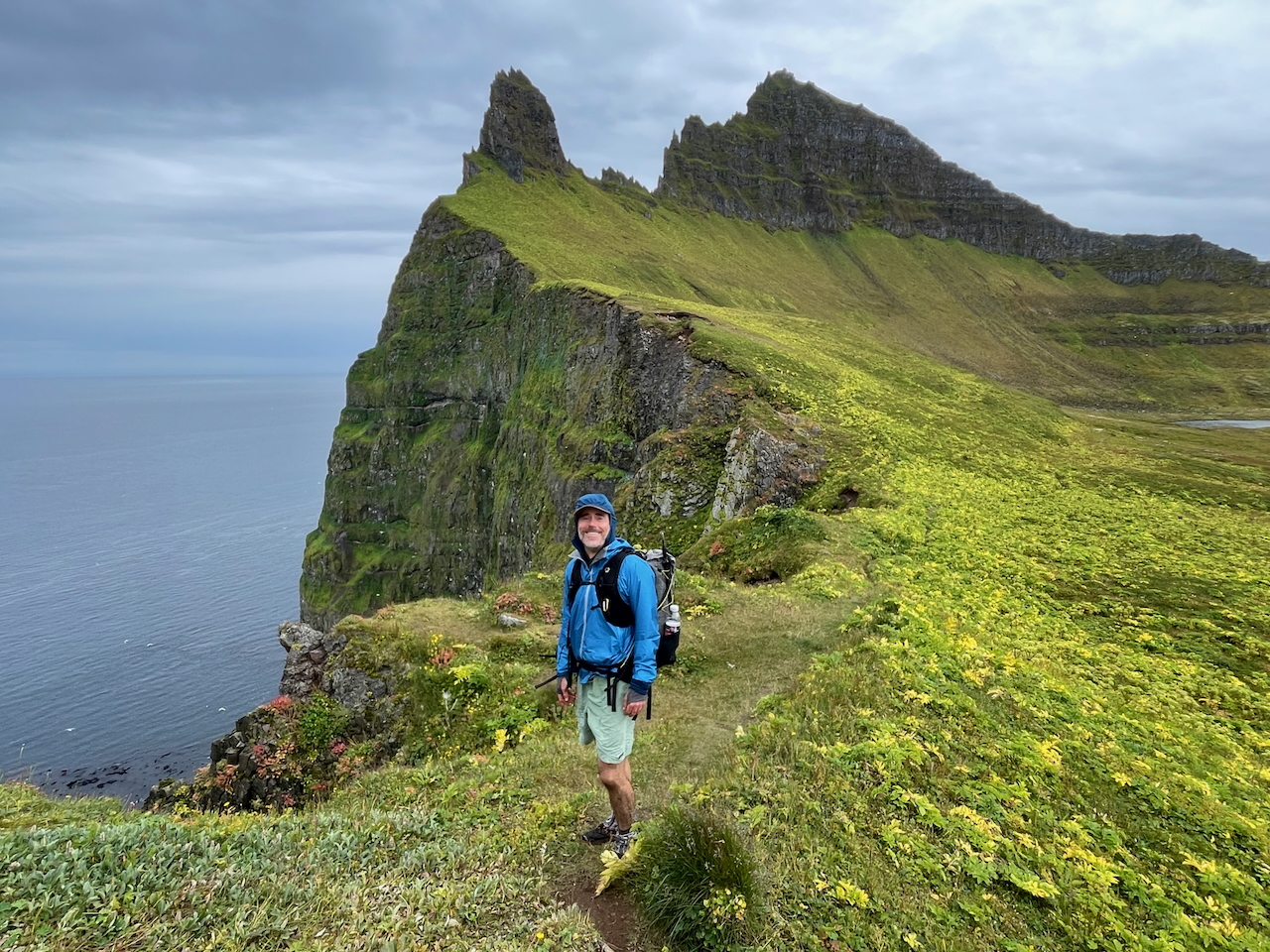
For the modern adventurer, Hornstrandir represents one of the final frontiers of European wilderness. Accessible only by boat during the brief, high-summer months, this nature reserve is a masterclass in raw, unfiltered geology. It is a region of soaring sea cliffs, desolate tundra, and unpredictable weather—a combination that keeps the masses at bay and rewards the resilient with one of the most profound hiking experiences on the planet.
The Geography of Solitude: An Overview
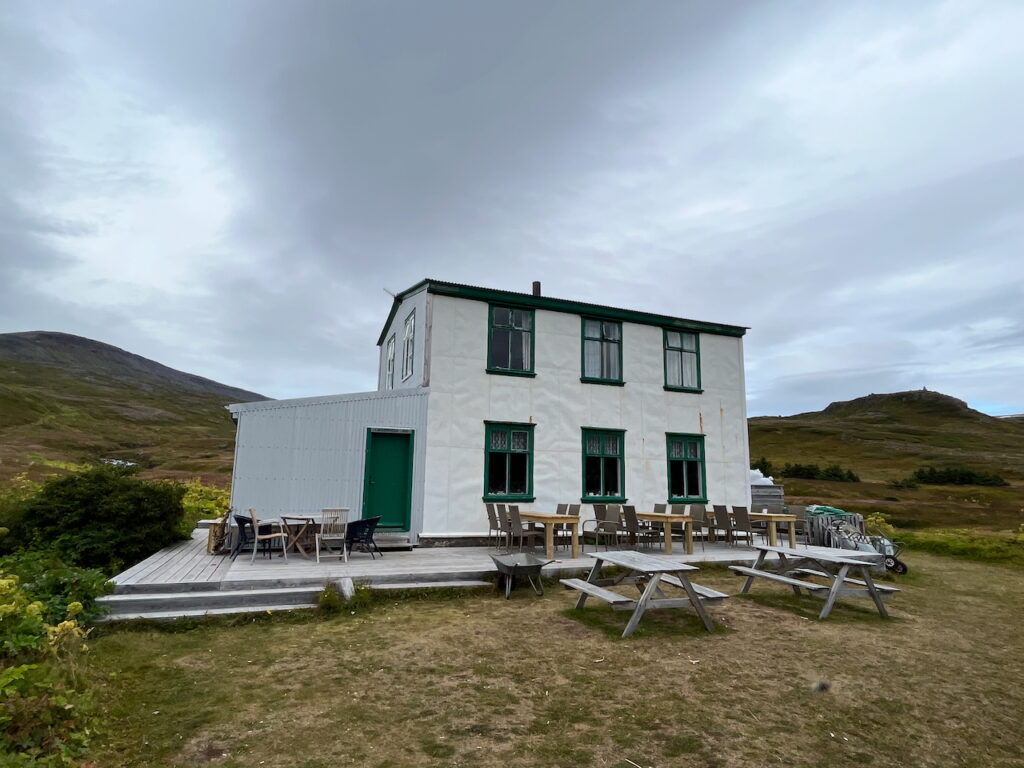
The Hornstrandir Peninsula, a protected nature reserve since 1975, covers approximately 580 square kilometers of the Westfjords. It is characterized by dramatic, jagged fjords and basaltic cliffs that plunge hundreds of meters directly into the freezing North Atlantic.
Key Vital Statistics
- Distance: Approximately 120 km (75 mi), including various coastal detours.
- Duration: 6 days of intensive trekking.
- Difficulty: Moderate to challenging (requiring navigation skills and self-sufficiency).
- Elevation Gain: 4,271 m (14,012 ft).
- Start/Finish Point: The historic settlement of Hesteyri.
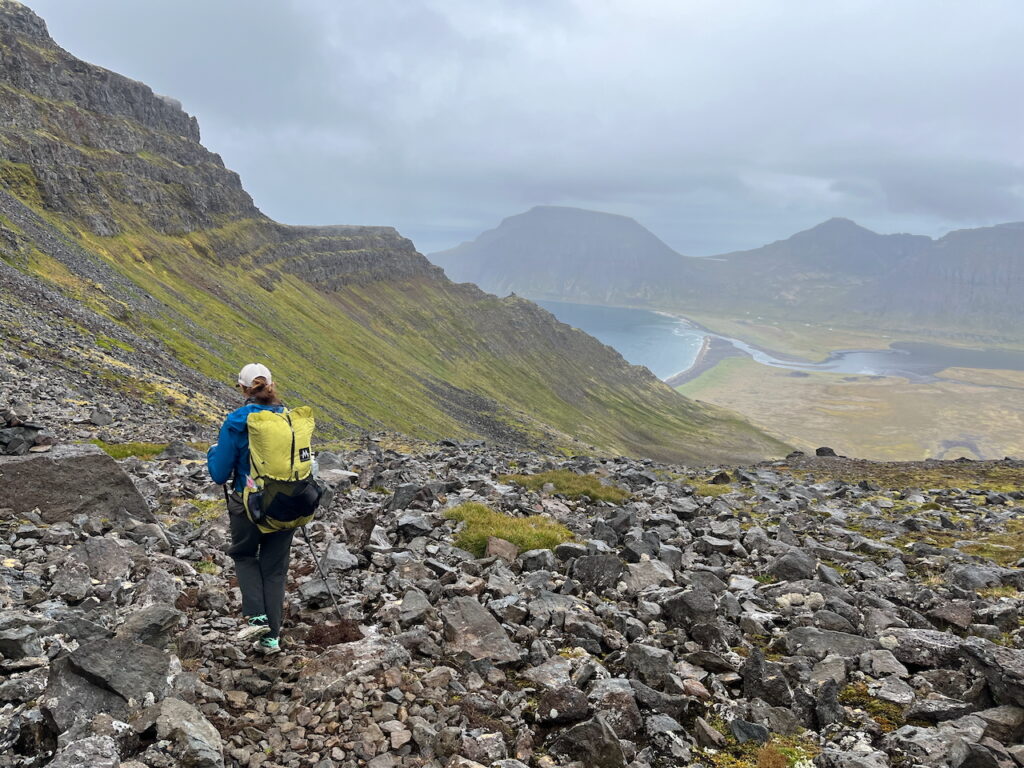
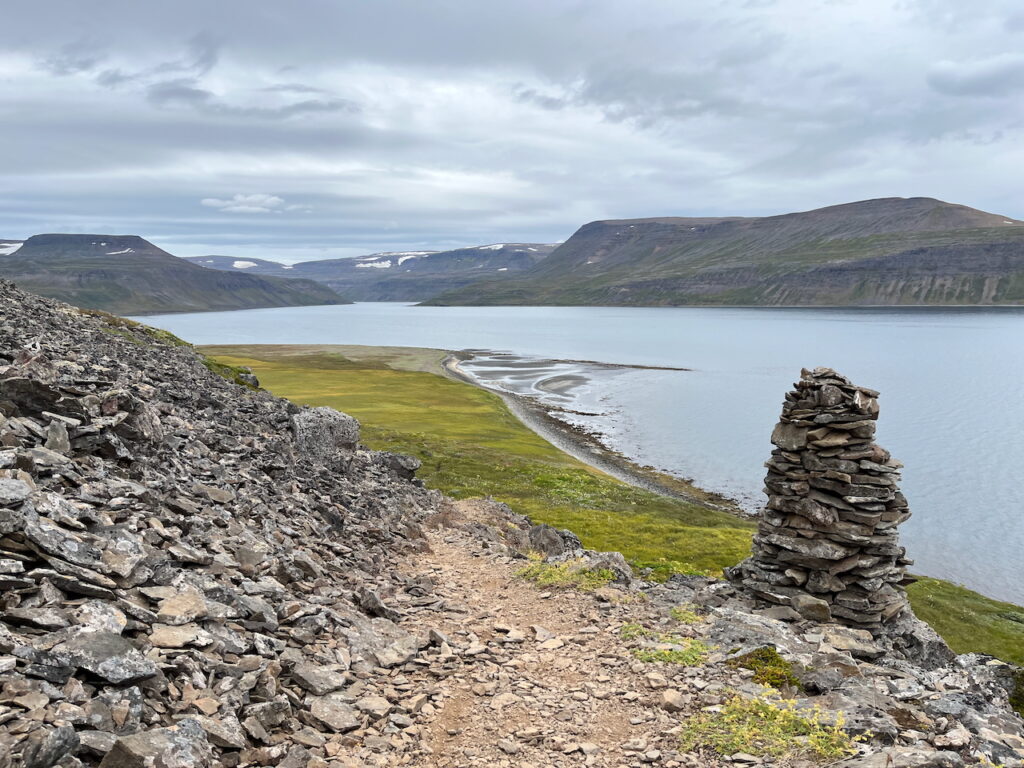
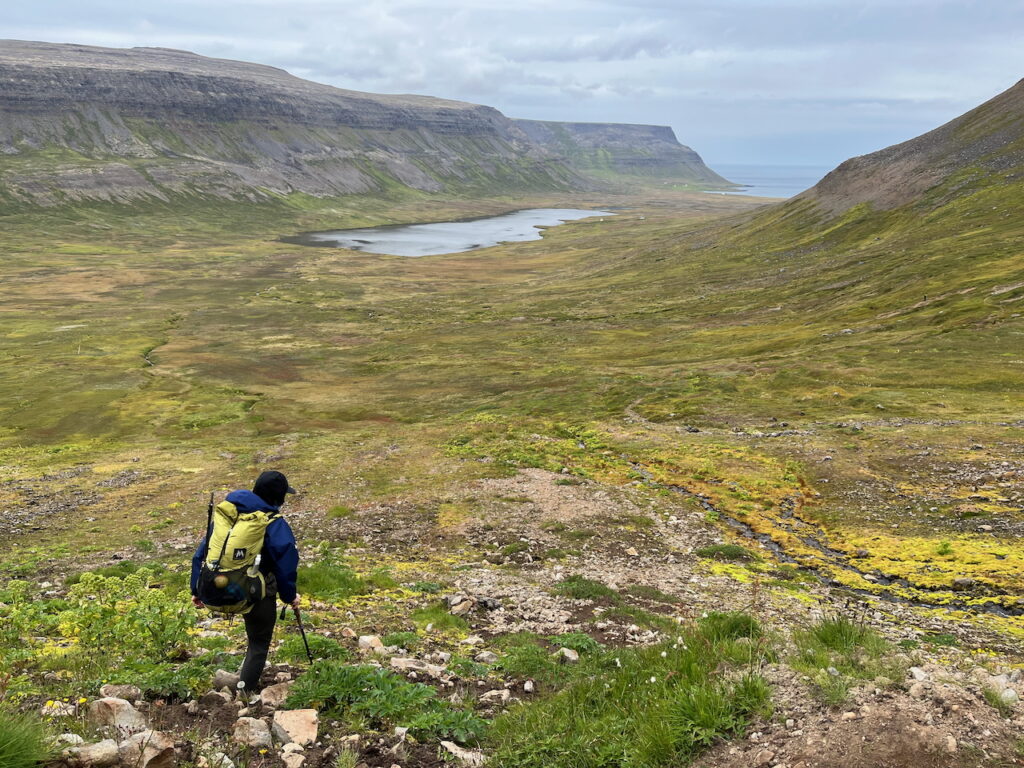
The landscape is not merely a backdrop; it is an active participant in the hiker’s journey. Travelers here must contend with everything from high mountain passes and marshy plateaus to the ever-present, swirling mists that can obscure the trail in a matter of minutes.
A Historical Retrospective: From Outpost to Wilderness
To understand Hornstrandir is to understand the resilience of those who once called it home. Until the mid-20th century, the region supported small, isolated communities reliant on fishing and farming. However, the harsh climate and the shifting global economy—specifically the collapse of the salt-fish market in the 1930s and the closure of the herring station at Hesteyri in the 1940s—made life untenable.
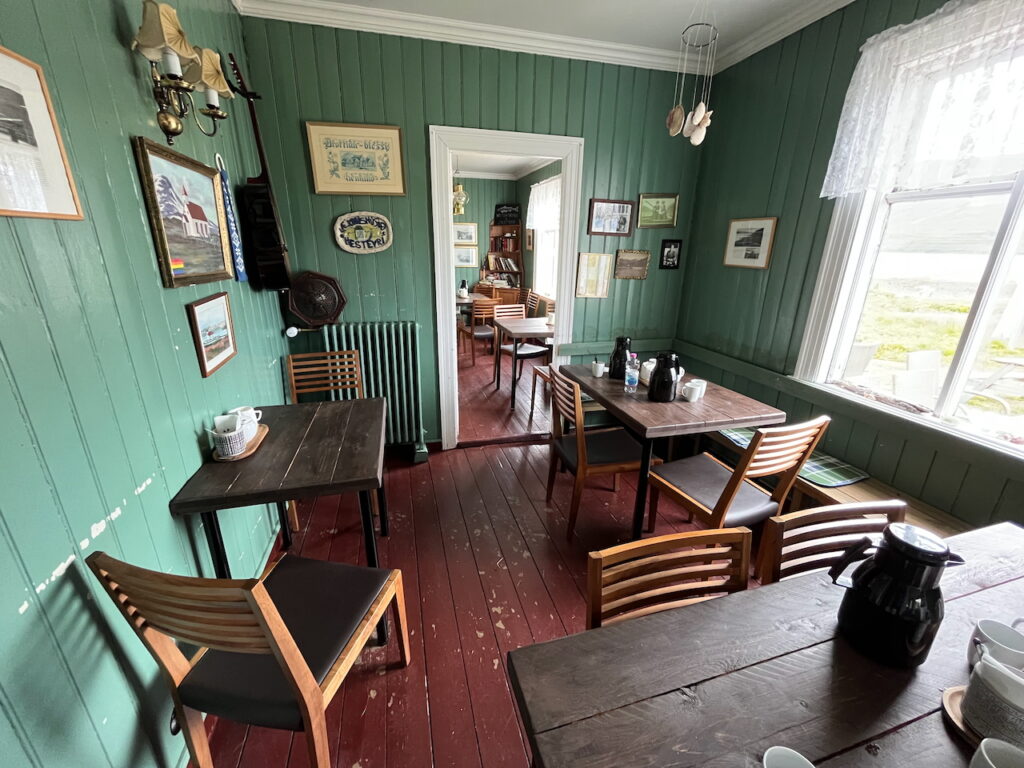
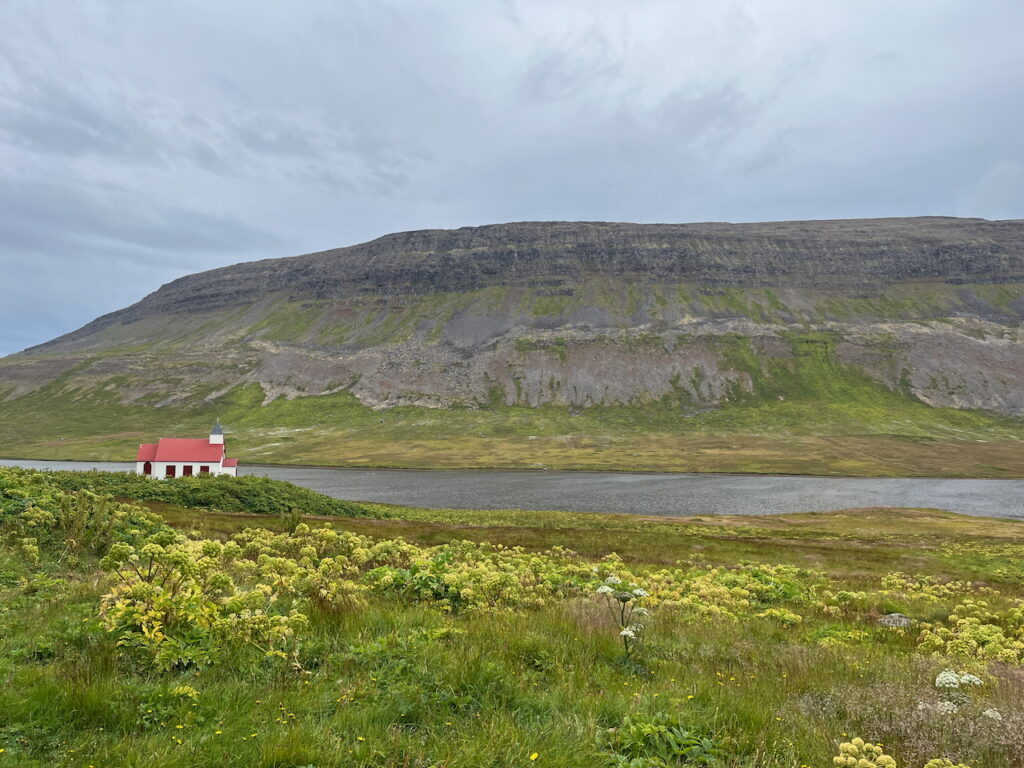
By the 1950s, the last of the permanent residents had departed. Today, the only reminders of human occupation are the well-maintained summer cottages held by descendants of the original families and the "Old Doctor’s House" in Hesteyri. This century-old structure now serves as a vital refuge for hikers, offering a warm cafe and a slice of history amidst the unforgiving wilderness.
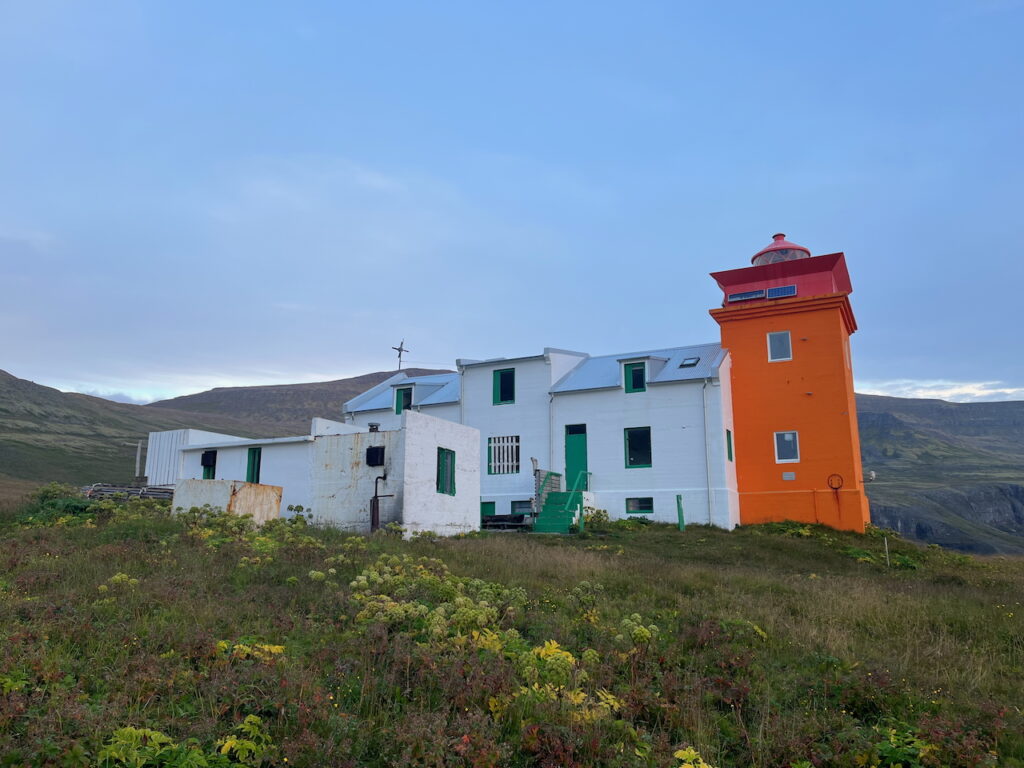
A Six-Day Odyssey: A Chronology of the Trek
A traversal of Hornstrandir is typically broken down into a multi-day itinerary that balances physical endurance with the observation of its unique biodiversity.
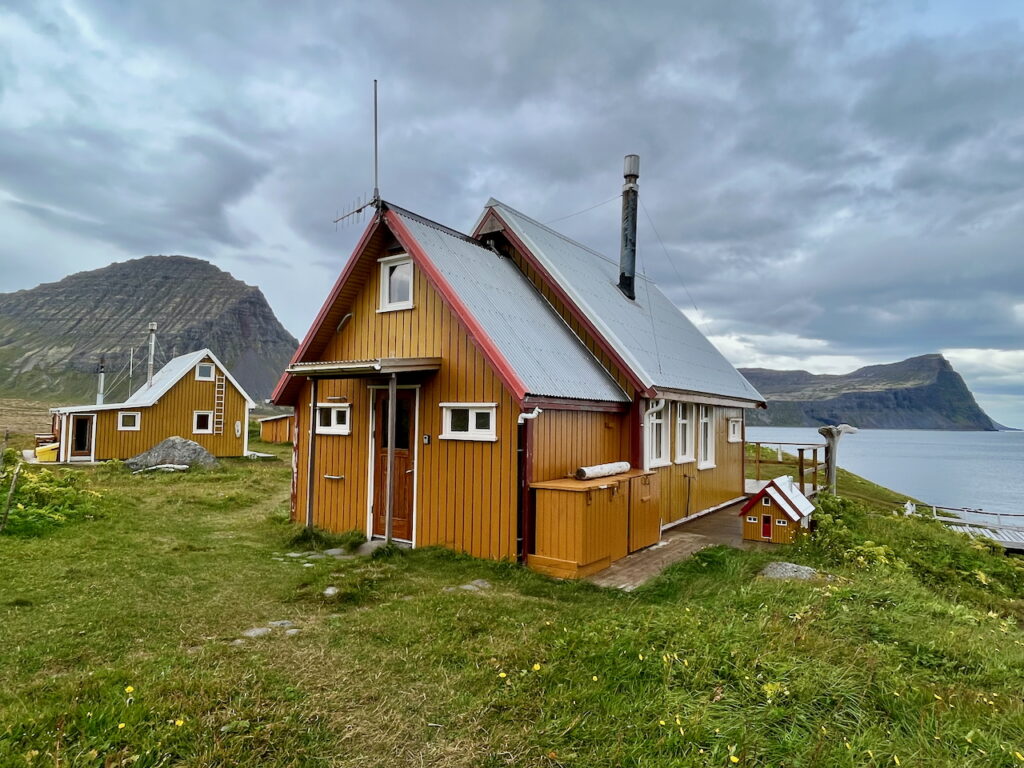
Day 1: The Departure from Hesteyri
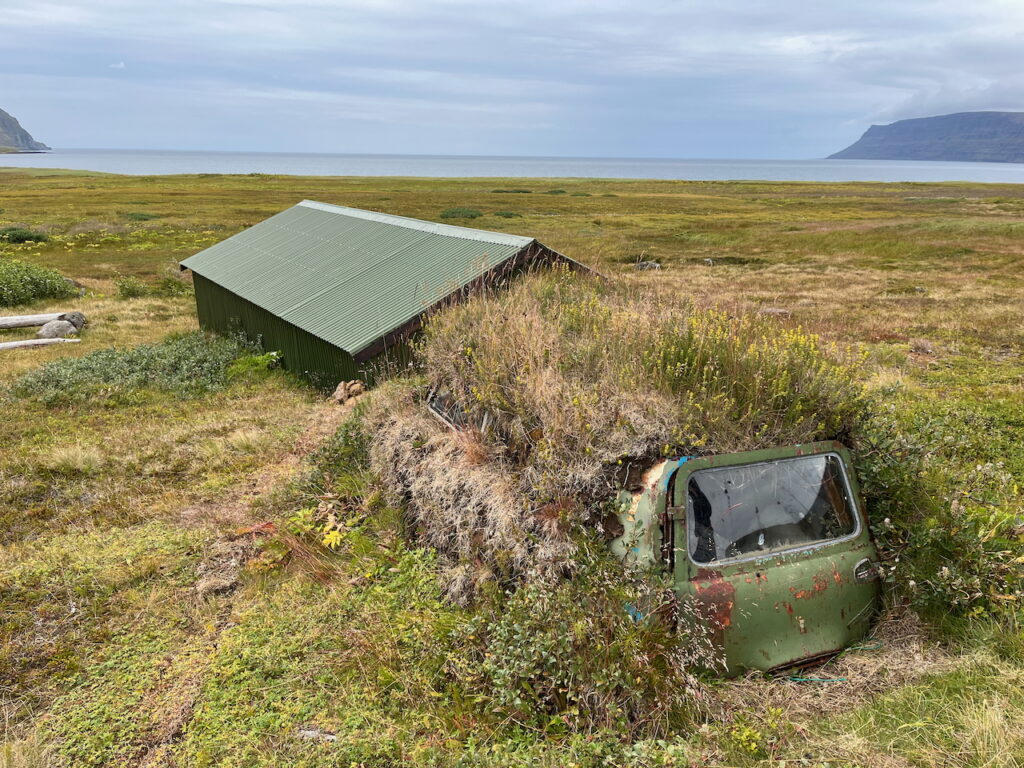
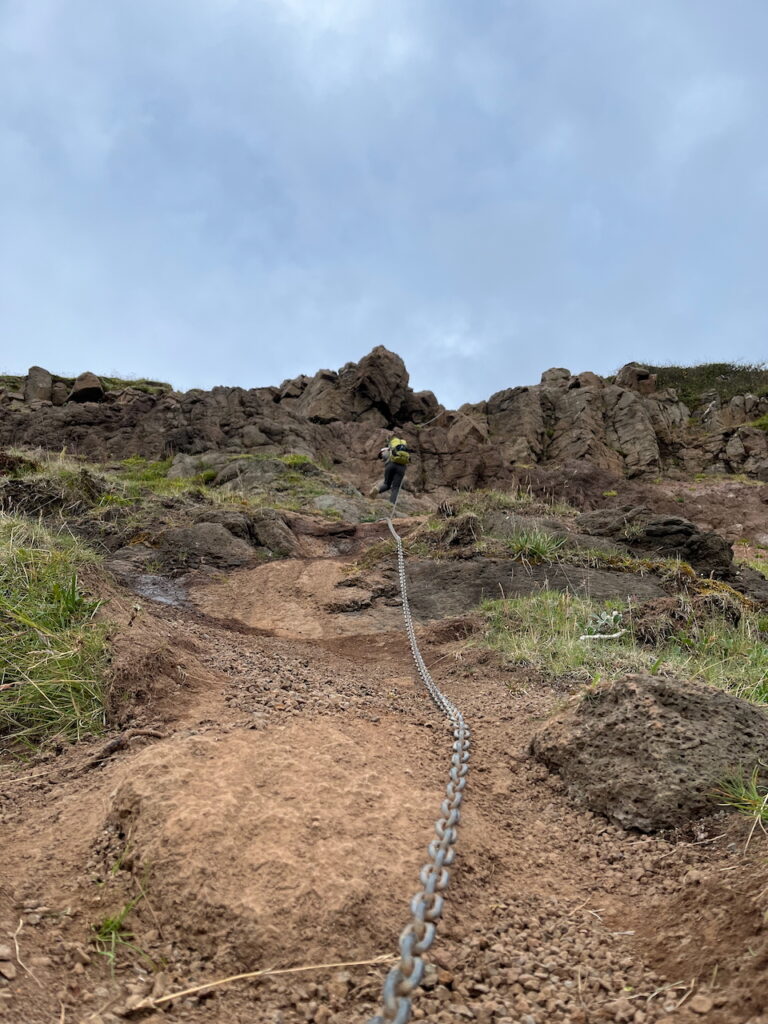
The journey begins at the Hesteyri dock, where the isolation is immediate. The path winds through the fjord, leading hikers toward the first night’s camp at Tjaldsvæði Látrum. The route is marked by relics of a bygone era, including abandoned vehicles and the skeletal remains of rural infrastructure, eventually giving way to steep climbs and the occasional technical descent involving ladder-assisted traverses.
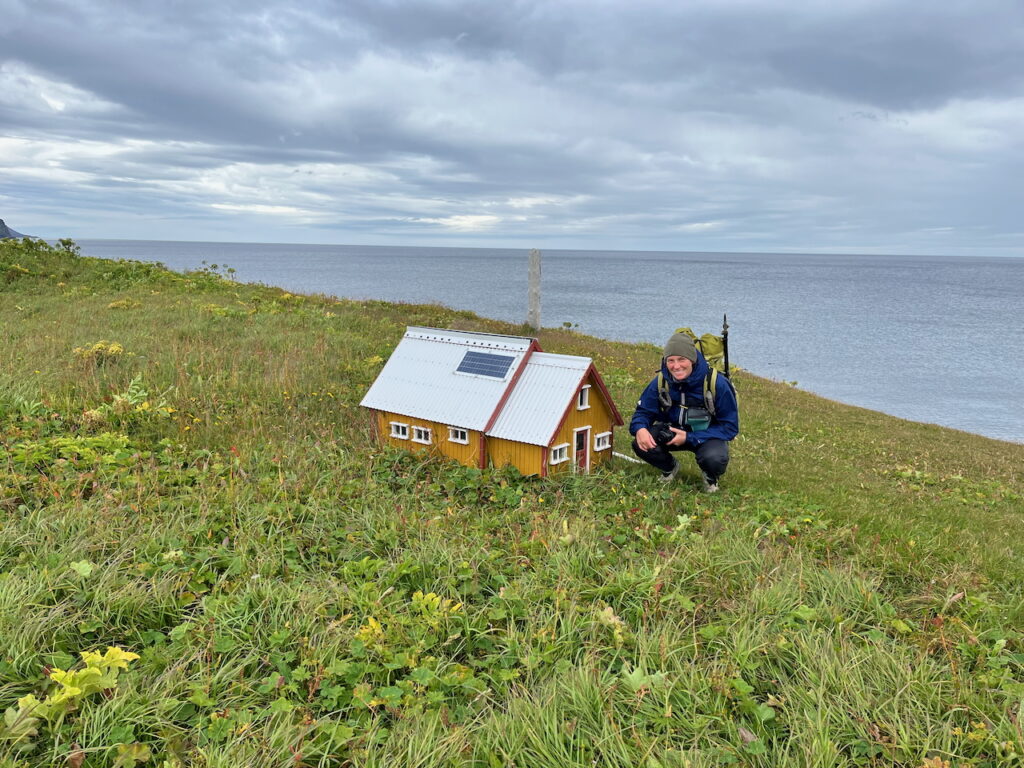
Day 2: The Plateau and the Tundra
The second day involves crossing a rocky, tarn-dotted plateau. The terrain is surprisingly diverse; hikers move from the rugged coastline into the high, desolate interior. This section highlights the peninsula’s botanical diversity, with over 260 species of vascular plants thriving in the absence of grazing livestock.
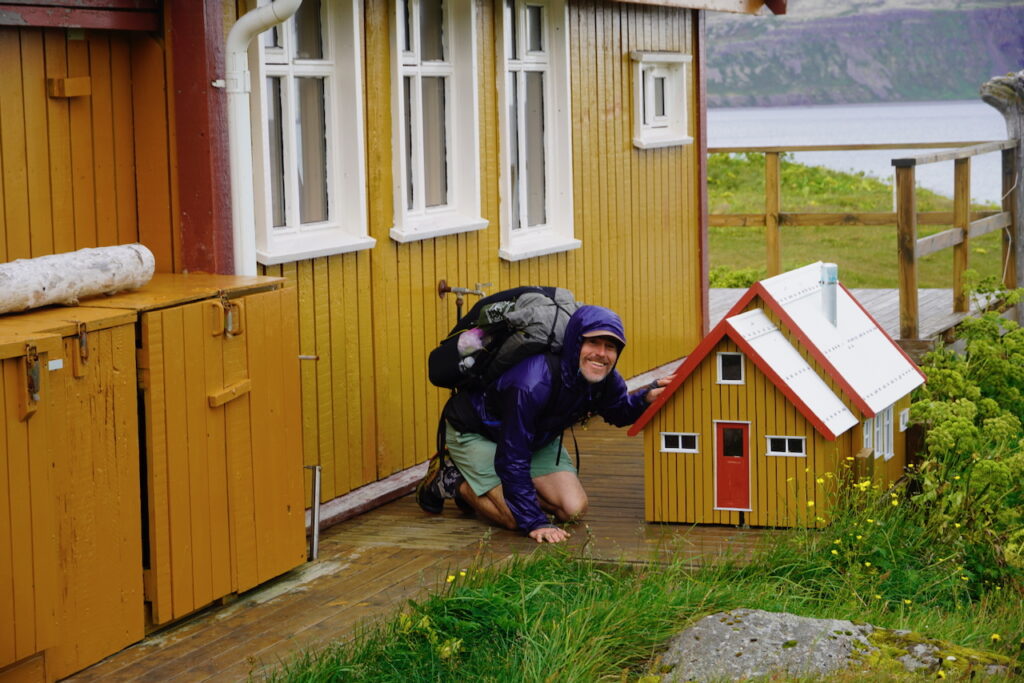
Day 3: Reaching the Black Sands
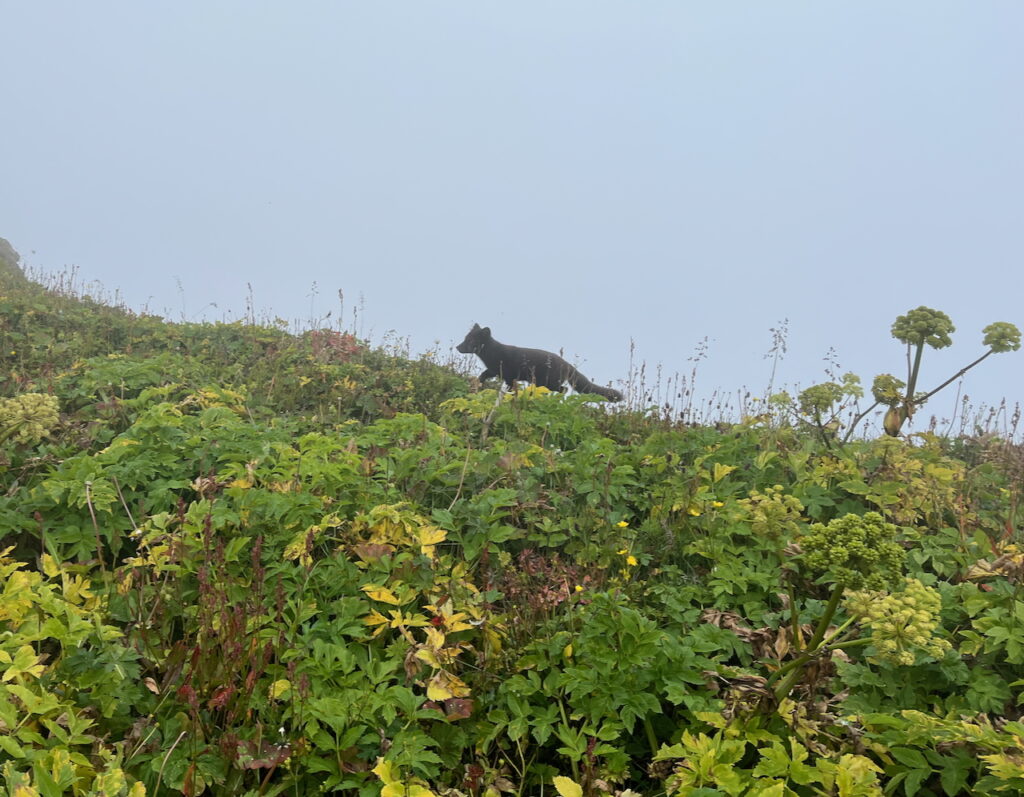
The route descends toward the coast, culminating in the striking black sands of Hornsvík. This day is defined by the proximity to the ocean and the frequent sightings of the region’s most iconic resident: the Arctic fox.
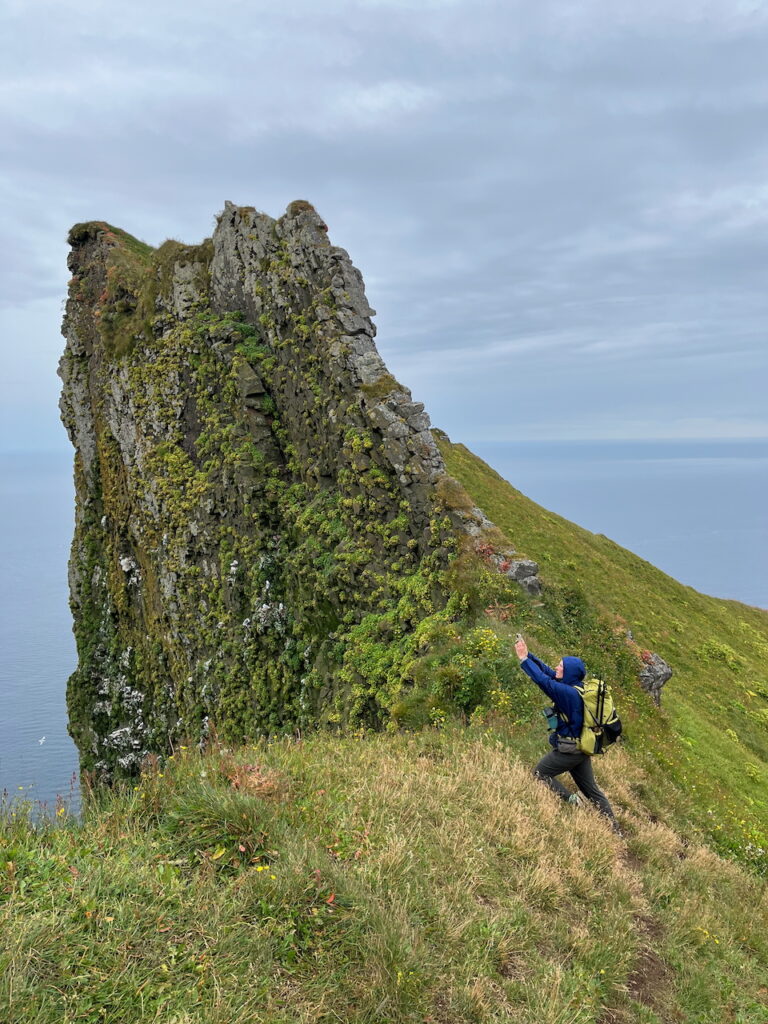
Day 4: The Giants of the Coast
The trek reaches its crescendo at the Hornbjarg cliffs. Rising over 500 meters above the sea, these cliffs are a vital breeding ground for thousands of seabirds, including puffins, guillemots, razorbills, and fulmars. The experience here is as auditory as it is visual, with the cacophony of the colonies echoing against the basalt walls.
Days 5 & 6: The Return to Civilisation
The final days involve navigating high passes like Hafnarskarð and crossing through dense, fog-laden plains. The journey concludes back in Hesteyri, where the return to the "real world" is marked by a celebratory meal at the Old Doctor’s House, often accompanied by the sight of humpback whales breaching in the fjords—a fitting farewell to this wild landscape.
Biological Significance: The Arctic Fox and Seabird Colonies
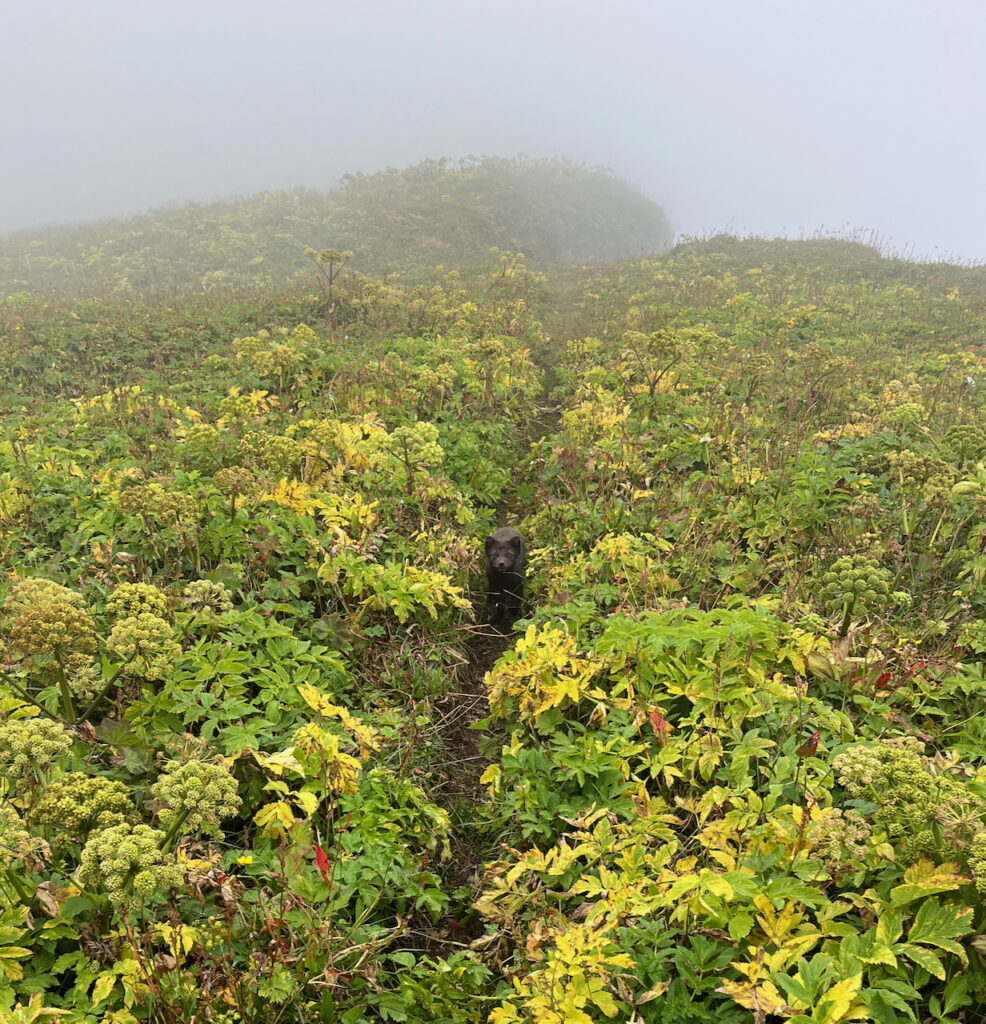
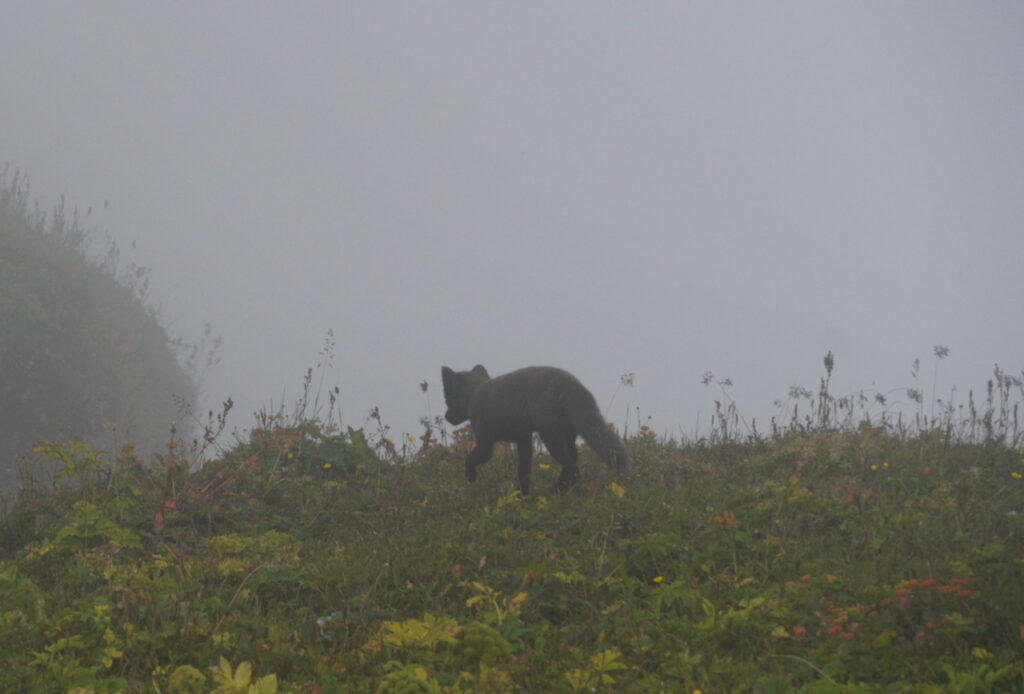
Hornstrandir is more than just a hiker’s playground; it is a sanctuary. As the only native land mammal in Iceland, the Arctic fox is the undisputed apex predator of the peninsula. Researchers and hikers alike often observe two distinct colour morphs: the "blue" morph, which is predominant in Iceland, and the rarer "white" morph.
The cliffs are equally significant. As one of the most important seabird breeding grounds in the North Atlantic, the ecosystem relies on the nutrient-rich runoff from these nesting sites. The health of these colonies is a primary indicator of the environmental stability of the region.
Practical Considerations for the Modern Explorer
Visiting Hornstrandir requires meticulous preparation. Because the region is a nature reserve with no infrastructure, hikers must be entirely self-sufficient.
- Shelter: Weather in the Westfjords is notoriously volatile. A robust, wind-resistant shelter is non-negotiable. Many experienced hikers opt for semi-freestanding or double-walled tents to manage the high humidity and gale-force winds.
- Navigation: While trails exist, they are often faint. Digital GPS tools paired with physical topographic maps are essential for navigating the mountain passes during whiteout conditions.
- Logistics: The only access is by ferry from the nearby town of Ísafjörður. Schedules are strictly weather-dependent.
The Human Impact: Responsible Tourism
The beauty of Hornstrandir lies in its emptiness. However, as global interest in "extreme" travel grows, the pressure on this fragile ecosystem increases. The Icelandic Environmental Agency mandates strict "leave no trace" policies. Every piece of equipment, every scrap of food, and every bit of waste must be accounted for. The goal is to ensure that the peninsula remains a true wilderness, rather than a destination defined by its popularity.
Conclusion: Why We Go
In a world that is increasingly mapped, tracked, and digitized, Hornstrandir offers something increasingly rare: the opportunity to be truly disconnected. Whether it is the sight of an Arctic fox emerging from the mist, the sound of thousands of seabirds on a sheer cliffside, or the quiet reflection found in a hundred-year-old cottage, the peninsula forces a change in perspective.
It is a place that does not cater to the traveler, but rather demands that the traveler adjust to it. For those willing to pack their gear, respect the elements, and embrace the silence, Hornstrandir is not just a hike—it is a reminder of what the world looks like when it is left entirely to its own devices.
Supporting Data and Resources
- Flora: The peninsula boasts a unique, undisturbed botanical profile, with an absence of invasive species common in more populated areas of Iceland.
- Fauna Protection: The Arctic fox population is strictly protected; feeding or approaching dens is illegal and detrimental to their survival.
- Official Guidance: Prospective visitors should consult the Environment Agency of Iceland (Umhverfisstofnun) for the latest trail conditions and seasonal closures before departure.
Note: The author’s journey was conducted in partnership with fellow hikers, emphasizing the necessity of safety and shared experience in remote terrains. For those interested in replicating the trip, a comprehensive gear list, focusing on weight management and weather-proofing, is recommended for any multi-day expedition in the North Atlantic.