India’s energy security is currently facing a precarious balancing act. As the nation grapples with the erratic behavior of the monsoon season and a persistent surge in electricity consumption, the fragility of its coal-dependent power infrastructure has been laid bare. Recent government data indicates that a growing number of thermal power plants are operating with critically low fuel inventories, sparking concerns about potential grid instability and power outages as the country navigates a complex intersection of climate change and supply chain constraints.
The Current State of Play: A Rapid Inventory Drawdown
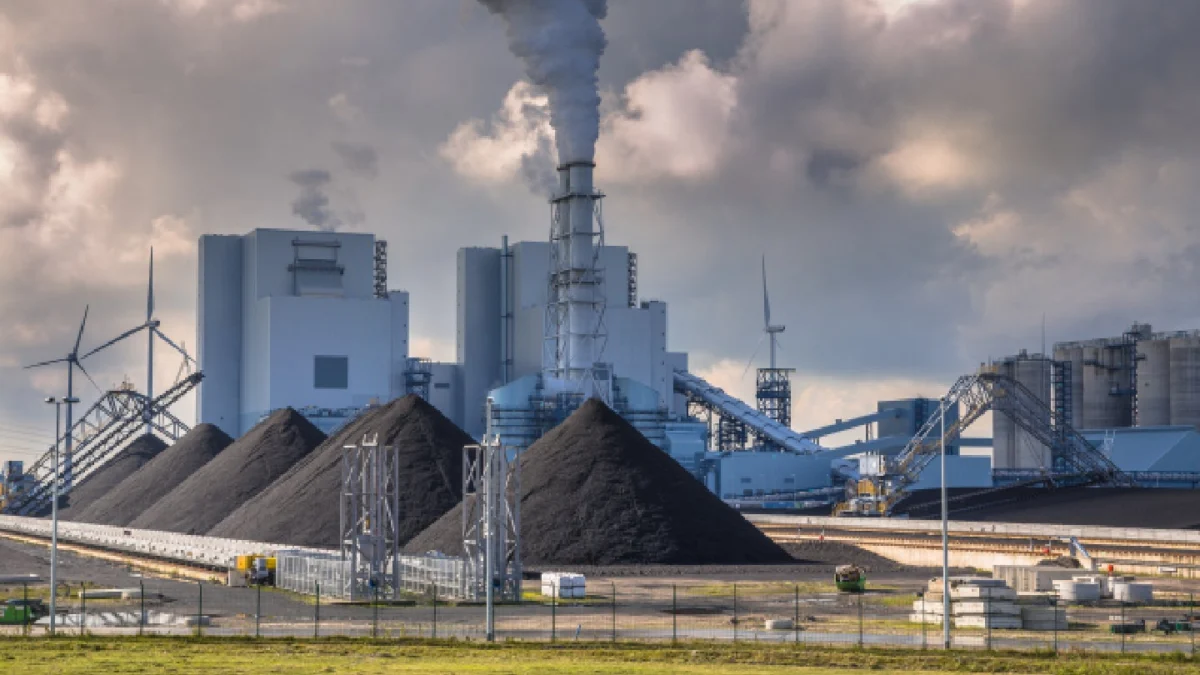
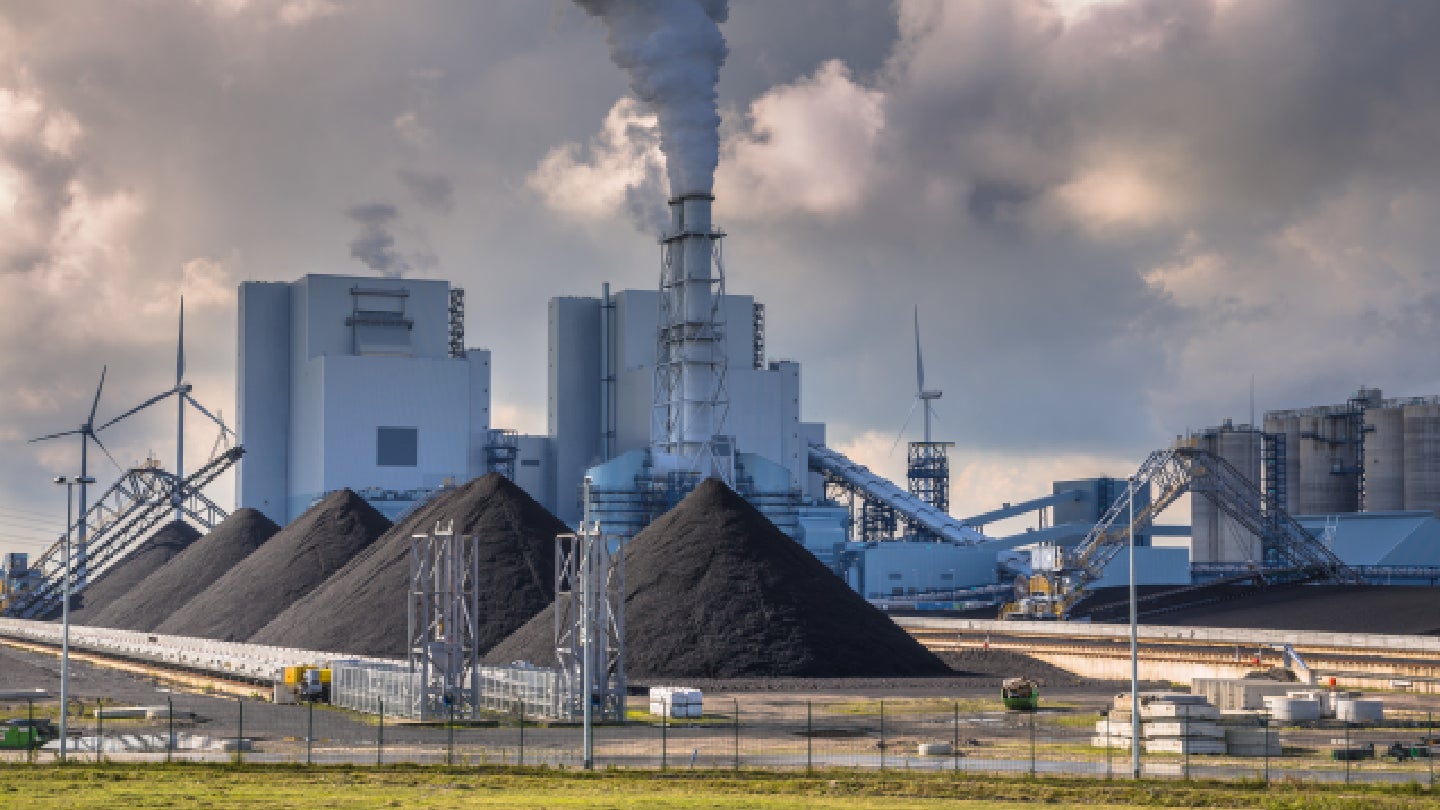
According to the latest reports from the Central Electricity Authority (CEA), the number of coal-fired power plants struggling with inadequate fuel supplies has spiked significantly. As of late August, 45 thermal power stations were identified as having "critically low" coal stocks—defined as inventory levels falling below 25% of the mandatory requirement, or having less than three days of fuel supply remaining.
This figure marks a sharp deterioration from the end of July, when 31 plants were reported to be in a similar state. The data suggests an accelerating trend of inventory depletion. Commodities consultancy BigMint has highlighted that coal stocks across India’s power sector saw a 19% reduction throughout August, leaving the national inventory at approximately 30.95 million tonnes. While this total quantity may sound substantial, it represents only about ten days of operational requirements, down from the 12-day buffer observed just one month prior.
Of the 45 plants currently in the "critical" category, 40 rely primarily on domestically sourced coal. This highlights the vulnerabilities inherent in India’s internal coal supply chain, which is currently being tested by extreme weather and logistical hurdles.
Chronology of the Crisis: From July to August
The trajectory of this energy squeeze can be traced through the recent shifts in weather patterns and logistical output:
- Late July: The inventory situation was manageable, with approximately 31 plants reporting low stocks. Coal supplies were relatively steady, and the power sector was preparing for the peak of the monsoon season.
- Early-to-Mid August: The monsoon patterns began to display significant volatility. While some regions experienced severe flooding that hampered mining operations, other areas faced a dry spell that exacerbated electricity demand.
- Mid-August: As demand for air-conditioning and irrigation rose due to the lack of consistent rainfall in certain belts, the "hand-to-mouth" nature of supply delivery became apparent. Thermal plants began consuming coal faster than the railways could deliver it.
- Late August (Present): The crisis reached a critical threshold, with 45 plants officially flagged. The government shifted its strategy, prioritizing the preservation of existing stocks and mandating the postponement of routine maintenance at power facilities to ensure continuous output.
The Dual Threat: Monsoon Disruptions and Supply Chain Fragility
The current predicament is the result of a "perfect storm" involving two primary drivers: erratic weather and logistical bottlenecks.
The Impact of Rainfall on Mining and Logistics
India’s major coal-producing states—specifically Chhattisgarh, Odisha, and Jharkhand—are currently experiencing heavy, concentrated rainfall. While the monsoon is essential for agriculture, these concentrated bursts have wreaked havoc on open-cast mining operations. Flooding in mining pits not only halts extraction but also renders haul roads impassable, preventing the movement of coal from the mines to the rail sidings.
Even when coal is extracted, the transportation network is suffering. Heavy rains have disrupted rail logistics, leading to a shortage of "rakes" (the specialized trains used to transport coal). An official from NTPC, India’s state-owned thermal power giant, noted the severity of the situation: "There is a need for five to six rakes at some plants, but we are receiving only half that number."
Weather Extremes and Rising Demand
Paradoxically, while heavy rains are slowing production in the east, the broader Indian landscape is experiencing its weakest monsoon season since 2009, with rainfall levels currently 12% below the long-term average. This meteorological anomaly has created a "double-jeopardy" scenario. The uneven distribution of rain has led to prolonged heat and humidity in various states, which has driven an unprecedented surge in electricity demand, primarily for residential and commercial cooling needs. As air conditioners run at maximum capacity, the load on the grid increases, forcing thermal plants to burn through their reserves faster than anticipated.
Official Responses and Strategic Adjustments
The Ministry of Power and the Central Electricity Authority have been active in attempting to mitigate the risks. Recognizing that a sudden depletion of stocks could lead to blackouts, the government has adopted a series of short-term remedial measures.
The most notable intervention is the directive issued to power companies to postpone scheduled maintenance cycles. Typically, power plants undergo routine maintenance during the monsoon months when the demand for electricity is expected to be lower. However, given the current supply-demand mismatch, the government has prioritized grid continuity over machinery upkeep. While this is a necessary short-term fix, experts warn that delaying maintenance could lead to larger mechanical failures or reduced plant efficiency in the long run.
Furthermore, the government is reportedly pushing for increased coordination between Coal India Limited (CIL) and the Indian Railways to prioritize the movement of coal rakes to the most vulnerable plants. There is also an increased reliance on imported coal to bridge the gap, though this remains an expensive and complex solution given global price fluctuations.
Broader Implications for India’s Energy Future
The current coal crisis serves as a stark reminder of India’s ongoing reliance on thermal power. Despite the country’s aggressive push toward renewable energy sources—such as solar and wind—coal continues to account for the vast majority of India’s electricity generation.
Economic and Industrial Consequences
For the industrial sector, the potential for power shortages creates significant economic uncertainty. Manufacturing hubs that depend on consistent, high-voltage electricity are particularly sensitive to supply disruptions. If power plants are forced to curtail generation due to lack of fuel, the resulting industrial slowdown could ripple through the economy, affecting everything from textile manufacturing to automotive production.
The Climate-Energy Paradox
The situation also highlights the paradoxical relationship between climate change and energy production. India is being forced to consume more coal to manage the cooling needs of a warming nation, even as it strives to transition to cleaner energy. The "El Niño" weather pattern, which is increasingly linked to such climate volatility, is likely to become a more frequent disruptor of India’s energy infrastructure.
The Need for Strategic Storage
Industry analysts suggest that the crisis underscores the need for more robust strategic coal reserves. Currently, many power plants operate on a just-in-time delivery model. The current situation suggests that this model is insufficient for an era characterized by climate instability. Building larger, decentralized coal stockpiles near power generation hubs could act as a buffer against future logistical failures.
Conclusion: A Test of Resilience
As India moves into the final stages of the monsoon season, the power sector remains in a state of high alert. The government’s ability to manage the logistics of coal transportation will be the deciding factor in whether the country can avoid widespread power disruptions.
While the immediate focus is on ensuring that the 45 affected plants receive the fuel they need to keep the lights on, the long-term lesson is clear: the energy transition is not merely about adding renewable capacity, but about fortifying existing infrastructure against the realities of a changing climate. As long as coal remains the backbone of the Indian power grid, the country must reconcile its supply chain strategies with the increasingly unpredictable rhythms of the environment.
The coming weeks will be critical. If the monsoon begins to recede and coal production stabilizes, the pressure on the grid may ease. However, for policymakers, the current crisis serves as an urgent wake-up call to reassess the resilience of the nation’s most vital energy assets.