Introduction: The Hidden Threat in the Forest
For many, the allure of the wilderness is found in the stillness of a forest canopy—a cathedral of pine, fir, and spruce that offers shelter and solitude. Yet, for the seasoned backpacker, that same canopy can harbor a volatile, unpredictable danger. In 1996, while trekking through a wildfire-scarred landscape north of Yellowstone National Park, I learned this lesson with visceral clarity. As a summer thunderstorm whipped through the valley, the sound of splintering timber eclipsed the rolling thunder. A massive, fire-weakened lodgepole pine crashed to the earth, striking the ground less than 20 feet behind me. The proximity of that impact—a near-miss that could have easily been a tragedy—transformed my relationship with the backcountry forever.
While drowning, falls, and lightning strikes dominate the conversation regarding wilderness safety, "hazard trees"—standing dead or structurally compromised trees—represent a low-frequency, high-consequence risk that is frequently overlooked. As we navigate the growing number of forests impacted by historical wildfires, climate-driven drought, and insect infestations, the question is no longer if trees fall, but how we can effectively assess our exposure to them.
The Chronology of Risk: A Pattern of Tragedy
The 1988 Yellowstone fires, which scorched nearly 1.4 million acres, served as a grim catalyst for the "matchstick forests" that now dominate much of the American West. These vast swaths of standing dead timber are not merely aesthetic casualties of climate change; they are physical structures in a state of slow-motion decay, waiting for the right gust of wind or heavy snow load to return to the forest floor.
The historical record provides a sobering account of the danger:
- August 2019: A thru-hiker on the Pacific Crest Trail was struck and killed by a falling tree while moving along the path, highlighting that the danger is not limited to stationary campsites.
- August 2019: A backpacker on the Colorado Trail lost her life when a tree collapsed onto her tent during the night.
- May 2021: In the White Mountain National Forest, a tragedy occurred when a hammock camper was killed after the tree supporting his hammock failed.
- August 2022: A visitor to Olympic National Park’s remote Elk Lake campsite was killed when a tree fell directly onto his occupied tent.
These events, while statistically rare, are becoming a recurring theme in incident reports. They occur across diverse environments: from the dense, humid corridors of the East to the arid, beetle-killed slopes of the Rockies and the wind-swept wilderness of the Pacific Northwest.
Supporting Data: Why Trees Fail
To manage the risk, one must first understand the pathology of a hazard tree. A tree does not fall at random; it falls due to a combination of biological decline and environmental stress.
1. The Biological Catalyst
- Root Rot and Fungal Decay: Often invisible to the naked eye, fungal infections can hollow out a tree’s root system or core, leaving it structurally unsound despite a healthy-looking exterior.
- Insect Infestation: The Mountain Pine Beetle and other pests have decimated millions of acres of Western forests. These trees often remain standing for decades, but their wood density decreases, and their structural integrity becomes compromised by rot.
- Fire Scars: Trees that survive wildfires often suffer from "basal charring." This fire damage can weaken the tree’s foundation at the soil line, making it susceptible to tipping even if the trunk itself appears solid.
2. Environmental Stressors
- Wind Loading: The primary trigger for tree failure is wind. Gusts create leverage against the crown, exerting immense pressure on a compromised root system.
- Hydrological Changes: Excessive moisture can saturate soil, reducing the "grip" of roots, while extreme drought can cause trees to become brittle, leading to "snap" failures rather than "tip" failures.
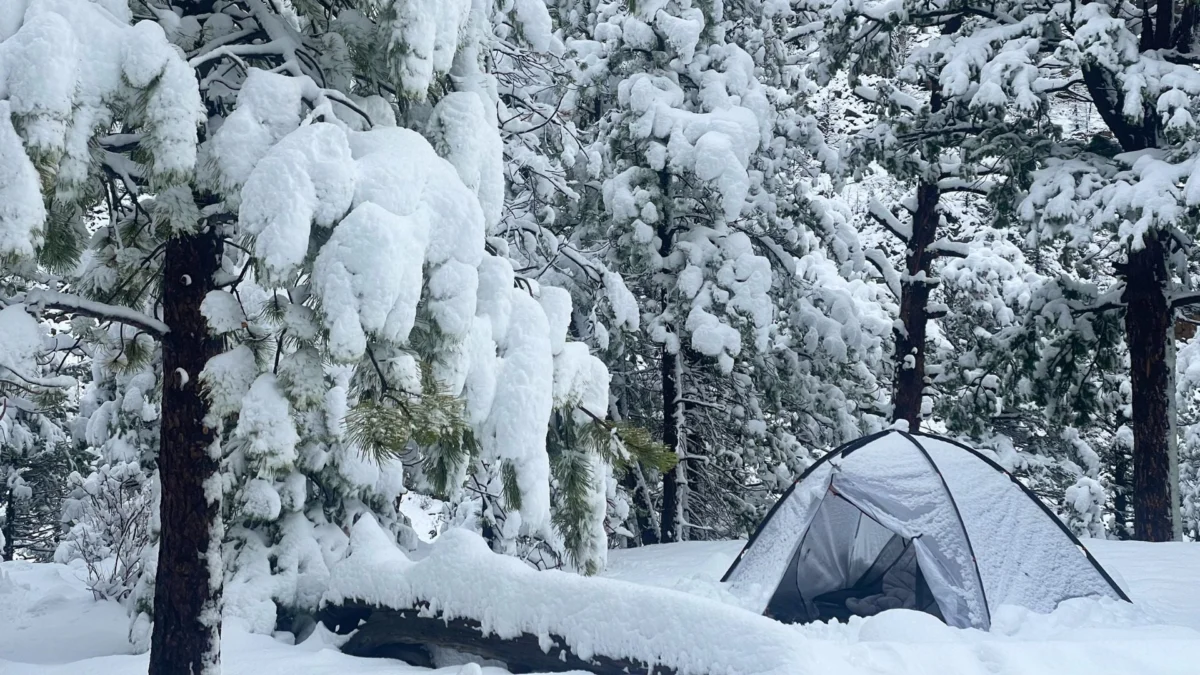
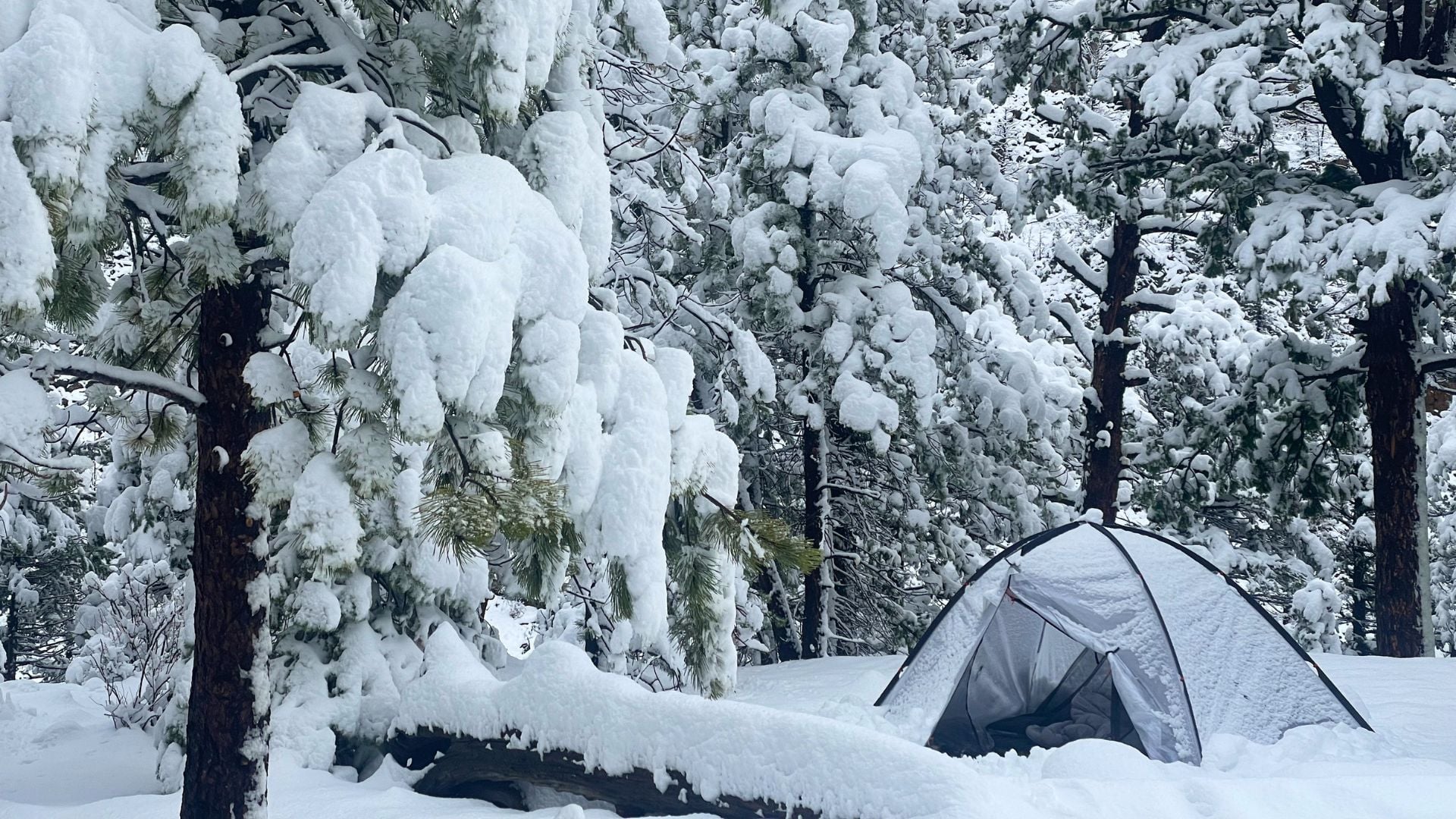
- Snow and Ice Loading: In mountainous regions, the sheer weight of a heavy, wet snowfall can snap branches (often called "widow-makers") or cause entire trunks to buckle under the load.
Official Perspectives and Risk Mitigation
The National Park Service (NPS) and the U.S. Forest Service (USFS) have long struggled with the management of hazard trees. In developed campgrounds, arborists often proactively fell dangerous trees to protect infrastructure and visitors. However, in the vast, unmaintained backcountry, the policy is largely one of "user beware."
Agencies emphasize that the wilderness is, by definition, an untamed environment. They advise hikers to utilize the "look up, look down, look around" protocol. When selecting a campsite, officials recommend:
- Avoiding the "Dead Zone": Refrain from camping under trees with dead tops, missing bark, or significant fungal growth (conks) on the trunk.
- Evaluating the Lean: Observe the lean of the tree. A tree leaning toward your site is exponentially more dangerous than one leaning away.
- Wind Awareness: If the wind is howling, the safest site is one in an open meadow or a cluster of healthy, young, flexible trees, rather than a stand of tall, dead timber.
Implications for the Modern Backpacker
The prevalence of hazard trees forces a change in how we perceive the "ideal" campsite. Many hikers prioritize privacy, shade, and proximity to water, often leading them to set up tents in the very places where tree failure is most likely—such as the edge of a forest or near riverbeds where soil is soft and root systems are shallow.
We must shift our mindset from "Is this forest beautiful?" to "Is this forest stable?" This requires a level of vigilance that many hikers find exhausting. Yet, the data suggests that the most critical moments of exposure occur during the hours of sleep. When you are inside a tent or hammock, your ability to react to the sound of a cracking trunk is essentially zero.
Strategic Risk Management
- The 360-Degree Sweep: Before pitching a tent, inspect the canopy within a 50-foot radius. Look for "hanging" branches caught in the upper limbs of other trees. These are the most common cause of non-lethal, but still traumatic, injuries.
- Monitor the Weather: High-wind events are the greatest predictor of failure. If a storm is forecasted, adjust your route to stay below the tree line or in areas with lower tree density.
- The "Hammock Trap": Hammock camping creates a unique vulnerability. You are physically tethered to the hazard. Always ensure the trees you use for your suspension system show no signs of distress or rot, and check the surrounding trees that could fall onto your setup.
Conclusion: Living with the Risk
The fear I felt in 1996 never truly vanished; it evolved into a form of active awareness. We cannot sanitize the wilderness of every potential hazard—that would destroy the very nature of the wild experience. However, we can move away from the complacency that familiarity breeds.
Falling trees remain a low-probability event, but the consequences are absolute. By acknowledging that these giants can—and do—fail, we can make informed decisions that allow us to enjoy the forest without becoming a footnote in its long, indifferent history. The next time you find yourself seeking the perfect spot to pitch your tent, take a moment to look up. The forest is speaking; it is up to us to listen to the warning signs.