In the world of ultralight backpacking, gear is often treated as disposable—a collection of items cycled through every few seasons in pursuit of shaving mere grams. However, there remains a subset of equipment that transcends the trend cycle, earning a permanent place in the kits of long-distance hikers. The Katabatic Alsek 22°F quilt is one such piece of gear. Having logged over 250 nights in the backcountry since 2018, this quilt has proven that longevity and performance are not mutually exclusive.
As Katabatic Gear launches its annual holiday sale—offering 15% off all quilts and 20% off jackets and bivys through December 2—it is an opportune time to examine why this specific piece of equipment has become a benchmark for reliability in the ultralight community.
The Main Facts: Defining the Alsek 22°F
The Alsek 22°F is designed for the hiker who demands versatility. It sits in the "Goldilocks" zone of the Katabatic lineup: it is warm enough for shoulder-season alpine excursions, yet light enough to justify carrying during extended thru-hikes where temperatures fluctuate between extremes.

- Total Weight: 23.6 oz (0.67 kg)
- Fill Weight: 15.2 oz (0.43 kg)
- Insulation: High-loft, ethically sourced down.
- Sustainability: All materials are bluesign approved and Responsible Down Standard (RDS) certified, ensuring that the supply chain meets rigorous environmental and ethical standards.
The primary appeal of the Alsek lies in its construction. Unlike standard sleeping bags, which can be restrictive, the Alsek offers the freedom of a quilt while utilizing a proprietary attachment system that eliminates the "drafty" sensation often associated with non-enclosed systems.
A Chronology of Use: From Scotland to the Brooks Range
The pedigree of the Alsek is best understood through its history in the field. Since its acquisition in 2018, it has been a constant companion across diverse and punishing environments.
The timeline of its use serves as a stress test for its materials and design:

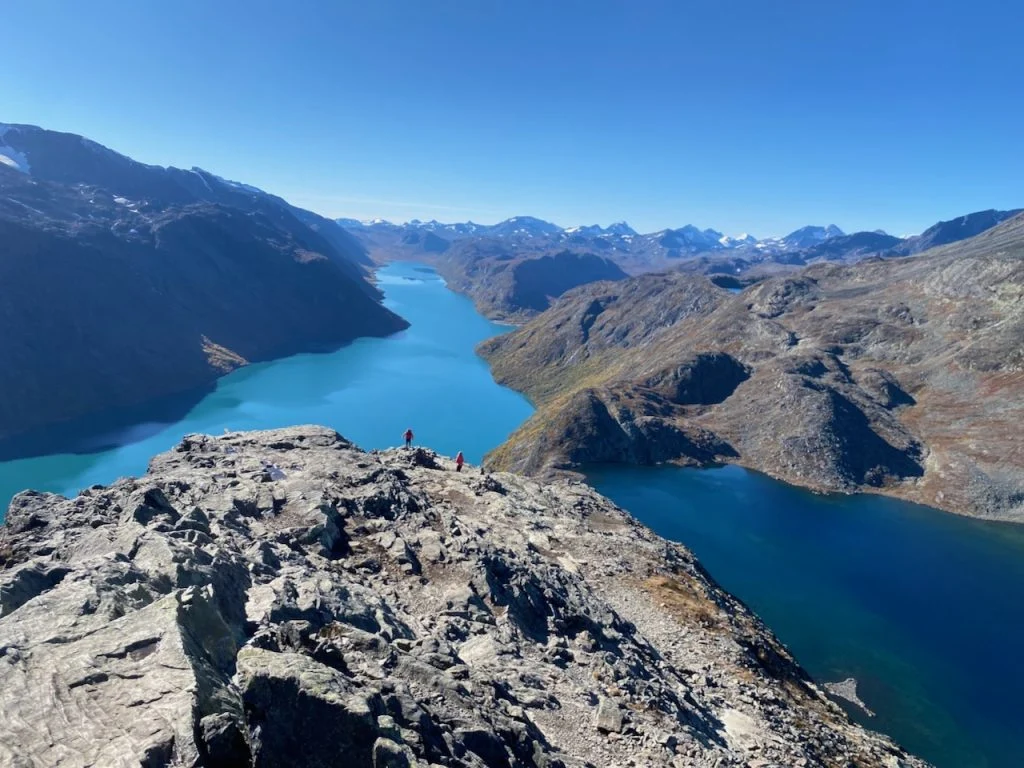
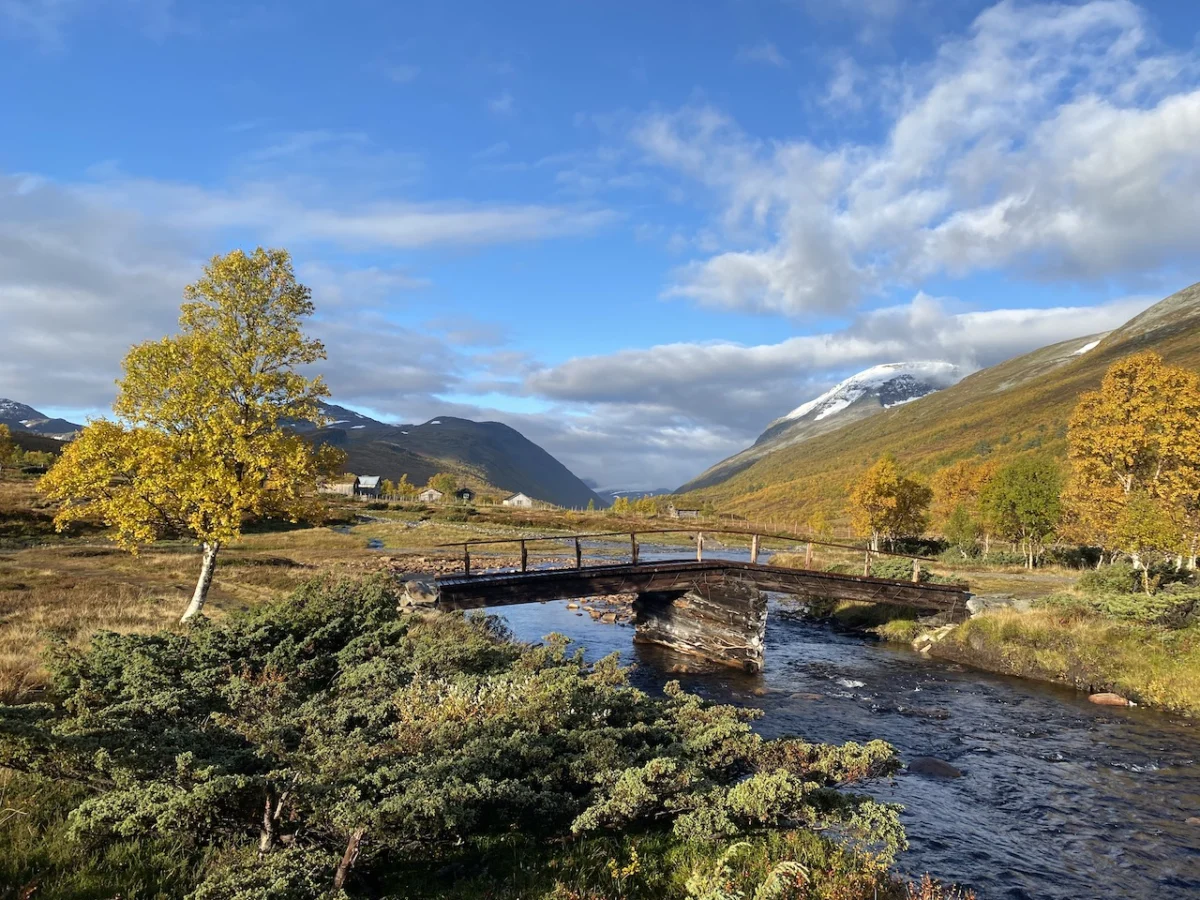
- 2018: Initial testing took place during the rugged Cape Wrath Trail in the Scottish Highlands and the demanding terrain of Norway’s Lofoten Islands.
- 2019: The quilt saw extensive use in the Dolomites and the high-altitude trails of the Austrian and Slovenian Alps.
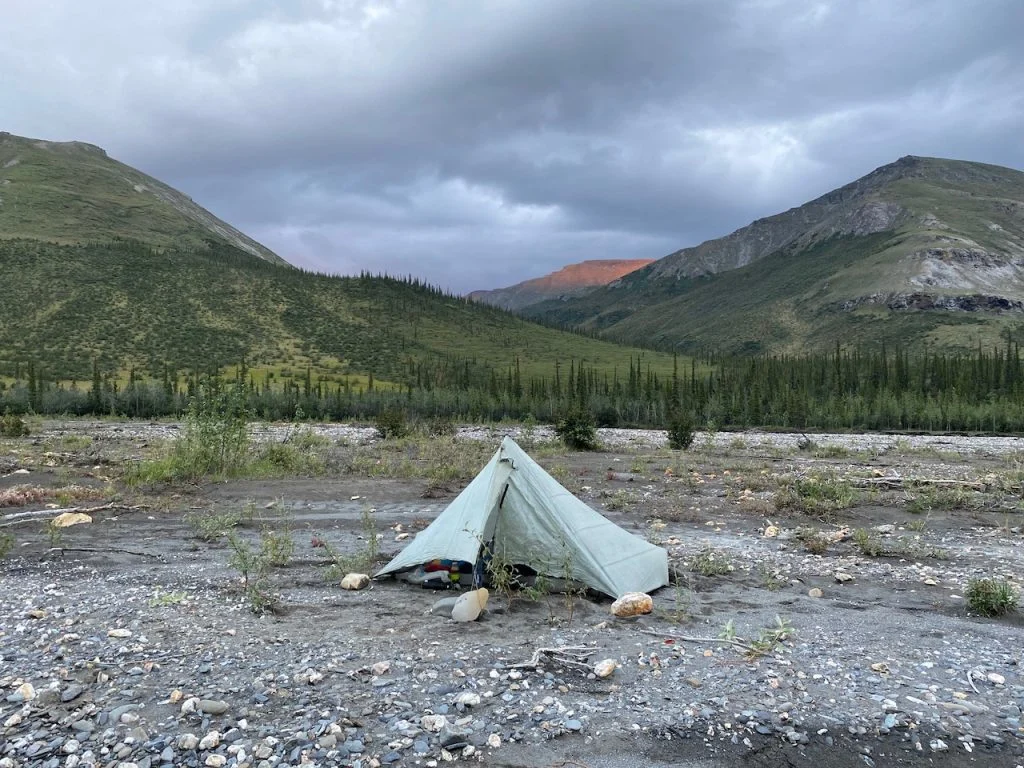
- 2021: A rigorous 15-day expedition through Alaska’s Brooks Range and Denali National Park pushed the quilt to its limit, with temperatures bottoming out at 19°F (-7°C).
- 2023: A traverse of Iceland, including the Hornstrandir Peninsula, tested the quilt’s ability to handle high humidity and sub-freezing evening temperatures.
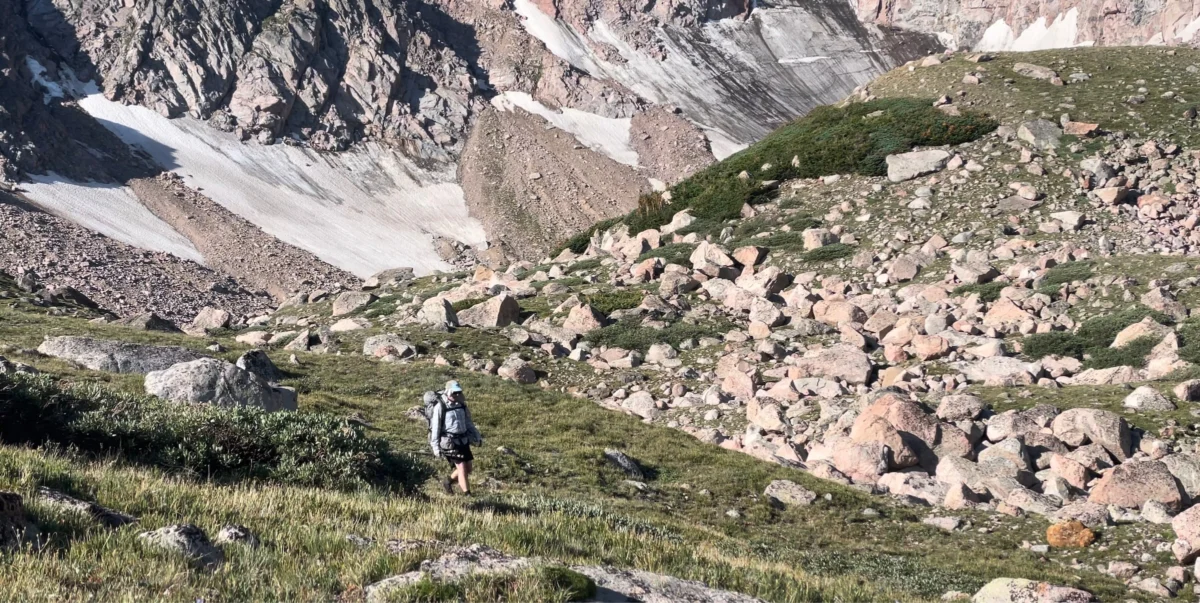
- 2024: Most recently, the Alsek was utilized during a 300-mile traverse of Washington’s Olympic Peninsula, specifically through the glacier-heavy Bailey Range.
Across these 250+ nights, the Alsek has not merely survived; it has thrived. Its ability to retain loft after years of compression and environmental exposure speaks volumes about the quality of the down and the integrity of the shell fabric.
Supporting Data: Engineering and Design Philosophy
The efficacy of a quilt is determined by its ability to trap heat while remaining adjustable to the user’s movement. Katabatic Gear’s design philosophy focuses on two critical elements: the cord system and the webbing strap architecture.
The Attachment System
The Alsek utilizes dual cords that wrap around the sleeping pad, clipping at shoulder and hip levels. These clips offer two distinct modes: a "loose" mode for warmer nights that allows for ventilation, and a "tight" mode that locks the quilt against the pad, preventing cold air from seeping in when the mercury drops.

Webbing Straps
The system features three webbing straps: two removable top straps and one fixed bottom strap. Unlike designs that wrap entirely around the pad, these straps remain underneath the sleeper. This unobtrusive design ensures that the hiker can roll and move without the quilt twisting or shifting, a common frustration with lesser quilt designs.
Official Perspectives and Industry Context
When discussing high-end quilts, Katabatic Gear is frequently placed in the same category as industry titans like Western Mountaineering or Nunatak. The distinction lies in the balance between weight and thermal efficiency.
From an industry standpoint, the "value" of a piece of gear is often calculated by dividing the cost by the number of nights in the field. By this metric, the Alsek is exceptionally cost-effective. While the upfront investment is significant, the fact that previous Katabatic models—such as the Palisade 30°F and Sawatch 15°F—have exceeded 900 nights of use over 14 years suggests that the Alsek is an investment in a decade of comfort rather than a single season of use.

Implications for the Modern Backpacker
The rise of the quilt-based sleeping system has fundamentally changed how we approach long-distance trekking. By removing the hood and back-panel insulation of a traditional mummy bag, hikers can reduce pack weight without sacrificing the safety margin provided by a 22°F rating.
Why Choose the Alsek?
For the hiker who is unsure whether to invest in a collection of specialty bags, the Alsek offers a "one-quilt-to-rule-them-all" solution. It is the perfect bridge for those transitioning from traditional gear to ultralight setups. Its versatility allows it to function in a wide array of climates, effectively replacing the need for multiple specialized bags.
The "Goldilocks" Verdict
The Alsek is not just a piece of equipment; it is a reliable tool. Whether you are navigating the glacier-encircled valleys of the Olympic National Park or camping in a winterraum in the Austrian Alps, the confidence provided by a piece of gear that "never misses a beat" is invaluable.

As the outdoor industry continues to innovate, the Alsek remains a testament to the idea that simplicity, when executed with high-quality materials and thoughtful engineering, remains the ultimate sophistication. For those looking to upgrade their kit before the upcoming season, the current holiday sale presents a rare opportunity to acquire professional-grade gear that is built to endure the long haul.
Disclosure: The Alsek 22 (900 fp Expedry) was provided free of charge for field evaluation. The opinions expressed herein are entirely independent. This article contains affiliate links, which support the continued production of high-quality backpacking resources.