Executive Summary: A Strategic Energy Pivot
The government of Kazakhstan has officially sanctioned a landmark investment agreement with Kurchatov GRES to construct a state-of-the-art 700MW condensing power plant in the Abai Region. The project, valued at approximately $1.93bn (KZT881bn), represents a cornerstone of the nation’s long-term energy strategy. Signed into effect by Prime Minister Olzhas Bektenov, the facility is poised to modernize the country’s industrial power grid while anchoring the scientific and technological future of the city of Kurchatov.
The plant is designed to utilize advanced steam-power technology, integrating high-pressure, high-temperature operations with modern clean-coal systems. Beyond immediate power generation, the project is a critical component of President Kassym-Jomart Tokayev’s directive to modernize Kazakhstan’s aging power infrastructure and provide the stability required for the nation’s burgeoning scientific and industrial sectors.
The Core Project: Technical Specifications and Infrastructure
The Kurchatov GRES facility is set to be a twin-unit powerhouse, featuring two distinct 350MW power units. This modular approach is designed to allow for a staggered commissioning process, ensuring that the local grid can integrate the new capacity incrementally without destabilizing existing supply networks.
Engineering for the Future
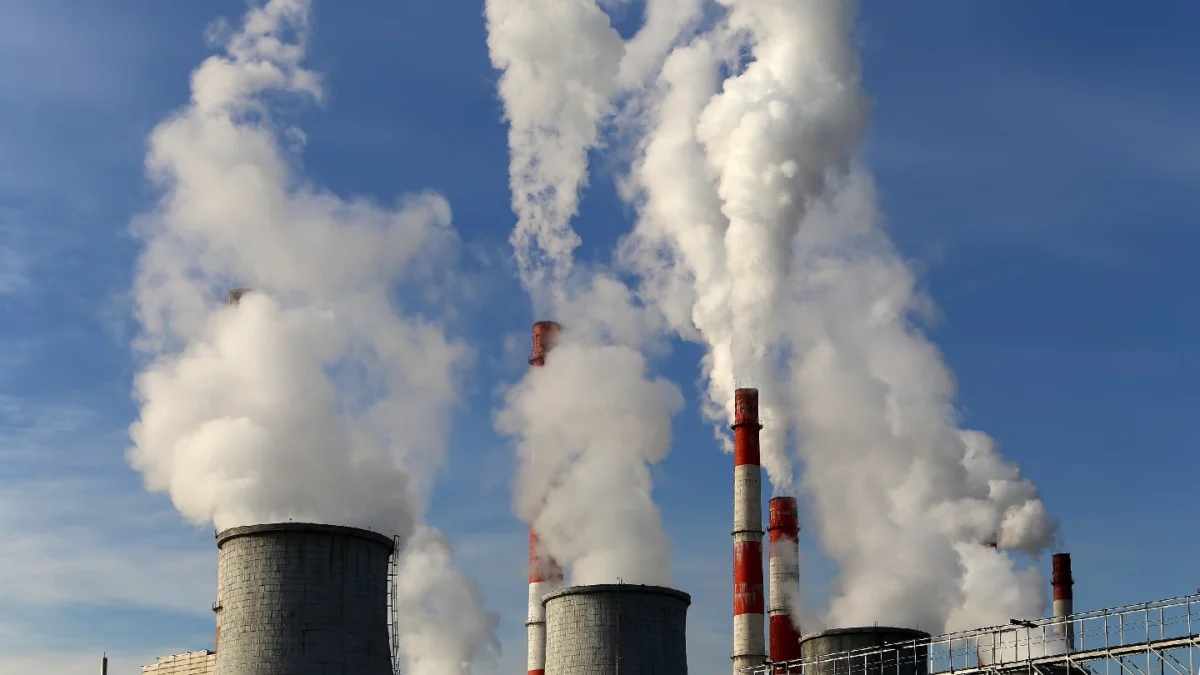
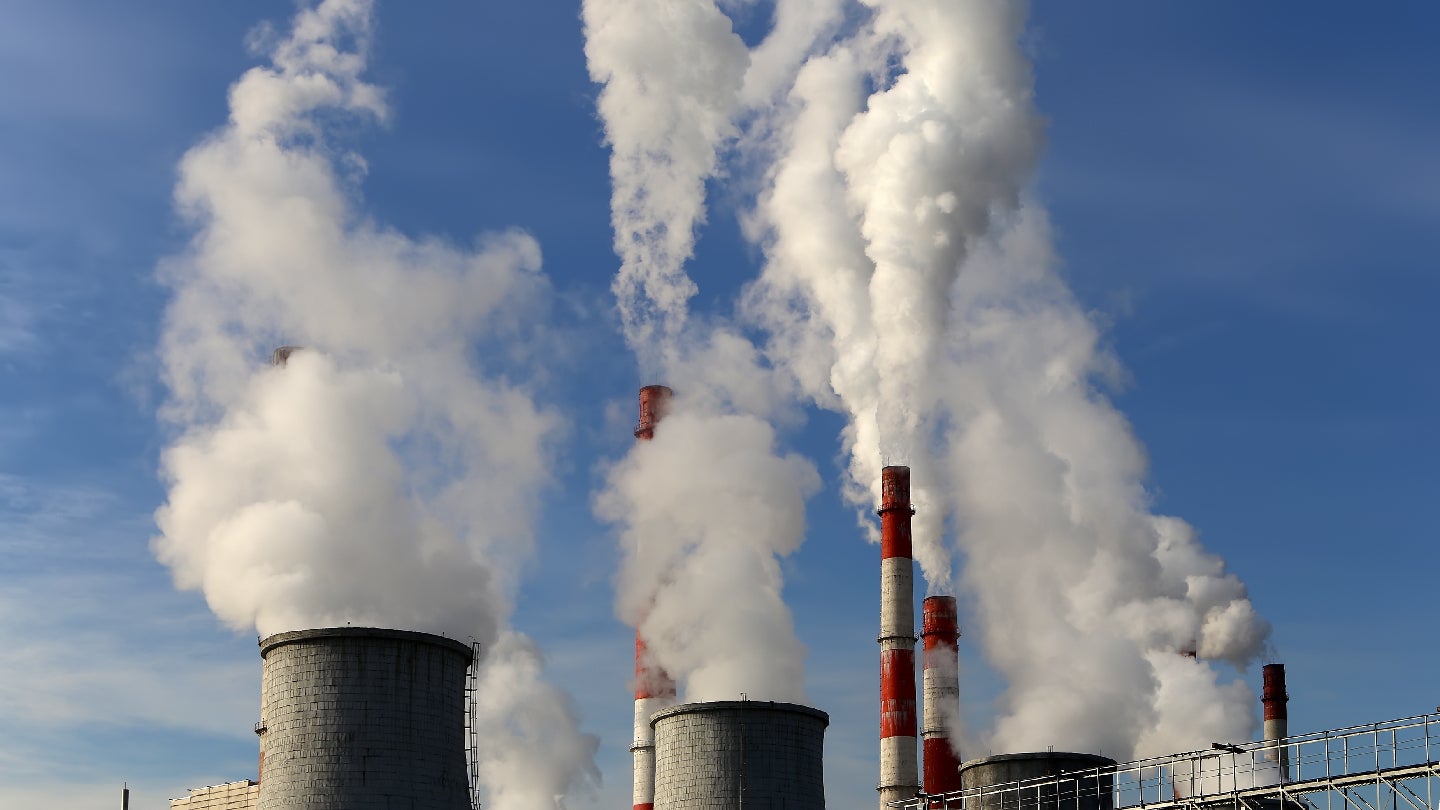
The technical profile of the plant emphasizes a departure from legacy coal-burning methodologies. By utilizing "clean coal" technologies, the project developers aim to balance the country’s vast natural resource wealth with modern environmental stewardship. The facility will be equipped with sophisticated gas-cleaning systems, advanced dust suppression, and high-efficiency emission filtration units. These features are not merely optional; they are a direct response to Kazakhstan’s tightening environmental regulatory framework, which mandates stricter emission standards for all new industrial energy projects.
Operational Targets
Once fully operational, the plant is expected to generate an annual output of up to five billion kilowatt-hours (kWh) of electricity. This massive increase in baseload capacity is intended to provide a reliable energy foundation for Kurchatov, a city defined by its high-energy-demand scientific infrastructure.
Chronology of Development
The approval of the Kurchatov project is the culmination of a rigorous planning phase, reflecting the government’s systematic approach to energy security.
- Initial Strategic Planning (2024–2025): The government identified a critical need for increased baseload capacity in the Abai region to support regional industrial growth.
- Feasibility and Negotiations (2025–Early 2026): Extensive consultations between Kurchatov GRES and federal ministries ensured the project met both economic and environmental benchmarks.
- Government Resolution (September 2026): Prime Minister Olzhas Bektenov signed the formal resolution, clearing the way for the $1.93bn investment.
- Construction Phase (2026–2032): The project enters a multi-year construction lifecycle.
- Staged Commissioning (2030–2032): The two 350MW units will come online sequentially, with full operational capacity targeted by the end of 2032.
Supporting Data: Economic and Labor Impact
The economic footprint of the Kurchatov GRES project extends far beyond the kilowatt-hours generated. The government estimates that the construction and subsequent operation of the facility will create approximately 4,400 jobs, providing a significant boost to the local labor market in the Abai region.
Economic Multipliers
- Total Investment: $1.93bn (KZT881bn).
- Projected Capacity: 700MW total (2 x 350MW units).
- Annual Output: 5 billion kWh.
- Job Creation: 4,400 permanent and temporary positions.
- Infrastructure Support: The plant will serve as the energy backbone for regional industrial development, including the Nuclear Technology Park and the National Nuclear Centre.
The injection of nearly $2bn into the regional economy is expected to stimulate auxiliary industries, ranging from logistics and construction materials to specialized technical services, effectively turning the Abai region into an industrial hub of national importance.
Official Responses and Strategic Rationale
The Kazakhstan government has framed this project as a vital necessity for the nation’s sovereignty and economic development. According to the press service of the Cabinet of Ministers, the agreement aligns with President Kassym-Jomart Tokayev’s broader mandate to expand coal-fired generation capacity to meet rising domestic demand while simultaneously integrating renewable energy sources.
Bridging the Energy Gap
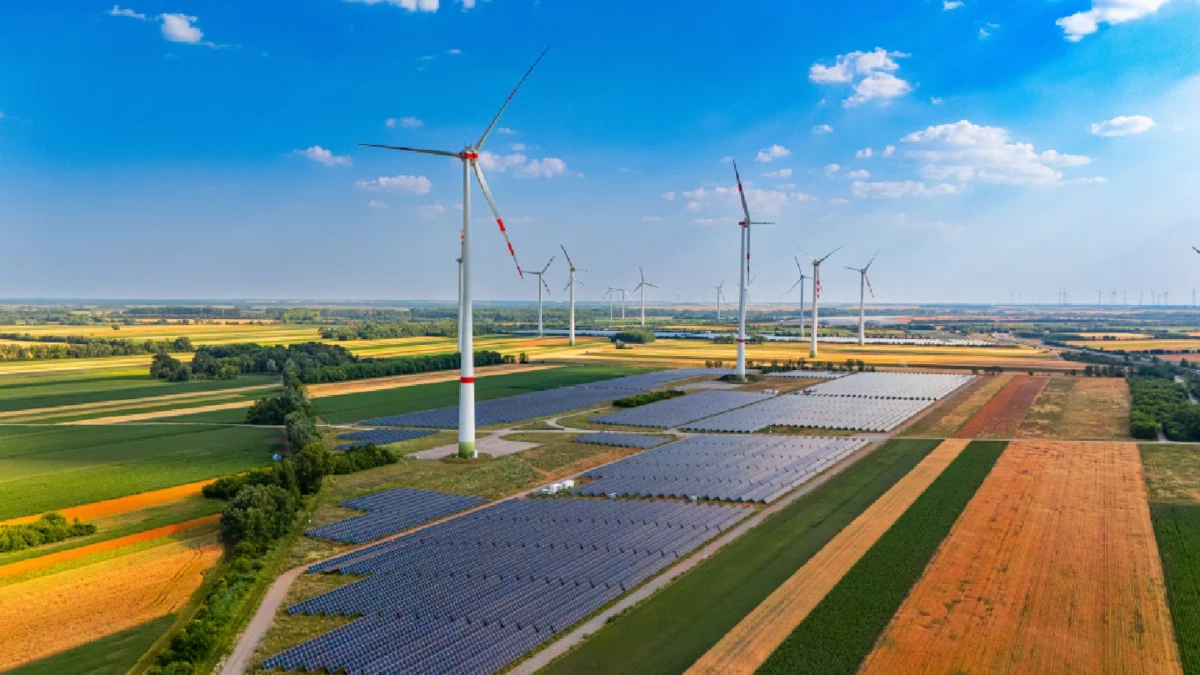
While the government has been actively pursuing renewable energy—evidenced by Masdar’s 1GW wind farm project in the Zhambyl region—officials acknowledge that the transition to a low-carbon economy cannot occur overnight. The Kurchatov GRES plant serves as a "bridge" technology. By utilizing clean-coal technology, the plant provides the consistent, non-intermittent power that heavy industry and research reactors require, something that renewable sources are currently unable to provide in the necessary quantities.
Implications for Scientific and Urban Infrastructure
The location of the power plant in Kurchatov is deliberate. The city is a hub for specialized, high-tech research, hosting facilities such as:
- The National Nuclear Centre: A key institution for radiation safety and nuclear research.
- The Nuclear Technology Park: A center for the commercialization of nuclear innovations.
- The KTM Fusion Tokamak: A critical experimental facility for fusion energy research.
- Advanced Laboratories: Various research sites requiring stable, high-voltage electricity for sensitive instrumentation.
The current power supply in the region has long been viewed as a potential bottleneck for the expansion of these institutions. By establishing a 700MW plant nearby, the government is essentially creating a high-energy "sandbox" where research and industrial scaling can occur without the risk of power fluctuations or shortages.
The Broader Context: Kazakhstan’s Energy Mix
Kazakhstan is currently navigating a complex energy transition. The country possesses some of the world’s largest coal reserves, which have historically fueled its economy. However, global pressures and domestic commitments to carbon reduction have forced a shift toward modernization.
Balancing Coal and Renewables
The government’s strategy is multifaceted:
- Coal Modernization: Upgrading existing coal infrastructure to modern, cleaner standards to maintain energy security.
- Renewable Expansion: Inviting international players, such as Masdar, to develop large-scale wind and solar projects to reduce the carbon intensity of the national grid.
- Nuclear Aspirations: Exploring the role of nuclear power as a clean, reliable alternative to traditional thermal generation.
The Kurchatov GRES project represents the "modernization" arm of this strategy. It demonstrates that coal, when processed through high-efficiency, low-emission technologies, remains a viable pillar of the state’s energy mix for the coming decades.
Environmental Stewardship and Compliance
Critics often highlight the environmental impact of coal-based power, but the project designers have integrated specific safeguards. The inclusion of emission filtration systems and dust suppression is a move to align with the Paris Agreement commitments and domestic "Green Kazakhstan" initiatives.
The use of elevated pressures and temperatures in the steam cycle is not just about power; it is about efficiency. By increasing the thermodynamic efficiency of the plant, the facility consumes less fuel per megawatt of electricity produced, effectively reducing the carbon footprint compared to older, less efficient Soviet-era plants that still dominate parts of the Central Asian energy sector.
Conclusion: A Catalyst for Growth
The Kurchatov GRES 700MW plant is more than a power station; it is a strategic asset designed to solidify Kazakhstan’s position as a regional industrial leader. By securing a massive, reliable, and relatively clean source of electricity, the government is insulating its most important scientific assets from the volatility of the global energy market.
As the project progresses toward its 2032 completion date, it will serve as a bellwether for the country’s ability to balance its traditional economic strengths with the demands of the 21st century. Whether through the successful integration of its two 350MW units or the secondary economic benefits brought to the Abai region, the project stands as a testament to the government’s commitment to industrial modernization and energy self-reliance.
As Kazakhstan continues to attract international investment—exemplified by the recent growth in wind energy—the Kurchatov facility will provide the steady, foundational current that powers not just the city’s lights, but the future of its scientific and industrial innovation.