In the vast, untamed reaches of the Finnish wilderness, where the boreal forest meets the sprawling expanse of the mire, nature operates on a schedule indifferent to human comfort. For wildlife photographer Samuli Haapasalo, the pursuit of the perfect frame is not merely a technical challenge—it is a lesson in patience, endurance, and the unpredictable rhythms of the animal kingdom.
Recent observations from the field highlight the resilience of Finland’s large carnivores—bears, wolves, and the elusive wolverine—as they navigate extreme weather conditions. By utilizing specialized wildlife blinds, observers are gaining unprecedented insight into the natural behavior of these apex predators, proving that even the most formidable beasts have a profound relationship with the elements.
The Deluge: Nature’s Unfiltered Power
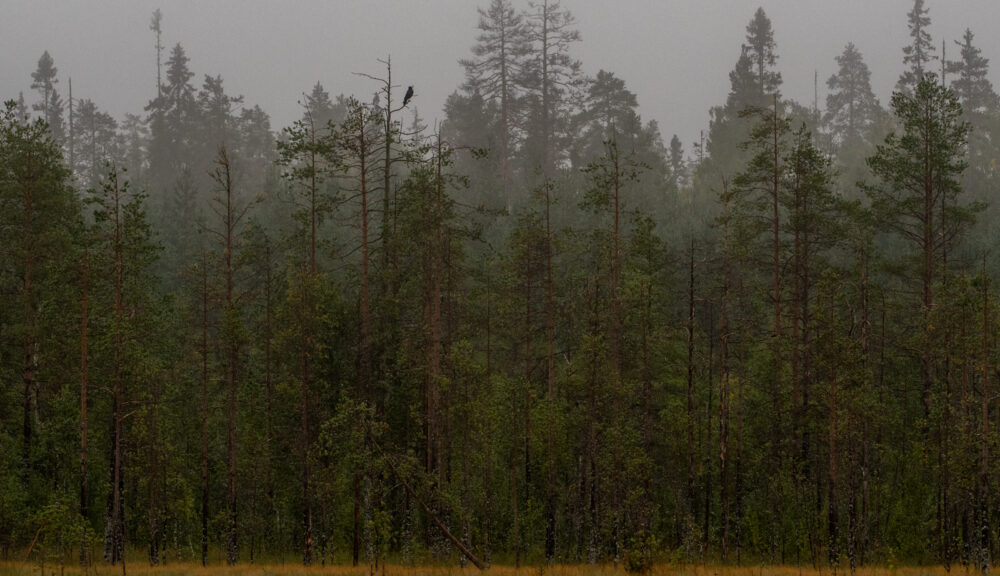
The experience began under the shroud of a torrential downpour. In an urban environment, the volume of water falling upon the mire would have undoubtedly overwhelmed municipal drainage systems, turning streets into flooded conduits. Here, however, the landscape possessed a different, more primal capacity for absorption.
The mire, a seemingly endless basin of peat and moss, acted as a gargantuan sponge. While the surface briefly shimmered with transient pools of water, the earth beneath greedily drank the deluge. For the observer sequestered in a small, cramped blind, the scene was one of raw, elemental beauty. The sound of rain lashing against the structure was a constant, rhythmic companion, masking the subtle rustle of movement in the brush.
Chronology of a Wilderness Night
The documentation of the night reveals a fascinating timeline of activity, largely dictated by the cessation of the heaviest squalls.
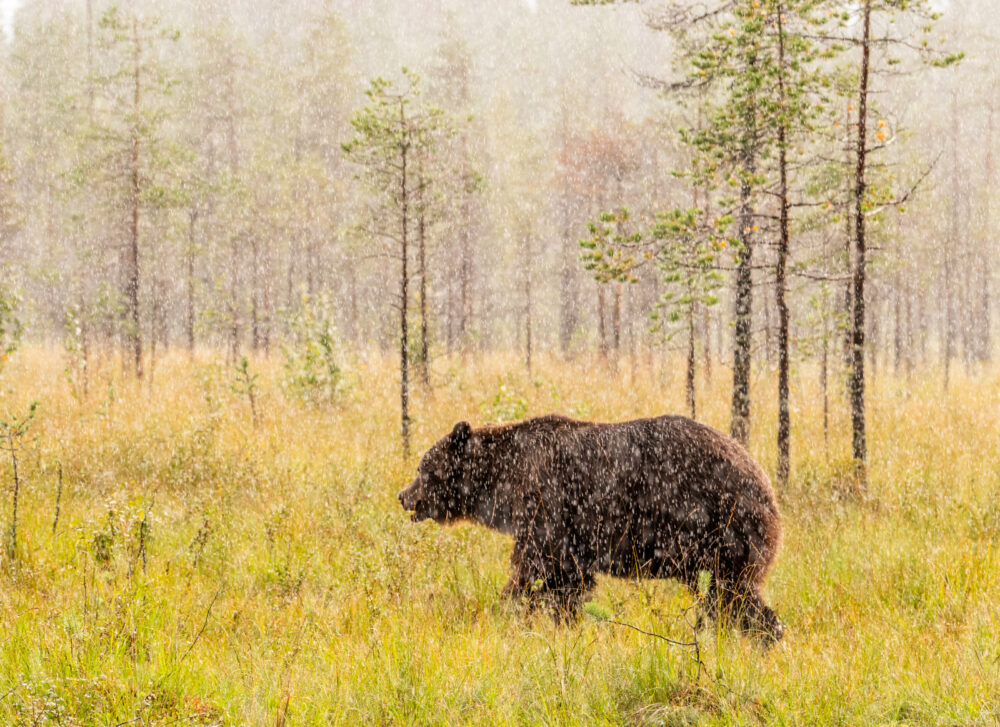
- Early Evening: Intense rainfall dominated the landscape. While many animals sought shelter, the brown bear remained indifferent. With a coat naturally designed to repel moisture, the bear moved through the mire with ease, seemingly bolstered by the fact that the rain kept pestering insects at bay.
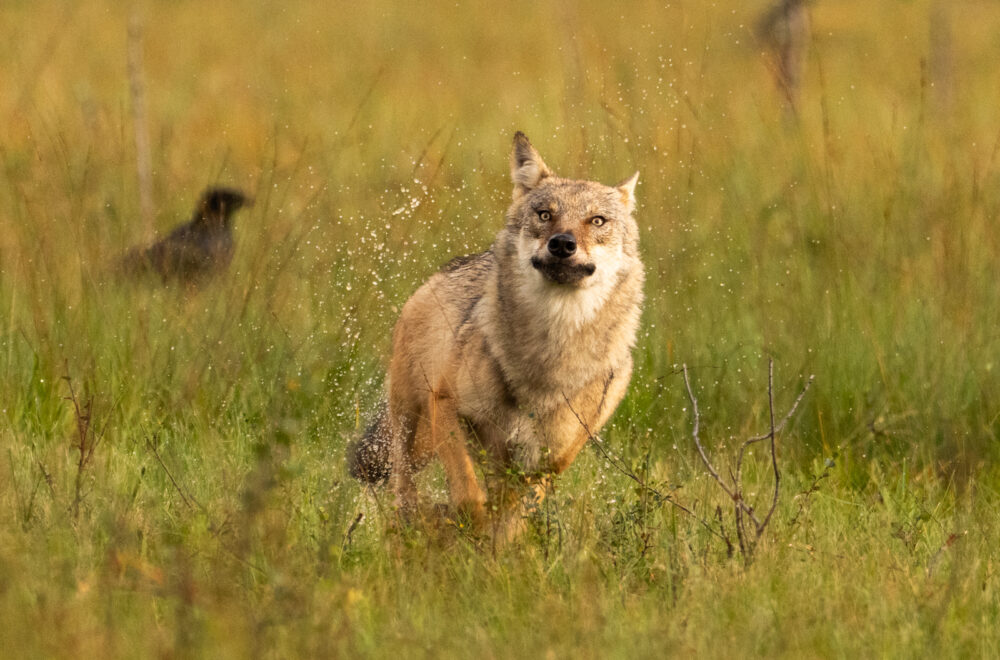
- The Midnight Hours: Despite the severity of the weather, two wolves emerged from the forest edge. Their presence in the sodden, knee-deep vegetation was a testament to their relentless drive for survival. They moved with calculated purpose, scouting for carrion or potential prey.
- The Pre-Dawn Vigil: As the sky began to transition from charcoal grey to a soft, pre-dawn light, the photographer’s patience was tested. The hours between 3:00 AM and 6:00 AM are critical in wildlife photography. It is a period of transition, where the nocturnal habits of the predators overlap with the waking movements of the day.
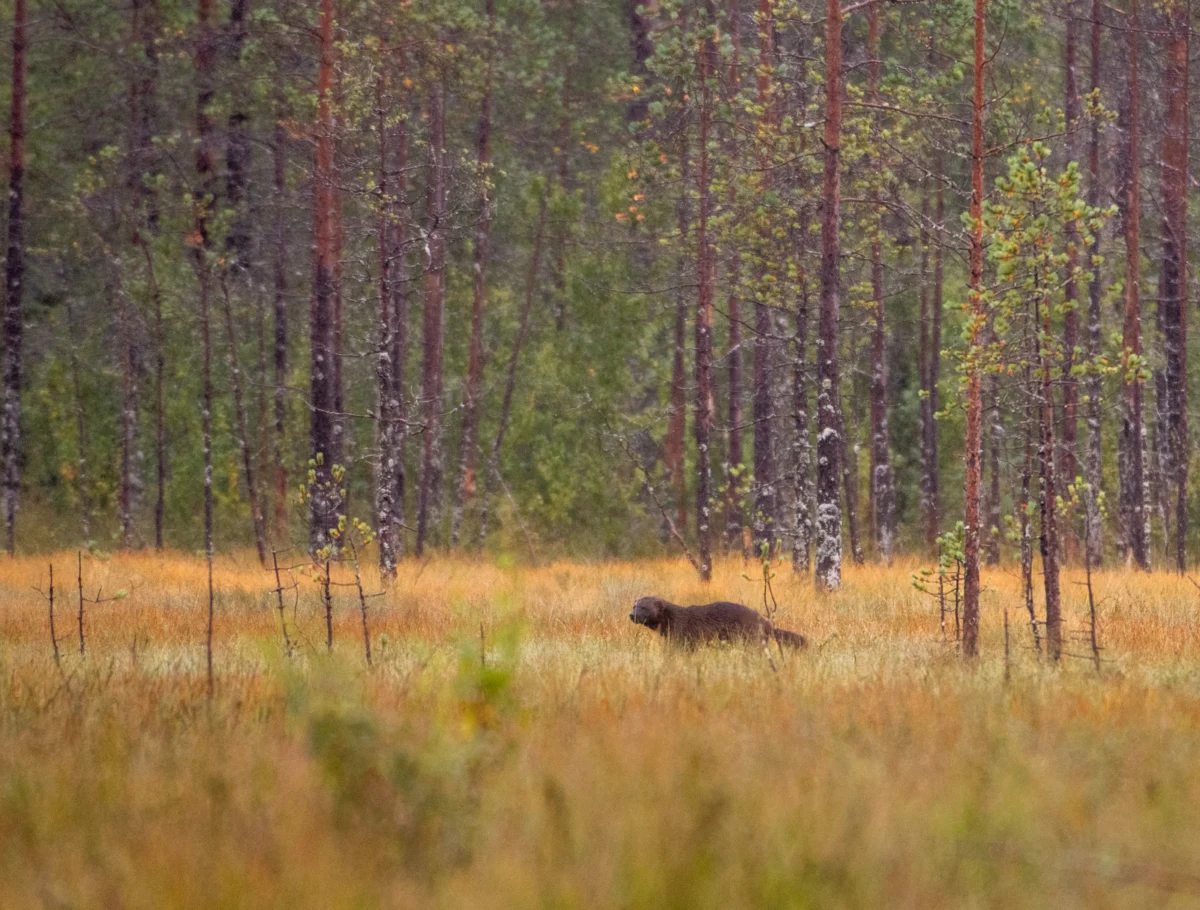
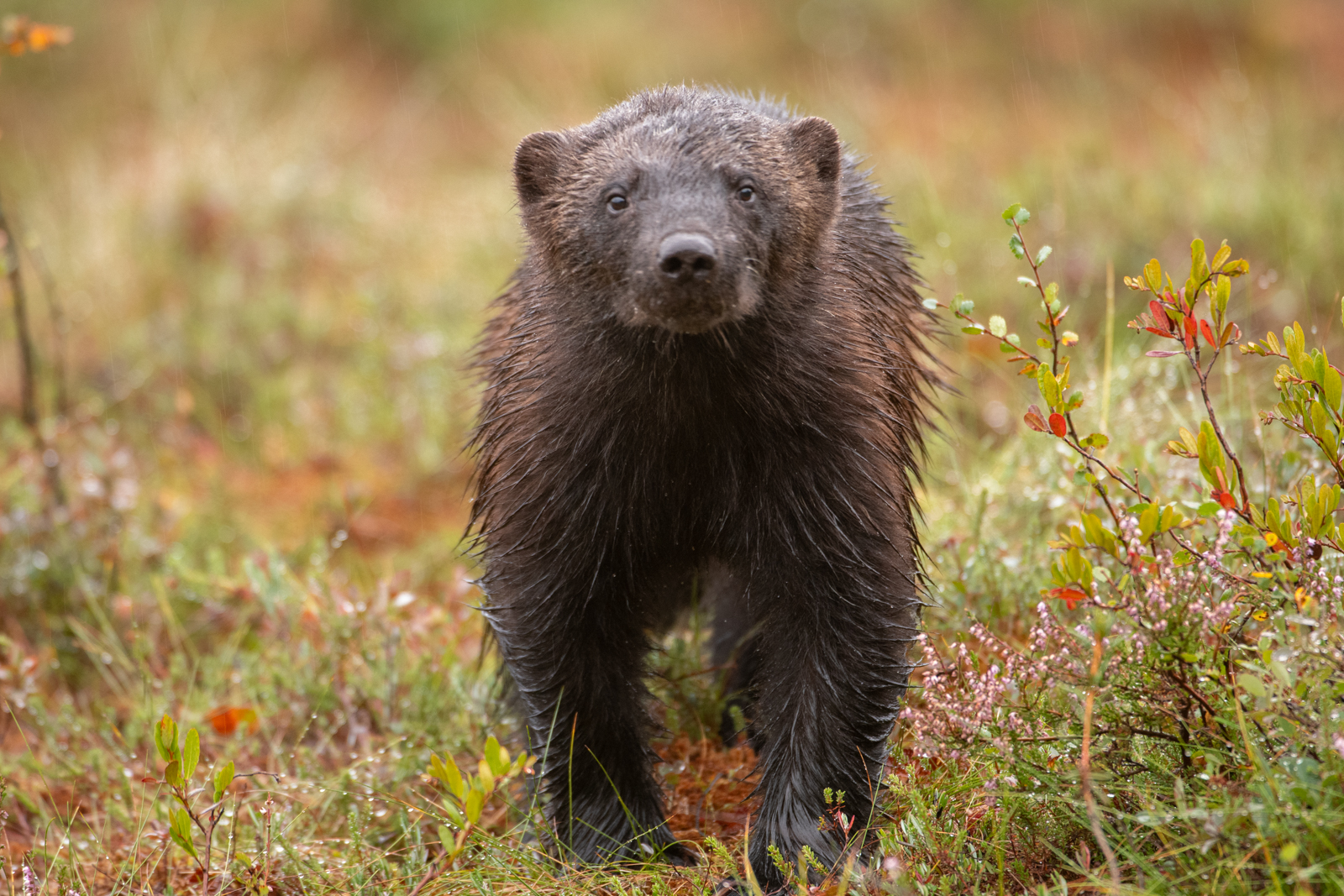
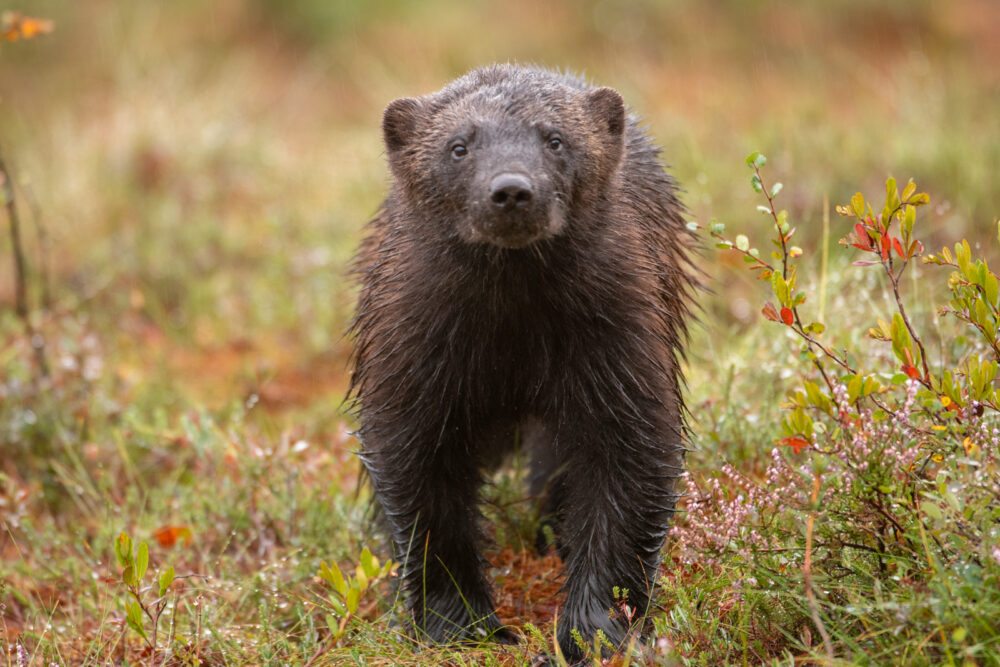
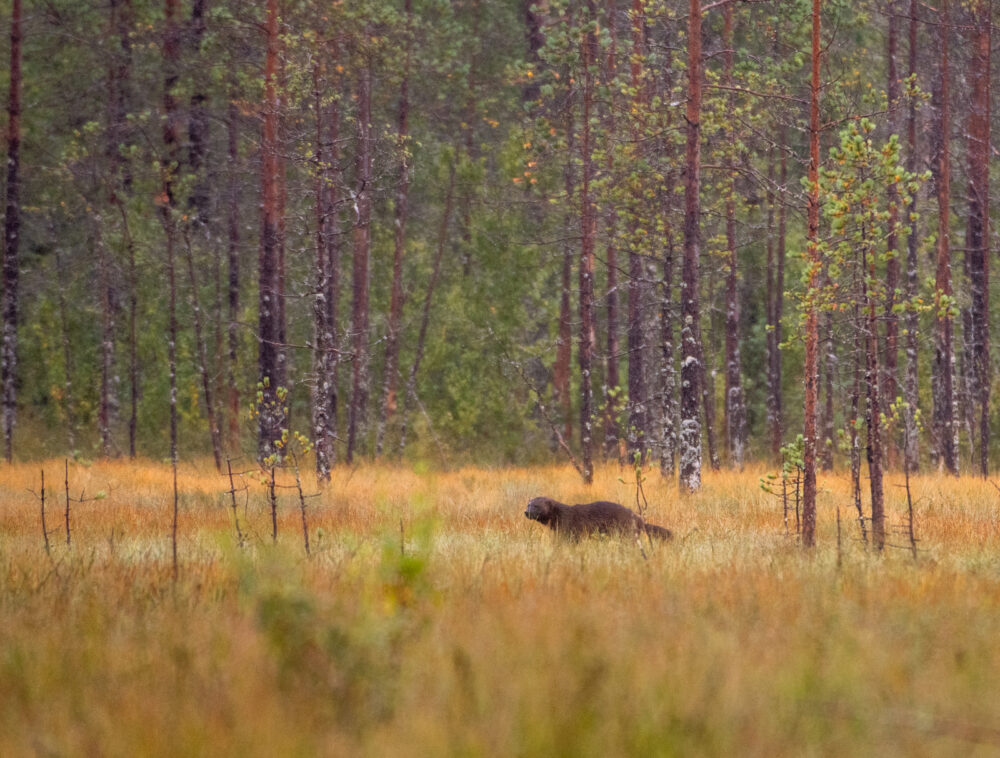
- The 6:36 AM Encounter: As the morning light finally permeated the mist, a wolverine—often called the "ghost of the north"—made its appearance. It moved with its characteristic, loping, swaying gait, eventually engaging in a flurry of activity near the carcass left behind by the wolves.
Understanding the Predators: Behavioral Data
To understand why these animals brave such harsh conditions, one must look at their ecological imperatives.
The Wolverine (Gulo gulo)
The wolverine is perhaps the most enigmatic of the trio. Known for their extreme territoriality, individuals can cover 30 to 40 kilometers in a single day. Their energy expenditure is immense, requiring them to constantly scavenge. They often cache food—stealing from wolves or bears—across vast distances. The behavior observed this morning, where the wolverine snatched a piece of meat to carry off, likely to a den or a hidden cache, aligns with documented survival strategies.
The Wolf (Canis lupus)
While wolves are primarily nocturnal, their movement patterns are opportunistic. The "lithe" movement through the saturated mire demonstrates their adaptability. Unlike the bear, which may rely on sheer bulk and dominance, the wolf relies on constant motion and spatial awareness, moving through the landscape to avoid larger rivals while hunting.
The Brown Bear (Ursus arctos)
Bears are the masters of the "don’t care" attitude toward weather. Their thick, oily fur provides a thermal barrier that makes heavy rain a non-factor. This allows them to capitalize on the quiet that rain brings to the forest, as smaller, more sensitive creatures hide, leaving the bear with less competition for foraging grounds.
The Art of Observation: Ethical Wildlife Journalism
The use of wildlife blinds—or "piilokoju"—serves as a cornerstone of modern ethical wildlife observation. By remaining entirely concealed and silent, the photographer becomes a non-entity in the environment. This is crucial for capturing "true" behavior. When an animal is unaware of a human presence, it does not alter its trajectory or display defensive posturing.
As noted by professionals in the field, success in wildlife photography is rarely about "luck" in the traditional sense. It is a direct correlation between the time invested and the quality of the output. The "lucky" shots, often praised by friends or peers, are almost always the result of hundreds of hours spent in cramped, cold, or sweltering conditions, waiting for the split-second when an animal decides to step out of the shadows.
Implications for Conservation and Tourism
The data gathered from such observations is not just for aesthetic appreciation; it provides invaluable information for researchers and conservationists. Understanding the movement corridors, the interaction between species at feeding sites, and the influence of climate on predator activity helps inform habitat protection policies.
Moreover, this form of "quiet" tourism—where the objective is observation rather than interaction—is gaining traction in Finland. It fosters a deeper appreciation for the biodiversity of the northern forests. When the public sees the "angry" looking wolverine or the regal, rain-soaked wolf, the abstract concept of "nature" becomes a tangible, living reality.
Concluding Thoughts: The Value of Silence
The experience of spending a night in the wilderness is a sobering reminder of human insignificance. In the face of a lashing storm, the photographer’s internal clock, the need for coffee, and the desire for a comfortable bed fade away. What remains is the expectation of what might emerge from the forest edge.
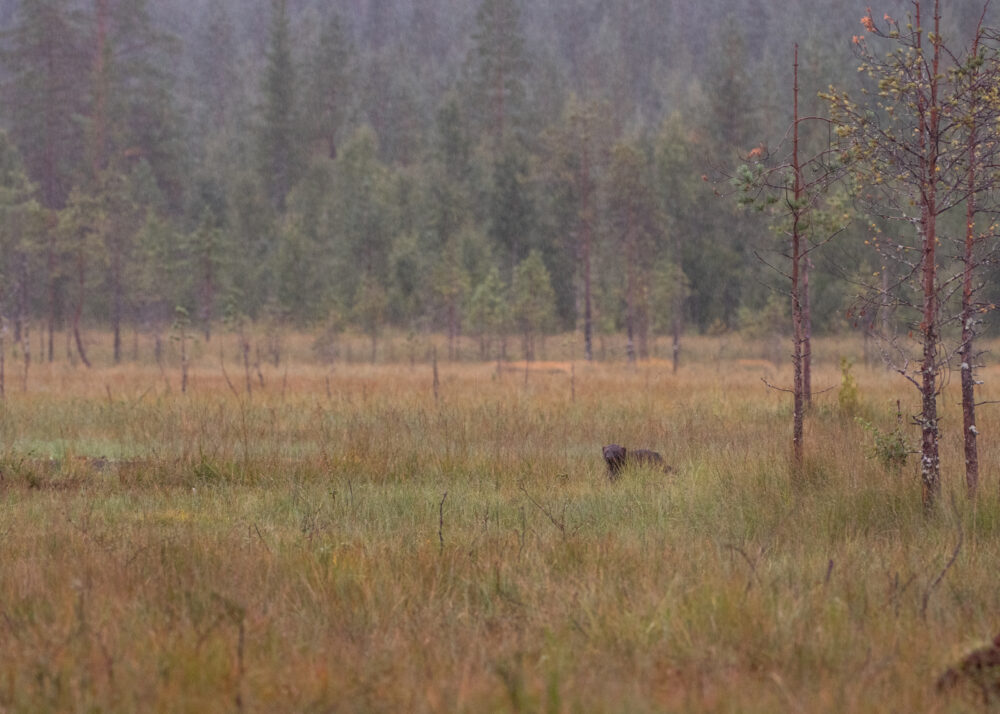
As the sun rose over the mire, painting the landscape in shades of deep green and grey, the fleeting encounter with the wolverine underscored the core philosophy of the wildlife observer: you cannot command the wild to perform. You can only offer it your time, your silence, and your respect. Whether it is a quiet, mist-filled morning or a violent, stormy night, the Finnish wilderness continues to be a theater of life, where every frame captured is a small victory for the preservation of our natural heritage.
As the wolverine disappeared back into the forest, leaving behind only the rhythmic sway of the tall grass, one truth remained clear: the best rewards in nature are never given for free; they are earned in the silence of the blind.