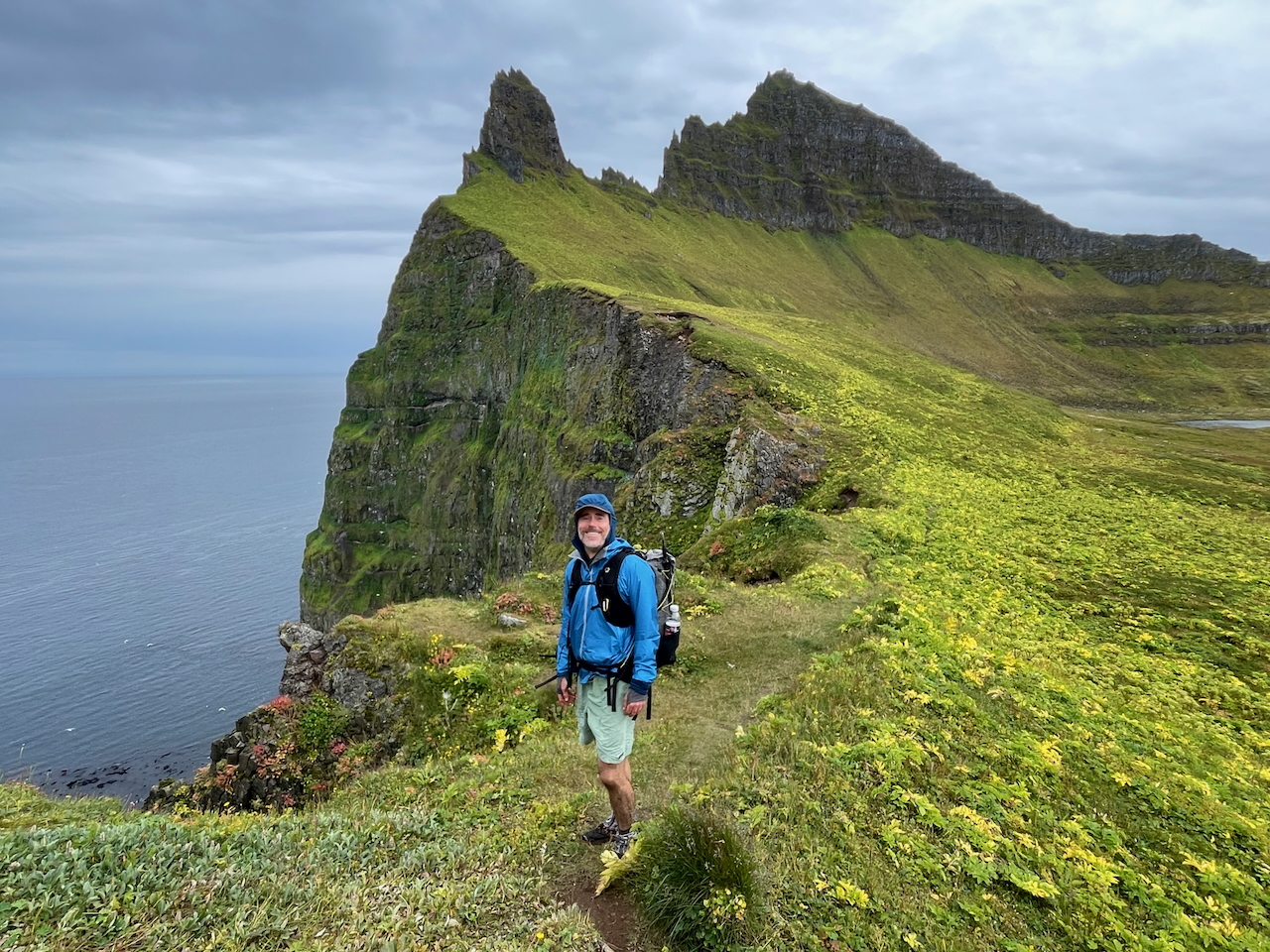
The Hornstrandir Peninsula, the northernmost tip of Iceland’s rugged Westfjords, is a landscape defined by its absence. There are no roads here. There is no cell service, no electricity, and no permanent human population to anchor the map. It is a place where nature does not merely exist; it dominates. Accessible only by boat during the short, fleeting Arctic summer, Hornstrandir is a pristine wilderness reserve that offers a rare, unfiltered glimpse into a post-glacial world. For the intrepid hiker, it represents one of the final frontiers in European trekking—a region where the silence is broken only by the crash of the North Atlantic against 500-meter cliffs and the frantic, rhythmic cries of millions of nesting seabirds.
Main Facts: The Last Wilderness
Hornstrandir is not a destination for the casual tourist; it is a sanctuary for the dedicated wilderness seeker. Spanning approximately 120 kilometers of trails and off-trail traverses, this six-day expedition demands self-sufficiency.
- Distance: ~120 km (75 miles) including side excursions.
- Duration: 6 days of intensive trekking.
- Difficulty: Moderate to Challenging (demanding navigation skills and endurance).
- Elevation Gain: 4,271 meters (14,012 feet).
- Logistics: The journey begins and ends in Hesteyri, accessible via local boat operators from Ísafjörður.
The peninsula’s isolation is its primary defense against the encroaching tide of global tourism. Because it lacks infrastructure, those who venture here must be prepared for the unpredictable—and often violent—weather systems that sweep across the Denmark Strait.
A History of Abandonment and Resilience
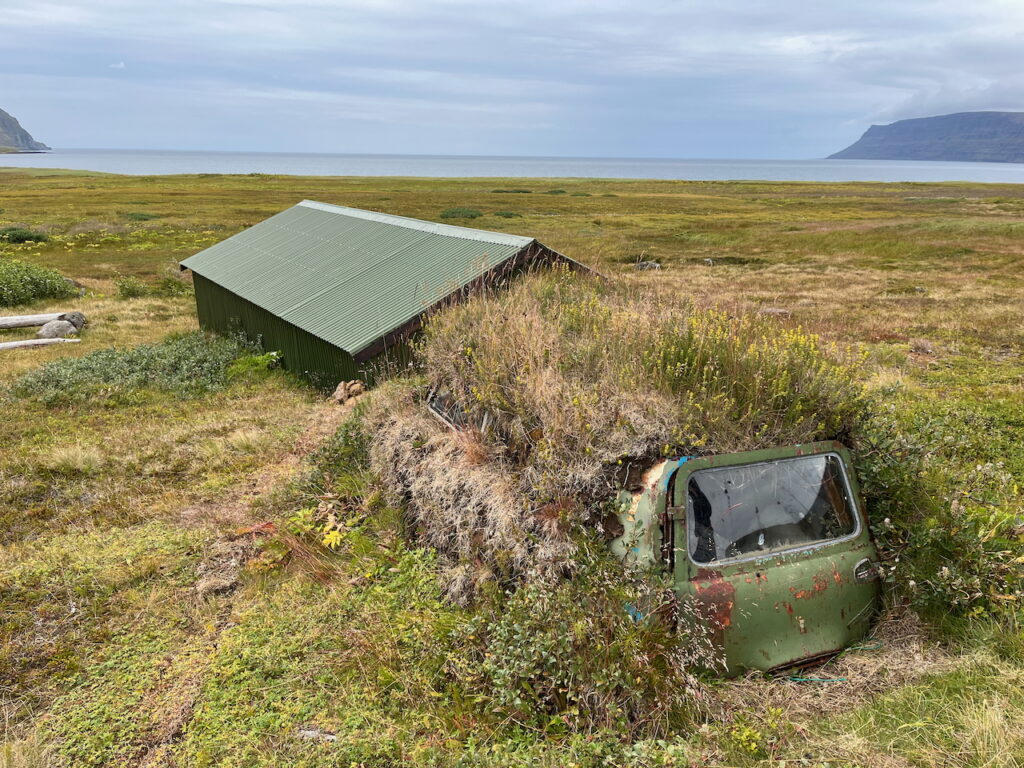
The story of Hornstrandir is one of human withdrawal. Until the mid-20th century, small, hardy communities managed to eke out a living through fishing and subsistence farming. However, the harsh climate, combined with the collapse of the salt-fish market in the 1930s and the closure of the herring station at Hesteyri in the 1940s, rendered the lifestyle untenable. By the 1950s, the last permanent residents had departed, leaving behind only the ghosts of their settlements.
In 1975, the region was officially designated as a nature reserve. This legal protection has allowed the flora and fauna to recover without the pressure of domestic grazing animals. Today, the peninsula supports over 260 species of vascular plants, including the vibrant Arctic lupine and the hardy angelica, thriving in a landscape untouched by industrial agriculture.
Chronology: A Six-Day Expedition
The following account chronicles a six-day traverse, providing a window into the day-to-day realities of navigating this sub-Arctic expanse.
Day 1: The Threshold of Hesteyri
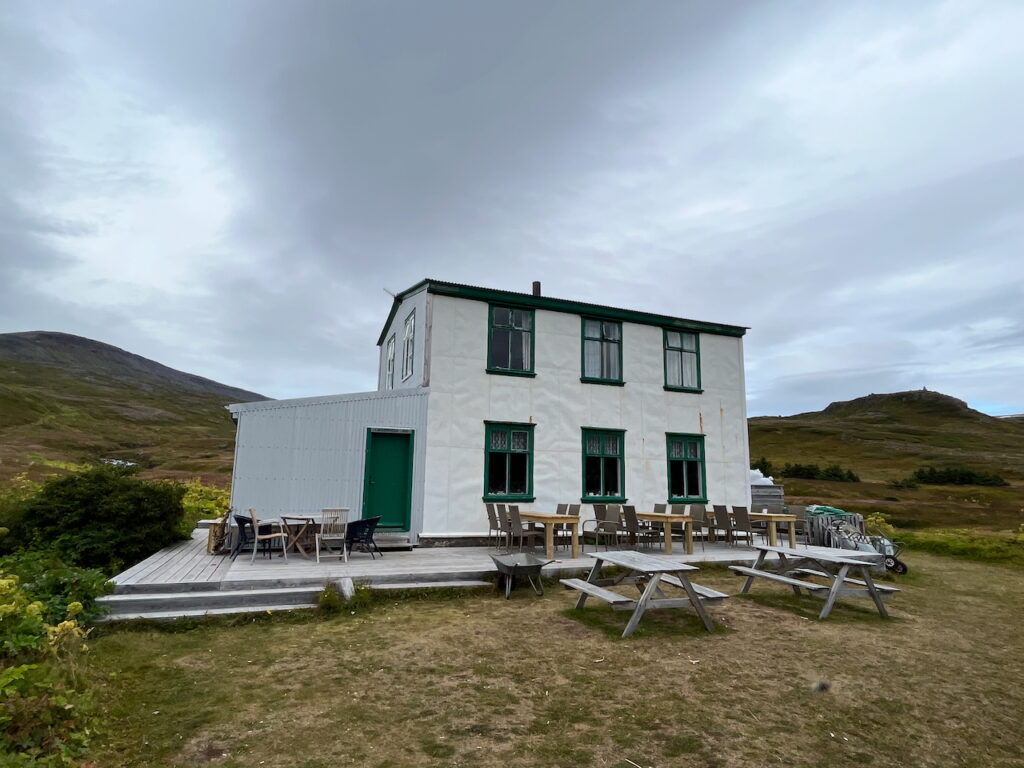
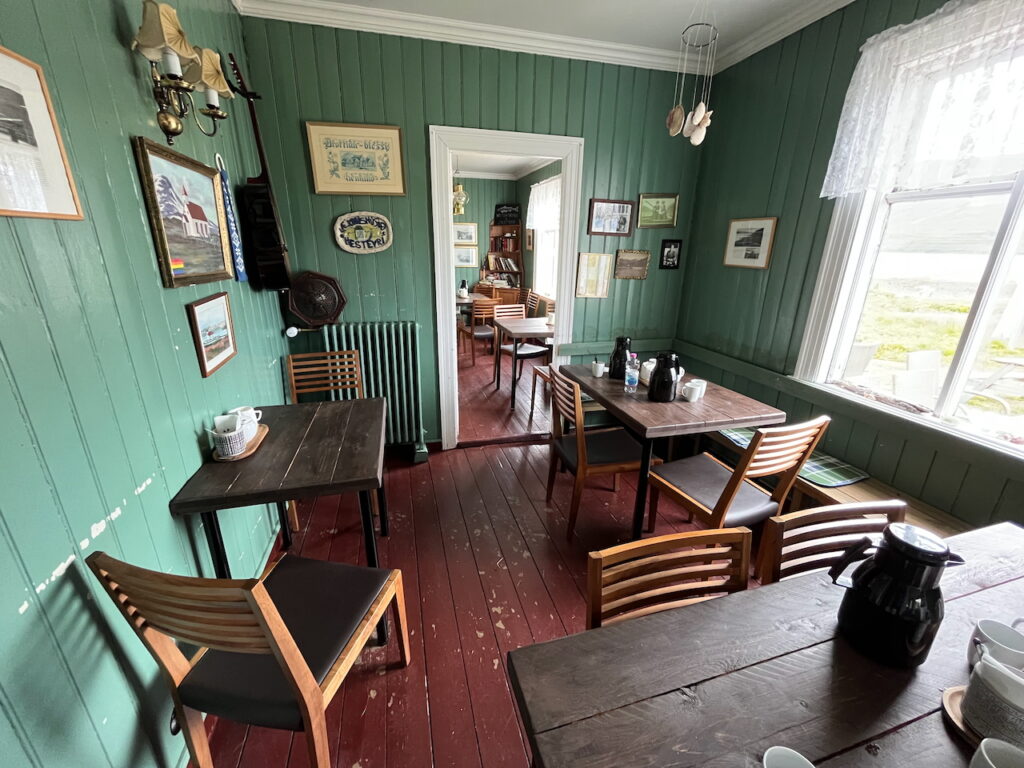
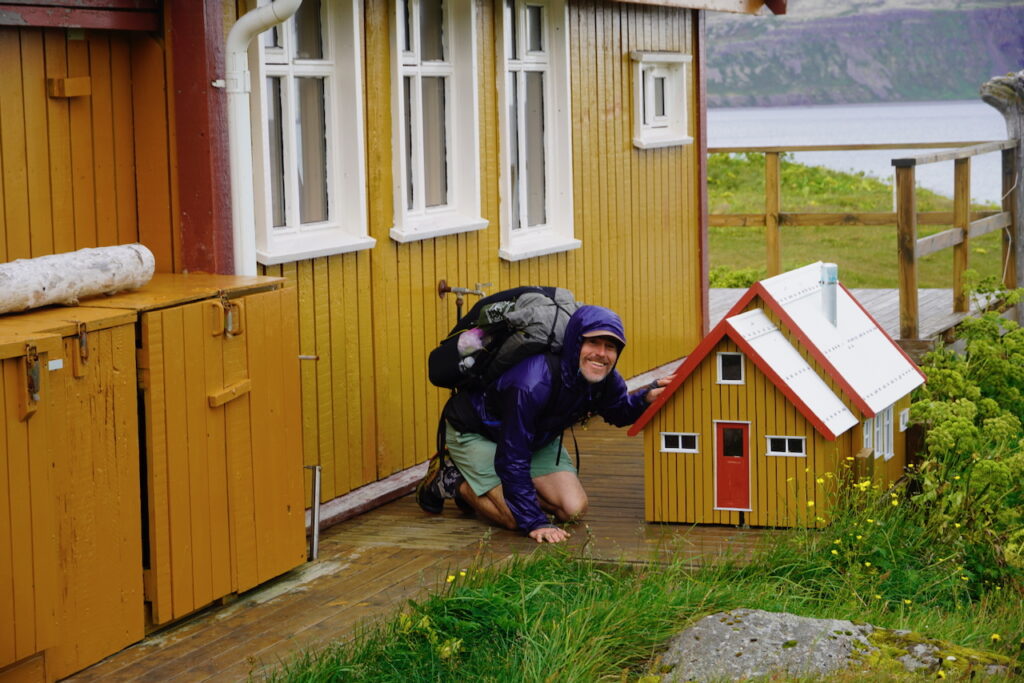
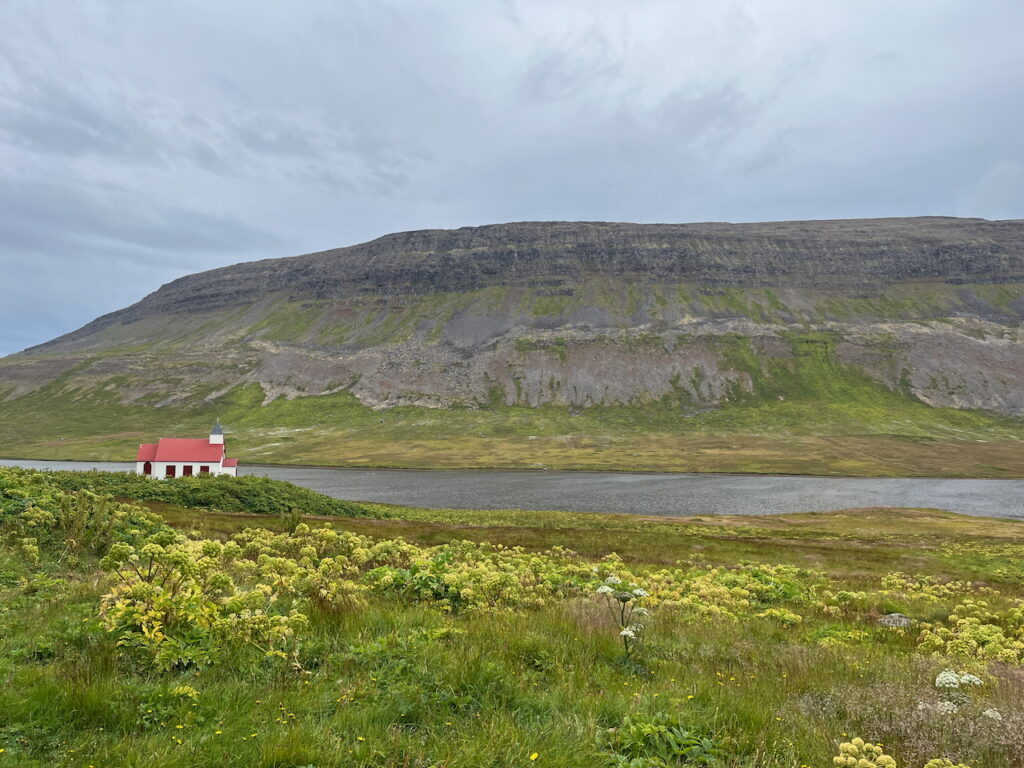
The trek begins at Hesteyri, where the "Old Doctor’s House"—a relic from a bygone era—serves as a welcoming, albeit temporary, refuge. After stocking up on the warmth of local coffee and crepes, the route heads toward the interior. The first day is marked by the transition from the relatively sheltered fjords to the open, wind-swept plateaus, ending at the campsite of Tjaldsvæði Látrum.
Day 2: Navigating the Plateau
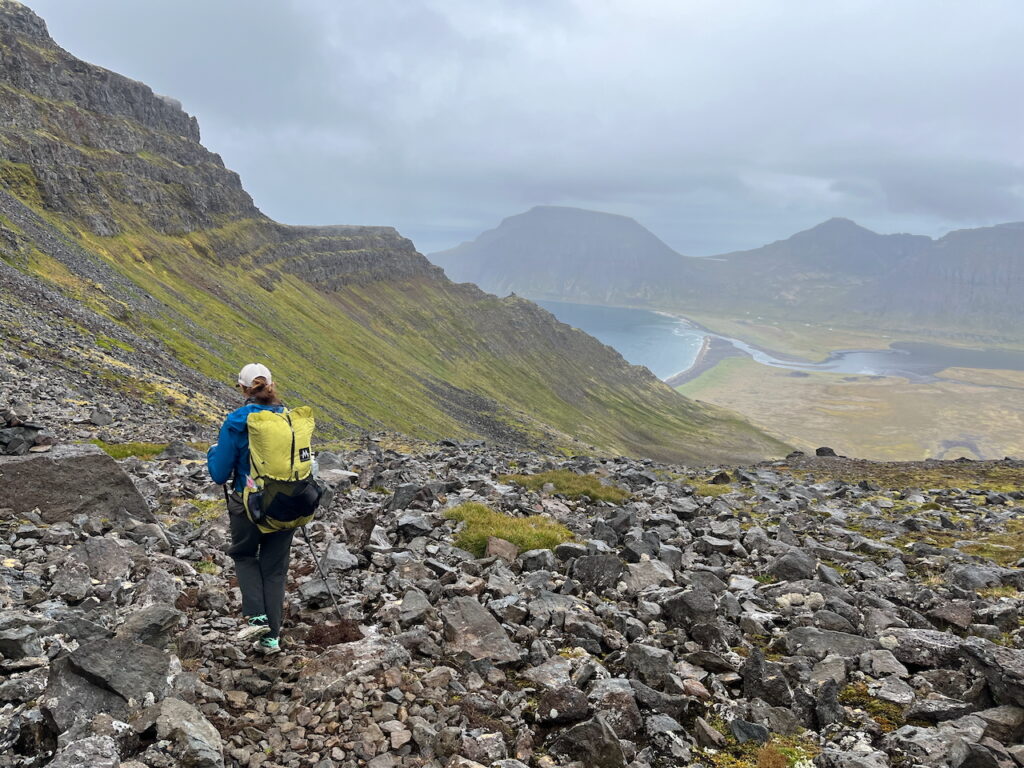
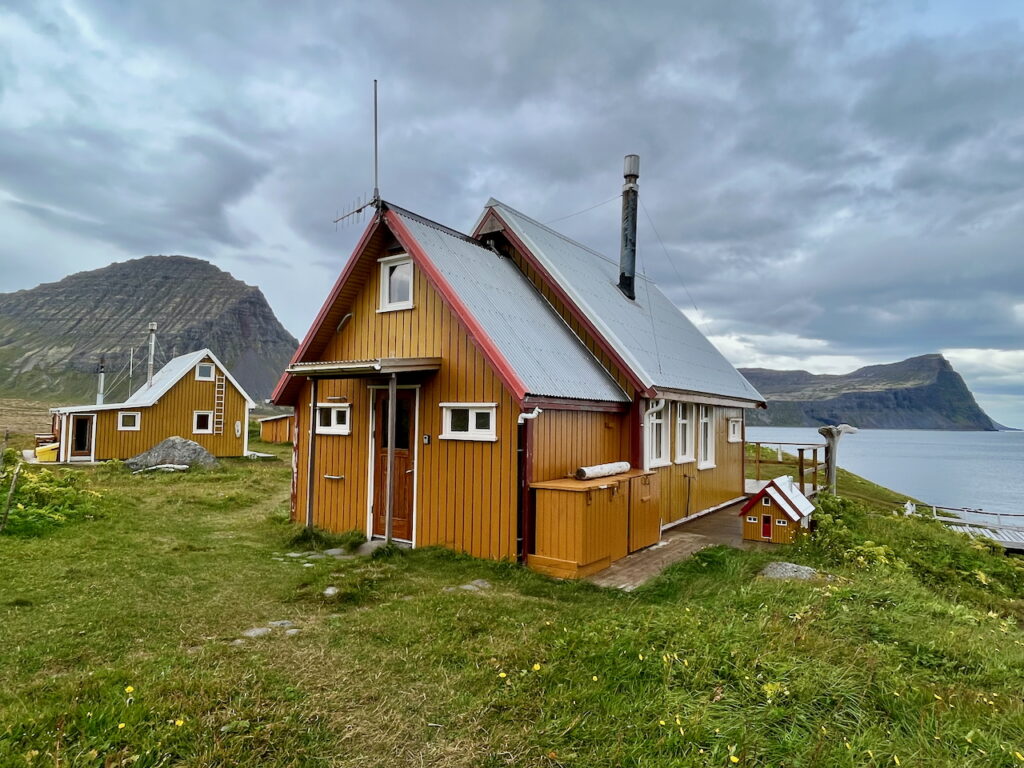
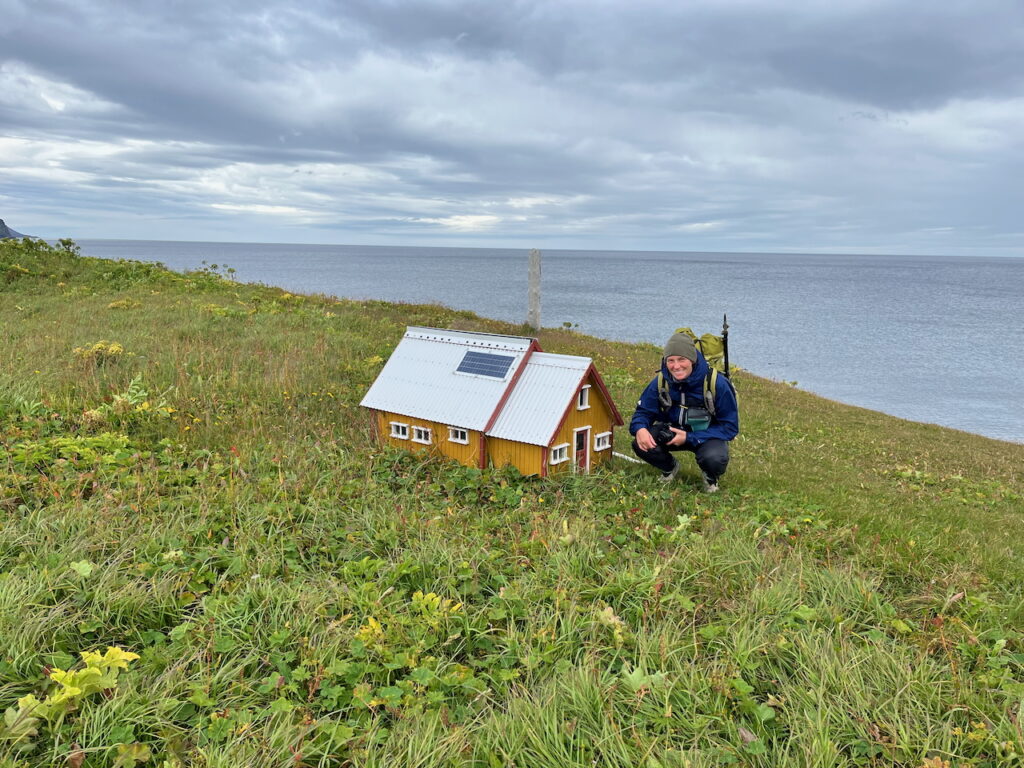
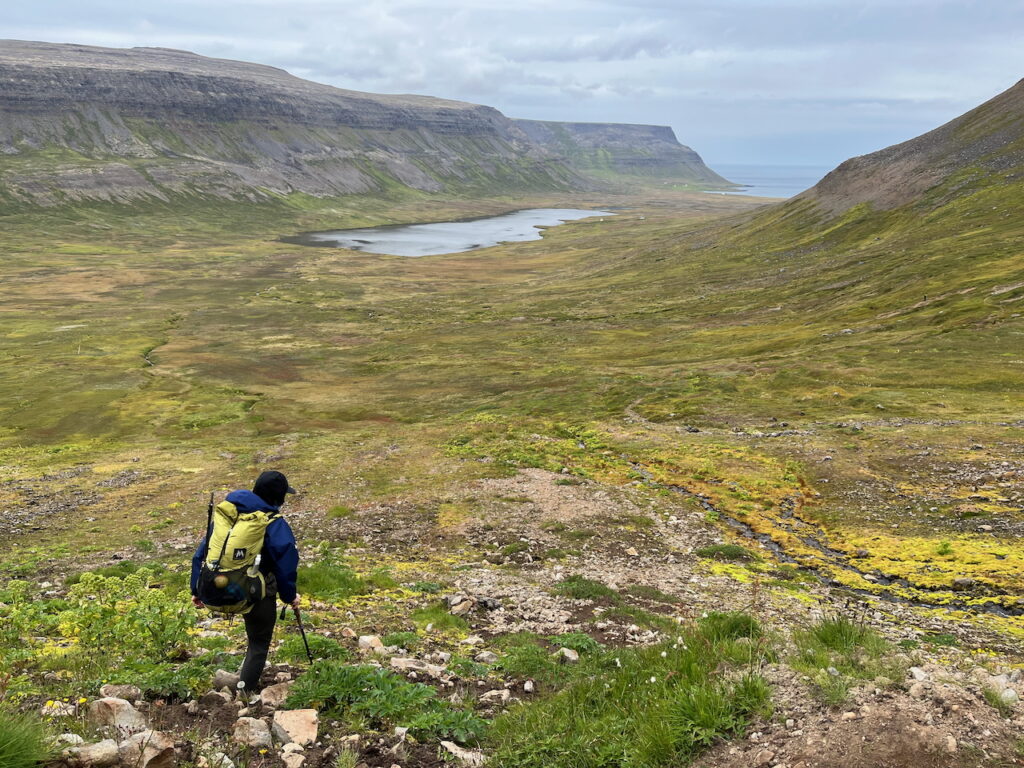
The second day involves a climb toward the Almenningaskara Pass. The terrain is a mosaic of tarn-dotted tundra and rocky outcrops. Hikers here often encounter the "little folk" lore of Iceland; many of the old family homes that dot the landscape have adjacent "elf houses" (alfhóll), reflecting the deep-seated cultural respect for the unseen inhabitants of the wilderness.
Day 3: The Black Sands of Hornsvik
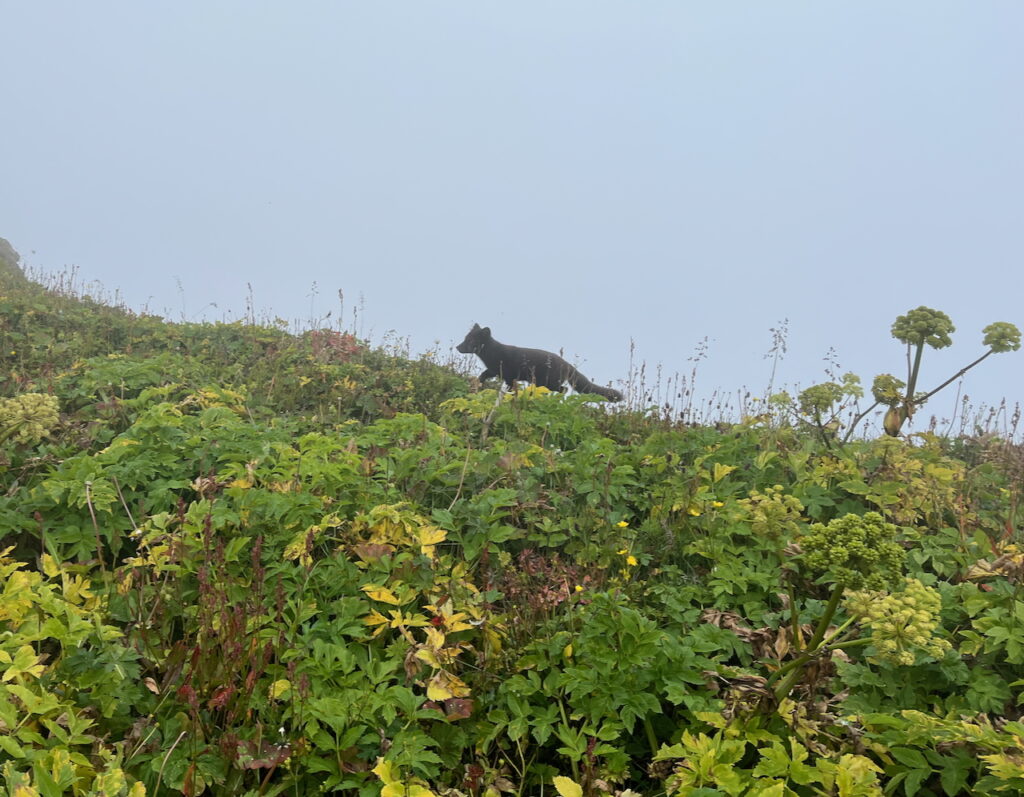
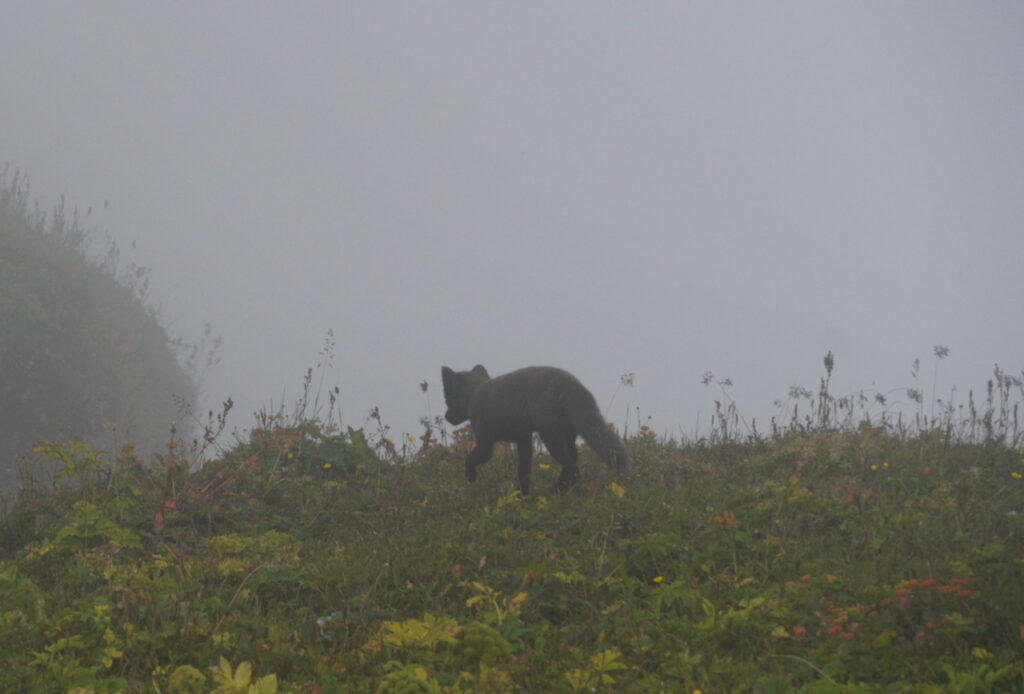
As the trail descends toward the coast, the environment shifts from high tundra to the dramatic, stark black sands of Hornsvik. It is here that the presence of the Arctic fox—Iceland’s only native land mammal—becomes apparent. These foxes, long protected from hunting within the reserve, are remarkably curious and often approach hikers with a sense of indifference that is rare in the wild.
Day 4: The Giants of Hornbjarg
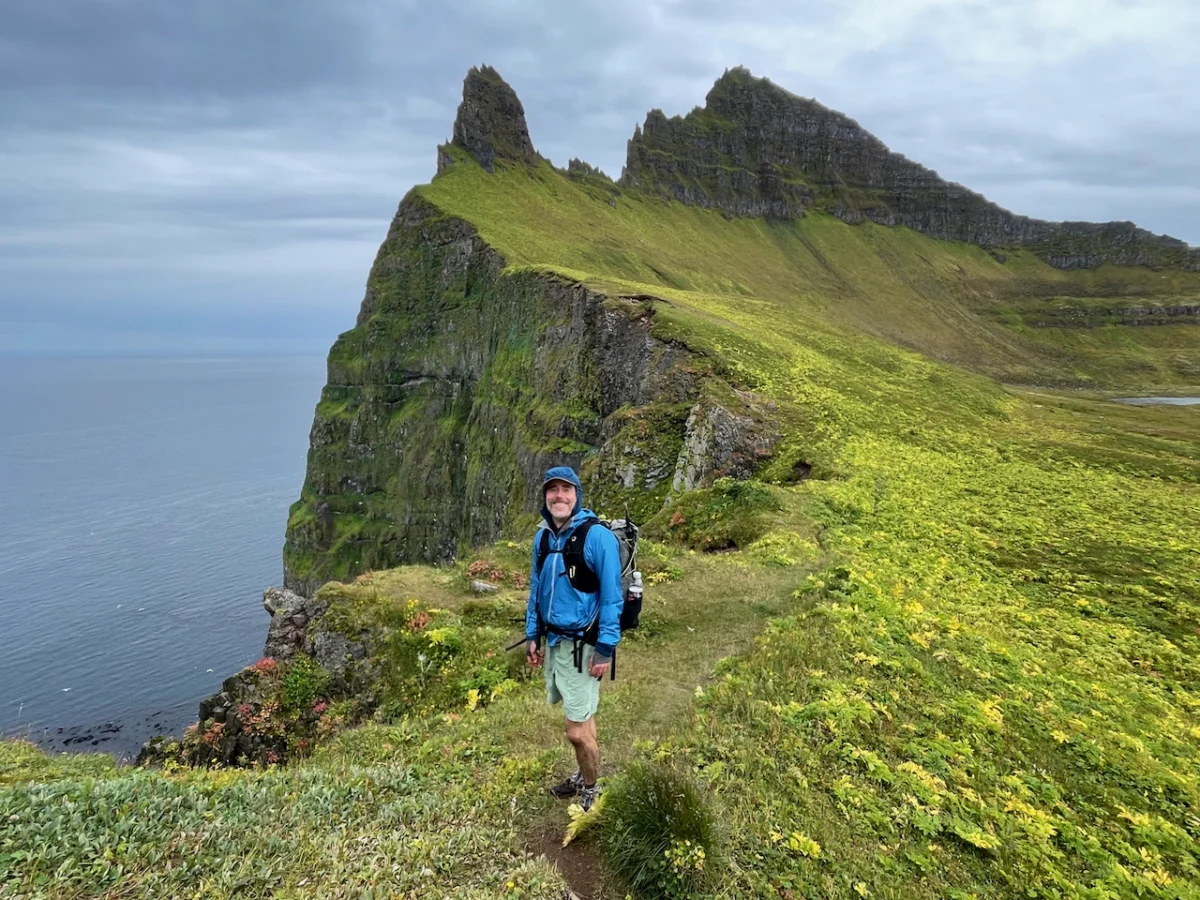
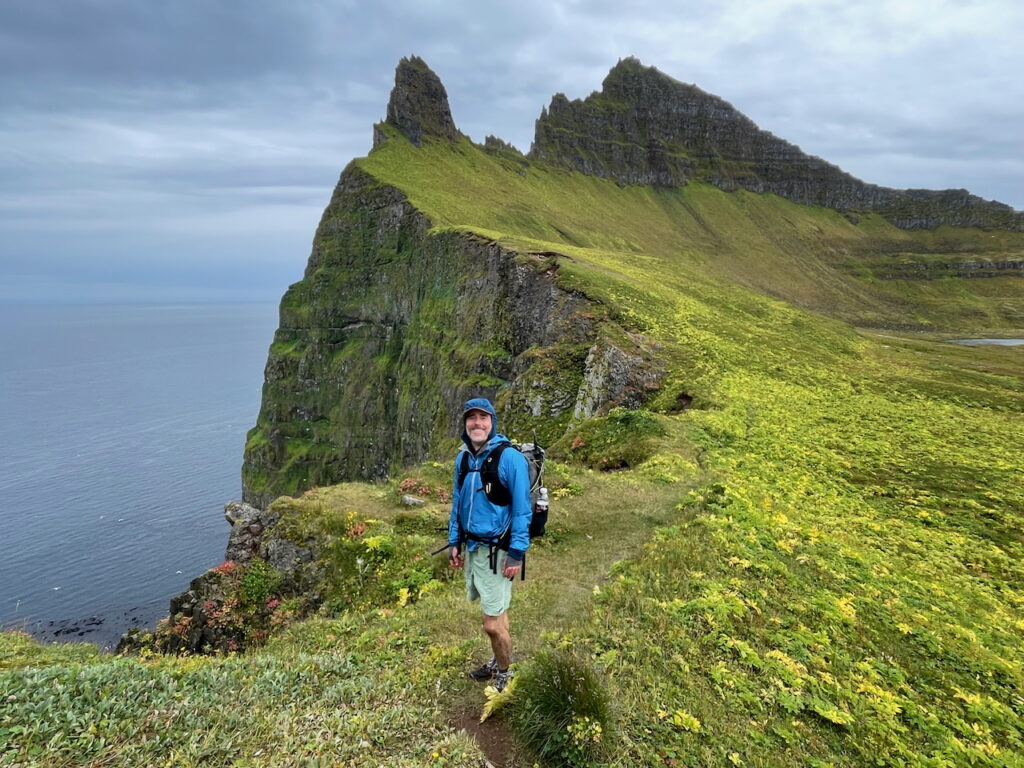
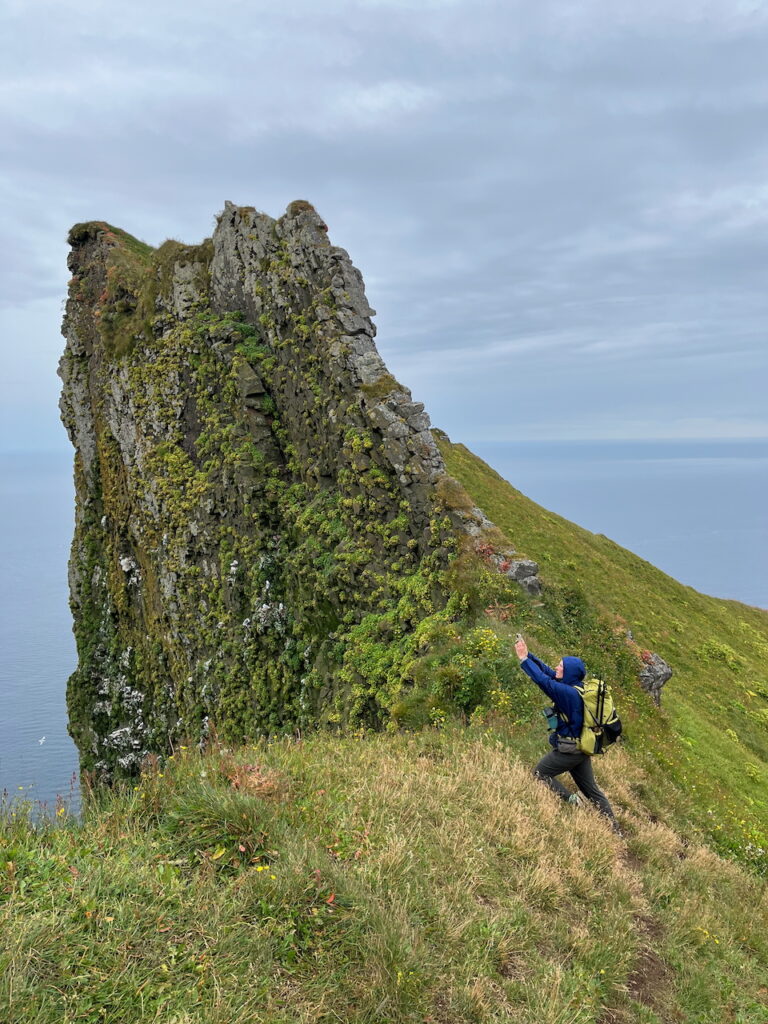
The fourth day is the crowning achievement of the trek: the passage along the sea cliffs of Hornbjarg. Standing at 500 meters above the churning sea, these cliffs are the primary nesting grounds for guillemots, razorbills, kittiwakes, and the iconic puffin. The experience is both visceral and auditory, as the collective cacophony of millions of birds creates an overwhelming soundscape.
Day 5: The Lighthouse and the Shore
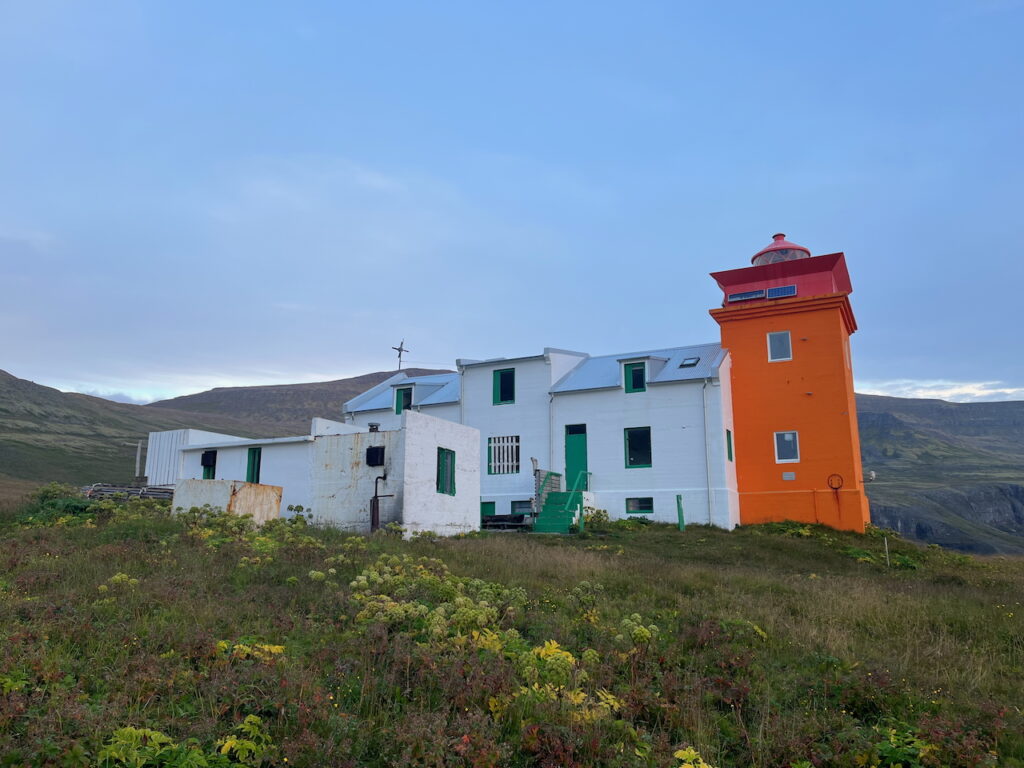
The trek continues toward the Hornbjargsviti Lighthouse. This isolated structure is a beacon for those navigating the coast. The fifth day offers a brief respite, with time to explore the shoreline and witness the sunrise over the North Atlantic, a moment of profound solitude that defines the Hornstrandir experience.
Day 6: The Return to Civilization
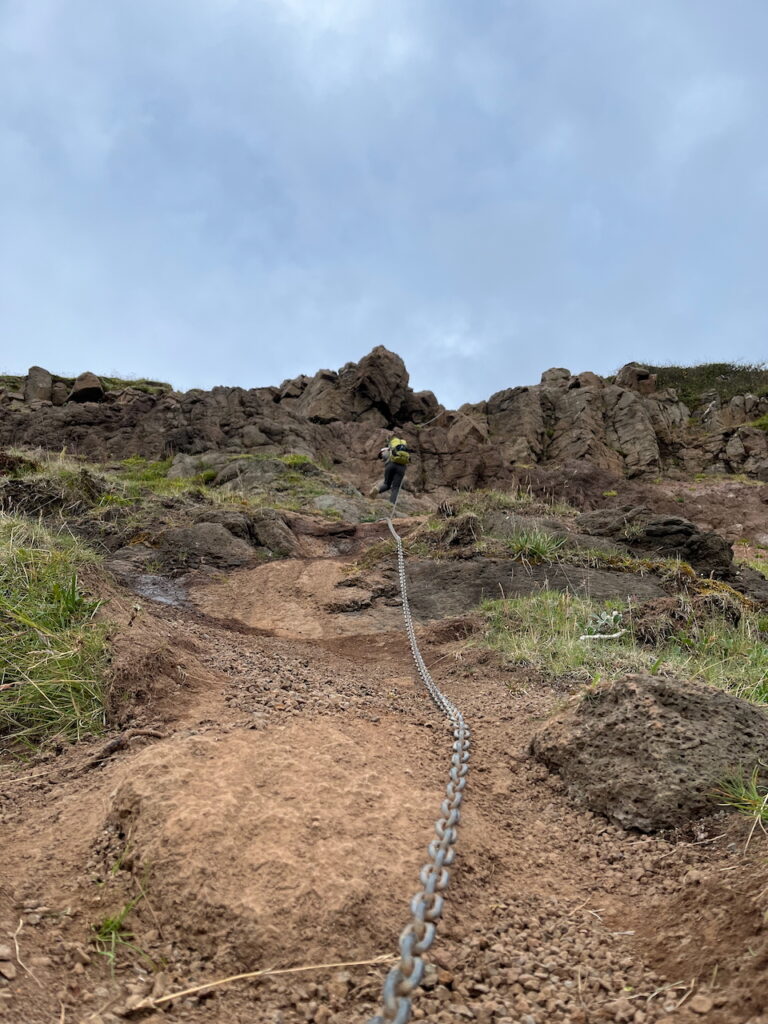
The final day is a push back toward Hesteyri, crossing the final mountain passes. The return is a bittersweet transition; as the silhouette of the boat arrives at the dock to return us to the modern world, the sight of a pod of humpback whales in the fjord serves as a final reminder of the untamed majesty left behind.
Supporting Data: Biodiversity and Climate
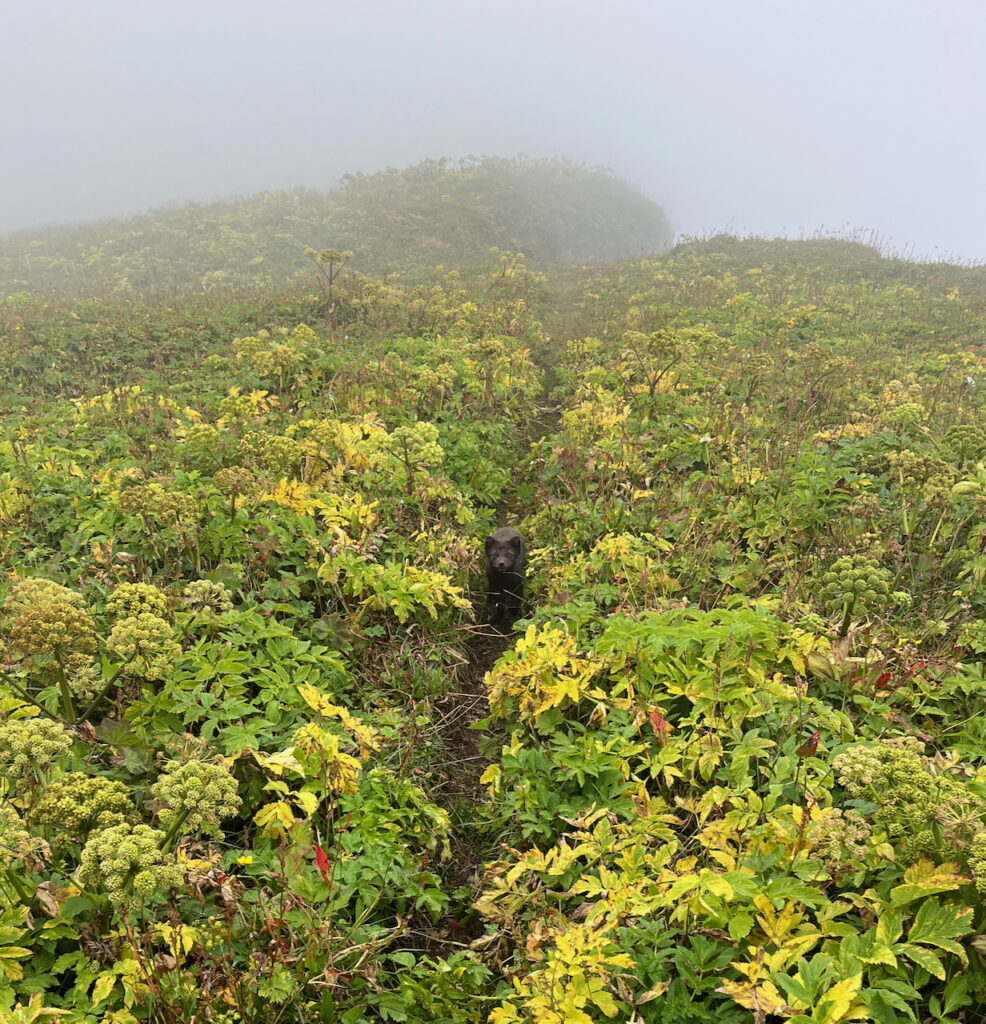
The ecological health of Hornstrandir is a subject of significant interest for environmental scientists. The absence of grazing animals has led to a "rewilding" of the peninsula. The Arctic fox population is particularly robust here, with two color morphs: the "white" (which molts to a white winter coat) and the "blue" (which maintains a dark, slate-grey coat year-round). In Hornstrandir, the blue morph is predominant, a testament to the specific evolutionary pressures of the Icelandic climate.
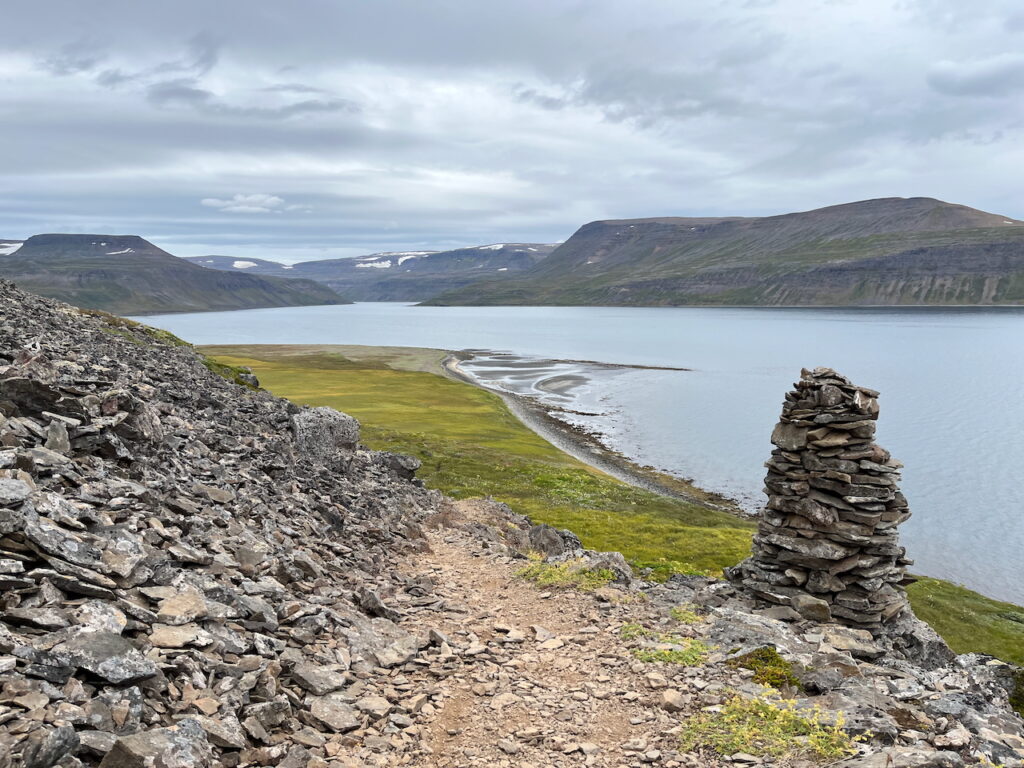
The cliffs are not merely scenic; they are essential biological infrastructure. The nutrient-rich droppings from the seabird colonies (guano) fertilize the slopes, creating a unique micro-ecosystem that supports lush, emerald-green vegetation in stark contrast to the surrounding grey rock.
Official Perspectives: Managing the Reserve
The Environment Agency of Iceland (Umhverfisstofnun) manages Hornstrandir with a "leave no trace" mandate that is strictly enforced. Because there are no waste management facilities, all trash must be packed out. Furthermore, campers are encouraged to use established sites to prevent soil erosion in the fragile tundra, which can take decades to recover from a single trampling.
Officials emphasize that while the area is open to the public, the responsibility for safety lies entirely with the individual. There are no search-and-rescue teams on standby in the immediate vicinity; help, if required, is hours away.
Implications: The Future of Remote Tourism
Hornstrandir stands as a case study in the challenges of modern conservation. As global interest in "extreme" and "remote" travel increases, the peninsula faces the pressure of human impact. However, its lack of accessibility remains its most effective protection.
The experience of hiking Hornstrandir is not just about physical exertion; it is about the mental recalibration that occurs when one is removed from the digital noise of the 21st century. It forces a return to basics: water source management, calorie tracking, and the constant, rhythmic reading of the weather.
For those who make the journey, the implication is clear: this is a place that does not accommodate human desires; it requires human adaptation. The preservation of Hornstrandir as an untouched wilderness depends entirely on the continued commitment of its visitors to treat the landscape with the reverence it demands. It is a fragile, primeval masterpiece, and it is perhaps one of the few places left on Earth where one can truly feel the sheer scale of the planet, unmediated and wild.