In the world of ultralight backpacking, every ounce is scrutinized. For years, the prevailing dogma has been clear: shave weight, simplify designs, and prioritize minimalism. However, a growing body of evidence—and a collective sigh of frustration from hikers caught in sustained alpine storms—suggests that the race to the lightest possible rain jacket may be creating a critical vulnerability in our backcountry systems.
This article explores the case for why carrying a few extra ounces in a more robust, feature-rich rain shell is not a failure of ultralight philosophy, but a strategic decision for safety and performance in the "shoulder season" and high-alpine environments.
The Philosophy of the Three-Layer System
To understand the trade-offs in rainwear, we must first look at the traditional three-layer system. This framework is designed to manage thermal comfort and moisture across a spectrum of exertion and weather.
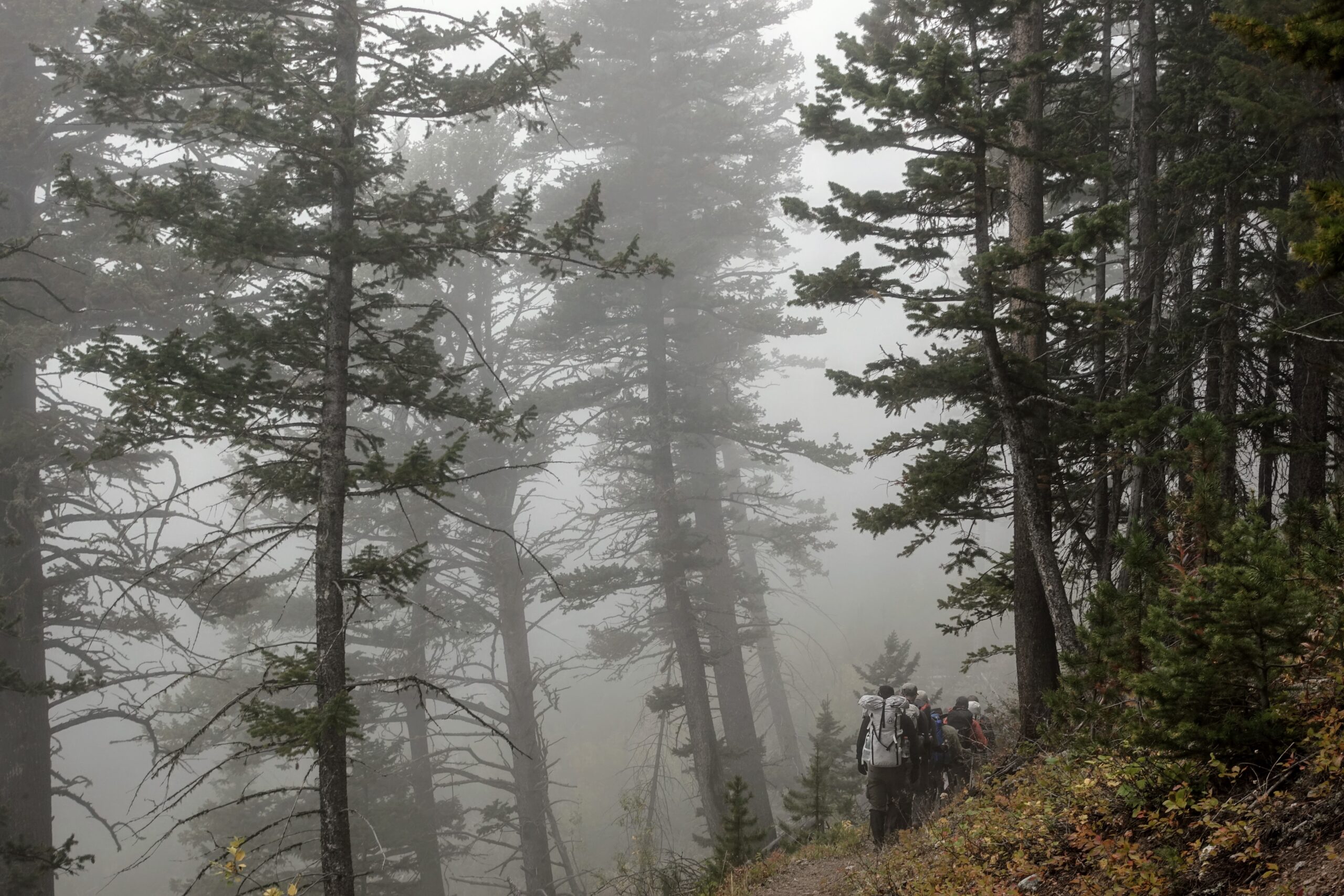
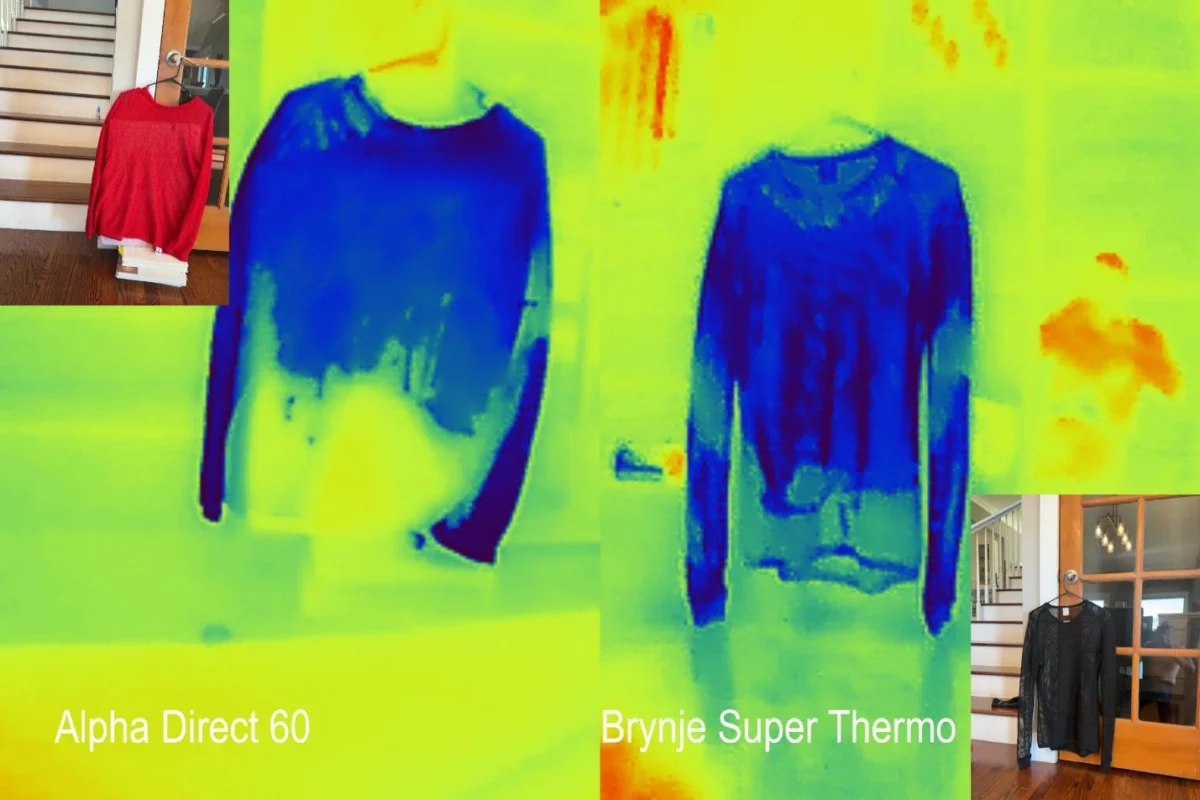
- The Base (Wicking) Layer: Designed to pull moisture away from the skin, preventing the clammy sensation of sweat against the body.
- The Mid (Warmth) Layer: Provides insulation to trap body heat.
- The Outer (Shell) Layer: Acts as the primary barrier against wind and precipitation.
The primary objective of this system is to manage the body’s moisture output. When you exert yourself, you produce sweat. If that sweat is trapped against your skin by an impermeable shell, you become wet from the inside out. Once you stop moving, that moisture acts as a thermal conductor, pulling heat away from your body—a process known as evaporative cooling. In cold, wet conditions, this can lead to a dangerous, rapid drop in core temperature.
The Ultralight Paradox: When Less Becomes More
The ultralight movement has successfully pushed gear weights to unprecedented lows. A modern, minimalist trail-running smock might weigh a mere 3.1 ounces (88g). While these garments are engineering marvels for summer days or short-duration high-output activity, they often fail when the conditions turn truly punishing.
The "ultralight compromise" typically involves three major trade-offs:
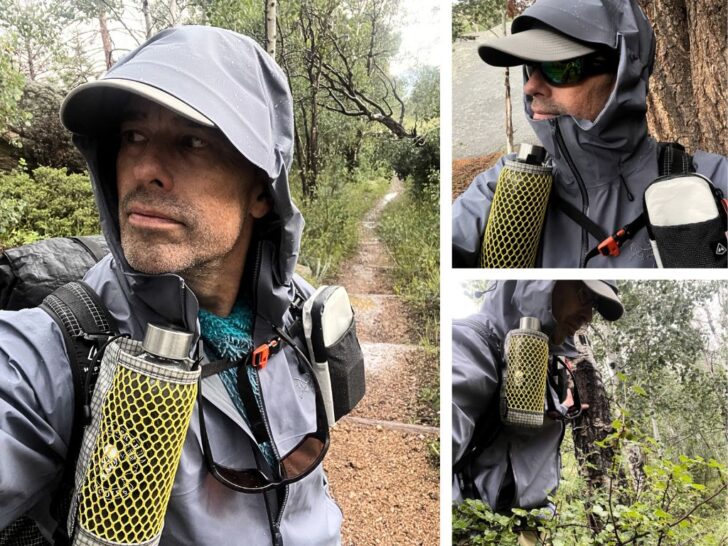
- Reduced Durability: Lighter fabrics (often 7D to 10D nylon) lack the abrasion resistance needed for bushwhacking or heavy pack-strap friction.
- Minimalist Features: To save weight, manufacturers remove pit zips, adjustable hoods, and hem cinches.
- Limited Thermoregulation: Without mechanical ventilation (like pit zips), the jacket becomes a "sauna suit." During high-exertion periods in cold weather, the user is forced to choose between being soaked by rain or soaked by their own perspiration.
The Wind-Cold-Rain Trifecta
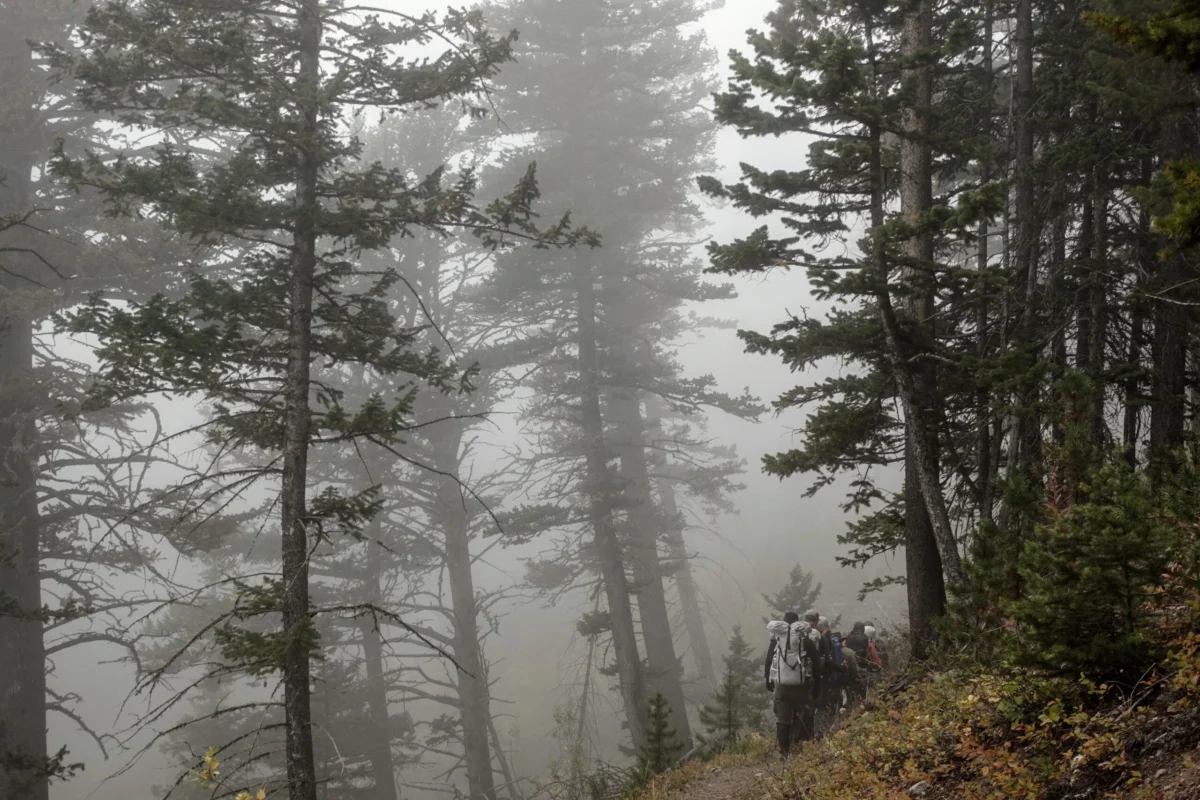
The real test of any gear system is the "trifecta": the simultaneous presence of cold temperatures (below 50°F/10°C), sustained precipitation, and wind speeds exceeding 10 mph. This combination is common in the Northern Rockies, the Pacific Northwest, and the high-alpine zones of the Sierra Nevada.
When a hiker is caught in this trifecta, the lack of mechanical ventilation in a minimalist shell becomes a critical failure point. If you cannot dump heat, you will sweat. If you sweat, you will get cold. If you stop to remove the jacket, you expose yourself to the wind and rain. A slightly heavier, 12-ounce jacket featuring high-quality ventilation and a durable 40D membrane provides the user with the ability to "tune" their microclimate without exposing their skin to the elements.
Chronology of Technical Advancement
The evolution of rainwear has shifted significantly since the early days of heavy, rubberized ponchos.

- 1970s–1990s: The era of heavy Gore-Tex and thick, non-breathable PU coatings. Gear was durable but prohibitively heavy and lacked effective ventilation.
- 2000s–2015: The rise of ultralight. The focus shifted entirely to weight reduction. Breathability ratings improved, but mechanical ventilation was often sacrificed to save a few grams.
- 2016–2025: A period of refinement. Advances in DWR (Durable Water Repellent) treatments and the emergence of ePE (expanded Polyethylene) membranes have allowed for lighter fabrics that retain higher levels of durability.
- 2026 and Beyond: We are currently seeing a market correction. Experienced hikers are increasingly seeking the "middle ground"—jackets that weigh around 10–13 ounces but offer the full suite of features: pit zips, adjustable cuffs, and helmet-compatible, brimmed hoods.
Supporting Data: Moisture Management
The science of moisture management is clear: you cannot rely solely on the "breathability" of a membrane. Even the most advanced ePTFE or ePE membranes struggle to transport moisture vapor when the humidity level outside the jacket is 100% (i.e., during heavy rain).
At these saturation points, the physics of diffusion fail. The only way to move moisture out is through convection. This is why pit zips are not "extra" features; they are essential tools for mass-transferring water vapor away from the body. In our testing, a jacket with active pit zips consistently kept a hiker’s base layer drier during high-exertion climbing than a lighter, "more breathable" jacket without vents.
Implications for the Modern Backpacker
What does this mean for your gear list? It suggests that we should move away from the "lowest weight possible" mentality and toward a "lowest weight necessary for the specific environment" philosophy.
Use Case Analysis
- The Weekend Warrior (Summer/Dry Climates): Minimalist 3-ounce shells remain the gold standard. The risk of sustained, freezing precipitation is low, and the weight savings are palpable.
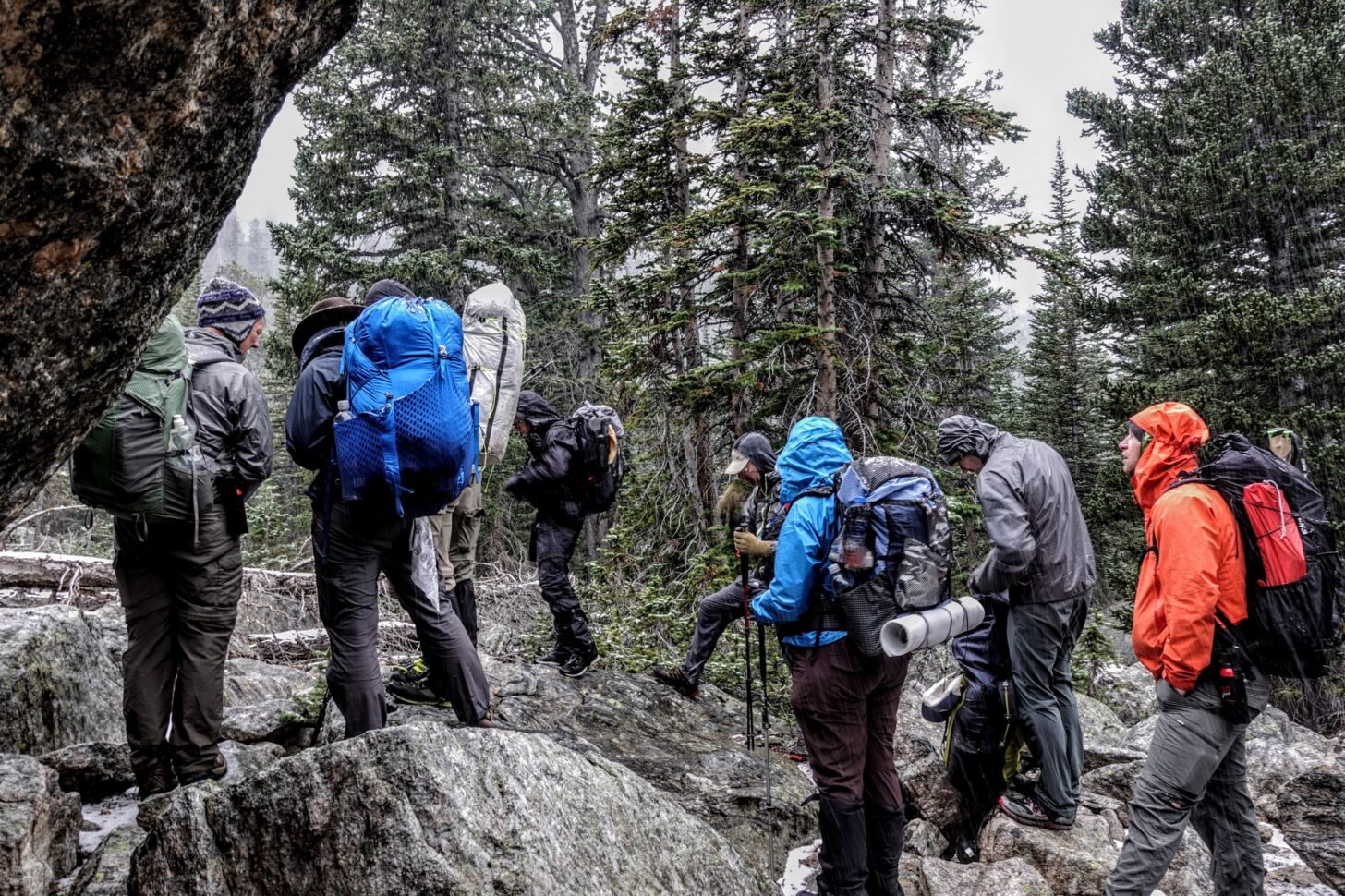
- The Thru-Hiker/High-Alpine Explorer: The case for the 10–14 ounce "workhorse" jacket is undeniable. When you are 50 miles from the nearest trailhead and the forecast calls for a week of cold, wet, and windy weather, the ability to regulate heat and trust your shell against abrasion is worth the weight of a candy bar.
The "System" Approach
When evaluating your rainwear, look for:
- Mechanical Ventilation: Pit zips are non-negotiable for high-exertion hiking.
- Hood Architecture: A hood that moves with your head and features a stiffened brim is vital for maintaining visibility in driving rain.
- Fabric Weight: Look for at least 30D–40D face fabrics if you intend to spend significant time off-trail or under a heavy pack.
- DWR Maintenance: No matter the membrane, a failed DWR means the jacket "wets out," blocking breathability. Regularly washing and reapplying DWR is as important as the jacket itself.
Conclusion: A Balanced Perspective
The ultralight movement has done an incredible service to the backpacking community by proving that we can travel lighter and farther than we once thought. However, we must be careful not to let the pursuit of "the lightest" override the pursuit of "the safest."
By choosing a slightly more robust rain jacket for shoulder-season adventures, you aren’t "failing" at ultralight hiking. You are acknowledging that the mountains are a dynamic, unpredictable environment. Ultimately, the best piece of gear is the one that keeps you comfortable enough to keep moving, ensuring that your trip remains a pleasure rather than a survival situation. As the saying goes in the high country: Weight is a factor, but performance in the storm is a necessity.