In a significant leap forward for Australia’s transition toward a decarbonized grid, the State Electricity Commission of Victoria (SEC) has announced a strategic partnership to develop the Baranduda Electrical Energy Reserve. This utility-scale battery energy storage system (BESS), a collaborative effort involving Aware Super and Birdwood Energy, represents a cornerstone project in the state’s long-term energy security strategy. By leveraging advanced lithium-ion storage technology and strategic grid placement, the project aims to stabilize the energy market while facilitating the integration of renewable generation.
Main Facts: A New Pillar of Victorian Energy Security
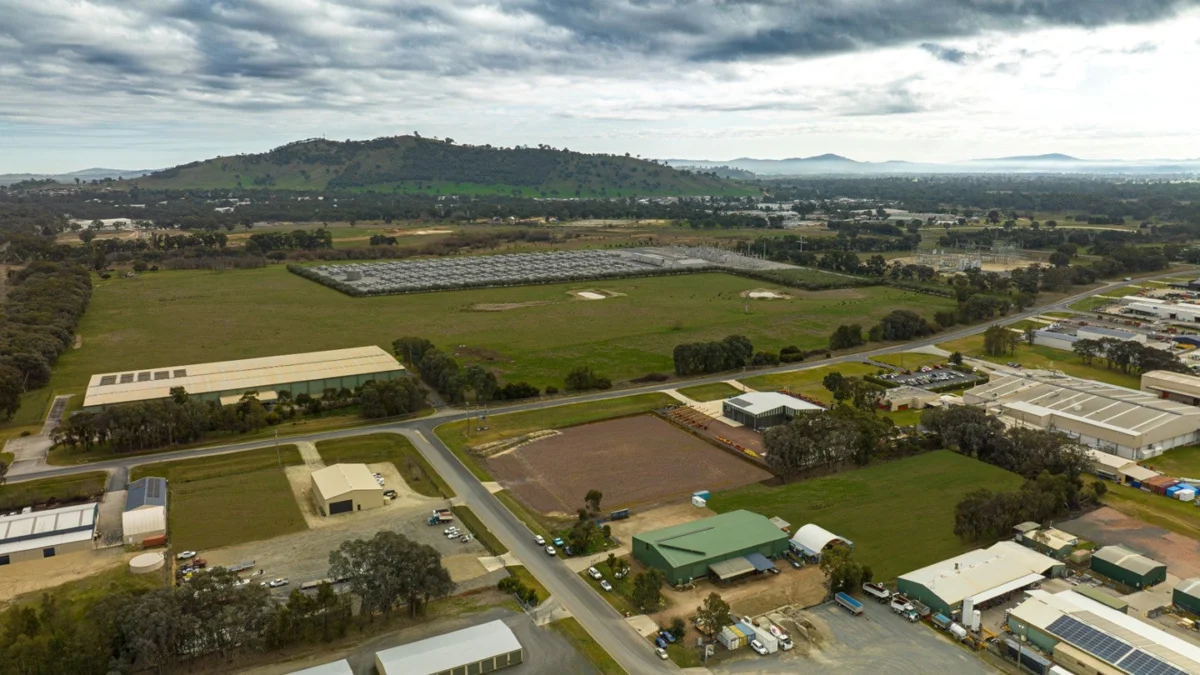
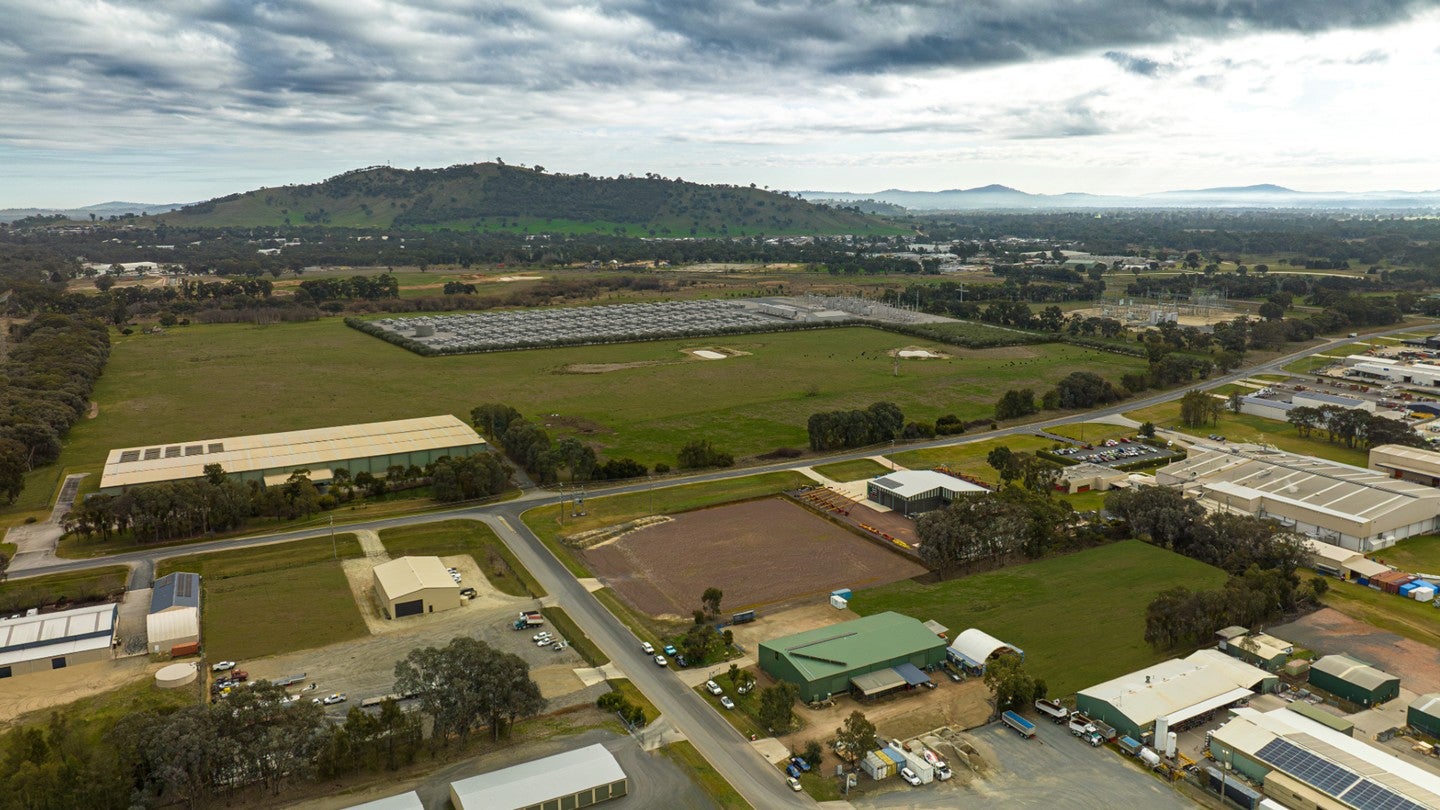
The Baranduda Electrical Energy Reserve is not merely another storage facility; it is a high-capacity infrastructure project designed to address the volatility inherent in renewable energy integration. Situated in the town of Wodonga, the facility will be positioned directly adjacent to the Wodonga Terminal Station, a vital node on the 330kV high-voltage interconnector that links the Victorian and New South Wales (NSW) power grids.
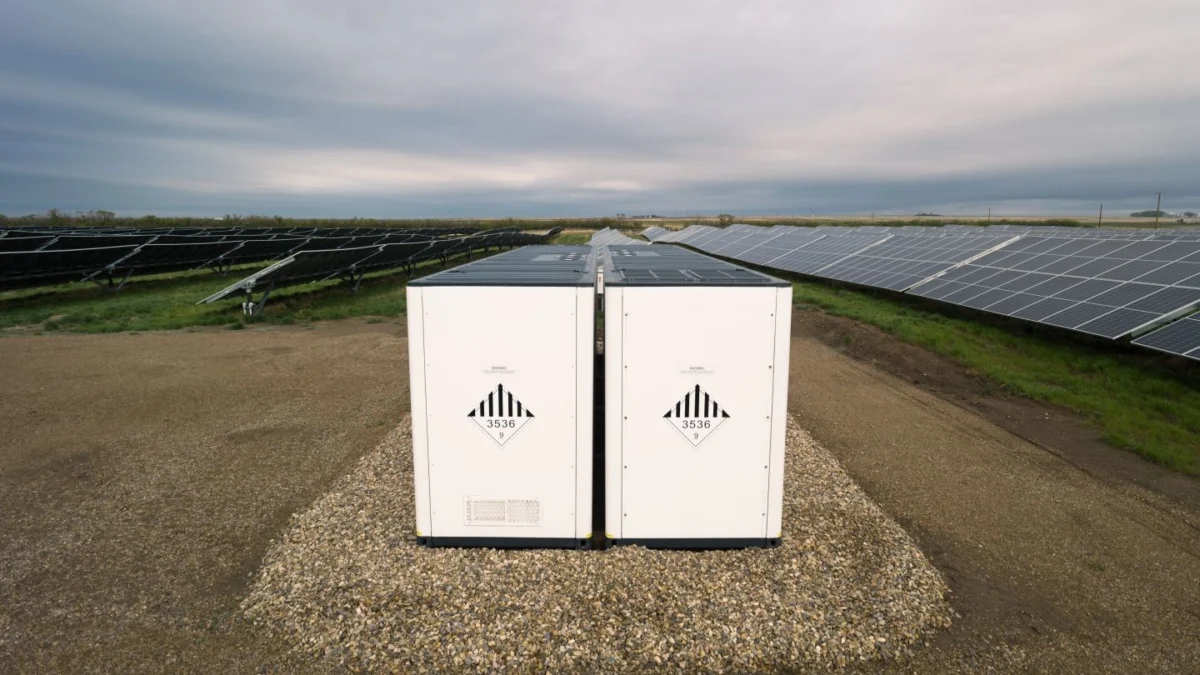
The specifications of the facility are substantial. The project is designed with a total capacity of 400MW, providing a total energy storage capacity of 1.86 gigawatt-hours (GWh). To ensure operational flexibility and grid reliability, the facility will be partitioned into four independent units. Each unit is rated at 100MW/465MWh and possesses its own dedicated connection to the national grid. This modular design allows for granular control, enabling grid operators to deploy power in response to specific localized demands or broad system-wide fluctuations.
Once operational, the battery is expected to have the capability to power more than 200,000 Victorian homes during peak evening hours—a critical time when solar production drops off and consumer demand typically spikes. The SEC has committed an investment of up to $30.6 million (A$43 million) to secure a minority stake in the project, complemented by a 15-year offtake agreement that secures half of the facility’s output for government and commercial retail contracts.
Chronology: From Concept to Commissioning
The trajectory of the Baranduda project is defined by a rigorous development timeline aimed at meeting Victoria’s aggressive renewable energy targets.
- Early Development Phase: The project was conceived as part of the Birdwood Energy Storage and Transition platform, a specialized investment vehicle managed by Birdwood in partnership with Aware Super. The site selection process prioritized the Wodonga Terminal Station due to its role as a bottleneck-mitigation point on the interstate interconnector.
- Finalization of Agreements: Following months of negotiations, the SEC formalized its partnership with Aware Super and Birdwood in late 2026, solidifying the funding structure and the long-term offtake arrangement.
- Construction Kick-off: Site mobilization is scheduled to commence in November 2026. This phase is projected to be a significant economic driver for the Wodonga region, with an estimated 150 jobs to be created during the construction window.
- Operational Horizon: The project is currently on track to achieve full commissioning and commercial operation by late 2028. The multi-year lead time accounts for the complexities of integrating high-voltage infrastructure and the procurement of advanced battery cells.
Supporting Data: The Mechanics of the Storage Shift
The energy landscape in Australia is shifting from a centralized, fossil-fuel-dependent model to a decentralized, renewable-heavy one. Storage is the "missing link" that allows this transition to function.
Technical Specifications
- Total Capacity: 400MW
- Total Energy Storage: 1.86GWh
- Duration: 4.65 hours (per unit)
- Configuration: Four independent 100MW/465MWh blocks
- Grid Interconnection: 330kV Victoria–NSW Interconnector
The 4.65-hour duration is particularly noteworthy. While many early-stage grid batteries were designed for short-duration "frequency control" (lasting 30 minutes to two hours), the Baranduda project is classified as "medium-to-long duration" storage. This capacity is essential for "energy shifting"—the ability to capture excess wind or solar energy generated during the day and discharge it across the entire evening peak.
Economic and Market Dynamics
The financial structure of the project is designed to hedge against price volatility. By splitting the output—50% for fixed-term government and retail contracts and 50% for the merchant market—the developers ensure a steady revenue stream while maintaining the ability to capitalize on high-price events in the National Electricity Market (NEM). This dual-track approach reduces risk for institutional investors like Aware Super while ensuring the Victorian government has a guaranteed supply of power for its retail initiatives.
Official Responses: Aligning Public and Private Interests
The partnership between a government entity (SEC) and a major institutional investor (Aware Super) reflects the "blended finance" model increasingly popular in large-scale infrastructure.
The Investor Perspective
Jenny Newmarch, Head of Private Markets at Aware Super, emphasized the alignment between the project and the fund’s fiduciary responsibilities to its 1.3 million members. "Baranduda is an important investment for our members and a strong fit with our growing energy-storage portfolio," Newmarch stated. She noted that long-duration storage is not merely an environmental goal but a commercial necessity. "This project reflects our confidence in the role of storage in supporting a more reliable and renewable energy system."
The Government Strategy
For the SEC, the project represents a return to active involvement in energy market infrastructure. CEO Chris Miller underscored the strategic importance of the site. "The battery’s strategic location will bolster Victoria’s energy security by enabling increased electricity flows during periods of high demand, network congestion, or unexpected outages," Miller explained. By securing the 15-year offtake, the SEC ensures that the benefits of the battery—lower prices and increased reliability—are passed directly to Victorian consumers.
Implications: A Catalyst for the Grid Transition
The Baranduda project carries significant implications for the future of the Australian energy sector, particularly in three key areas:
1. Relieving Network Congestion
The Victoria–NSW interconnector is a vital artery for the NEM, but it is prone to congestion during periods of high renewable output. By placing a 400MW battery at the Wodonga Terminal Station, the project acts as a "buffer" that can absorb excess energy that would otherwise be curtailed, effectively increasing the usable capacity of the interconnector.
2. Setting a Benchmark for "Long-Duration"
As Australia phases out coal-fired power plants, the market is finding that "fast-frequency" batteries are not enough to bridge the gap during extended periods of low wind or solar output. The 4.65-hour discharge capability of the Baranduda reserve sets a new standard for utility-scale projects in the region, signaling a shift toward storage that can provide genuine firming services to the grid.
3. Economic Revitalization
Beyond the 150 construction jobs, the project provides long-term stability for the Wodonga region’s energy infrastructure. It reinforces Victoria’s position as a leader in renewable energy development and demonstrates that public-private partnerships can effectively navigate the technical and financial hurdles of the energy transition.
In conclusion, the Baranduda Electrical Energy Reserve is more than a collection of lithium-ion cells; it is a tactical piece of infrastructure that addresses the fundamental challenges of the 21st-century power grid. As construction moves toward the 2026 start date, all eyes will be on how this facility integrates into the broader NEM, potentially serving as a blueprint for future storage deployments across Australia. The project underscores a clear, shared vision: a renewable-led future that is as reliable and affordable as the system it is destined to replace.