In November 2024, a pivotal collaboration unfolded between the Whitewater Rescue Institute (WRI) and India’s premier outdoor expedition firm, Aquaterra Adventures. WRI instructors Ben Schmidt and Sam Johnston embarked on an extensive journey across Northwestern and Northeastern India, tasked with embedding advanced swiftwater rescue protocols into the operations of one of the industry’s most respected guide teams. This partnership served as both a technical exchange and a profound cultural immersion, bridging the gap between North American rescue methodologies and the immense, complex river systems of the Himalayas.
Main Facts: A Global Standard for River Safety
The core objective of the WRI mission was the professional development of the Aquaterra Adventures guide team. Aquaterra, widely recognized as a leader in the outdoor industry, manages a diverse portfolio of river expeditions and trekking adventures. Given the scale of the Indian river systems—particularly the Ganga and the Brahmaputra—the need for a unified, high-level approach to risk management is paramount.
The curriculum delivered by Schmidt and Johnston focused on:
- Universal Risk Management: Implementing standardized upstream and downstream safety protocols.
- Technical Rescue Skills: Mastery of aggressive and defensive swimming, advanced throw-bag deployment, and complex in-flow rescue scenarios.
- Emergency Planning: Establishing systematic frameworks for rapid response during commercial expeditions.
By standardizing these practices, WRI and Aquaterra aim to ensure that the next generation of Indian river guides operates with a globally recognized safety vocabulary, further elevating the standard of adventure tourism in the region.

Chronology: From the Banks of the Ganga to the Brahmaputra
Phase I: The Sacred Waters of Rishikesh
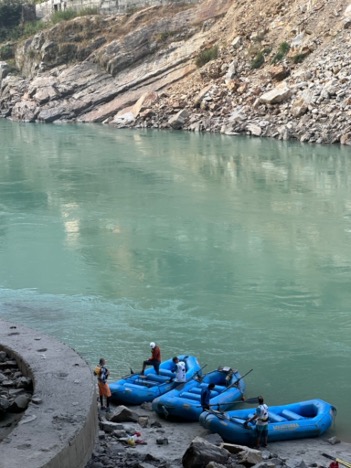
The journey began in Dehradun, transitioning into the vibrant, sensory-rich environment of Rishikesh. The instructors arrived at Atali Ganga, the Aquaterra basecamp, which serves as a nexus for outdoor exploration in the region. Nestled in the Valley of the Ganga, the basecamp offers a vantage point over the sacred, turquoise currents of the river.
During this ten-day intensive, Schmidt and Johnston integrated themselves into the local guide community. The training was not merely a top-down lecture series but a bilateral exchange of knowledge. The WRI instructors noted that many of the local guides grew up on these tributaries, possessing an intuitive, generational understanding of the water that complemented the WRI’s structured, technical curriculum.

Phase II: The Logistics of Exploration
Following the training in the north, the instructors traveled to New Delhi to coordinate with Aquaterra owner Vaibhav Kala. This stage of the trip highlighted the logistical complexity of organizing expeditions in remote Indian provinces. Under the expert guidance of Kala, the team successfully navigated the transit to Dibrugarh, the gateway to the Brahmaputra. The level of support provided by the Aquaterra leadership was described by the WRI team as "indispensable," covering everything from flight scheduling to the nuanced cultural knowledge required to navigate local environments safely.
Phase III: The Brahmaputra Expedition
The final leg of the journey took the team into the heart of Arunachal Pradesh. The Brahmaputra is a legendary entity in the world of whitewater, known for its sheer volume and intimidating scale. The team joined a group of seasoned professionals, many of whom had been navigating these rapids for decades. The expedition served as the ultimate testing ground for the communication and safety strategies discussed during the classroom portion of the trip.

Supporting Data and Technical Observations
The scale of the Brahmaputra is difficult to quantify for those accustomed to smaller river systems. According to onboard monitoring equipment—specifically, a Garmin device utilized by Sam Johnston—the team encountered rapids characterized by 30-foot wave faces and lateral water movements the size of buses. The river speeds reached sustained velocities of 20 miles per hour.
For the guides, navigating these features requires extreme physical endurance and precise, high-stakes decision-making. The interaction between the guides—led by veteran river runners like Rana G—and the WRI instructors demonstrated the efficacy of the "Hard Forward!" command structure, proving that even in massive, chaotic whitewater, standardized communication protocols are the primary defense against catastrophe.

Official Perspectives and Cultural Exchange
The synergy between WRI and Aquaterra Adventures was defined by mutual respect. Sam Johnston, in his reflections on the journey, emphasized that the "hospitality and expertise of the Aquaterra team were unparalleled."
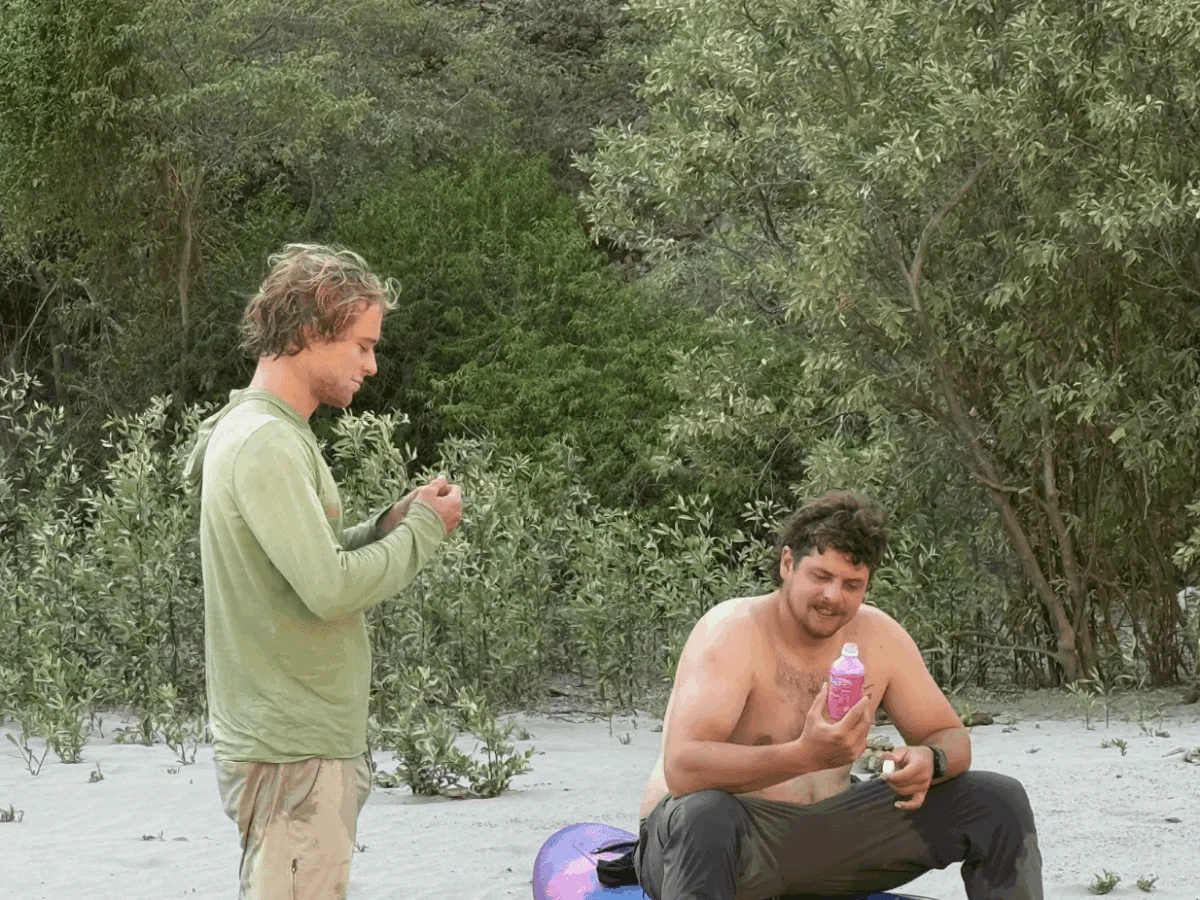
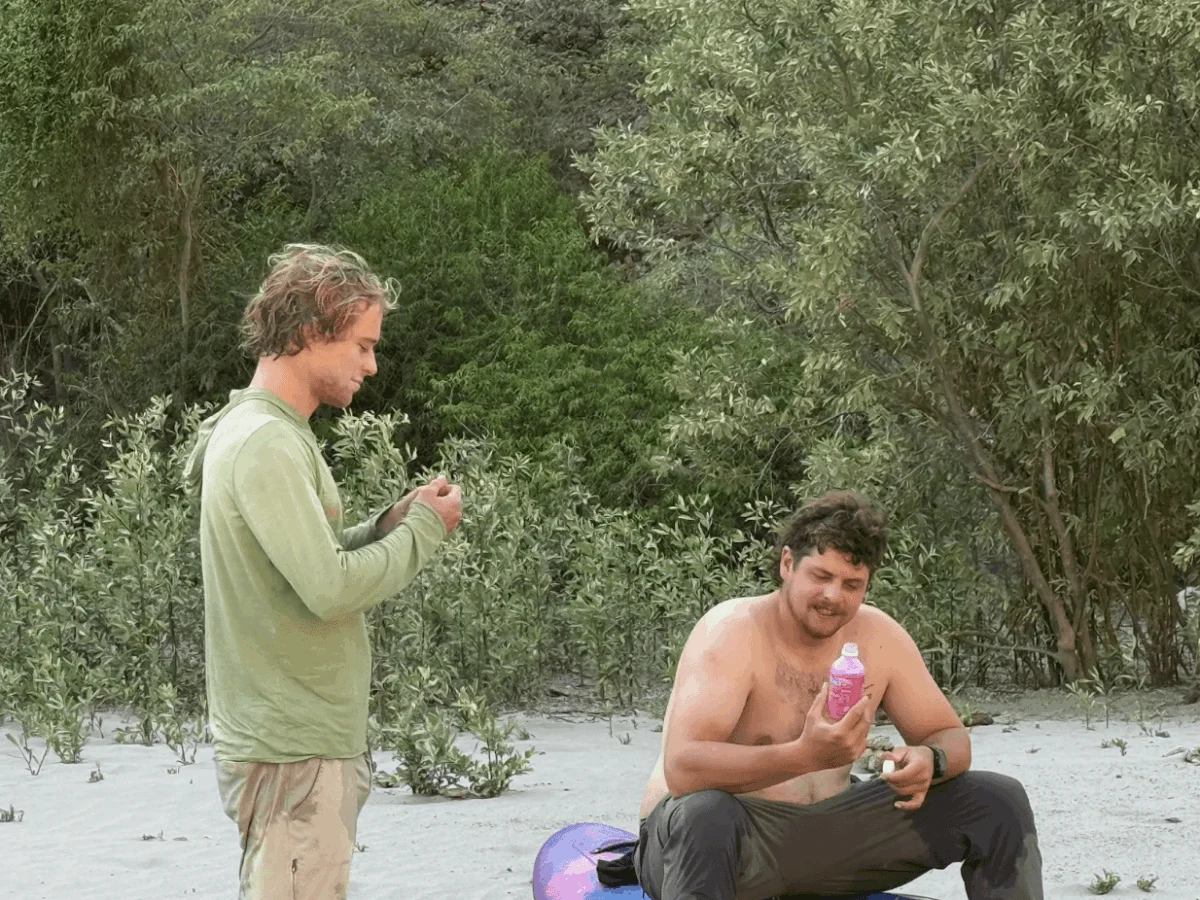
The evenings were characterized by storytelling sessions around driftwood fires, where the history of the Brahmaputra was recounted. The Aquaterra team, having first run these sections 22 years ago, provided the WRI instructors with a deep historical context of the river’s evolution. This dialogue served as the emotional foundation of the partnership, shifting the focus from purely technical instruction to a shared mission of environmental and safety stewardship.

"The students’ passion to learn and master these techniques was truly inspiring," noted Johnston. "Their knowledge, river skills, and experience were humbling. It stands to reason that guides who grow up near the biggest mountains and the biggest whitewater in the world develop world-class skills."
Implications: The Future of Swiftwater Rescue
The implications of this mission extend far beyond a single training session. The successful integration of WRI curriculum into the Aquaterra operation signifies a move toward a more globalized, interconnected safety network for river professionals.

Professional Standardization
By fostering a spirit of collaboration, the WRI has empowered local guides to act as regional ambassadors for safety. The intention is for these guides to not only utilize these skills in their commercial ventures but to pass them on to other local enthusiasts, creating a ripple effect of safety awareness throughout India’s outdoor sector.
Stewardship of Wild Places
The journey underscored a critical philosophy for modern adventure professionals: that the objective of river-running is not "conquest," but rather a process of internal growth. This perspective is vital for the preservation of wild rivers. As tourism increases in remote areas like Arunachal Pradesh, the responsibility of guides to act as stewards—protecting the ecosystem while ensuring the safety of their guests—becomes increasingly significant.

A Model for Future Missions
The WRI-Aquaterra collaboration sets a blueprint for future international rescue training. It highlights that the most effective way to improve safety standards in emerging markets is to pair technical rigor with deep cultural empathy. By respecting local knowledge and providing high-level technical frameworks, organizations like WRI can help ensure that the world’s most spectacular and challenging rivers remain accessible yet safe for future generations of paddlers.
As Ben Schmidt and Sam Johnston returned to the United States, they left behind not just a set of techniques, but a stronger, more resilient community of guides. The Brahmaputra and the Ganga remain as powerful as ever, but for those who navigate them, the currents are now a little more predictable, and the stories shared along the banks are backed by a new, shared commitment to professional excellence. The partnership serves as a testament to the idea that within every rapid and every river bend, there is a story of human ingenuity, resilience, and the enduring quest to master the elements.