In the quiet, disciplined world of Finnish judo, a seismic shift has taken place over the past few years. Long considered a niche sport in a nation dominated by ice hockey and cross-country skiing, Finnish judo has transformed into a high-performance powerhouse. By abandoning fragmented resources and embracing a rigorous, centralized, and psychologically demanding philosophy, Finland has moved from the periphery of international competition to the center of the podium.
The recent string of successes—spearheaded by stars like Martti Puumalainen and Luukas Saha—is not the result of a lucky generation, but the fruit of a deliberate, systemic overhaul that has redefined what it means to be a professional athlete in Finland.
The Catalyst for Change: A Chronology of Success
The transformation began with a cold, hard look at the scoreboard. For decades, Finnish judo struggled to maintain a consistent presence at the elite level. That changed in 2023 when Martti Puumalainen captured the European Championship gold in the over-100kg category, shattering the glass ceiling for his peers.
The momentum did not stop there. In 2024, Luukas Saha secured a bronze medal at the World Championships, ending a 43-year drought for Finland at the sport’s most prestigious global stage. Saha’s ascent has been relentless; he has since solidified his status as a world-class contender with additional European Championship silver and bronze medals.
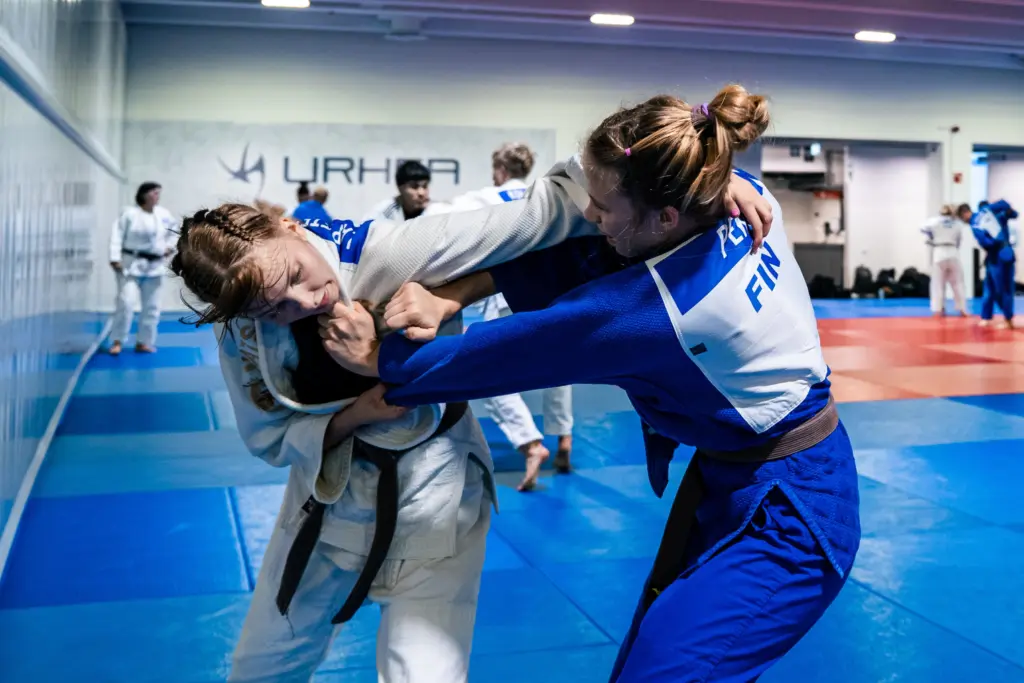
The success has cascaded down to the youth ranks, signaling that this is not a flash in the pan. In 2025, the pipeline produced two major champions: Louna-Lumia Seikkula, who claimed the U23 European title, and Sofia Pekki, who captured the U18 European crown. These victories serve as empirical evidence that the new, structured approach to talent development is functioning exactly as intended.
Breaking the Mold: The Philosophy of Rok Drakšič
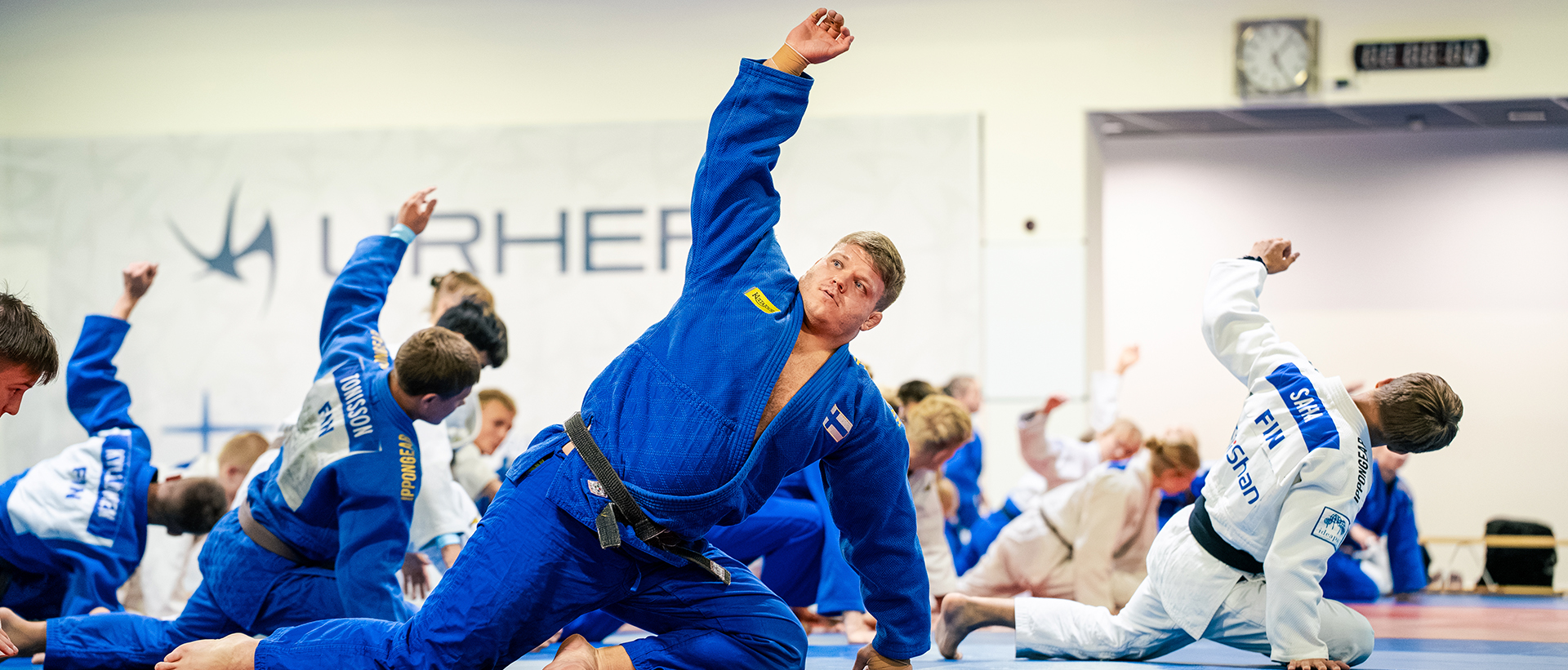
At the heart of this resurgence is the Slovenian head coach, Rok Drakšič. When he arrived in Finland, he was tasked with a monumental challenge: to build a world-class program in a country that lacked the massive athlete pools of judo giants like France or Japan.
“Finland does not have the massive base of hobbyists or the infinite resources of the world’s judo superpowers,” Drakšič explains. “We couldn’t just copy the French or Japanese models. We had to find a way to do things better, smarter, and more efficiently.”
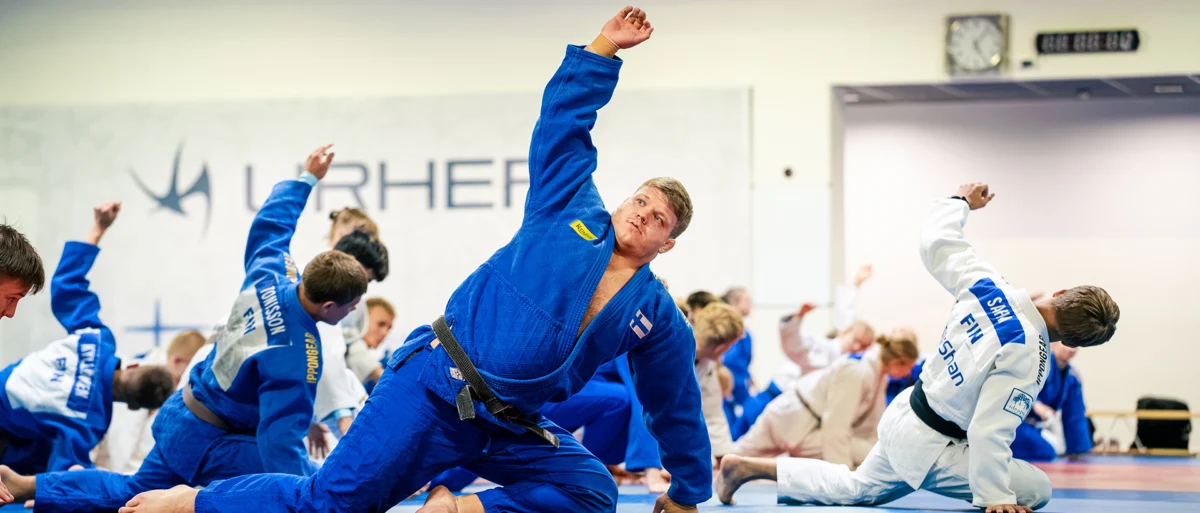
Drakšič’s arrival coincided with the maturation of the Urhea campus in Helsinki, a high-performance sports hub that allowed the Finnish Judo Association to finally consolidate its efforts. Before this, training was scattered across Pajulahti, Tampere, and the capital region. According to Otto Favén, the Judo Association’s organization and coaching manager, the lack of concentration was the program’s greatest weakness.
“Resources were spread too thin,” Favén notes. “Consolidation wasn’t an end in itself; it was a necessary mechanism to elevate our standards. We needed our athletes, coaches, and international-level training facilities in the same place to foster a true professional environment.”
The Culture of Winning: A Psychological Overhaul
One of the most profound changes implemented by Drakšič was the transition from a "participant" mindset to a "winner’s" mindset. The coach noted early on that Finnish athletes often lacked the intrinsic belief that they belonged on the podium.
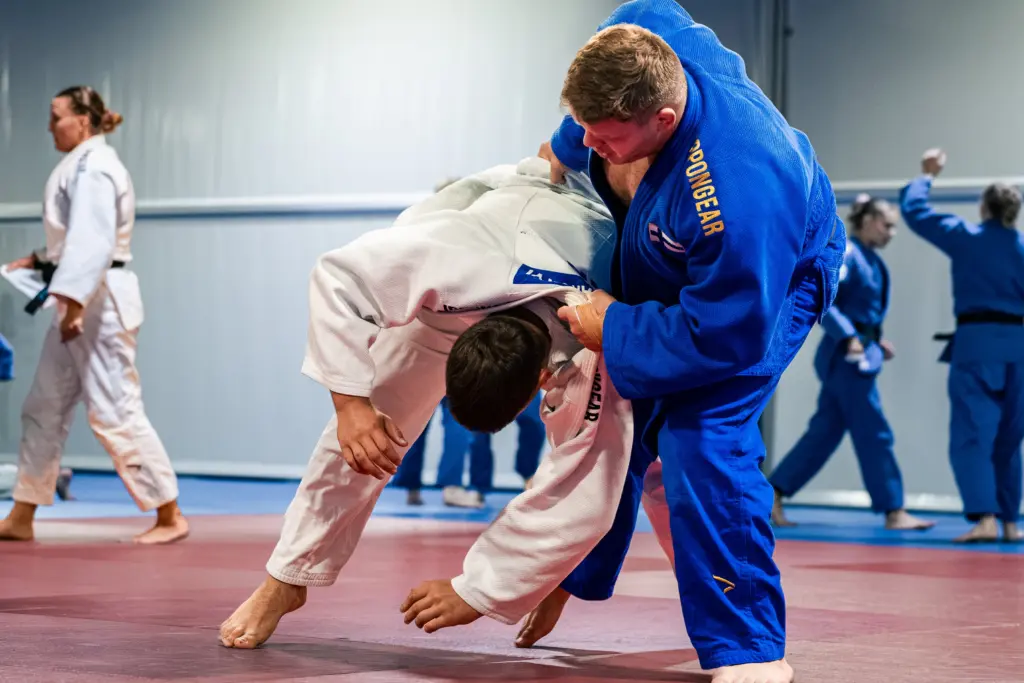
“There was no winning culture in Finland,” Drakšič observes. “Athletes didn’t know how to win. We had to start by working on their attitude.”
This meant teaching athletes to look their world-class opponents in the eye and approach every match with the genuine belief that they could—and should—emerge victorious. This psychological training was integrated into daily life. It wasn’t about grand speeches; it was about the mundane, relentless application of discipline.
“Raising the standard is about simple things: being on time, how you conduct yourself in the dojo, and how you commit to the rules,” Favén says. These behavioral expectations created a professional atmosphere where mediocrity was no longer tolerated.
The Training Engine: Harder, Faster, Smarter
Drakšič’s training philosophy is built on the principle of "more and harder." However, this does not mean reckless overtraining. Instead, it involves high-intensity, data-driven sessions designed to simulate the pressures of the Olympic stage.
- Intentional Sparring: Athletes are required to seek out training partners who are better than themselves, forcing them to constantly adapt to higher levels of resistance.
- The "No-Shortcut" Policy: Every repetition is performed at maximum effort. If an athlete takes the easy path, they are corrected immediately.
- Data-Driven Recovery: Because the training volume is so high, the team places a heavy emphasis on load management. Weekly monitoring of physical stress markers ensures that the athletes are not breaking down. The coaching staff adjusts training cycles based on objective test results, ensuring that when the athletes arrive at a major tournament, they are at their physical and mental peak.
“If we want to succeed, we cannot do the same things as everyone else,” Drakšič emphasizes. “We must do more. When you combine that work ethic with Finnish sisu (grit), you get a winning combination.”
Creating a Sustainable Pipeline
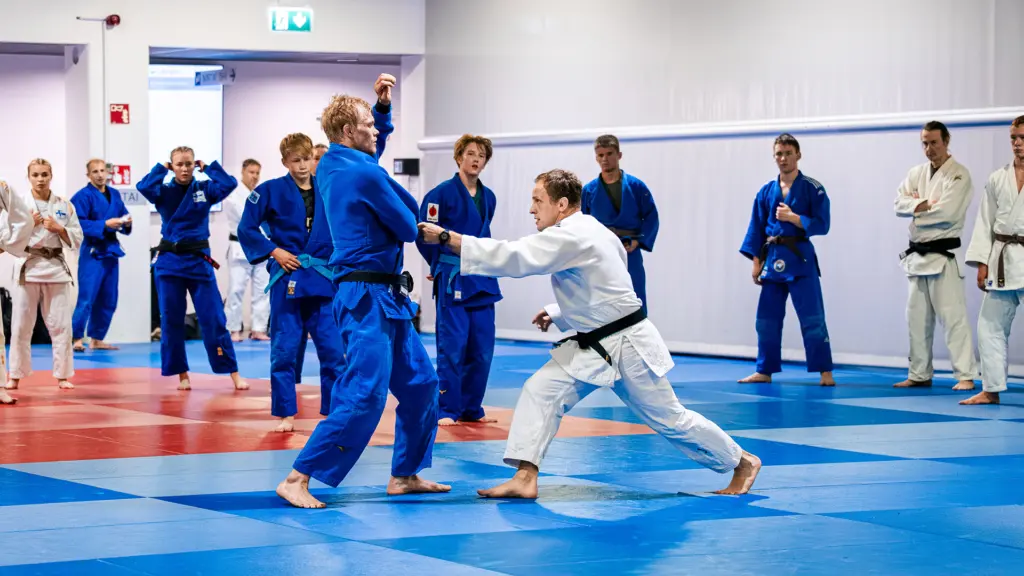
The success of the Helsinki-based elite program is currently supported by a wider network of clubs across Finland. While the elite athletes train at the center of the pyramid, the foundation remains in regional clubs.
The strategy has evolved to provide a clear, mapped-out path for young judokas. “We now have a roadmap that starts from a young age and gives athletes a realistic view of how to reach the adult professional level,” Favén explains. This clarity prevents talented youths from drifting away from the sport, as they can now see the concrete steps required to progress from a regional club to the international stage.
The inclusion of athletes like Sofia Pekki in the Finnish Olympic Committee’s "Next Generation" program further legitimizes this pathway. It provides young athletes with the funding, mentorship, and professional support needed to focus entirely on their development.
Implications for the Future: The Road to Los Angeles 2028
The ultimate test for this new system is the 2028 Los Angeles Olympics. For years, the goal was simply to return to the international medal circuit. Having achieved that, the goalpost has been moved to Olympic glory.
“We didn’t dare to set a medal goal for the Paris Olympics,” admits Favén. “But now, it is being said out loud, and for the first time, it is genuinely possible.”
However, sustainability remains the primary challenge. According to Jaana Jokinen, the High Performance Manager at the Finnish Olympic Committee, the sport must avoid the trap of complacency.
“We cannot stay still and just repeat what we did yesterday,” Jokinen warns. “The key to long-term success is the ability to innovate. We need to continue developing our coaching expertise and ensuring that these high standards become the default for the next generation.”
Conclusion: A New Era
The success of Finnish judo serves as a case study for how a smaller nation can challenge global giants through structural discipline and cultural change. By concentrating expertise in the Urhea campus and fostering a, uncompromising, high-performance mindset, Finland has transformed its judo landscape.
As the next generation of judokas trains alongside their idols, the "impossibility" of winning is replaced by a sense of expectation. The journey from the local dojo to the Olympic podium has been mapped, and for the first time in decades, the path is clear. The Finnish judo revolution is not just about the medals already won—it is about the system that ensures those medals will keep coming.