By Samuli Haapasalo
Published: August 18, 2026
At a casual glance, the pipit family—Anthus—might appear to the untrained eye as little more than a collection of inconspicuous, grayish-brown sparrows. They are birds that do not demand attention with flamboyant plumage or boisterous displays. However, to the seasoned naturalist, the absence of these birds would leave a deafening silence in the wild landscapes of the North.
From the sweeping meadows of the south to the desolate, wind-battered cliffs of the Arctic, pipits serve as the acoustic heartbeat of our wilderness. Whether it is the rhythmic "ist-ist" flight call of the Meadow Pipit, the piercing and elongated "psiiii" of the Red-throated Pipit in Lapland, or the stoic, rugged presence of the Rock Pipit on our barren coasts, these birds are essential threads in the ecological fabric of the North.
Main Facts: Identifying the Subtle Differences
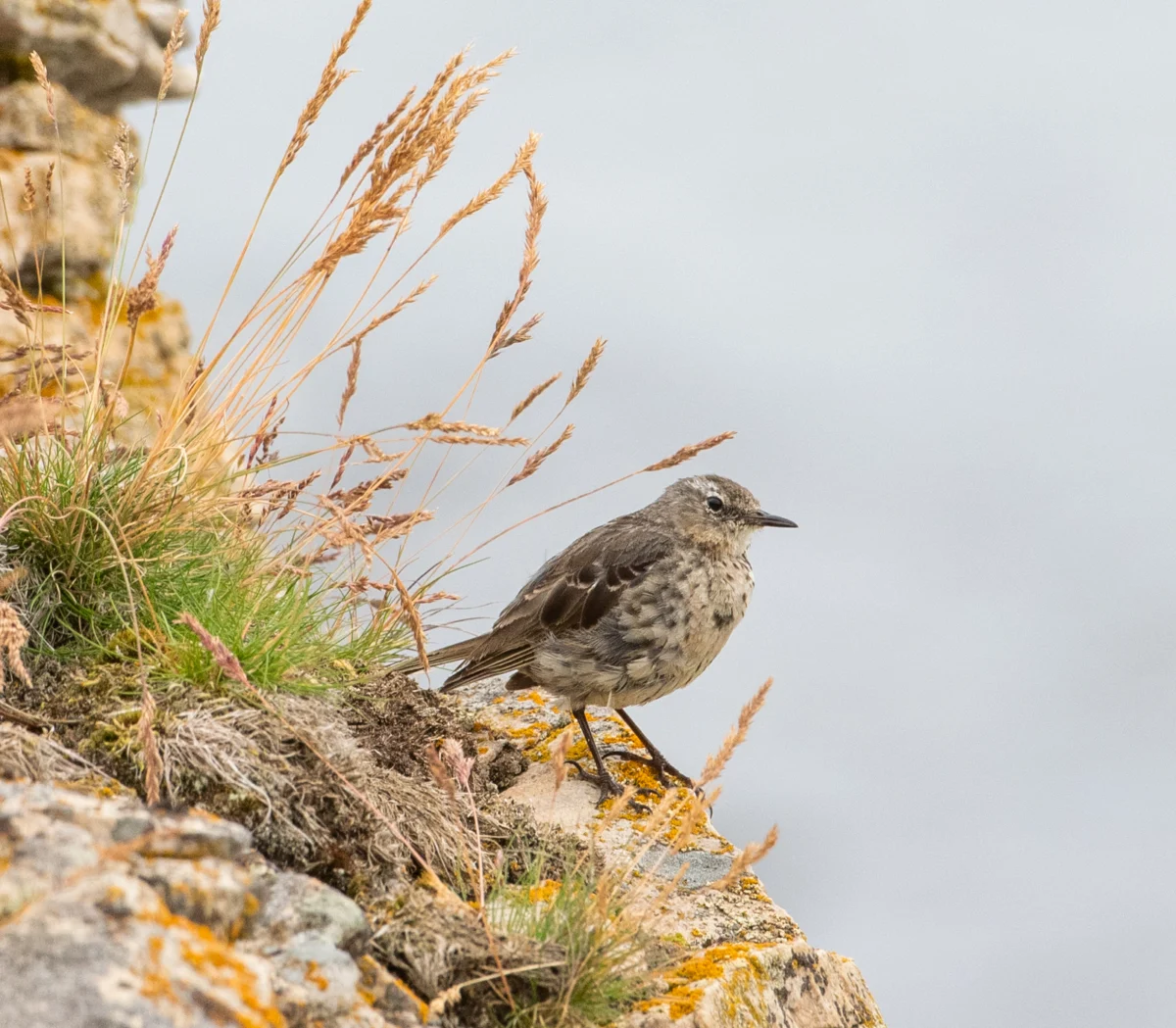
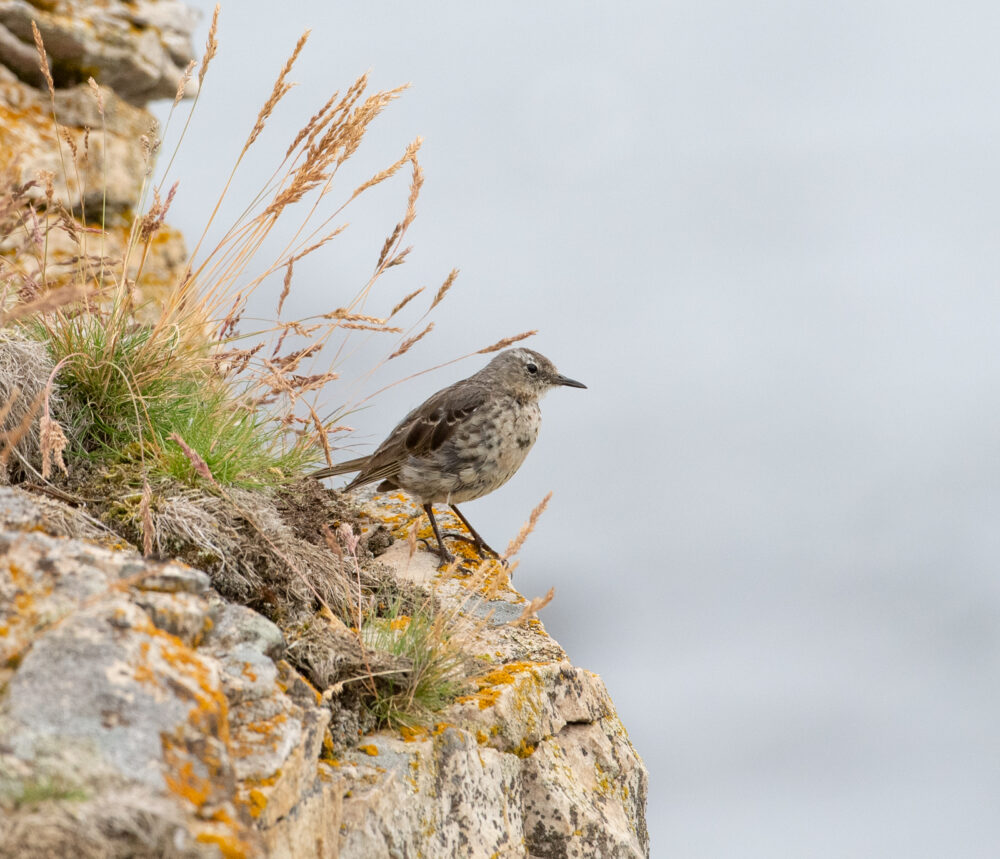
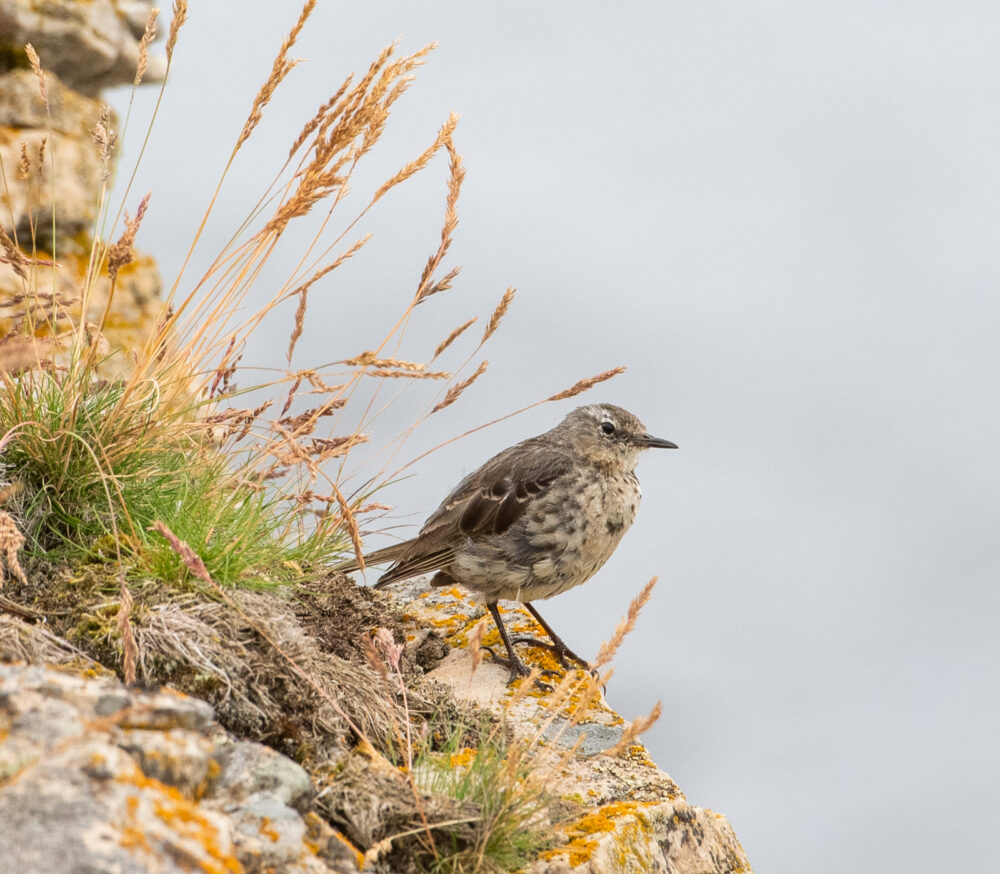
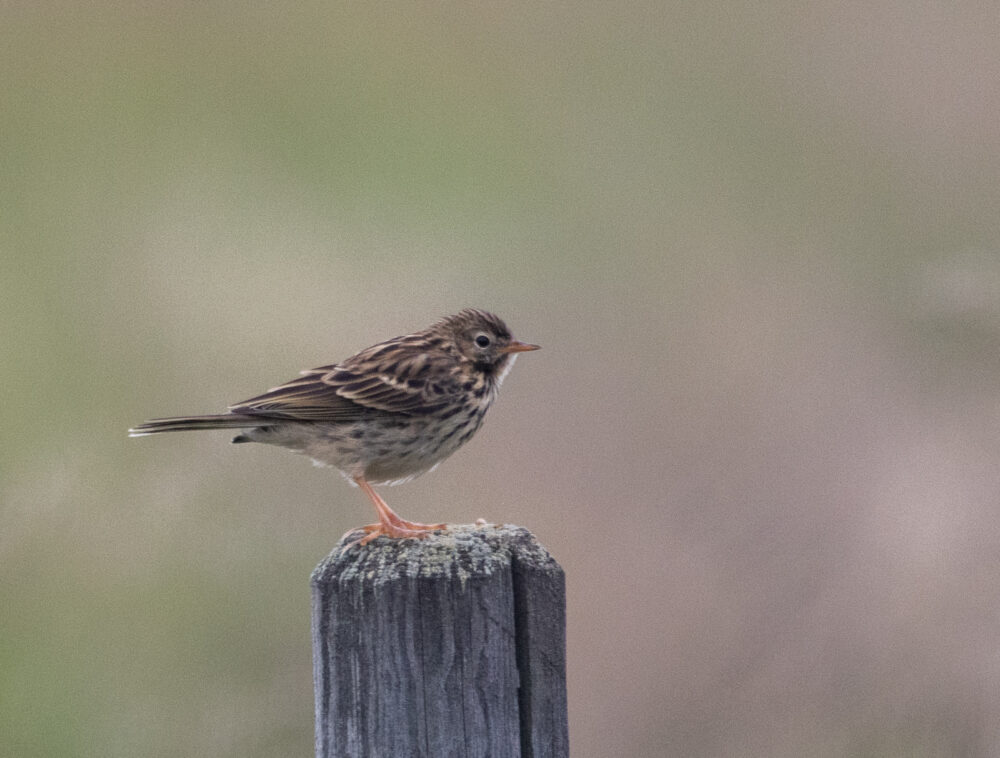
The Rock Pipit (Anthus petrosus) is a master of its environment, possessing specific evolutionary adaptations that distinguish it from its cousins. While often confused with the more common Meadow Pipit, a closer look reveals key diagnostic features: the Rock Pipit boasts significantly longer, darker legs, a slightly more robust beak, an indistinct, shadowy eye-stripe, and a faint, almost ghostly pale eye-ring.
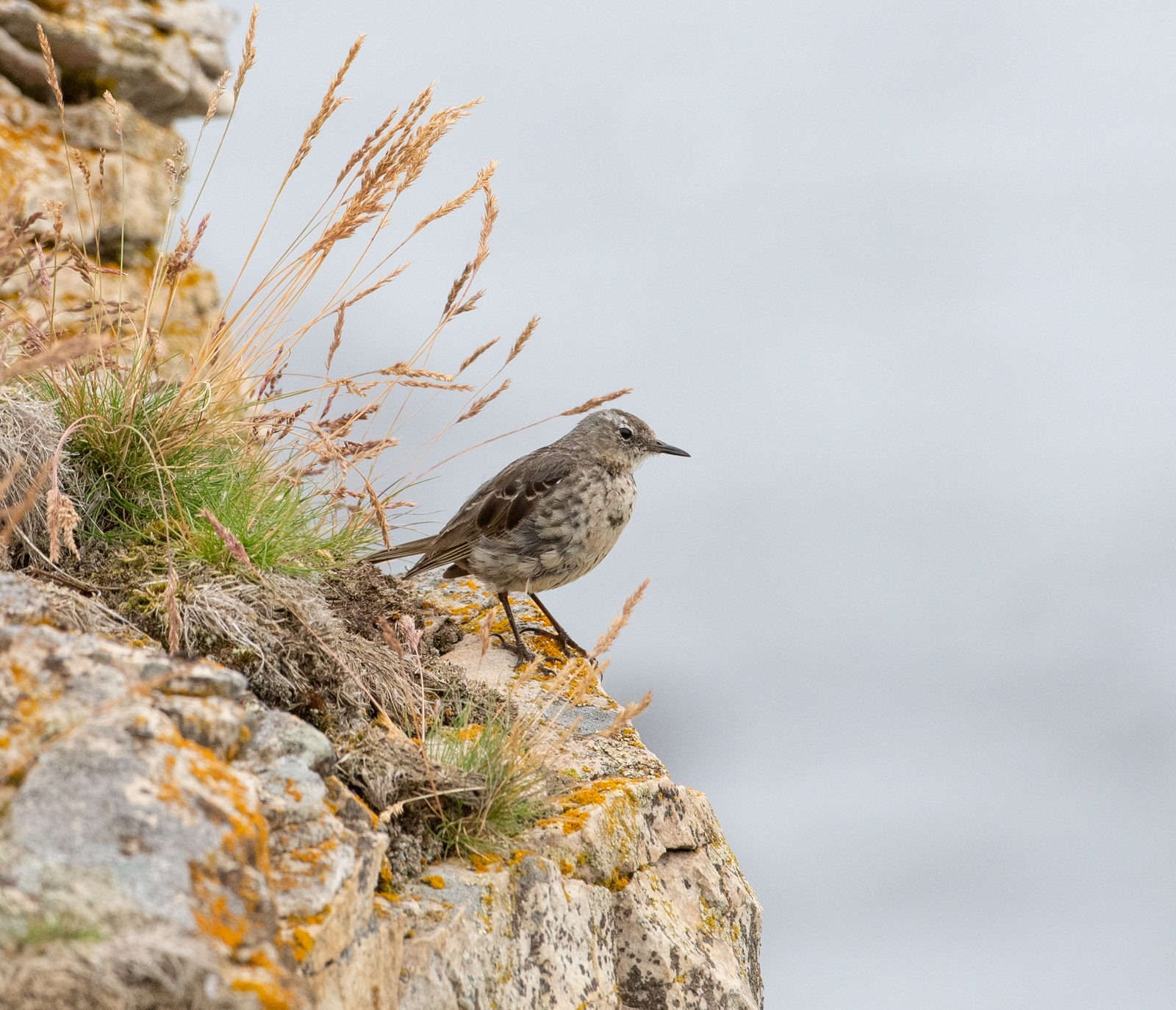
These subtle physical markers are not merely taxonomic trivia; they are indicators of a bird perfectly calibrated for life on the edge. While the Meadow Pipit is a generalist found in open fields and marshlands across a vast range, the Rock Pipit is a specialist of the marine fringe.
Chronology: A Season of Observation in Varanger
Over the course of July and August 2026, my observations have been centered on the Varanger Fjord in Northern Norway—a region of profound ecological significance. The Ekkerøy peninsula, known for its iconic kittiwake bird cliffs, has provided a unique vantage point for documenting these species.
- Mid-July: Arrival at the Varanger Fjord. Systematic monitoring of avian behavior on the cliff edges. Initial identification of Rock Pipits nesting in the periphery of large seabird colonies.
- Late July: Comparative analysis of plumage and vocalization between the Rock Pipit and the abundant Meadow Pipit population in the surrounding inland pastures.
- Early August: Final documentation of nesting success and territorial behavior. Observation of the interspecies dynamics between Rock Pipits, Meadow Pipits, and other cliff-dwellers like the Northern Wheatear.
Supporting Data: The Ecological Niche
The Rock Pipit is one of the few passerines that successfully occupies the harsh, vertical geography of bird cliffs. While species like the Black-legged Kittiwake dominate the cliff face, the Rock Pipit thrives on the margins—the mossy ledges, the rocky outcrops, and the immediate coastal perimeter.
Comparison: Rock Pipit vs. Meadow Pipit
| Feature | Rock Pipit | Meadow Pipit |
|---|---|---|
| Habitat | Marine/Coastal rocky shores | Meadows, bogs, tundra |
| Leg Color | Dark/Blackish | Pale/Pinkish |
| Beak | Long and robust | Short and delicate |
| Prevalence | Specialized/Rare | Widespread/Common |
In Finland, the Rock Pipit is a localized breeder, primarily found in the outer archipelago of the Gulf of Finland and the Gulf of Bothnia. While its population remains relatively sparse, recent years have seen a heartening strengthening of the numbers, suggesting that the species is adapting well to current coastal conditions.
Implications: A Changing Climate and Declining Populations
The broader context of northern bird life is not without its shadows. The Snow Bunting, for instance, once a staple of open tundra landscapes, has seen a marked decline. The factors driving this shift are multifaceted, involving both the rapid warming of northern latitudes and significant alterations to their southern wintering grounds.
The Rock Pipit’s ability to "fit in" amidst the chaos of a seabird colony is an evolutionary marvel, yet it leaves the species vulnerable to localized environmental shifts. As climate change pushes the tree line northward and alters the nutrient cycling of coastal waters, the delicate balance that allows these small, gray birds to thrive is constantly shifting.
The decline of species like the Snow Bunting serves as a warning. If we lose the specialized inhabitants of our most rugged environments, we lose a biological "canary in the coal mine." These birds are not just pretty sights for birdwatchers; they are indicators of the health of our northern ecosystems.
Official Perspectives and Conservation Needs
Conservationists emphasize that the protection of the "inconspicuous" is just as vital as the protection of the "charismatic" megafauna. Organizations such as Suomen Luonto advocate for consistent monitoring of these populations to ensure that environmental management policies are based on high-quality, long-term data.
"The silence of a meadow without the Meadow Pipit would be a tragedy of a different kind," notes the editorial team. Supporting environmental journalism and long-term field research is the only way to ensure that we maintain the capacity to track these shifts. When we document the presence of a bird on a remote cliff in Varanger, we are contributing to a global record of biodiversity that informs how we protect our planet’s most fragile frontiers.
Concluding Thoughts: Why They Matter
As I wrap up my residency on the Varanger Fjord, I am reminded of why these birds—the pipits—matter. They are the background music to our northern summer. They represent the resilience of life in places where many would find only desolation.
Without the pipits, the meadows would be silent, the northern fell country would lose its characteristic, piercing calls, and the rugged coasts would feel even more empty. Whether it is the common Meadow Pipit or the more elusive Rock Pipit, these birds are a testament to the richness of the North. They ask for nothing more than the preservation of their habitat and a world where the seasons continue to turn as they always have.
As we look toward the future, it is our responsibility to ensure that the "ist-ist" of the Meadow Pipit and the rugged presence of the Rock Pipit remain a permanent feature of our northern landscape. Their survival is linked to ours, not just in an ecological sense, but in the preservation of the wild, untamed spirit of the North that we hold so dear.
Samuli Haapasalo is a researcher and contributor to the "Year in Nature" (Vuosi luonnossa) project, documenting the avian biodiversity of the Nordic regions.