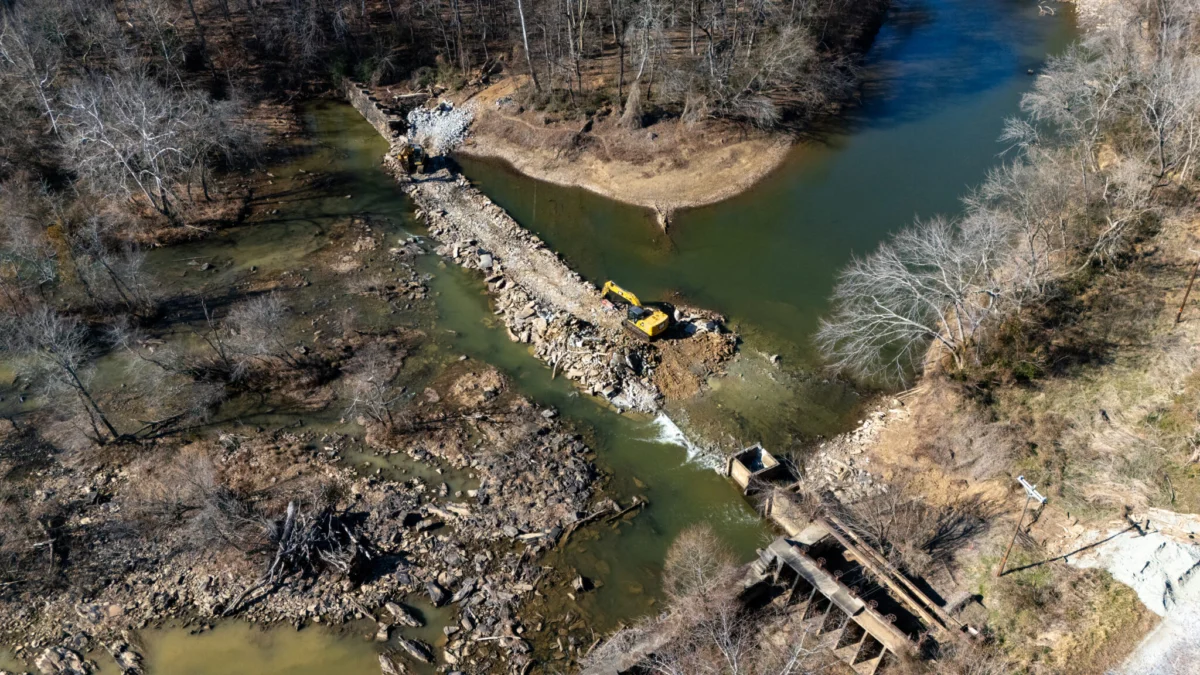
By Page Buono
September 9, 2026
For over a century, the Colorado River has served as the lifeblood of the American West. It is a system dictated by the competing demands of a rapidly growing population, an evolving agricultural sector, and a changing climate. Managing this resource requires navigating what experts call the "Law of the River"—a dense, multi-layered stack of legal compacts, court decrees, federal statutes, and international treaties.
As of August 24, 2026, the Bureau of Reclamation has released three pivotal documents outlining the short-term future of this system. These guidelines represent a critical inflection point for the seven basin states, Tribal Nations, and the Republic of Mexico, all of whom share the weight of an increasingly strained water supply.
The Anatomy of a Crisis: A Metaphor for Management
To understand the complexity of the Colorado River, one must look at its governance not as a dry set of regulations, but as a living body. The 1922 Colorado River Compact acts as the skeleton—the foundational framework upon which the entire system is built. If the river water is the blood that sustains the West, then the various stakeholders are the limbs, each pulling at the supply to meet their own vital functions.
The agreements that have followed—such as the 2007 Interim Guidelines and the 2019 Drought Contingency Plan (DCP)—function as the nerves. They facilitate movement, trigger conservation actions, and dictate how the system reacts to the stress of drought. The negotiators, including the Bureau of Reclamation, state officials, and sovereign Tribal nations, act as the brain. If this brain fails to find consensus, the body ceases to function. The challenge today is that the "body" of the Colorado River is being pushed to its physiological limits, requiring a new level of synchronization between its disparate parts.
Chronology: A Century of Allocation
The history of the Colorado River is a history of over-allocation. The 1922 Compact was drafted during a period of uncharacteristically high river flow, leading to a legal framework that promised more water than the river has historically provided.
- 1922: The Colorado River Compact is signed, dividing the basin into Upper and Lower regions.
- 1944: A water treaty with Mexico solidifies international allocations.
- 2007: The Interim Guidelines provide a framework for shortages in Lakes Mead and Powell.
- 2019: The Drought Contingency Plan (DCP) is enacted, recognizing the severity of the long-term aridification of the basin.
- 2026: The Bureau of Reclamation releases the latest suite of documents, setting the stage for post-2026 operations amidst record-low reservoir levels.
This chronology reveals a pattern: each successive agreement attempts to patch the flaws of the previous ones, creating an increasingly complex web of rules that are difficult to manage and even harder to enforce.
Supporting Data: The Reality of Aridification
The urgency of the current situation is backed by sobering data. Scientific monitoring confirms that the Colorado River Basin is experiencing its most severe drought in over 1,200 years.
- Reservoir Levels: Despite wet years in the mid-2020s, the long-term trend for Lakes Mead and Powell remains downward, threatening the ability of the Glen Canyon and Hoover Dams to generate hydroelectric power.
- Climate Forcing: Rising temperatures in the Upper Basin lead to higher rates of evapotranspiration, meaning more water is lost to the atmosphere before it even reaches the reservoirs.
- Agricultural Demand: Approximately 70% of the river’s water is used for irrigation. As groundwater supplies deplete in many areas of the West, the pressure on the river to replace those sources creates a "supply-demand gap" that cannot be filled by current flow rates.
These figures underscore why the Bureau of Reclamation’s recent decision-making is so consequential. The new guidelines are not just about dividing water; they are about managing a structural deficit that is no longer a "worst-case scenario," but the new normal.
Official Responses and Stakeholder Perspectives
The release of the Bureau of Reclamation’s documents has drawn mixed reactions from the basin. While many praise the move toward more flexible, short-term management, others argue that the framework lacks the long-term teeth necessary to force systemic change.
State representatives have emphasized the need for "equitable pain-sharing." The Upper Basin states—Colorado, Utah, Wyoming, and New Mexico—are pushing for the Lower Basin states—Arizona, Nevada, and California—to bear the brunt of the cuts, citing their reliance on storage. Conversely, Lower Basin stakeholders argue that their historical investments in infrastructure and conservation deserve recognition in the new allocation formulas.
Tribal Nations, often overlooked in the 1922 Compact, have become increasingly vocal in the negotiations. They are demanding a seat at the table that reflects their senior water rights, noting that for too long, their interests have been sidelined by state-level politics. The Bureau of Reclamation’s current posture indicates a stronger commitment to integrating Tribal input, yet many leaders remain skeptical about whether this will translate into meaningful water security for their communities.
Implications: The Test of Resilience
As we look six months into the future, the success of these new guidelines will be measured by their ability to keep the "body" of the river system upright. The consequential questions facing policymakers include:
- Flexibility: Are these guidelines agile enough to respond to a sudden, multi-year drop in precipitation?
- Enforcement: Do the "side agreements" carry enough legal weight to ensure compliance, or will they devolve into litigation?
- Sustainability: Does the plan prioritize long-term, structural water savings, or does it merely delay the inevitable reckoning with a shrinking river?
The ultimate test is whether these guidelines can move beyond the "bones" of legal compliance to address the "heart" of the system: the river itself.
The River as Infrastructure
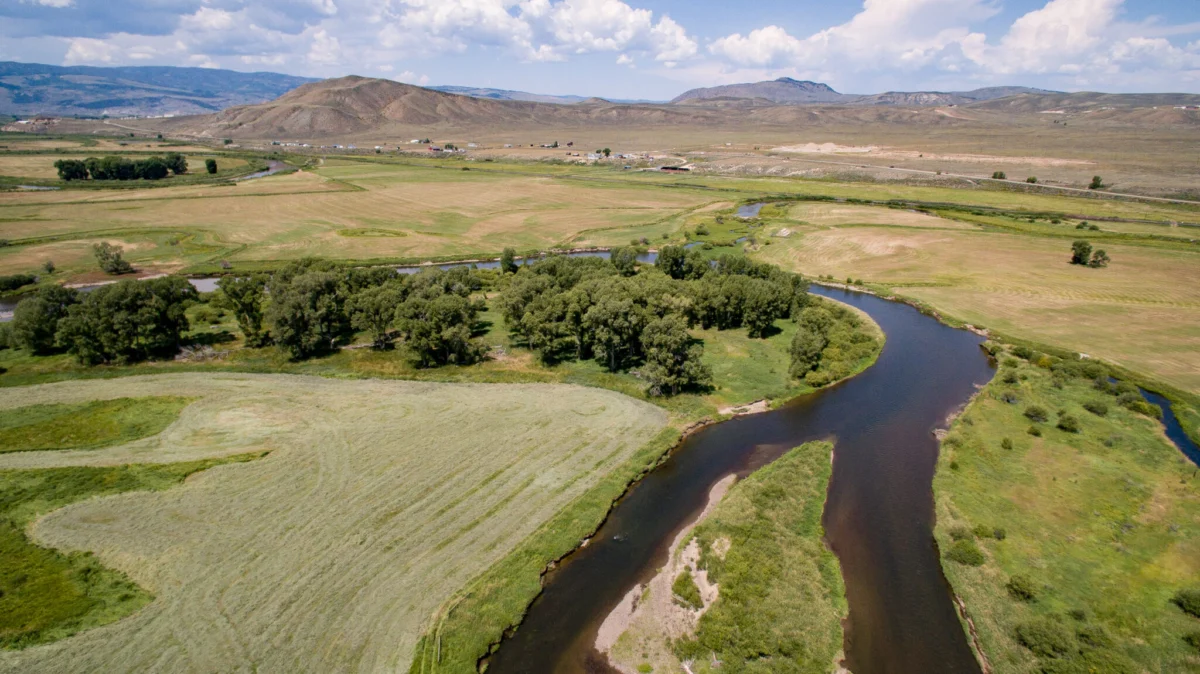
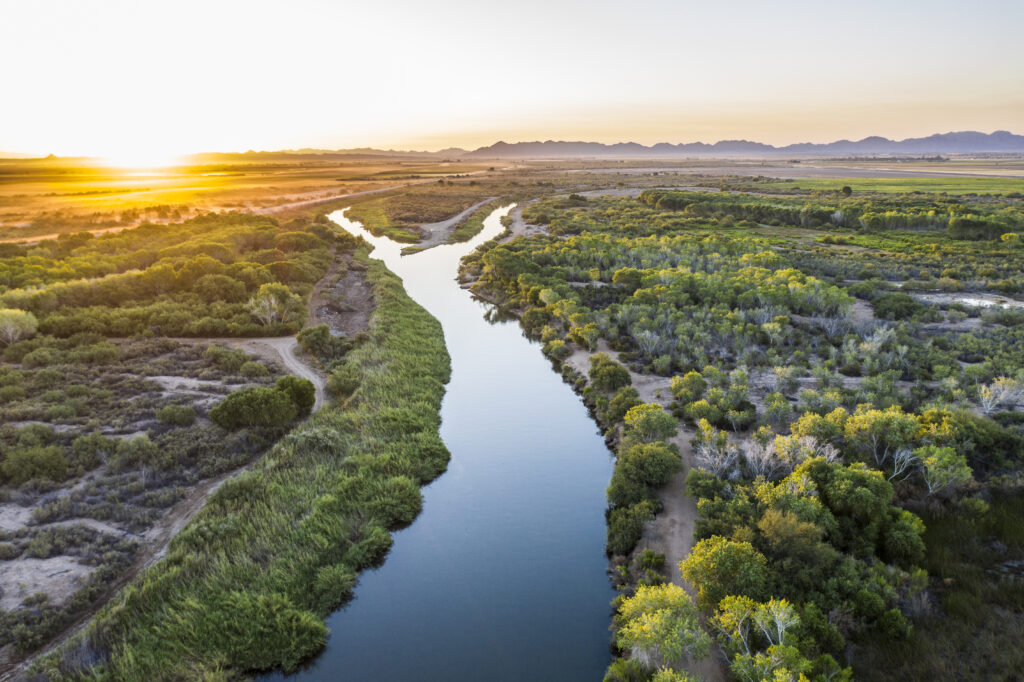
Often lost in the language of acre-feet and legal compacts is the fact that the Colorado River is a physical, biological entity. Healthy rivers, connected floodplains, and intact watersheds are not just aesthetic assets; they are the Basin’s most vital "resilience infrastructure."
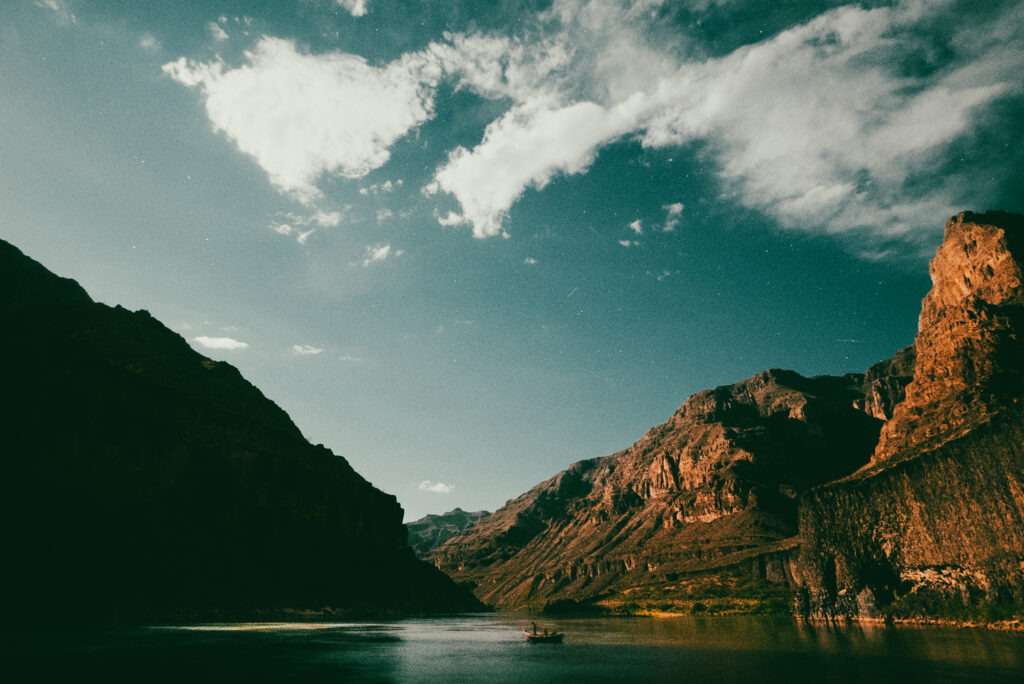
When a river is healthy, it can naturally mitigate the impacts of climate change. Intact forests in the Upper Basin help regulate snowmelt, ensuring a steadier flow throughout the season. Connected floodplains act as sponges, recharging aquifers and filtering water. By contrast, a degraded river system is fragile, prone to catastrophic wildfire, invasive species, and water quality degradation that increases the cost of treatment for cities.
We must recognize that the river is not merely a pipeline for human consumption. It is the core of the entire Basin. If we continue to treat the river as a commodity to be drained, we will inevitably reach a point where no amount of negotiation can save the system. If we succeed in our management, it will be because we prioritized the health of the river, ensuring it continues to function as a living, breathing part of the landscape.
Conclusion: Looking Ahead
The path forward is fraught with controversy, but it is also defined by an unprecedented level of collaboration. The stakeholders involved in the 2026 management shift are beginning to realize that the old "winner-take-all" mentality is a relic of the past.
At the center of all the negotiations and collaborative efforts is the river. It has always been the river. If we have any hope of keeping the West’s water supply stable, we must keep our eyes fixed on that truth. The bones, nerves, and muscles of our legal system only work if the heart of the river continues to beat. As we move into this next phase of management, the measure of our success will not be found in the text of the documents, but in the health of the water flowing through the canyons of the Southwest.
To stay informed about the most critical updates affecting your water and rivers, sign up for the American Rivers newsletter. Join us in our work to protect the lifeblood of the West.