Introduction: A Decarbonization Tightrope
As the European Union intensifies its efforts to reach climate neutrality by 2050, the European Commission has set a formidable benchmark: electricity must account for 46% of the bloc’s total final energy consumption by 2040. While the transition away from fossil fuels is a settled political mandate, the technical feasibility of this goal remains a subject of intense debate among energy analysts and policymakers.
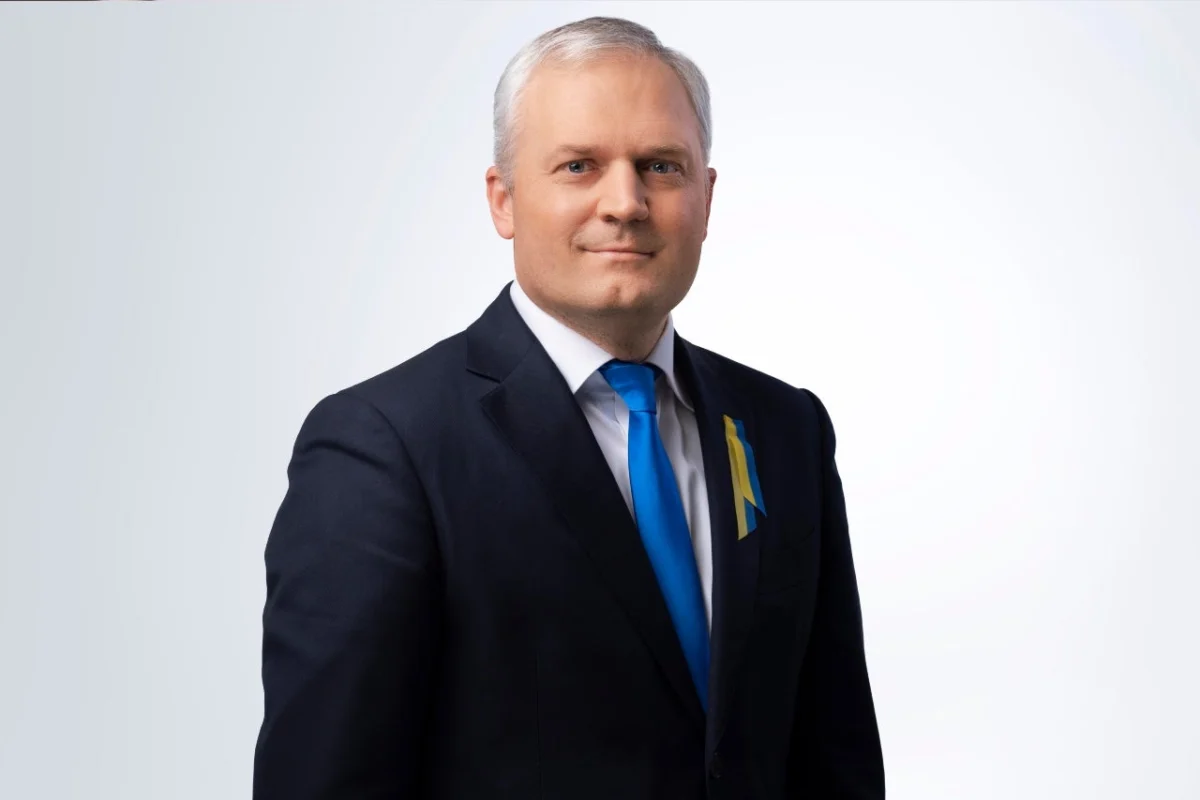
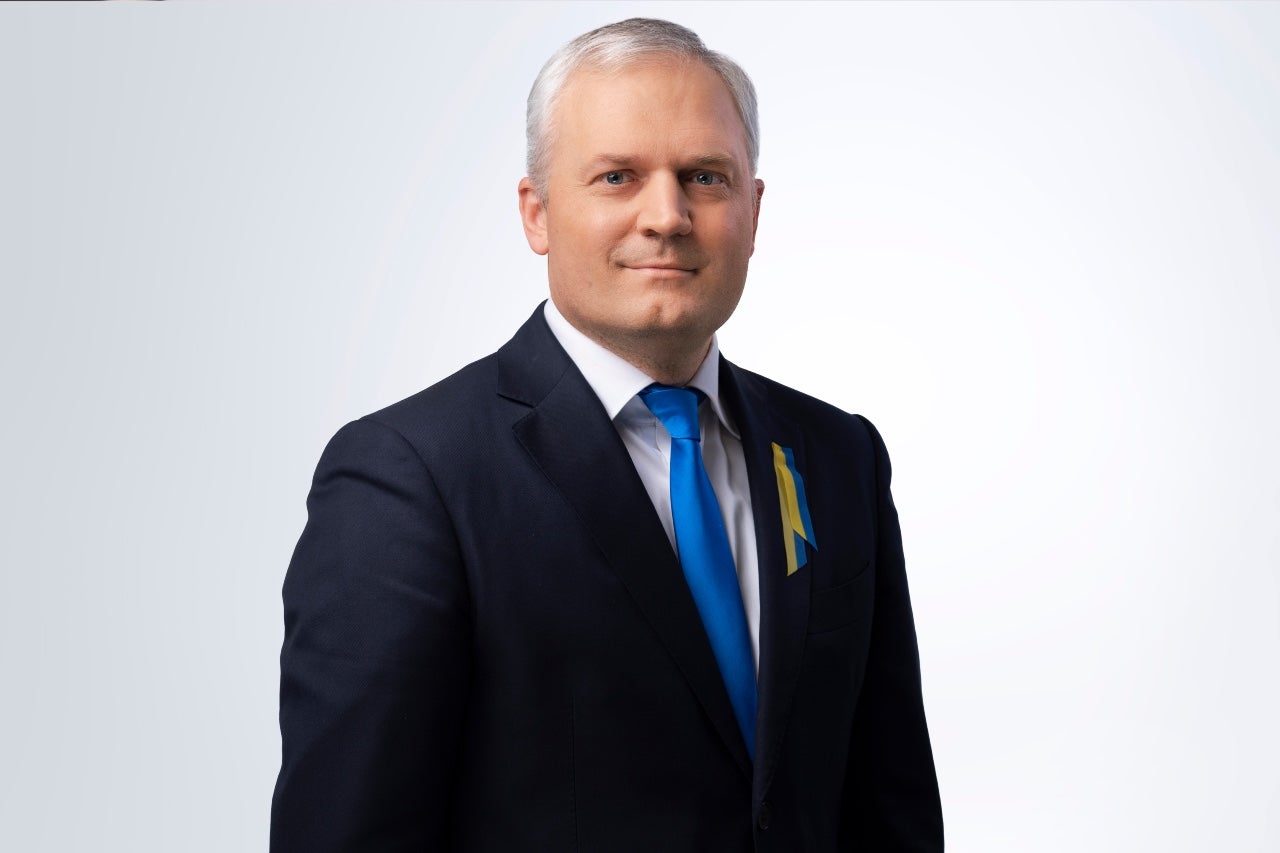
According to Kalev Kallemets, CEO of Estonian small modular reactor (SMR) developer Fermi Energia, the math behind the Commission’s roadmap is stark. Achieving a 46% electrification rate while maintaining grid stability, affordability, and industrial competitiveness will be "extremely difficult" without a robust nuclear backbone. Specifically, Kallemets argues that nuclear power must account for 25–30% of Europe’s total generation capacity to fill the gaps left by intermittent renewables. To meet this target, Europe faces a massive industrial challenge: it must initiate planning and development for roughly 60 new large-scale reactor or SMR projects within the next four years.
The Core Facts: Why 30% Nuclear is the Threshold
The European energy transition is often framed as a binary choice between wind/solar and fossil fuels. However, as the grid becomes increasingly electrified, the issue of "baseload" power becomes critical.
Renewable energy sources such as wind and solar are inherently variable. While battery storage and green hydrogen are promising, they are currently unable to provide the sheer volume of reliable, 24/7 power required to run heavy industry, data centers, and an electrified transport network.
The Kallemets Thesis
Kallemets posits that if Europe fails to secure a nuclear floor of at least 25%, the system will face two equally unpalatable outcomes:
- Extreme Reliance on Natural Gas: Keeping natural gas plants online as "peaker" plants to cover renewable shortfalls, which would derail the EU’s 2040 emission reduction targets.
- Grid Instability: A brittle electricity market characterized by massive price volatility and potential supply-side shocks during periods of low wind and solar output (the "Dunkelflaute" periods).
By proposing a target of 60 new reactor projects by 2030, Kallemets is signaling that the era of "wait and see" must end. If the regulatory and financing frameworks for these plants are not established within this four-year window, the lead times for nuclear construction—which can span a decade or more—will make meeting the 2040 goal physically impossible.
Chronology of the Nuclear Renaissance
To understand the current urgency, one must look at the shifting tides of European energy policy over the last decade.
- 2011–2017 (The Post-Fukushima Shadow): Following the Fukushima Daiichi accident, several European nations, most notably Germany, accelerated plans to phase out nuclear power. Public sentiment was largely skeptical, and nuclear investment stagnated across the continent.
- 2018–2021 (The Green Deal Awakening): As the EU Green Deal took shape, the realization dawned that a 100% renewable grid was significantly more expensive and technically complex than previously modeled. Nuclear was quietly revisited as a "low-carbon" asset.
- 2022 (The Geopolitical Catalyst): The Russian invasion of Ukraine shattered the status quo. Europe’s dependence on Russian gas forced a radical reassessment of "energy sovereignty." Nuclear power was rebranded not just as a climate solution, but as a security imperative.
- 2023–2024 (The Taxonomy Breakthrough): The EU officially included nuclear energy in its "Taxonomy for Sustainable Activities," acknowledging it as a green investment. This opened the door for institutional capital to flow back into the sector.
- 2026 (The Current Urgency): As of September 2026, the focus has shifted from policy debate to industrial execution. Developers like Fermi Energia are moving from the design phase to the deployment phase, highlighting the urgent need for a massive, continent-wide construction pipeline.
Supporting Data: The Scale of the Challenge
To grasp the magnitude of building 60 new reactors, one must look at the current European fleet. As of mid-2026, the EU operates approximately 100 reactors. Many of these are aging and will reach their technical end-of-life by the late 2030s and early 2040s.
The Replacement Gap
The challenge is twofold:
- Life Extension: Keeping the current fleet operational for as long as safety allows.
- New Capacity: Adding new generation to accommodate the 46% electrification target.
Current data from the International Energy Agency (IEA) suggests that a typical large-scale reactor takes 8–12 years to plan, permit, and construct. SMRs, which are modular and designed for factory-line manufacturing, promise shorter timelines—typically 4–6 years. However, the supply chain for SMRs is still in its infancy. For 60 projects to enter the pipeline by 2030, Europe would need to establish:
- Unified Regulatory Standards: Currently, each nation has its own nuclear regulator, which slows down the "type certification" of SMRs.
- Financing Vehicles: A shift from state-funded projects to public-private partnerships that can absorb the initial capital risk.
- Workforce Expansion: A massive recruitment and training effort to replace an aging nuclear engineering workforce.
Official Responses and Political Landscape
The call for a massive nuclear expansion has been met with mixed responses across the EU.
The Pro-Nuclear Bloc
Led by France—which is currently spearheading the European Nuclear Alliance—a growing group of nations including the Czech Republic, Poland, Hungary, and Sweden are aggressively pursuing new build programs. Their argument is centered on "Energy Sovereignty." French officials have repeatedly stated that nuclear is the only way to maintain a "competitive advantage" in energy prices, which is essential for re-industrializing Europe.
The Skeptical Bloc
Conversely, countries such as Austria, Germany, and Luxembourg remain cautious, often citing long-term radioactive waste management and the potential for catastrophic accidents as primary deterrents. While these nations have softened their opposition to the point of allowing others to invest in nuclear, they remain focused on wind, solar, and hydrogen as their primary pathways.
The European Commission’s Balancing Act
The Commission is currently walking a tightrope. While they recognize the necessity of nuclear for the 2040 targets, they must maintain the unity of the 27-member bloc. Their current stance is one of "technological neutrality"—leaving the energy mix to individual member states, while providing the regulatory framework for those who choose to include nuclear in their portfolios.
Implications: What Happens if We Fail?
The implications of failing to meet the 60-project target are profound, touching on the economy, the climate, and the very nature of European geopolitical influence.
Economic Implications
Electricity is the lifeblood of the modern economy. If Europe cannot provide stable, affordable power, energy-intensive industries—from chemical manufacturing to steel production—will continue to migrate to the United States or Asia, where energy costs are often lower and more predictable. This would lead to "de-industrialization," a scenario that many European leaders are desperate to avoid.
Climate Implications
If nuclear capacity does not reach the 25–30% target, the gap will almost certainly be filled by gas-fired plants. While carbon capture and storage (CCS) technology is being developed, it is not yet scalable or cost-competitive enough to turn gas into a truly "net-zero" solution. Missing the nuclear target effectively ensures that Europe will miss its 2040 emissions milestones, forcing a reliance on expensive carbon credits and international climate offsets.
Geopolitical Implications
Energy independence is the foundation of national security. By diversifying its energy sources to include a heavy reliance on domestic nuclear power, Europe reduces its vulnerability to external shocks—whether they are supply chain disruptions, wars in energy-producing regions, or the weaponization of energy exports by rival powers.
Conclusion: The Path Forward
The assessment provided by Kalev Kallemets serves as a sobering reminder that the transition to a net-zero future is not merely a matter of installing more wind turbines and solar panels. It is a fundamental reconfiguration of the European energy architecture.
The goal of 60 new reactors by 2030 is not just a target; it is a metric of the scale of the challenge. Whether Europe can rise to this industrial and political occasion will depend on the ability of member states to harmonize their regulations, secure the necessary capital, and maintain the long-term political will to support nuclear energy.
As we look toward 2040, the reality is clear: the energy transition will either be nuclear-inclusive, or it will be significantly more expensive, less secure, and potentially unattainable. The clock is ticking, and for Europe, the next four years will prove to be the most decisive in the history of its modern power sector.