In a significant move for Australia’s energy transition, global investment manager Quinbrook Infrastructure Partners has officially tapped GE Vernova to provide the core technological architecture for the third phase of the Supernode battery energy storage system (BESS). Located in Queensland, the project stands as one of the most ambitious energy storage developments in the Southern Hemisphere, serving as a critical pillar for the stability of the National Electricity Market (NEM).
The announcement marks a consolidation of the partnership between Quinbrook and GE Vernova, which have now collaborated on all three phases of the Supernode campus. As the project enters its final stage of development, the integration of advanced grid-forming technology positions the site not merely as a storage facility, but as a sophisticated grid-stabilization asset.
The Strategic Importance of Supernode
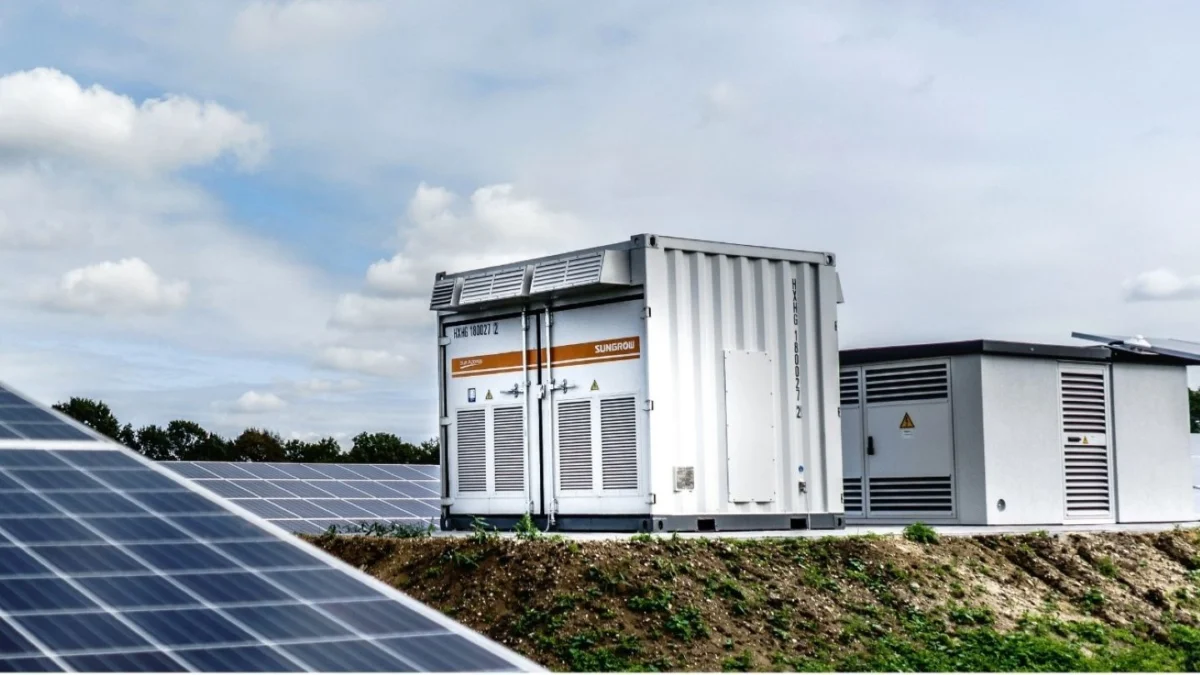
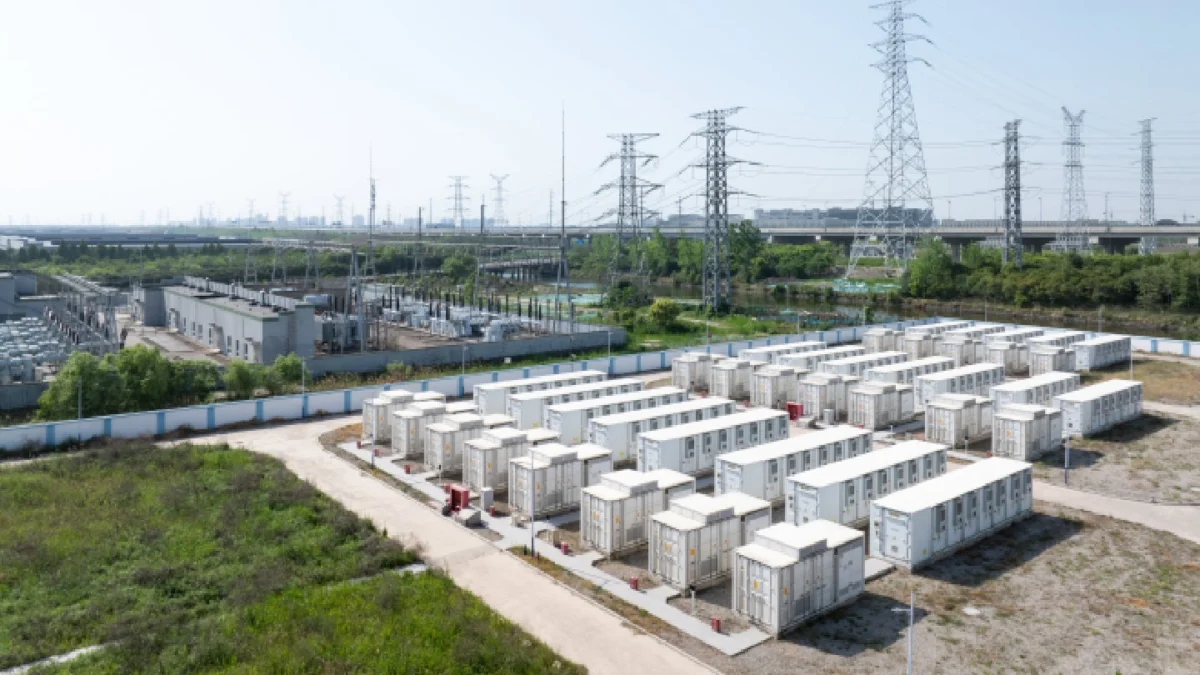
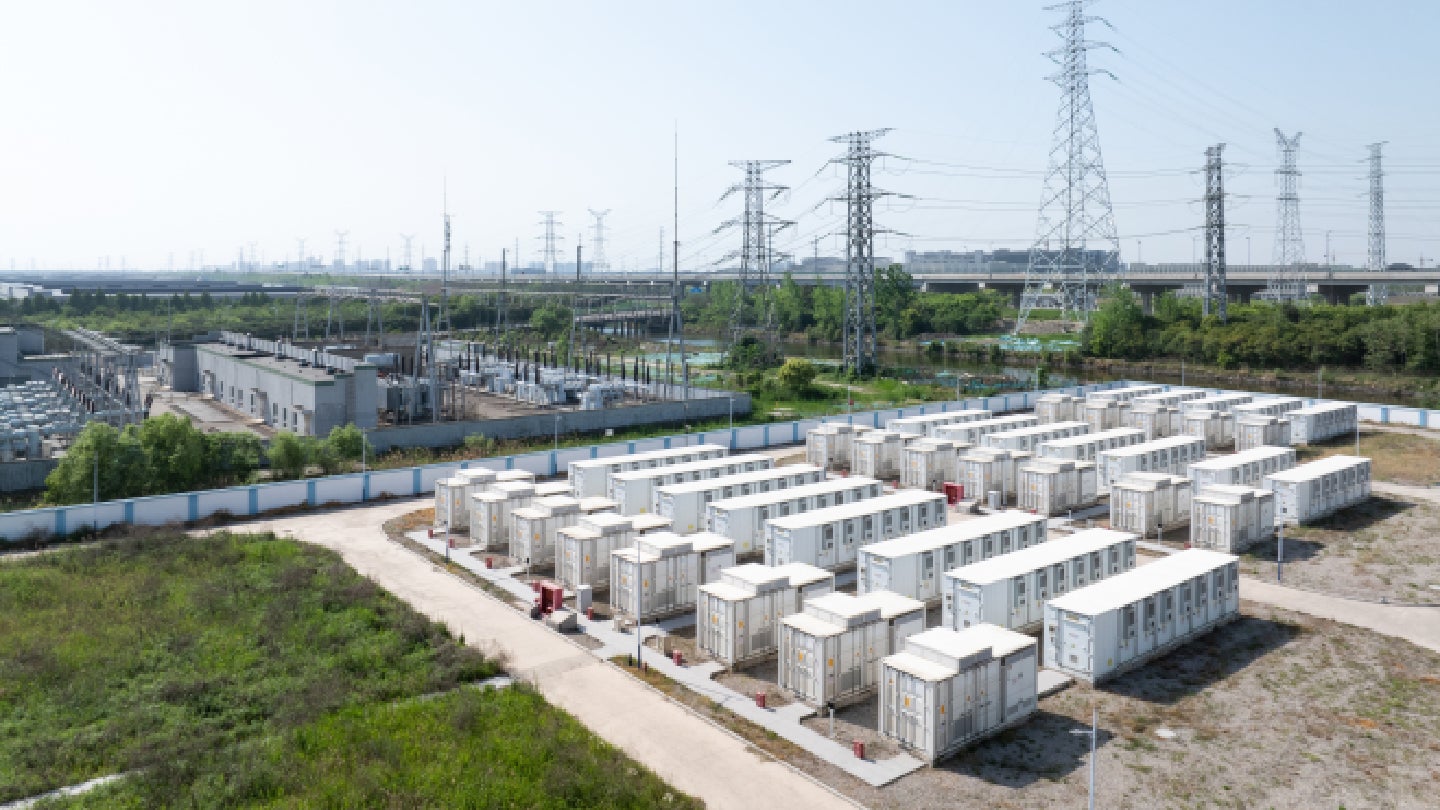
The Supernode BESS is strategically positioned adjacent to the South Pine substation, a vital nerve center in Queensland’s high-voltage electricity transmission network. This location is not accidental; by situating the massive battery array at a primary node of the transmission system, the project can absorb excess energy during periods of high renewable generation and release it with millisecond precision when consumer demand peaks or solar and wind output drops.
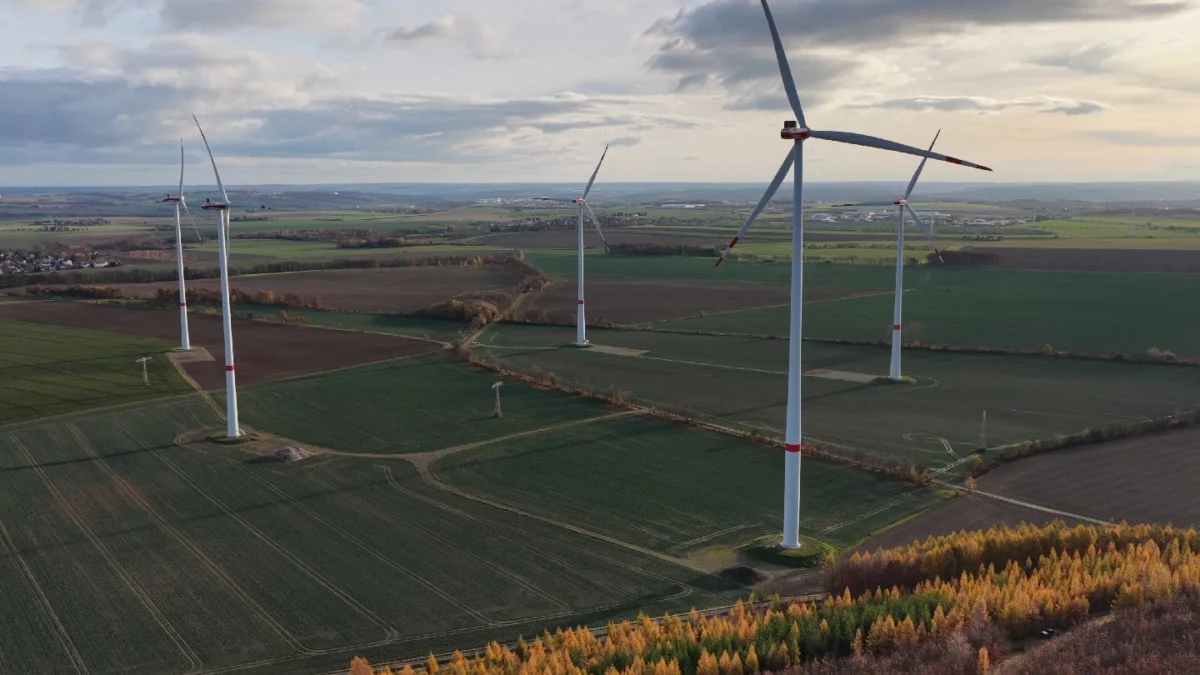
The facility’s role is essential for the integration of intermittent renewable energy. As Australia shifts away from legacy coal-fired generation toward a decarbonized grid, the ability to manage the inherent variability of renewables becomes the primary engineering challenge. Supernode provides the "dispatchable" capacity required to keep the lights on, mitigating the risk of frequency deviations and potential blackouts that often accompany a high-penetration renewable grid.
A Chronology of Growth: From Concept to Mega-Scale
The development of the Supernode campus has been executed in rapid, methodical stages, reflecting the urgent need for large-scale storage in the Australian energy landscape.
Stages One and Two: Establishing a Benchmark
The first and second phases of the Supernode project were designed to prove the viability of large-scale BESS deployment in the Queensland market. Utilizing GE Vernova’s proprietary power conversion systems, these stages moved from commissioning to full operational status with remarkable efficiency. Today, these two stages rank among the largest and most reliable BESS facilities within the NEM, providing essential frequency control ancillary services (FCAS) and energy arbitrage capabilities.
Reaching Financial Close and Grid Approval
The progression to stage three followed a rigorous path of financial and regulatory milestones. Earlier this year, Quinbrook successfully secured A$469 million (approximately US$332.9 million) in funding to reach the financial close for the third stage. This capital injection was supported by a consortium of lenders confident in the project’s long-term commercial viability.
A pivotal moment occurred recently when stage three achieved Generator Performance Standards (GPS) acceptance. This is a notoriously difficult regulatory hurdle in Australia, requiring developers to demonstrate that their facility will not negatively impact grid stability. The successful GPS acceptance for stage three serves as a testament to the technical compatibility between GE Vernova’s equipment and the local transmission infrastructure.
Technical Specifications and Infrastructure Impact
Upon completion of the third stage, the Supernode campus will achieve a total capacity of 780MW and 3.08GWh of energy storage. This massive footprint makes it a "super-node" in every sense of the word, capable of supporting the grid during sustained periods of low renewable output.
The Role of GE Vernova
Under the current agreement, GE Vernova is responsible for a comprehensive technology suite, including:
- Power Conversion Systems: Converting the DC power stored in the battery cells into AC power compatible with the transmission network.
- Plant Controls: Sophisticated software that dictates how the battery interacts with the grid in real-time.
- System Integration: Ensuring that the battery racks, inverters, and transformers operate as a unified, high-performing ecosystem.
- Grid-Connection Support: Technical expertise during the commissioning and connection phase to ensure compliance with the Australian Energy Market Operator (AEMO) requirements.
Grid-Forming Technology: The Next Frontier
A standout feature of the third stage is the implementation of advanced grid-forming technology. In traditional power grids, stability is provided by the spinning mass of massive turbines in coal or gas plants. As these plants retire, that natural "inertia" is lost.
Grid-forming inverters, such as those provided by GE Vernova, allow the BESS to simulate the behavior of these heavy turbines. Instead of simply "following" the grid’s frequency, the Supernode batteries can proactively set the frequency, effectively acting as an anchor for the grid. This capability is increasingly demanded by grid operators worldwide as the only viable long-term solution for maintaining stability in a 100% renewable-ready system.
Official Perspectives: Aligning Vision and Execution
The expansion of the partnership has been met with enthusiasm from the leadership at GE Vernova. Ed Torres, the business leader for Power Conversion & Storage within GE Vernova’s Electrification segment, highlighted the complexity and success of the collaboration.
"Supernode shows what is possible when storage, power conversion and intelligent controls work together at scale," Torres stated. "Our engineering and integration work helped Supernode Stage 3 secure Generator Performance Standards acceptance. This important grid-connection milestone demonstrates the strength of our technology and our ability to support complex projects in Australia’s demanding grid-connection environment. We are proud to expand our partnership with Quinbrook and bring grid-forming technology to Australia."
For Quinbrook, the focus remains on the long-term asset management of the site. By maintaining a consistent technology partner across all three stages, the company minimizes operational risks and simplifies maintenance protocols, as the entire site utilizes a standardized technological language.
Implications for the National Electricity Market (NEM)
The implications of the Supernode project are far-reaching. Australia is often cited as a "living laboratory" for the global energy transition. Because the country is an "islanded" grid—meaning it cannot import power from neighbors during times of shortage—it must rely entirely on its own infrastructure to manage volatility.
1. Market Price Volatility Mitigation
By providing 3.08GWh of capacity, Supernode can store cheap, mid-day solar energy and release it during the high-demand evening peaks. This reduces the reliance on peaking gas plants, which are expensive to run and carbon-intensive, ultimately putting downward pressure on electricity prices for consumers.
2. Supporting Renewable Integration
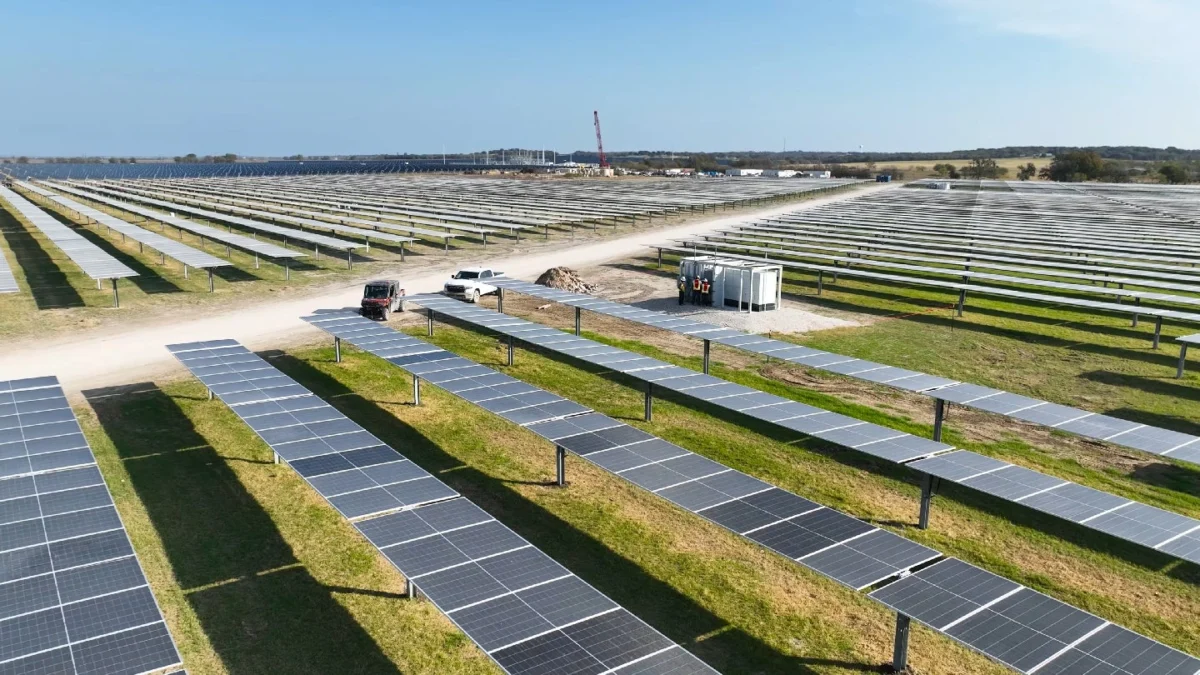
Queensland has some of the highest levels of rooftop solar penetration in the world. This creates a "duck curve" phenomenon where mid-day demand is very low, but evening demand is very high. Supernode serves as the buffer that absorbs this solar surplus, preventing curtailment (where renewable energy is wasted because the grid cannot handle it) and ensuring that the energy is used effectively.
3. A Blueprint for Future Infrastructure
The successful scaling of Supernode provides a scalable model for other regions. As other states in Australia and other nations look to retire coal assets, the lessons learned at the South Pine substation will be invaluable. The project proves that with the right combination of capital, sophisticated controls, and grid-forming technology, it is possible to maintain a robust, reliable power supply without fossil fuels.
Looking Ahead
With stage three now moving into its construction and commissioning phase, the focus shifts to ensuring that the project comes online within the projected timeline. Given the successful track record of the first two stages, stakeholders remain optimistic.
The Supernode BESS project is more than just a large battery; it is a critical piece of sovereign infrastructure. As the Australian grid continues to evolve, the partnership between Quinbrook and GE Vernova at this site will likely be remembered as one of the defining developments in the country’s journey toward a sustainable, secure, and resilient energy future. The facility stands as a beacon for what is achievable when advanced technology meets strategic long-term investment, providing a template that the rest of the world will surely watch with keen interest.