The adage that an athlete’s career is defined more by the journey than the final result is a sentiment often relegated to the realm of tired sporting clichés. Yet, for British Porsche racer Gustav Burton, it is an immutable reality. Standing at 6’4", the talented driver possesses the rare combination of technical finesse and raw physical endurance required to command the elite circuits of international motorsport. However, his most formidable adversary is not a rival driver or a hairpin turn, but the labyrinthine, high-stakes world of professional racing finance.
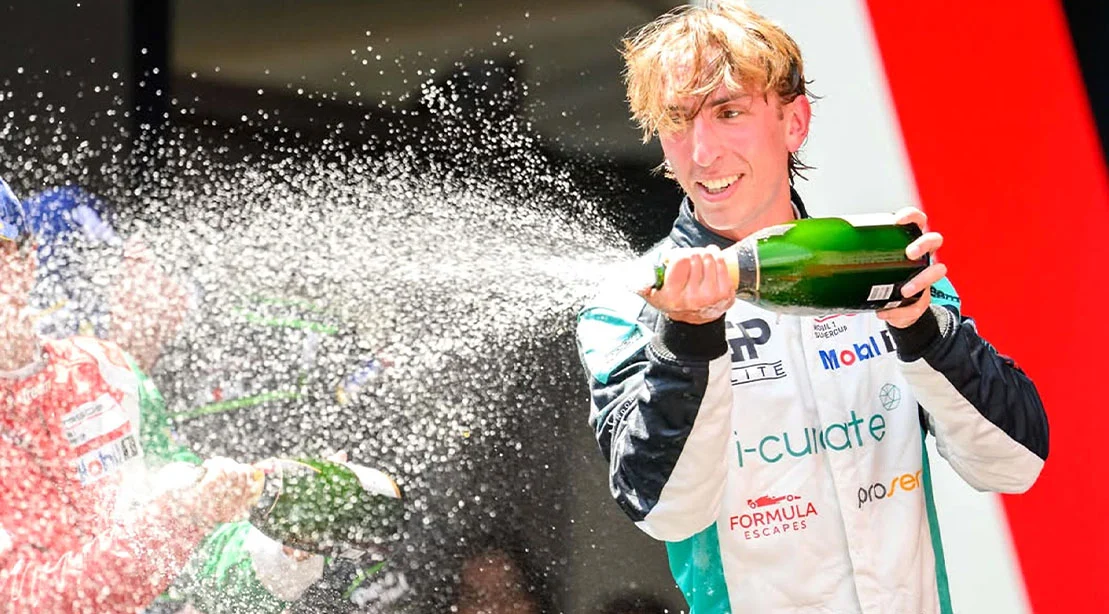
Burton, a former Renault Clio Cup UK Junior champion (2018) and British GT4 Silver titleholder (2021), has found himself at a crossroads. While his recent victory in the Porsche Sixt Carrera Cup Germany cemented his status as a premier talent, the traditional sponsorship model—a system predicated on securing massive, multi-year corporate contracts—has proven increasingly unreliable. In an era where the cost of entry into competitive racing continues to skyrocket, Burton has pioneered a disruptive alternative: turning the "gatekeepers" of sponsorship on their heads by embracing the power of community-led crowdfunding.
The Financial Gridlock: A Modern Crisis
To compete in the Porsche Mobil 1 Supercup, a driver must be as adept at fiscal management as they are at gear shifting. For Burton, the challenge is binary: secure the funding, or stay in the garage. Recently, this struggle reached a fever pitch as promises from traditional backers evaporated just days before the prestigious race at Monza.
"If you’d asked me three years ago what my goal was, it would have been to become a factory driver," Burton explains. "The dream was for Porsche to offer a contract where you are basically an employee. You don’t have to worry about the sponsorship side—you just focus on the track."
However, the reality of the 2024 motorsport landscape is vastly different. As corporate budgets tighten and traditional sponsorship becomes more transactional, Burton has pivoted toward a "creator-athlete" model. By leveraging his growing social media following and his popular podcast, BackSeat Drivers, he has begun to dismantle the barrier to entry, inviting fans to participate in his career through "mini-sponsorships" starting at just $13.50.
Chronology of a Campaign: The Road to Monza
The path to the Monza grid was anything but linear. In the lead-up to the September 6 event, the pressure was palpable.
- Mid-August: Initial sponsorship agreements for the Monza leg of the Porsche Mobil 1 Supercup fell through, leaving a significant funding gap.
- Late August: Burton initiates a radical transparency campaign on his social media channels, detailing the specific costs of competing and the imminent risk of missing the event.
- August 28: The "mini-sponsorship" drive launches. Within 48 hours, the influx of small-dollar donations from fans begins to bridge the deficit.
- September 3: A final surge, bolstered by a significant contribution from Formula Escapes, crosses the threshold.
- September 6: Gustav Burton successfully enters the Monza circuit, competing at the highest level of the Porsche Supercup.
This success was not merely a financial win; it was a validation of a new business model that prioritizes a direct-to-fan relationship over the volatility of traditional corporate gatekeepers.
Physical Demands: The Athlete Behind the Wheel
While the financial burden is mental, the physical toll of racing in the Porsche Supercup is punishing. Inside the cockpit, temperatures can soar beyond 140°F (60°C). The physical exertion required to manage a high-performance vehicle under these conditions is comparable to a high-intensity endurance workout sustained for nearly an hour.
The Physiology of Speed
"Whilst undergoing G-forces, you’re holding your left foot on the brake and your right foot next to the throttle," Burton explains. "Imagine swerving in your car as hard as you possibly can; that’s basically what we’re doing constantly for 30 to 40 minutes in a race. It works a massive array of stabilizing muscles."
Training for these conditions requires a specialized regimen:
- Lower Body Power: The single-leg press is a staple for Burton, designed to simulate the constant, high-pressure input required for braking in elite conditions.
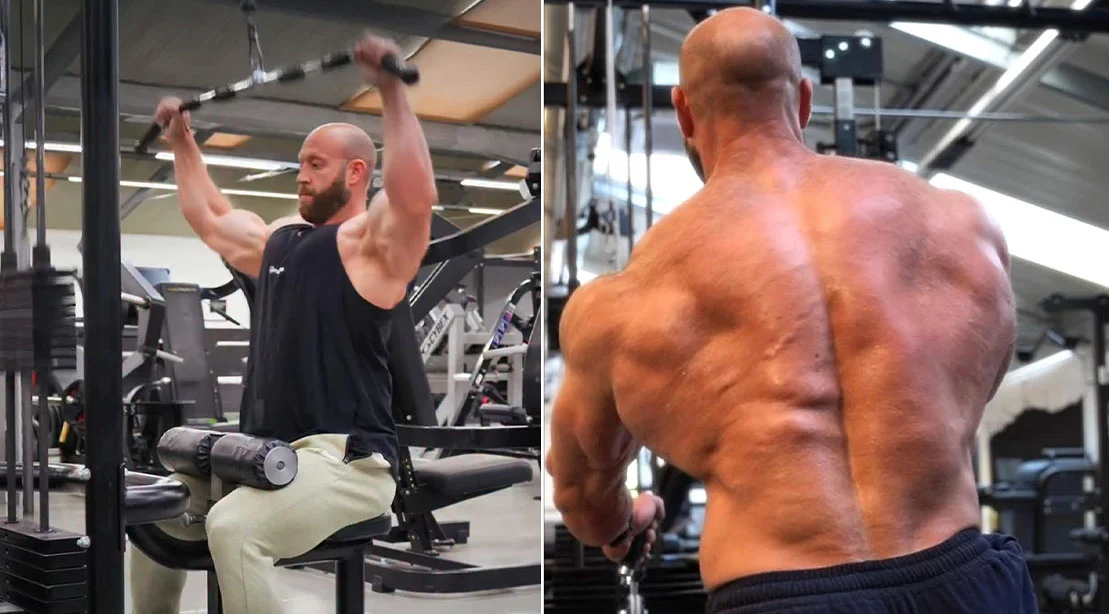
- Neck and Shoulder Stability: With a helmet weighing approximately 11 pounds (5kg), the strain on the neck during cornering is immense. Burton employs reverse flys, front raises, and standing rows to build the endurance necessary to withstand the G-load without fatigue.
- Weight Management: Every gram counts. Because a car’s total legal weight includes the driver, Burton must adhere to strict weigh-ins immediately following sessions. "If you don’t go straight to the scales, you open yourself up to disqualification," he notes.
To manage this, Burton utilizes fasted cardio in the early mornings. While he admits the routine is "very boring," it is an essential component of his professional discipline. His approach to nutrition is equally calculated; he maintains a caloric deficit to remain lean, utilizing the high-quality hospitality services provided at the Porsche track sites when available.
Implications of the "Creator-Athlete" Model
The rise of the "creator-athlete" represents a structural shift in how individual sports are funded. For decades, athletes were beholden to the whims of marketing directors at major corporations. If a brand decided to pivot its marketing strategy, an athlete’s career could be stalled overnight, regardless of their performance.
Burton’s model—decentralizing sponsorship into thousands of micro-contributions—creates a buffer against this volatility. By treating his followers as stakeholders rather than passive consumers, he has built a loyal community that feels a sense of ownership in his success. This does not just pay for tires and travel; it creates a brand ecosystem that sponsors find increasingly attractive because of the high engagement levels.
The Future: Beyond the Track
Looking ahead, Burton’s vision has evolved. He is no longer solely focused on becoming a factory driver in the traditional sense. Instead, he is looking to cultivate his identity as a self-employed athlete-entrepreneur. "Now that my social media following is growing, and I really enjoy doing it, I think my goal is to be self-employed and just grow our brand awareness and community," he says.
The success of his Monza campaign is a case study in resilience. By refusing to wait for a corporate savior, he mobilized a community. His "last-ditch effort" to reach the grid has evolved into a sustainable template for other drivers who find themselves outside the inner circle of manufacturer-funded racing.
Conclusion: A New Era of Motorsport
Gustav Burton’s journey is a reminder that in modern sport, talent is a prerequisite, but adaptability is the catalyst for longevity. As he continues to navigate the grueling physical demands of the Porsche Supercup and the financial demands of the business side of racing, he is proving that the "destination"—the podium at Monza—is only half the story.
The true victory lies in the disruption of the system itself. By merging the intensity of a high-performance athlete with the transparency and accessibility of a digital content creator, Burton is not just keeping his car on the track; he is changing the trajectory of what it means to be a professional racing driver in the 21st century. As he looks toward the next season, one thing is certain: the community he has built will be right there in the passenger seat.