Europe is currently gripped by an unprecedented atmospheric phenomenon—a massive, relentless "Heat Dome" that has shattered temperature records across the continent. What began as a severe weather event in the west has transformed into a lethal, multi-national crisis, with the heat now migrating eastward into the heart of Central and Eastern Europe. As the final days of June 2026 unfold, meteorologists and public health officials are describing the situation as a "meteorological apocalypse," with millions of lives under threat from temperatures that continue to defy predictive models.
The Anatomy of the Crisis: A Persistent Omega Block
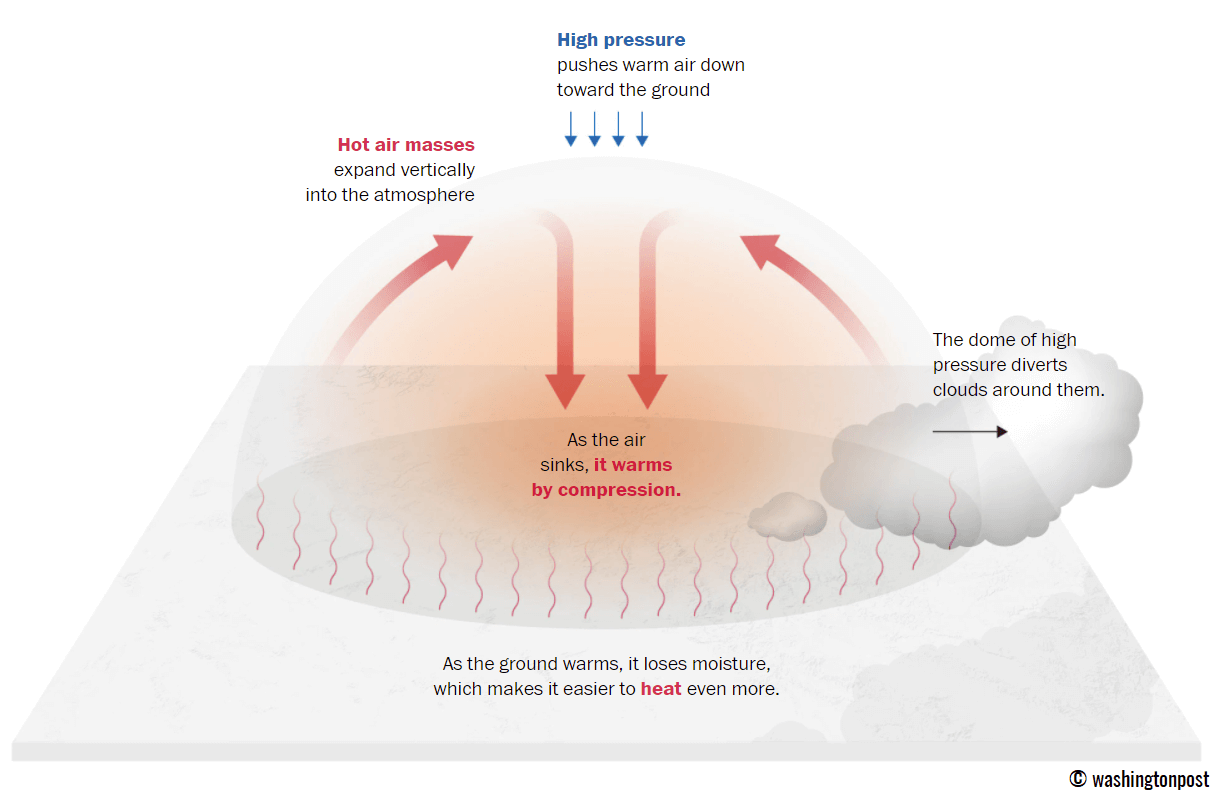
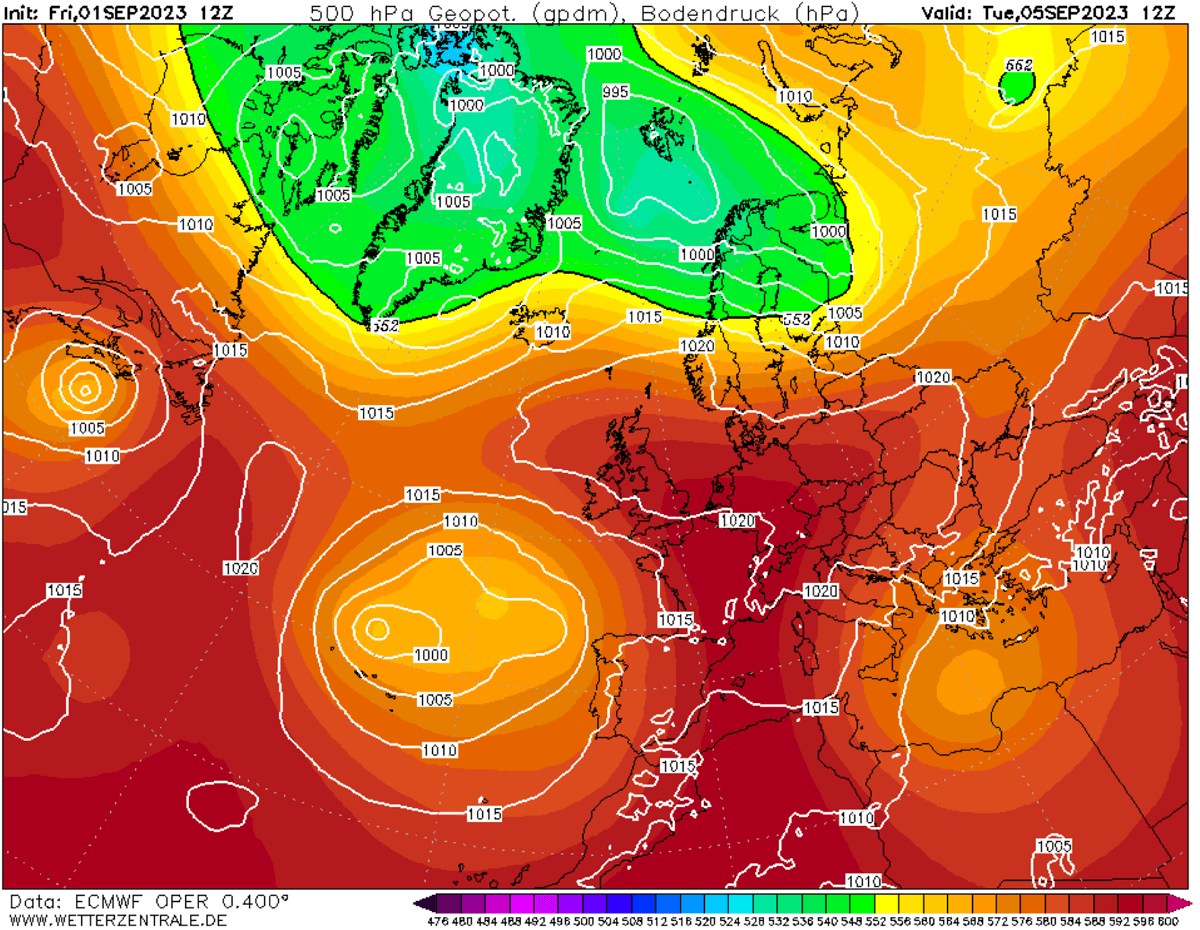
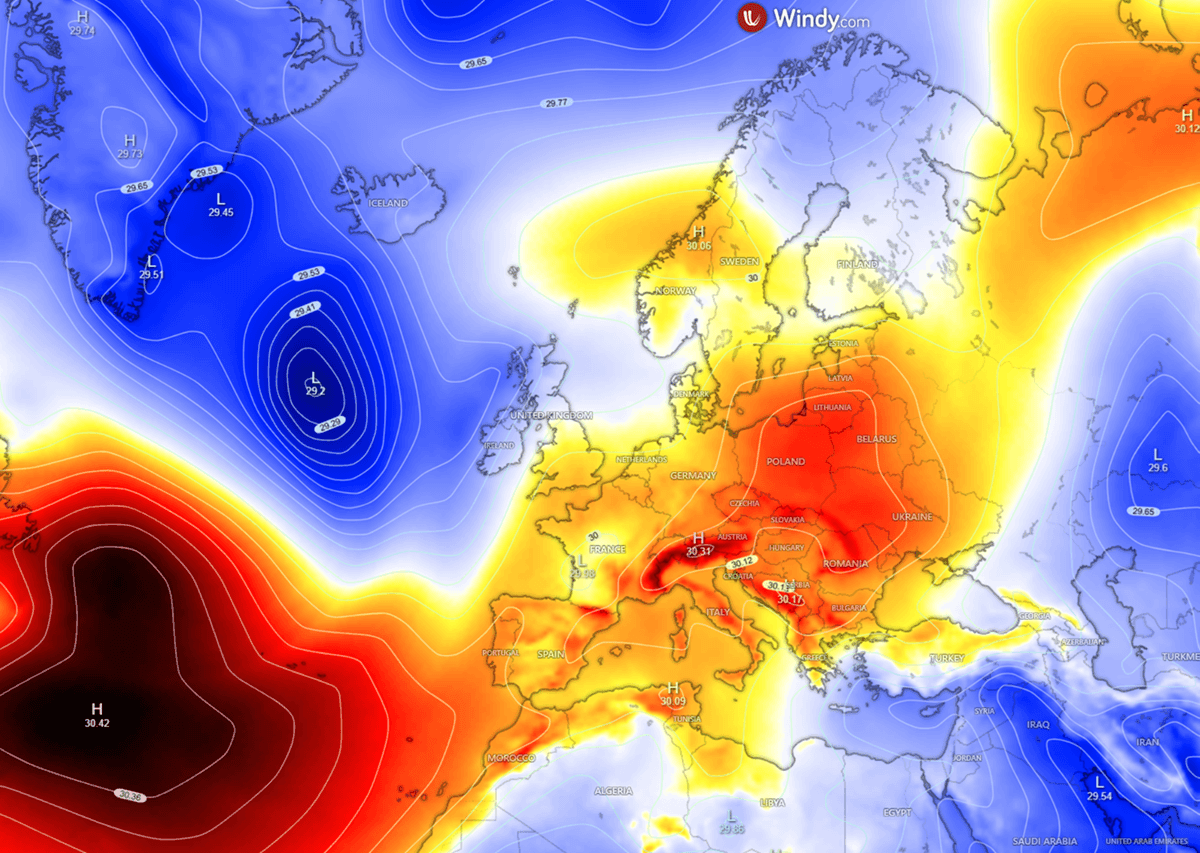
The driving force behind this catastrophe is a powerful, high-pressure system known as an "Omega Block." In meteorological terms, this pattern occurs when a high-pressure ridge becomes "stuck" between two low-pressure systems, effectively locking a mass of hot air in place.

Like a lid on a pot, this heat dome traps warm air at higher altitudes and forces it downward, compressing and heating it as it approaches the surface. Because the system is stationary, it creates a feedback loop: the ground dries out, the vegetation withers, and the lack of moisture allows the sun to heat the surface even more efficiently, leading to temperatures that have climbed well into the 40s (Celsius) across large swathes of Europe.
Chronology of the Devastation
The heatwave first made its presence felt in the United Kingdom, France, and the Benelux region, where it obliterated June records and, in many locations, all-time historic highs.
- Mid-June (The Onset): France bore the initial brunt of the heat, recording an unprecedented national average temperature of 30°C. In specific stations, temperatures peaked at a staggering 44.3°C, shattering previous June benchmarks.
- The UK Response: The UK Met Office issued back-to-back red alerts for the first time in history as southern England experienced suffocating, mid-to-upper 30s heat—a climate environment for which the region’s infrastructure is largely unprepared.
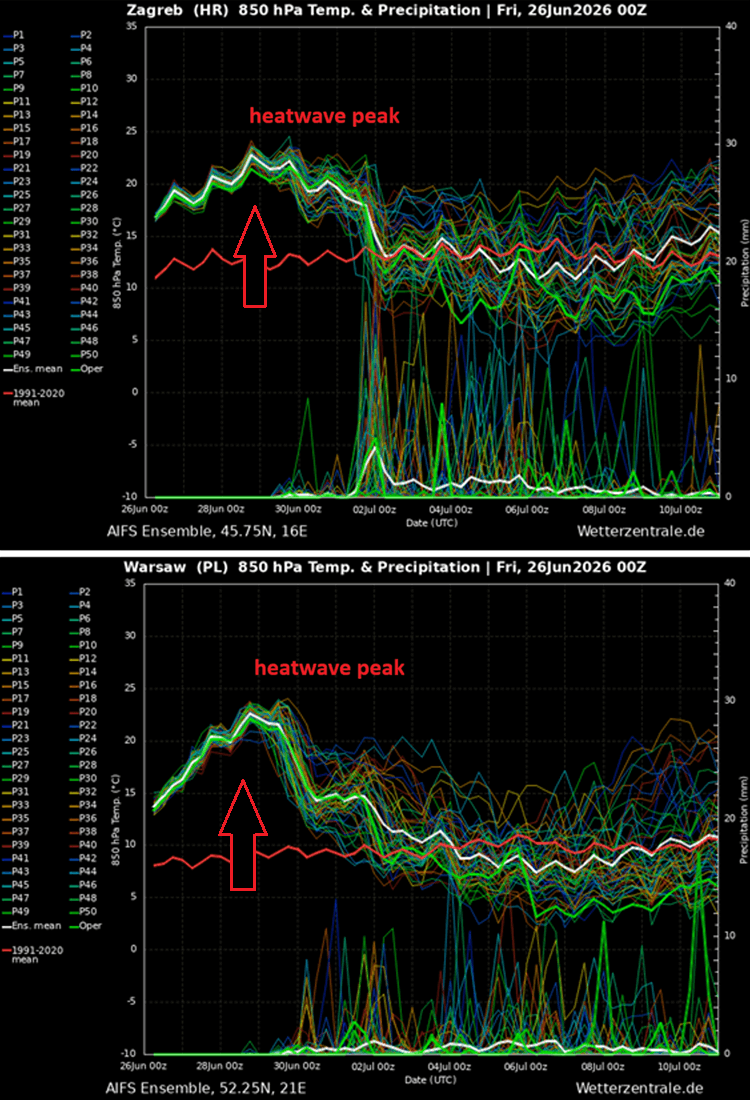
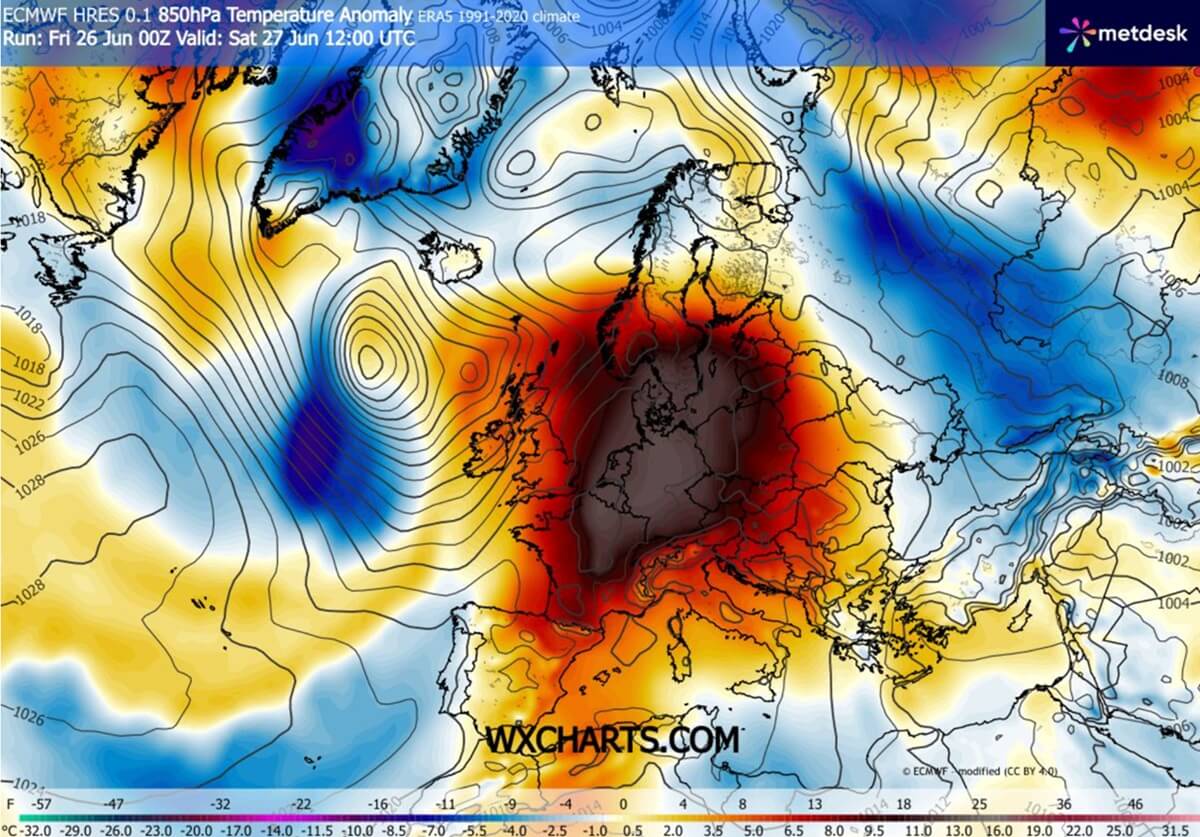
- Late-June (The Eastern Shift): As of the final weekend of the month, the center of the heat dome has migrated eastward. The focus of the extreme heat has shifted toward Germany, the Czech Republic, Poland, and the Baltic States.
- The Upcoming Week: Forecasters expect the core of the dome to settle over the Balkans, Italy, and Ukraine by early July, keeping these regions in a state of high-alert for dangerous thermal conditions.
Supporting Data: By the Numbers
The statistical breakdown of this heatwave paints a grim picture of climate extremes. Meteorologists report that the air mass trapped within the dome is between 16°C and 18°C warmer than the seasonal norm at the 850mbar level.
Relative humidity levels have plummeted, in some areas dropping below 25%, creating a tinderbox environment for wildfires. In Germany and Poland, models are consistently predicting daytime highs of 42°C to 43°C for the final weekend of June. Perhaps most alarmingly, the phenomenon of "tropical nights"—where temperatures fail to drop below 24°C—has prevented the human body from achieving the necessary physiological recovery during nighttime hours, significantly increasing the risk of heat stroke and cardiovascular failure.
Public Health Implications and Human Cost
The human toll of this heat dome is mounting rapidly. With hundreds of fatalities already reported from Spain to France, emergency services are under extreme pressure.
The Silent Killer
Heat is often referred to as a "silent killer" because its effects are cumulative. Vulnerable populations—the elderly, children, and those with pre-existing respiratory or cardiovascular conditions—are at the highest risk. In Europe, where residential air conditioning is not as ubiquitous as in North America, homes act as heat-trapping ovens.
Occupational Hazards
The risk extends beyond the home. Agriculture, construction, and logistics workers, who must remain outdoors, are facing record-breaking exposure levels. Health officials are warning that heat exhaustion is only the first stage of the danger; if left untreated, it progresses rapidly to heat stroke, which can cause permanent organ damage or death within hours.
The "Heat Index" Reality
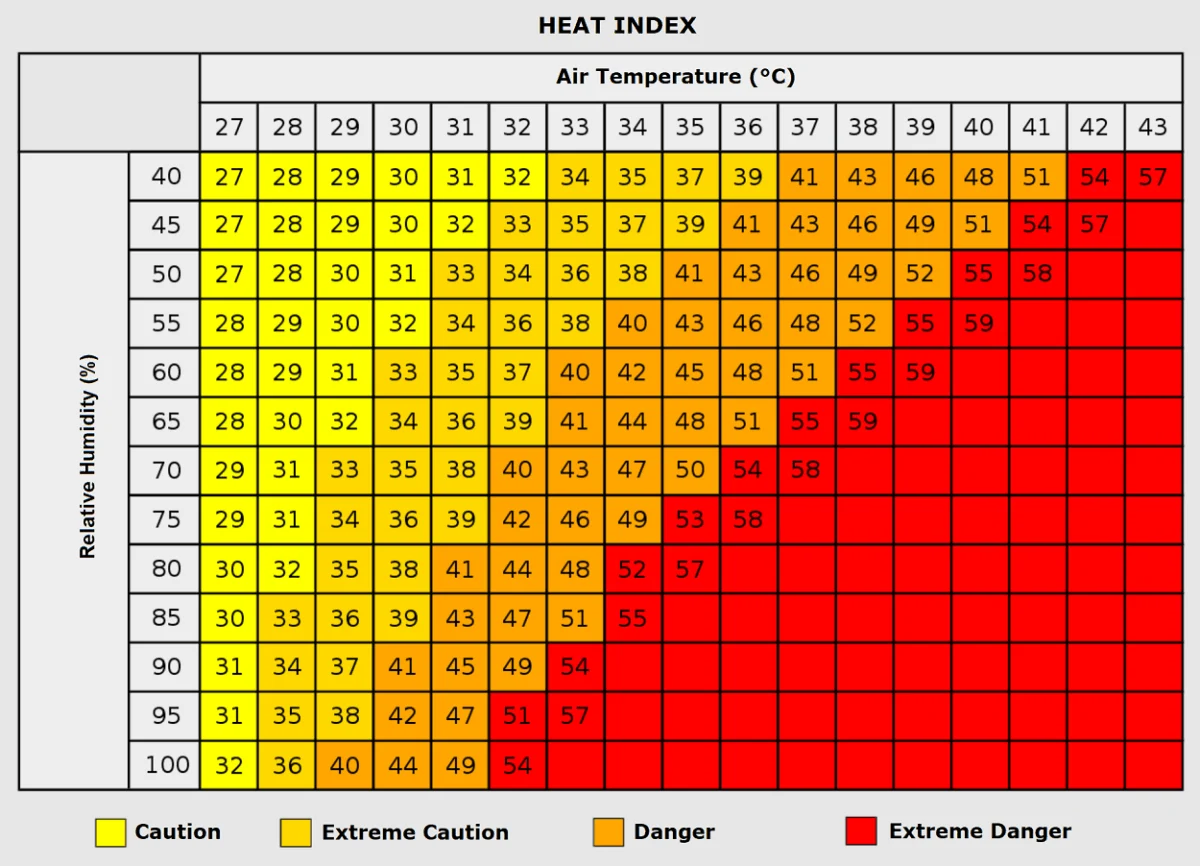
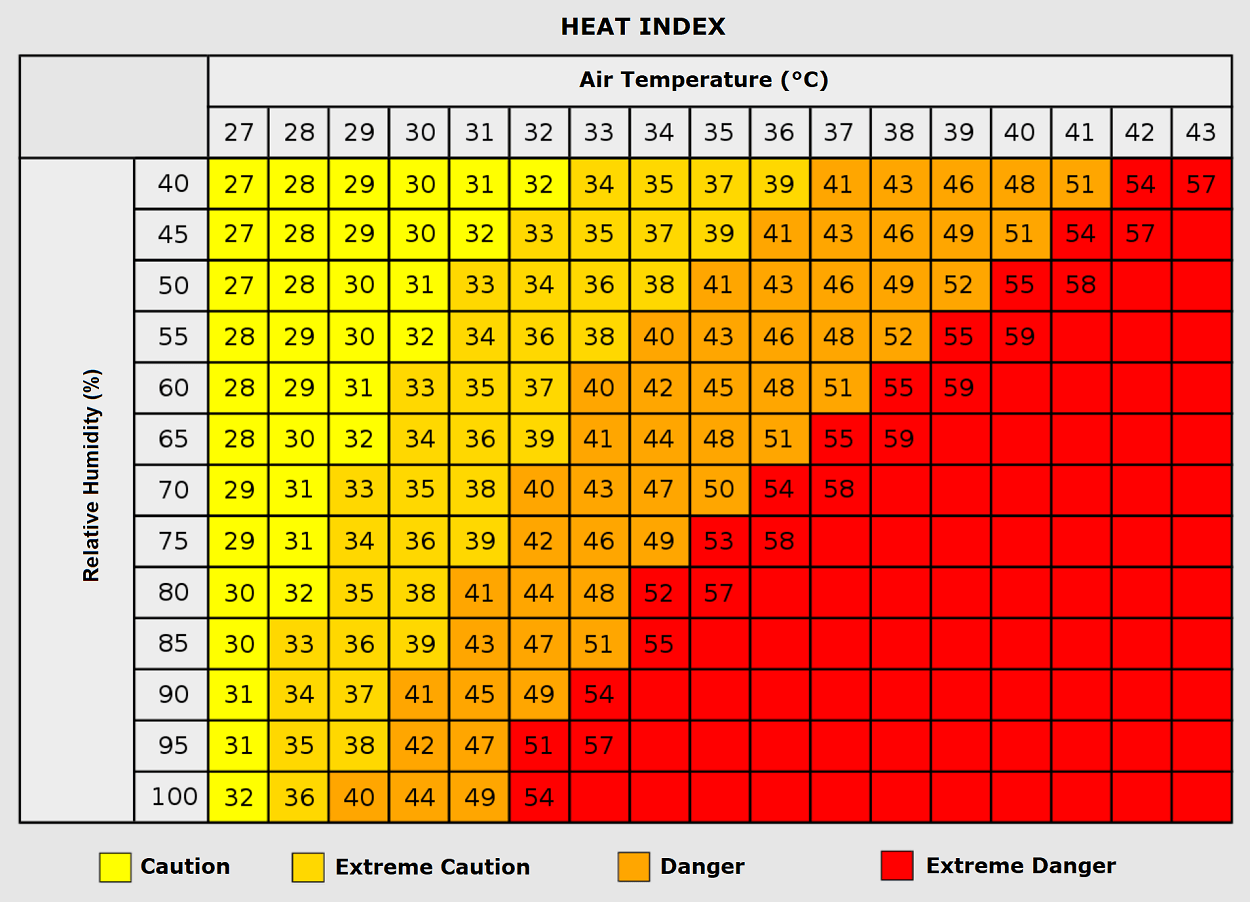
While air temperature is a standard metric, the "feel" of the heat is influenced by humidity. In areas where moisture remains trapped, the heat index can push the perceived temperature toward 50°C. Even in dry regions, the sheer duration of the heatwave is exhausting the body’s cooling capacity, leading to a surge in hospital admissions for heart attacks and strokes.
Environmental and Ecological Impacts
The ecological fallout of this event is expected to be severe and long-lasting. The combination of intense heat and sustained, dry winds has triggered rapid evapotranspiration.
- Vegetation Stress: Forests and grasslands are suffering from immediate moisture loss. Young plants are facing mass mortality, and agricultural yields are expected to plummet across Central Europe.
- Wildfire Risks: National weather services from Berlin to Prague have issued Red Alerts. The combination of parched soil, low humidity, and high winds creates the perfect conditions for uncontrollable, fast-moving wildfires.
- Wildlife Impact: Wildlife and livestock are under significant thermal stress. Farmers are struggling to keep herds hydrated, and local ecosystems are seeing a decline in biodiversity as animals struggle to find shelter from the unrelenting sun.
Official Responses and Warnings
European government agencies have mobilized to manage the crisis. In Germany and Poland, civil protection authorities have urged citizens to stay indoors, shutter windows during the day, and conserve water.
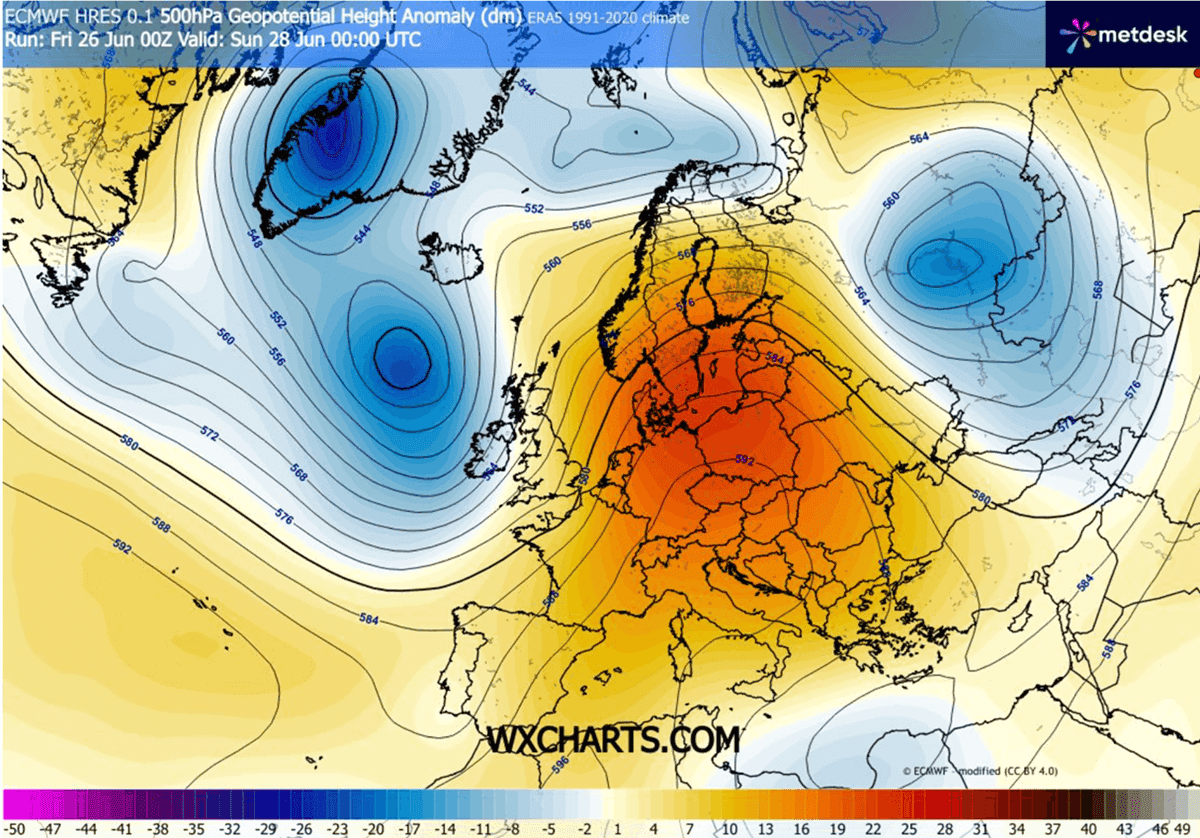
Meteorological agencies continue to provide real-time updates using high-resolution models like ICON and ARPEGE to track the dome’s movement. The consensus among the scientific community is that this is not a typical summer heat spike, but a historic anomaly that underscores the changing volatility of the European climate.
The European Commission has signaled that it will likely launch an inquiry into the cross-border preparedness for such heatwaves, given the strain on energy grids and the rising death toll. As air conditioning demand spikes, energy providers are bracing for grid instability, though most have managed to maintain capacity thus far.
Conclusion: A New Climate Reality
As we look toward the start of July, the heatwave is expected to finally begin its decay, with Atlantic air masses potentially bringing cooler temperatures to Western Europe. However, for those in the east and the Balkans, the ordeal is far from over.
The 2026 June heat dome serves as a harrowing reminder of the vulnerability of modern society to extreme weather patterns. When a "blocking high" parks itself over a continent, the result is not just uncomfortable weather, but a systemic crisis that challenges our infrastructure, our health systems, and our natural environment. For now, the millions of people under this atmospheric siege must remain vigilant, as the final, most intense days of the heatwave are yet to pass.
For real-time updates and safety protocols, residents are encouraged to monitor local weather alerts and follow the guidance of civil protection agencies. Stay hydrated, stay in the shade, and check on vulnerable neighbors. This meteorological event will be studied for years to come, but for those living through it, survival remains the only priority.