The heavens are preparing for a profound display of orbital mechanics. On August 12, 2026, the Moon will slide directly between the Earth and the Sun, casting a shadow of absolute darkness across a narrow corridor spanning the Arctic, the North Atlantic, and the Iberian Peninsula. This total solar eclipse—the first to touch continental Europe since the landmark event of August 1999—represents a rare intersection of astronomical precision and human wonder.
For approximately 2 minutes and 18 seconds, millions of residents and travelers across Greenland, Iceland, and Spain will experience the surreal transition from day to twilight, as the solar corona reveals its ethereal glow.

The Celestial Path: A Journey Through Darkness
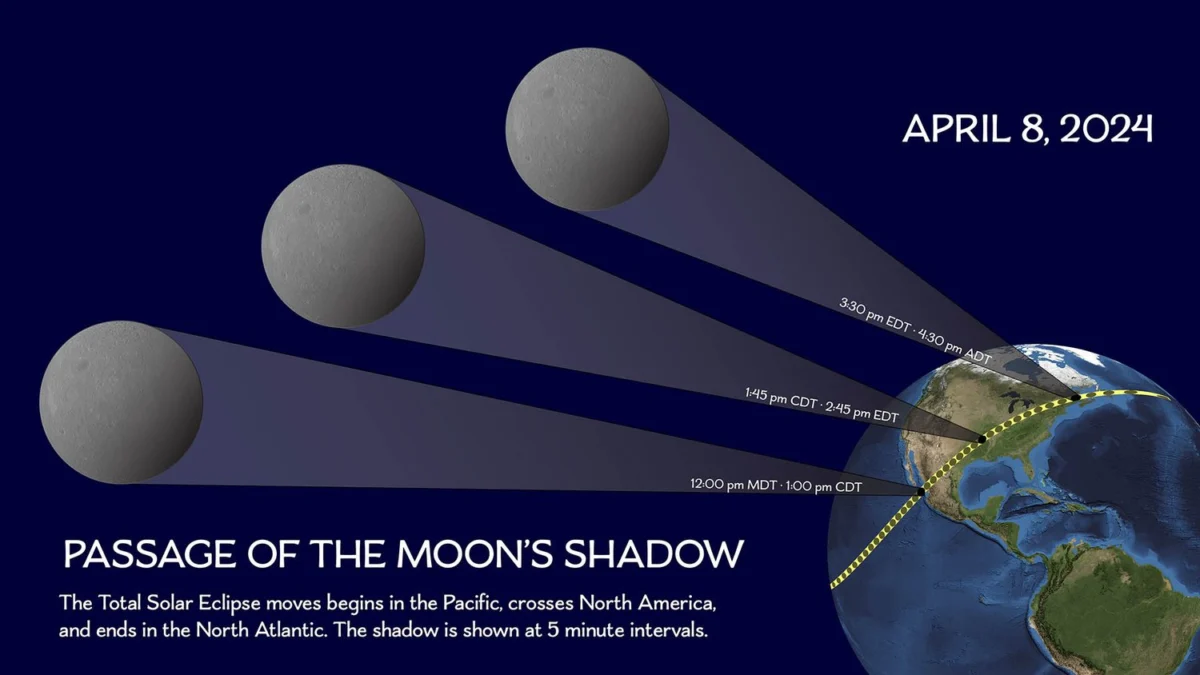
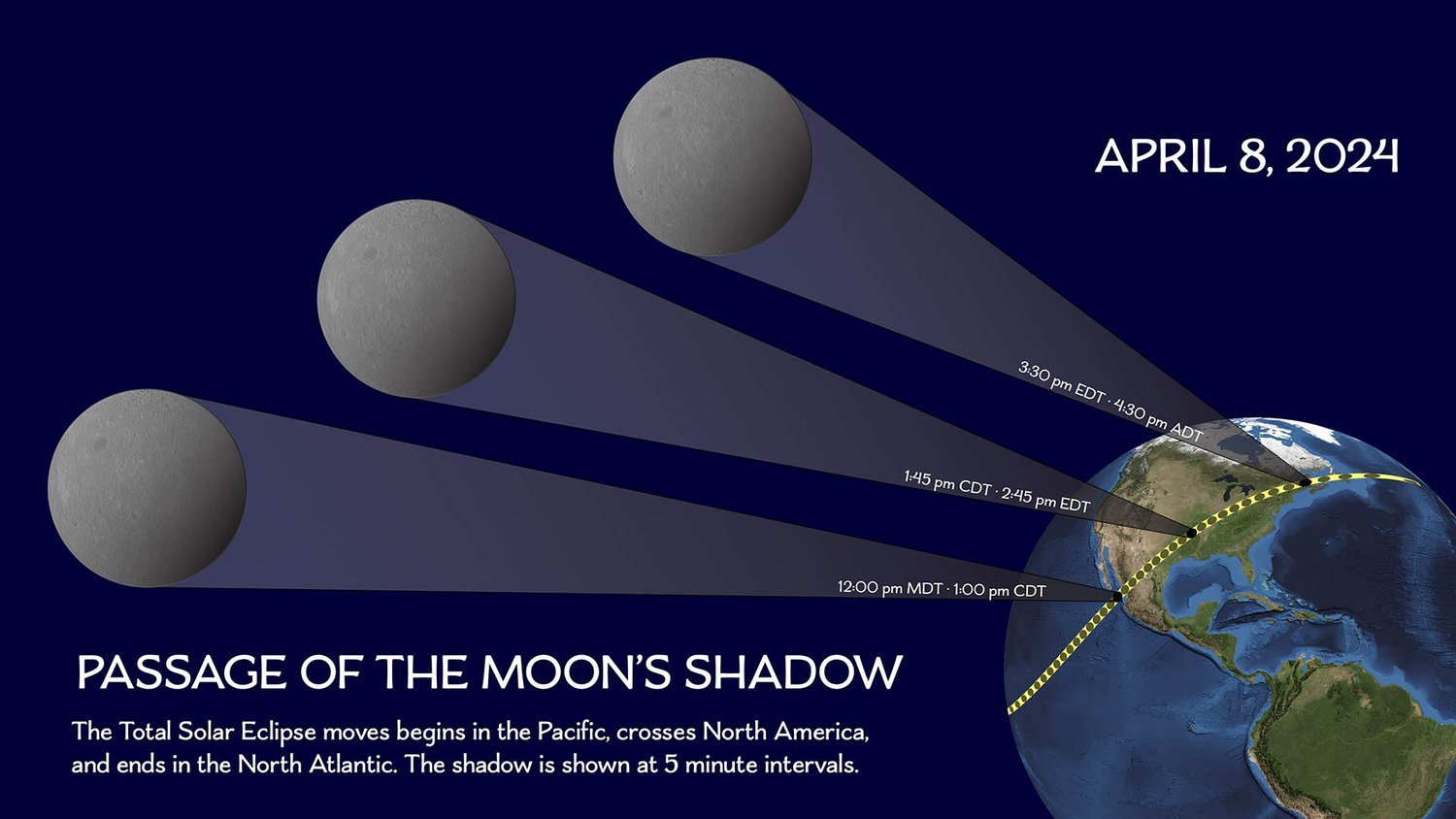
The 2026 event is a masterclass in cosmic geometry. The trajectory begins at sunrise in the remote wilderness of northern Siberia, tracking south-southwest. It traverses the stark landscapes of Greenland before skimming the western coastline of Iceland. As the lunar shadow accelerates across the Atlantic, it reaches its final terrestrial act: a dramatic sweep across northern and eastern Spain, concluding at sunset.
Greenland and Iceland
In Greenland, the eclipse will reach peak totality during the mid-afternoon. While much of the nation’s population resides on the western coast, the path of totality favors the eastern and northern regions, where the duration of darkness will range from 2 minutes and 8 seconds to 2 minutes and 17 seconds. Given the remote nature of these regions, cruise ships are expected to serve as primary observation platforms.
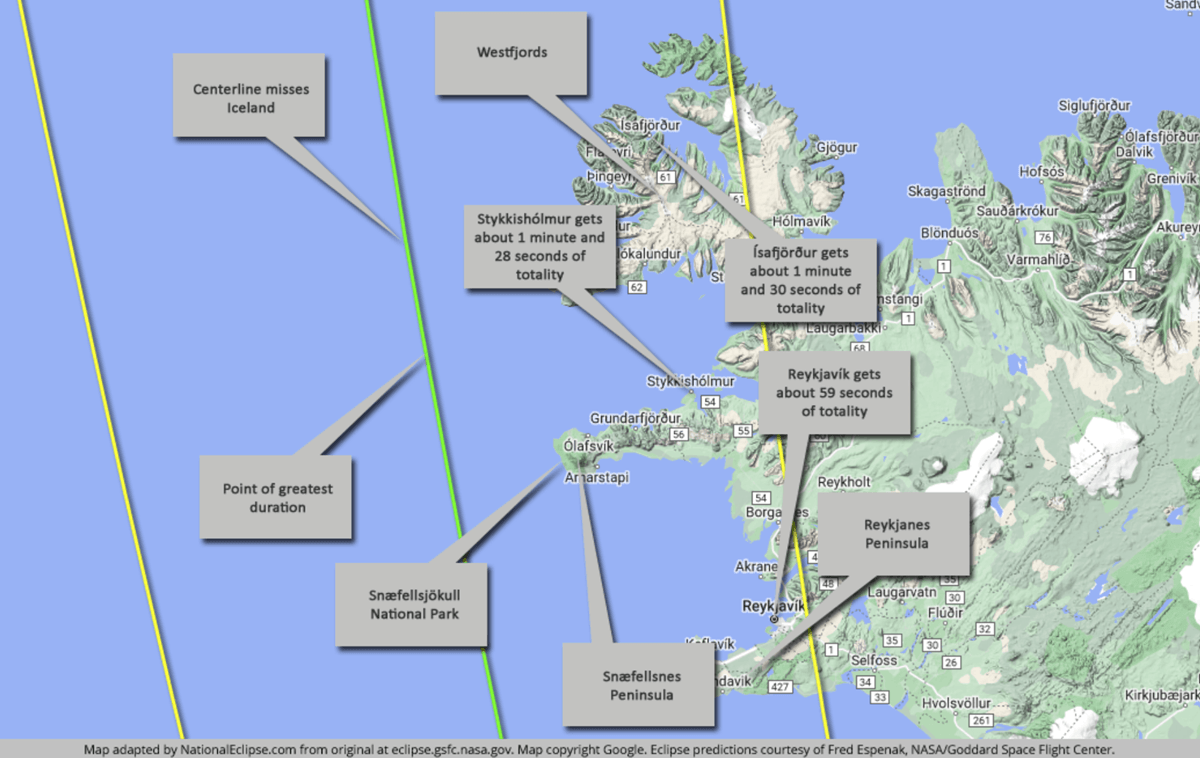
Iceland offers a more accessible, albeit meteorologically challenging, vantage point. The shadow enters the Westfjords before tracking toward the capital, Reykjavík. Observers in the Westfjords can expect 1 minute and 30 seconds of totality, while those in the capital will experience a briefer 59 seconds.
The Iberian Spectacle
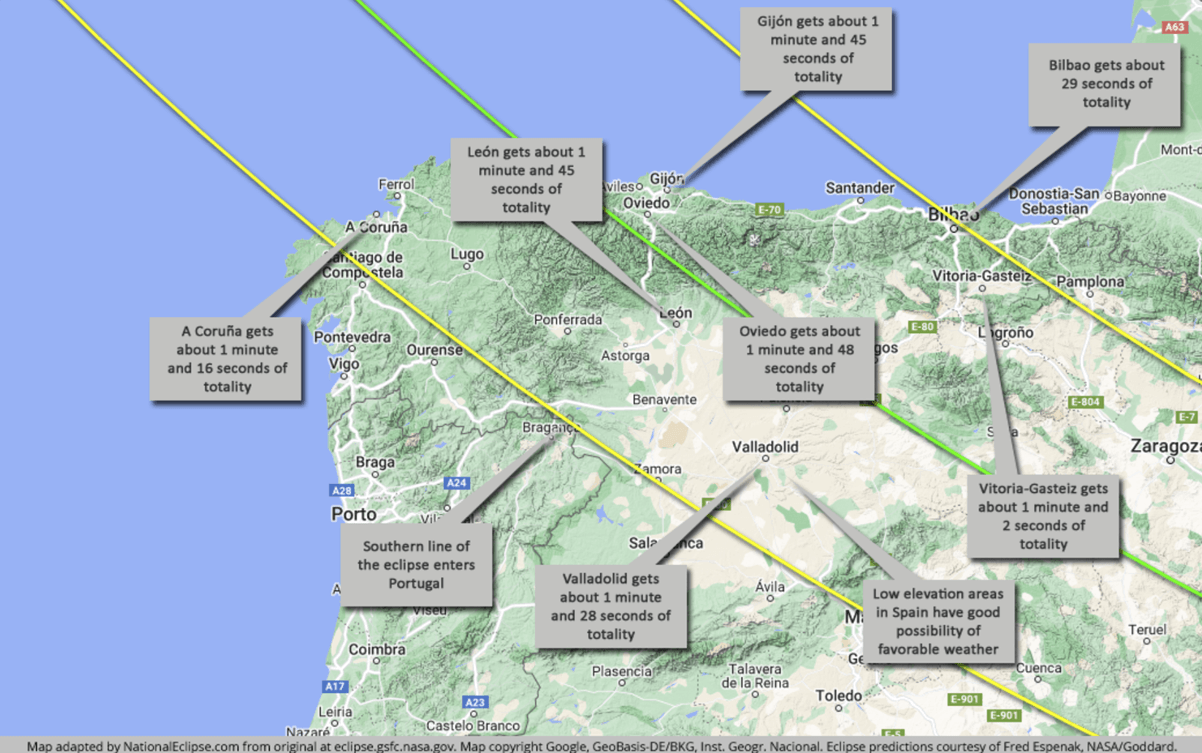
Spain serves as the grand finale. The eclipse is set to arrive in the late afternoon, with the first contact occurring at approximately 19:30 CEST. As the shadow moves southeast, it will bathe major urban centers—including A Coruña, Zaragoza, and Palma de Mallorca—in unexpected darkness. The duration of totality in Spain will be approximately 1 minute and 45 seconds, providing a dramatic sunset backdrop for millions of observers.
Chronology of the Event
To understand the gravity of this eclipse, one must view it as a series of precise, fleeting stages:
- First Contact: The moment the edge of the Moon begins to overlap the solar disc. In Spain, this is marked for 19:30 local time.
- The Approach: As the Moon consumes the Sun, ambient light levels will drop, temperatures will shift, and wildlife often falls into a nocturnal rhythm.
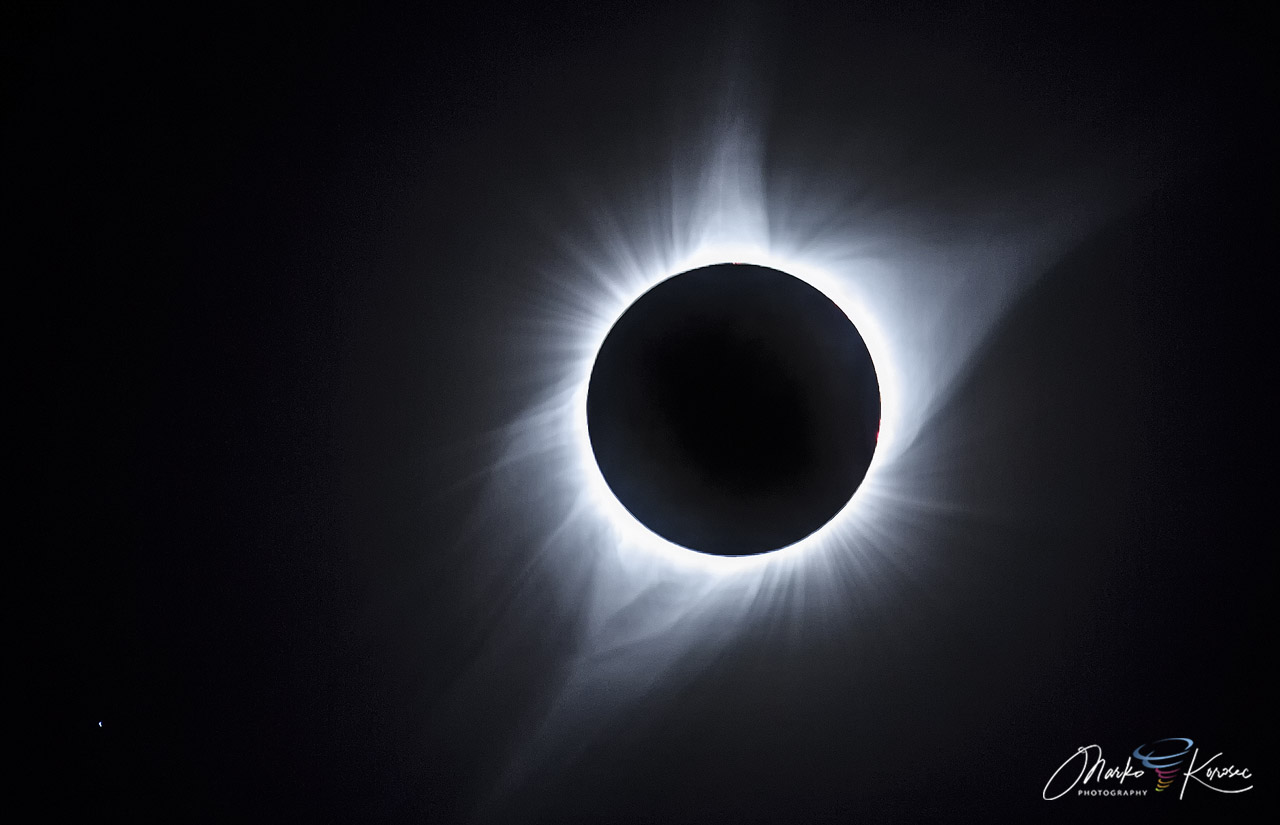
- Totality: The defining moment where the Moon completely obscures the solar photosphere, revealing the Sun’s outer atmosphere (the corona).
- The Celestial Bonus: Uniquely, the 2026 eclipse coincides with the peak of the Perseid meteor shower. Observers within the path of totality may have the rare opportunity to spot shooting stars against a darkened daytime sky, a phenomenon seldom captured in historical records.
- Sunset Termination: The eclipse concludes as the Sun sets while partially obscured, creating a "dramatic exit" for the celestial alignment.
Astronomical Significance and Scientific Context
The 2026 event is not merely a tourist attraction; it is a vital window for solar physics. A total solar eclipse provides the only natural opportunity to view the corona—the Sun’s outer atmosphere—without specialized coronagraphic equipment.
Why Eclipses Are Rare
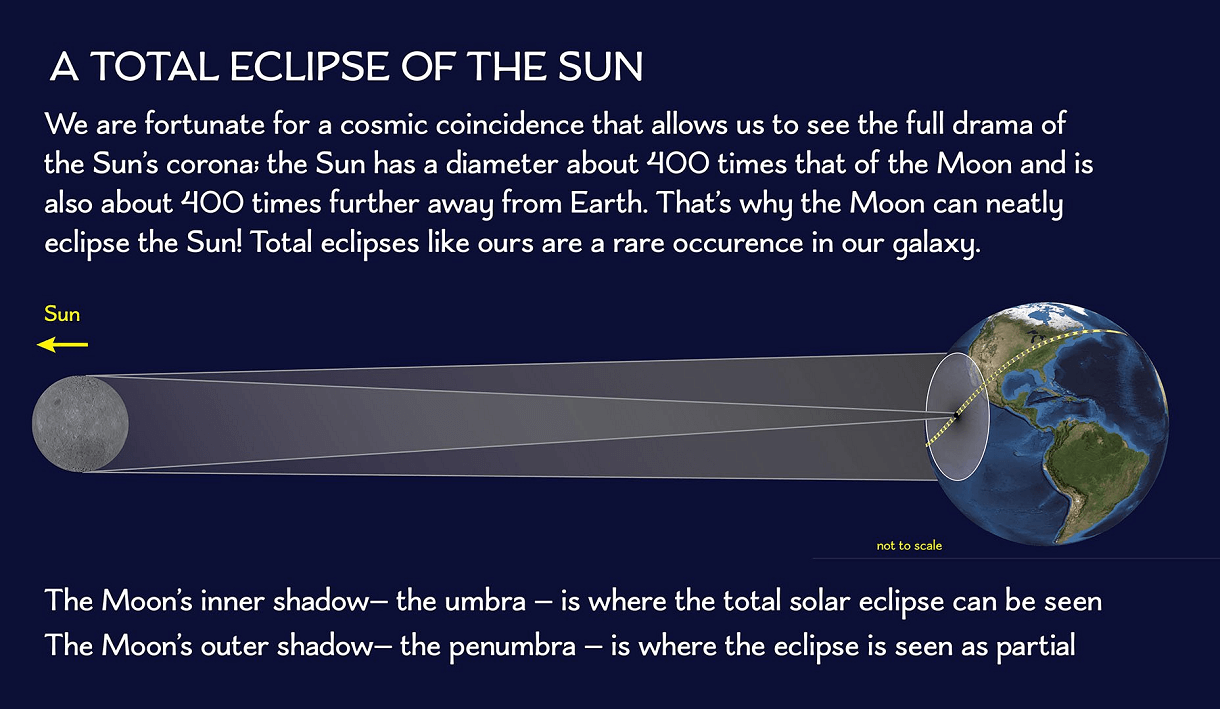
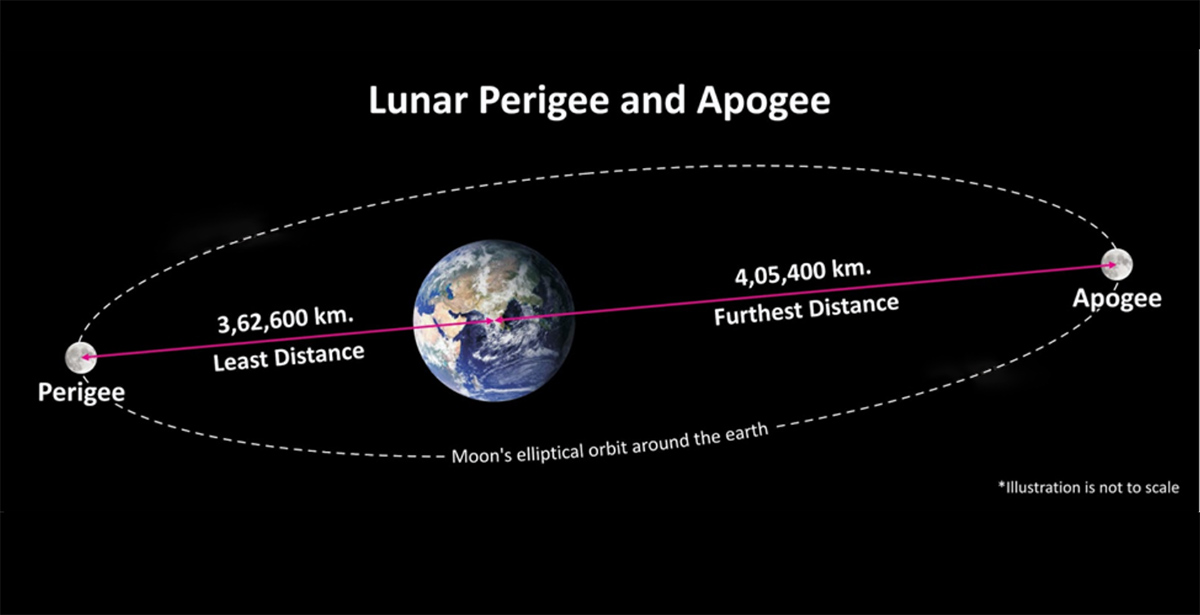
Total solar eclipses are the result of a "perfect accident." The Sun is approximately 400 times larger than the Moon, but it is also roughly 400 times further away. This alignment allows the Moon to perfectly cover the solar disc. However, this is a temporary state of affairs. Due to tidal acceleration, the Moon is slowly drifting away from Earth at a rate of about 3.8 centimeters per year. In approximately 600 million years, the Moon will appear too small in the sky to completely block the Sun, ending the era of total solar eclipses forever.
The Physics of the Shadow
The eclipse is divided into two primary shadow regions:
- The Umbra: The inner, darkest part of the shadow where the Sun is completely hidden. This is the narrow, 60–70 mile-wide path of totality.
- The Penumbra: The outer, lighter shadow where only a partial eclipse is visible.
Weather Forecasts and Observational Outlook
The success of any eclipse viewing depends entirely on cloud cover. Meteorologists are already analyzing historical data to assist travelers in planning their vantage points.
- Spain: The forecast is highly promising. Summertime in the Iberian Peninsula is characterized by hot, dry air and a lack of significant cloud cover. Current models suggest an excellent probability of clear skies, particularly in central and eastern Spain.
- Iceland: The outlook is more volatile. The region is often subject to Atlantic depressions, which bring consistent cloud cover. While the Westfjords may benefit from "downslope" winds—which can force clouds to dissipate as they move over mountain ranges—observers should prepare for the possibility of obscured views.
Societal and Logistical Implications
The return of a total solar eclipse to European soil is expected to trigger a massive influx of "eclipse tourism." Cities like Zaragoza and Palma de Mallorca should prepare for infrastructure strain, including gridlocked roads, park overcrowding, and increased demand for public services.
Safety Protocols: The Golden Rule
The primary concern for authorities is ocular safety. Looking directly at the Sun, even during an eclipse, can cause permanent retinal damage.
- Certified Eyewear: Only use ISO 12312-2 compliant solar eclipse glasses. Inspect them for scratches or punctures before use.
- Indirect Observation: For those without glasses, pinhole projectors remain the safest, most accessible method for viewing.
- Supervision: Parents must ensure that children do not remove their protective eyewear at any point during the partial phases.
- Optical Devices: Never look at the Sun through an unfiltered telescope, binoculars, or camera lens. The concentrated light can cause instantaneous blindness and destroy optical equipment.
Guidelines for Astrophotography
Capturing the eclipse requires preparation and specific hardware.
- Filters are Mandatory: With the exception of the brief moments of totality, a solar filter must remain on the camera lens at all times.
- Equipment: While professional-grade cameras provide the best results, modern DSLRs and even high-end smartphones can capture the event. A focal length of 200mm–600mm is recommended to capture the Sun at a substantial size.
- Stability: Use a sturdy tripod. As the sky darkens, shutter speeds will necessarily become longer, increasing the risk of motion blur.
- Bracketing: Professionals often use "bracketing"—taking a series of images at different exposure levels—to ensure that the details of the corona are captured without overexposing the solar atmosphere.
Looking Beyond 2026: The Future of Eclipses
The 2026 event serves as a reminder of the dynamic nature of our solar system. For those who miss this encounter, the next major opportunity awaits in Northern Africa on August 2, 2027. That event is projected to be particularly significant, with a duration of totality exceeding six minutes—nearly triple the length of the 2026 European event.
As we look toward August 12, 2026, the message from the scientific community is clear: prepare early, prioritize safety, and respect the unpredictability of the weather. Whether you are in the rugged mountains of Iceland or the historic plazas of Spain, you are participating in a tradition as old as humanity itself—the act of looking up in awe at the mechanics of the universe.