“A good lie can walk from Baghdad to Constantinople while the truth is still looking for its sandals.” — Arab Proverb
In the world of outdoor recreation, misinformation travels with the speed of a wildfire. From the gear-heavy aisles of outdoor retailers to the echo chambers of internet forums, "common knowledge" often morphs into dangerous dogma. Many of these misconceptions are benign, but others—those concerning bear safety, medical emergencies, and environmental ethics—can have life-altering consequences.
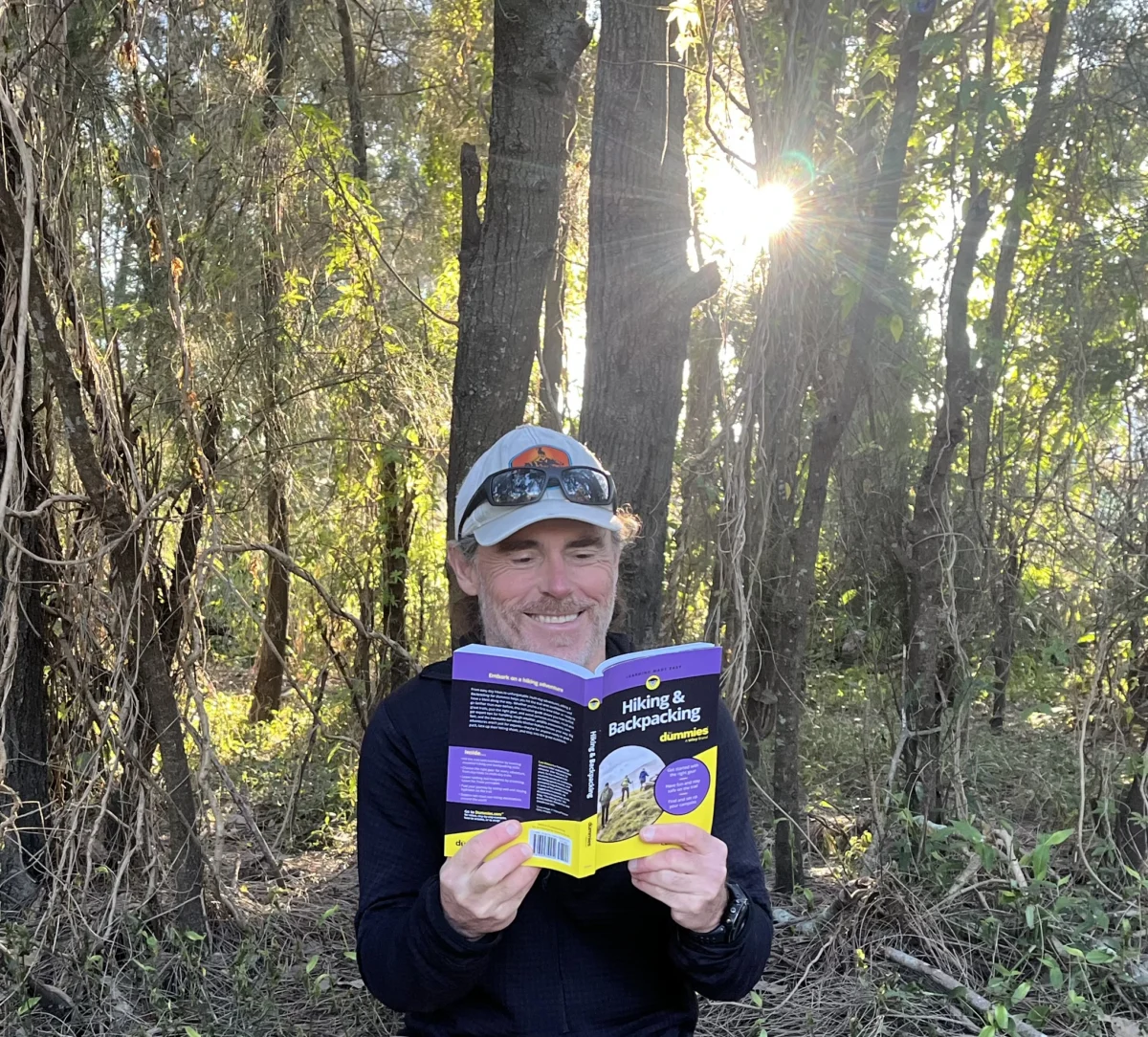
As an excerpt from the upcoming 2026 release Hiking & Backpacking For Dummies by renowned expert Cam Honan, this investigation seeks to dismantle ten of the most persistent myths that have clung to the wilderness community like a stubborn grass stain on a pristine white shirt.

The Anatomy of Wilderness Misinformation: Main Facts
Wilderness lore is rarely malicious; it is usually born from a desire to simplify the complexities of nature. However, the outdoors is an environment where nuance is essential. The following analysis breaks down the most prevalent myths that continue to misguide hikers today.
1. The Naked Sleeping Fallacy
Perhaps the most persistent urban legend in the backpacking world is the claim that sleeping naked is warmer than wearing layers. The physics of heat retention are simple: insulation traps body heat. If a hiker is shivering, the answer is to add layers—a beanie, thermal base layers, and an extra jacket—not to strip down. The only caveat to this rule is if the clothing is damp, which can conduct heat away from the body, or if sharing a sleeping bag for collective warmth—a scenario that, while effective, lies outside the scope of this guide.
2. The Boot Obsession
The belief that heavy, high-cut boots are required for "ankle support" is a marketing triumph, not a medical necessity. Despite the prevalence of this advice in retail, there is a lack of clinical evidence suggesting that stiff boots prevent injuries. In fact, many long-distance thru-hikers now favor trail runners, which offer superior breathability, reduced weight, and less fatigue. When a hiker is less fatigued, their coordination improves, which is the best defense against rolling an ankle. Boots remain a specialized tool for deep snow or technical mountaineering, but for three-season hiking, they are often unnecessary overkill.

Chronology of Common Misconceptions
The evolution of these myths mirrors the history of outdoor gear. In the late 20th century, heavy leather boots were the industry standard, and waterproof-breathable fabrics were marketed as "impervious" solutions to nature’s wrath.
3. The "Waterproof" Mirage
Consumers are frequently misled by the term "waterproof and breathable." In reality, no garment can provide total protection against extreme weather indefinitely. External moisture will eventually permeate the membrane, while internal sweat will build up from the inside. The professional goal is not to stay perfectly dry, but to manage temperature and comfort during prolonged exposure.
4. Soap and the Water Source
For decades, hikers believed that using "biodegradable" soap in a stream was environmentally acceptable. We now know that biodegradable soaps still require soil bacteria to break down. When introduced directly into a water source, these soaps can disrupt aquatic ecosystems and contaminate water for those downstream. Modern Leave No Trace (LNT) principles demand that cleaning occurs at least 200 feet from water sources, with gray water dispersed over a wide area.
Supporting Data: When Logic Meets Reality
The persistence of these myths is often due to the "I’ve always done it this way" bias. However, data from wilderness search-and-rescue (SAR) operations and environmental studies tells a different story.
5. The "Never Hike Alone" Rule
While group hiking is safer for novices or those in dangerous terrain, "never hike alone" is not a universal mandate. The risk factor is not the act of hiking solo, but rather the failure of the individual to assess their own experience level against the difficulty of the terrain. The key to successful solo trekking is preparation and the ability to exercise sound judgment under pressure.
6. The Illusion of Rapid Decomposition
There is a widespread, harmful belief that toilet paper and fruit peels decompose quickly in the wilderness. In reality, toilet paper can take up to three years to break down in arid environments, and fruit peels—often containing seeds and chemicals—can take just as long. Furthermore, discarded fruit habituates wildlife to human food, leading to negative encounters. The standard is absolute: pack it in, pack it out.

7. The Lightning/Metal Connection
Many hikers fear that carrying metal trekking poles or wearing an internal-frame backpack will act as a lightning rod. This is a scientific misunderstanding. Lightning strikes are determined by the landscape’s topography—specifically, whether you are the tallest object in the immediate vicinity—not by the presence of a few ounces of aluminum. If an electrical storm approaches, the priority is to move off exposed ridges or peaks, regardless of your gear.
Official Responses and Medical Reality
When myths enter the realm of first aid, the stakes rise from discomfort to life-threatening.
8. The Snakebite "Cure"
Movies have popularized the idea of cutting open a snakebite and sucking out the venom. Medical professionals universally condemn this practice. Venom enters the lymphatic system almost instantly; by the time a victim attempts to "suck" it out, the toxins are already systemic. Furthermore, the act introduces bacteria into an open wound, significantly increasing the risk of infection. The only effective treatment is immediate transport to a medical facility for antivenom.

Implications: The Impact of Human Behavior
The final myths address the human element: the psychology of the hiker and the interaction with apex predators.
9. The "Just One Person" Shortcut
Cutting switchbacks or stepping off-trail to avoid mud seems harmless to the individual. However, the cumulative impact of hundreds of hikers following the same "shortcut" leads to massive erosion and destroyed vegetation. These scars on the landscape are not easily healed. Choosing to stay on the path, even when it is muddy or winding, is a fundamental act of environmental stewardship.
10. The Tree-Climbing Fallacy
When confronted by a bear, the instinct to climb a tree is often viewed as a survival strategy. However, bears are exceptional climbers. Black bears can easily outpace a human in a tree, and even larger grizzly bears can climb when their predatory instincts are triggered. Seeking safety in a tree is often a tactical error that traps the hiker in a vulnerable position. Instead, hikers should focus on distance, bear spray, and calm, non-threatening behavior.

Conclusion
The wilderness is a place of wonder, but it demands a commitment to accuracy. By discarding these ten myths, hikers can better prepare themselves for the realities of the backcountry. Whether it is abandoning the heavy boots, respecting the 200-foot rule for washing, or understanding that you are not a lightning rod, truth is the most essential piece of gear in your pack.
Hiking & Backpacking For Dummies by Cam Honan (ISBN: 978-1394350254) is available now through major retailers and local bookstores. For those looking to deepen their knowledge, further resources on gear, safety, and ethics can be found at The Hiking Life.