Finland’s extensive network of sports facilities—once the pride of the nation—is currently facing an unprecedented structural crisis. With a massive backlog of maintenance and an evolving societal landscape, the country’s physical activity infrastructure is at a critical juncture. In response, the Finnish Olympic Committee has launched the "EU-Boost" (EU-Buusti) project, an ambitious, multi-year initiative designed to synchronize national efforts, secure future funding, and align Finnish sports facilities with the sustainability demands of the 21st century.
The State of Play: A Billion-Euro Burden
The core of the issue lies in the age and condition of Finland’s sports venues. Many of the facilities currently in use were constructed decades ago, during a different era of urban planning and energy standards. Today, the "maintenance debt"—the cost required to restore these facilities to a functional and safe state—is estimated to have reached a staggering one billion euros.
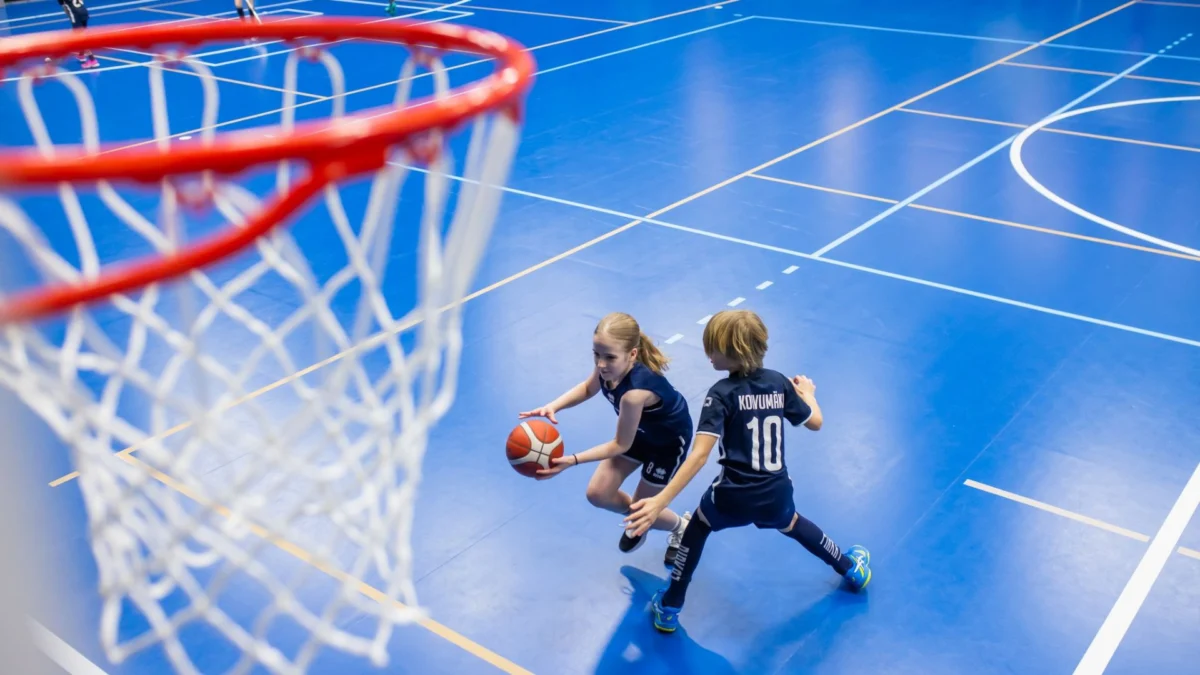
Specific facility types, such as swimming halls, ice rinks, and multi-purpose sports arenas, are bearing the brunt of this neglect. These structures are not only physically deteriorating but are also becoming increasingly expensive to operate due to outdated HVAC systems, poor insulation, and high energy consumption.
"The Finnish sports facility network is facing a significant need for renewal," explains Seriina Posio, the project’s newly appointed Special Advisor. "A large portion of these venues were built decades ago. When we look at the current maintenance debt, we are talking about a billion-euro challenge. The structural integrity and energy efficiency of our swimming halls, ice rinks, and indoor sports halls require urgent, comprehensive refurbishment."
Chronology and Scope: A Roadmap to 2027
The EU-Boost project, supported by a dedicated grant from the Ministry of Education and Culture, is not merely a repair study; it is a strategic roadmap. The project timeline is structured to align with critical political and financial cycles, running until July 2027.
- 2024–2025: Phase of Assessment and Synthesis. The project is currently focusing on building a national "situational picture." This involves mapping every major facility, identifying the most urgent repair needs, and auditing energy performance.
- 2026: The Strategic Alignment Phase. By mid-project, the team will facilitate thematic workshops involving municipalities, private developers, and regional sports federations to align local needs with national and EU-level sustainability targets.
- 2027: The Advocacy and Implementation Phase. As the project concludes, the goal is to have a shovel-ready portfolio of projects and a clear policy framework to present to the next Finnish government and EU funding bodies.
This timeline is intentional. It coincides with the preparation of the next seven-year European Union funding period and the upcoming Finnish parliamentary elections, positioning the project to influence legislative priorities.
Supporting Data: The Convergence of Sustainability and Demographics
The necessity for this project is driven by more than just crumbling concrete. Three major external factors are reshaping the requirements for Finnish sports infrastructure:
1. The Green Transition
The European Union’s Energy Performance of Buildings Directive (EPBD) is setting stringent requirements for public infrastructure. Furthermore, Finland’s own ambitious climate goals—aiming for carbon neutrality—mean that traditional, high-energy-consumption sports halls are no longer viable. Future investments must prioritize low-carbon materials, geothermal heating, and smart energy management systems.
2. Demographic Shifts
Finland is experiencing a dual challenge: a rapidly aging population and significant internal migration. While urban centers face overcrowding in existing facilities, smaller municipalities struggle to maintain massive complexes for a dwindling youth population. The infrastructure must become more "resilient," meaning it must be adaptable to different types of use—from senior citizen wellness programs to high-performance training—to maximize return on investment.
3. The Economic Crunch
The traditional model of relying on state subsidies is under pressure. With municipal budgets tightening across the country and state-level grants for sports infrastructure declining, the "EU-Boost" initiative is exploring alternative financing models. This includes Public-Private Partnerships (PPPs) and leveraging EU structural funds, which have historically been underutilized for sports facility development in Finland.
Official Responses: The View from the Top
The Finnish Olympic Committee, led by Deputy CEO Petri Keskitalo, views this project as a matter of national health policy.
"The timing is significant from the perspective of the sports community’s influence," Keskitalo notes. "Parliamentary parties have committed to strengthening the physical functional capacity of Finns. However, that capacity cannot be built in a vacuum; it requires the right physical environment. The decisions made today—and the funding we secure in the next two years—will determine the quality of sports opportunities for the next generation."
Keskitalo emphasizes that the project is not just about buildings, but about the "culture of movement." If the facilities are inaccessible, outdated, or unsafe, the national goal of increasing physical activity among the population will fail regardless of how many awareness campaigns are launched.
Implications: A New Era for Finnish Infrastructure
The "EU-Boost" project carries profound implications for stakeholders ranging from local contractors to city planners.
For Municipalities
The project offers a lifeline. By participating in the national situational mapping, municipalities can gain access to data-driven arguments for why their specific facility needs state or EU funding. It shifts the burden from a single municipality trying to lobby for funds to a unified national front.
For the Sports Industry
This initiative signals a transition toward "smart" infrastructure. Companies specializing in energy-efficient construction, sustainable materials, and digital facility management will find a growing market as the project progresses. The focus on "resourced-wise" solutions suggests that future tenders will favor contractors who can prove the long-term operational efficiency of their builds.
For the Public
Ultimately, the goal is to ensure that every Finn, regardless of their location, has access to modern, safe, and sustainable sports facilities. By addressing the maintenance debt now, the project aims to prevent the permanent closure of community-vital assets like local swimming pools and ice rinks.
Call to Action: A Collective Effort
As Seriina Posio points out, the success of the EU-Boost project depends on broad cooperation. "We are inviting all actors working in sports conditions and facility construction to join us," she states. The project is not a top-down mandate but a collaborative effort to solve a shared problem.
Through thematic workshops and strategic advocacy, the initiative intends to bridge the gap between the dream of a "moving nation" and the reality of the physical infrastructure required to sustain it. The coming years will be a test of whether Finland can successfully navigate the complexities of European regulation and domestic fiscal austerity to build a foundation that serves both the climate and the physical health of its citizens for decades to come.
As the project enters its active phase, the message from the Olympic Committee is clear: the era of reactive, piecemeal repairs must end. In its place, a proactive, data-driven, and European-integrated strategy must take root to ensure that Finland remains a global leader in health, wellness, and sporting excellence.