Helsinki, October 6, 2026 – The Finnish Olympic Committee (Suomen Olympiakomitea) has issued a formal response to the government’s 2027 budget proposal (HE 175/2026 vp). While the organization acknowledges the stability of current funding levels for sports and physical activity, it has sounded a clear alarm regarding the structural mechanisms used to finance new social security reforms for athletes and the mounting "repair debt" threatening the nation’s sports infrastructure.
The budget proposal, which allocates approximately 176.5 million euros to the sports sector, represents an 18 million euro increase compared to the previous year. However, as the committee’s Vice President, Petri Keskitalo, articulated in the official statement, the headline figures mask complex challenges that require a more strategic approach to ensure the long-term vitality of Finnish sports.
Main Facts: A Balanced but Challenging Fiscal Outlook
The 2027 budget proposal provides a degree of security for the sports sector as the current government’s term draws to a close. Most notably, the budget avoids significant austerity measures, instead opting for modest increases in specific areas. The 176.5 million euro allocation is largely bolstered by a 15-million-euro injection into sports facility construction, aimed at addressing the long-standing backlog of maintenance and improving access in segregated urban areas. Additionally, the government has earmarked 2 million euros for the hosting of the 2030 European Athletics Championships.
However, the Olympic Committee has raised a red flag regarding the internal redistribution of funds. Specifically, the government intends to fund a new pension and insurance security scheme for elite athletes by reallocating 250,000 euros directly from the "lajien tehostamistuki" (sport-specific efficiency grants). The Committee argues that while the social security reform is a positive and necessary step for athlete welfare, financing it by cannibalizing existing high-performance development resources is counterproductive.
Chronology of the Budgetary Debate
The discourse surrounding the 2027 budget has been marked by a transition from broad fiscal cuts early in the government’s term to a more targeted investment strategy.
- Early 2026: Parliamentary parties committed to a national goal of increasing physical activity levels by 15% by 2040. This political consensus set the stage for subsequent budget negotiations.
- Spring 2026: Discussions regarding the sustainability of the sports sector began, with the government identifying the need to support elite athletes’ post-career security.
- October 6, 2026: The Finnish Olympic Committee submitted its formal response to the Education and Culture Committee, emphasizing that while the budget is a step in the right direction, it requires recalibration to protect grassroots development and elite performance standards.
- Looking Forward: The implementation of the 2027 budget will commence in January, with the Olympic Committee advocating for a shift toward multi-year funding cycles and more transparent, less bureaucratic reporting requirements.
Supporting Data: The 1.3 Billion Euro Crisis
The most striking figure in the committee’s report is the estimated 1.3 billion euro "repair debt" plaguing Finland’s sports facilities. Data indicates that half of the country’s swimming halls and one-third of its sports halls have reached the age where major renovations are no longer optional but mandatory for safety and operational viability.
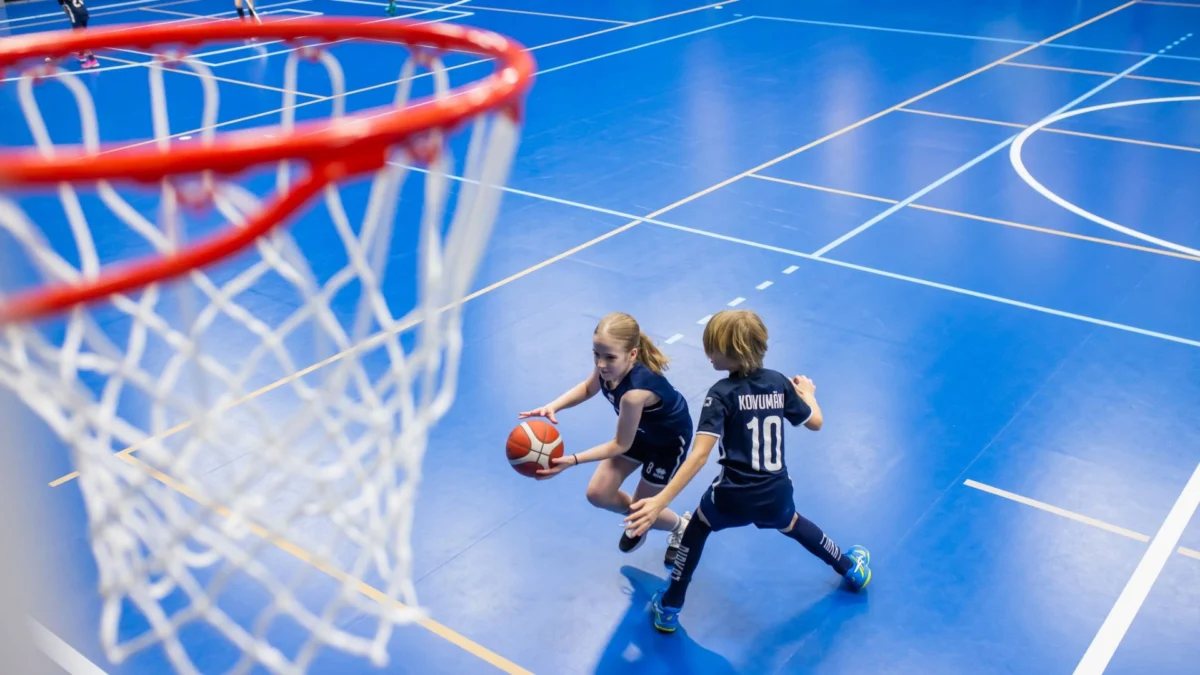
The decline in physical activity among youth is equally concerning. While 68% of girls and 72% of boys are active in club sports at age 11, these figures plummet to 44% by age 15. Perhaps more alarming is the drop in compliance with physical activity recommendations: while 22% of 11-year-olds meet national activity guidelines, only 3.5% of 15-year-olds do so.
The economic implications of this trend are profound. The UKK Institute estimates that the annual cost of physical inactivity to the Finnish state is approximately 3 billion euros. This figure highlights that sports funding is not merely a subsidy for leisure, but a critical investment in public health and the mitigation of future healthcare expenditures.
Official Responses and Strategic Recommendations
The Olympic Committee has outlined four primary recommendations for the government to consider as the budget process moves toward finalization:
1. Protecting High-Performance Funding
The Committee insists that the 250,000 euro cost for athlete social security must come from a separate, dedicated appropriation rather than being deducted from existing high-performance grants. "Lajien tehostamistuki" is the lifeblood of international competitiveness; weakening it undermines the very athletes the government seeks to support.
2. A Comprehensive "Action Capability" Program
Individual, fragmented initiatives are insufficient to address the 15% improvement target set by Parliament. The Committee calls for a comprehensive, cross-administrative "action capability" program that spans the entire lifecycle—from childhood activity to senior wellness.
3. Sustainability and Infrastructure
The Committee welcomes the 15 million euro boost for facility construction but urges that these funds be tied to environmental criteria. Future infrastructure projects must prioritize energy efficiency and low-carbon solutions to ensure that facilities remain cost-effective and environmentally responsible in the long term. Furthermore, they propose that the next EU funding cycle be specifically targeted at clearing the 1.3 billion euro maintenance backlog.
4. Streamlining Bureaucracy
The Committee commends the shift toward two-year general grant decisions, which reduces administrative burden. However, it calls for a more nuanced approach to reporting. Small, one-person sports federations currently face the same documentation requirements as large, multi-staff organizations. The goal should be to foster a system that encourages, rather than discourages, the pursuit of private funding.
Implications: Building a Resilient Future
The implications of the 2027 budget are far-reaching for the Finnish sports ecosystem. By moving to include athlete pension security, the government is signaling a shift toward treating professional sports as a legitimate career path—a welcome development for athletes who have historically faced significant financial instability.
However, the tension between this social progress and the physical reality of aging sports infrastructure remains a critical point of contention. If the government fails to address the 1.3 billion euro repair debt, the facilities required to nurture the next generation of athletes will become increasingly unusable.
Furthermore, the "drop-out" phenomenon among teenagers poses a long-term threat to the sustainability of the sports club model. The initiative by approximately 40 sports federations to commit to "The New Direction for Children’s Sports" is a proactive step, but as the Olympic Committee has noted, it requires the backing of state and municipal authorities to be truly effective.
Conclusion
The 2027 state budget is a testament to the government’s attempt to balance fiscal responsibility with the social necessity of physical activity. The Finnish Olympic Committee’s message is clear: the path to a healthier, more successful Finland lies in protecting the foundations of high-performance sports while aggressively addressing the physical and administrative barriers that prevent the general population—particularly youth—from staying active.
As Petri Keskitalo concluded, the investments made today in infrastructure, training, and the professionalization of the sports sector are not just costs; they are essential investments in the national wellbeing and the future success of Finnish sports on the world stage. Whether the government chooses to provide the additional, targeted funding necessary to reconcile these competing needs will determine the resilience of the Finnish sports model for years to come.