Date: June 15, 2026
Source: Backpacking Light Podcast, Episode 148
In the high-stakes environment of mountain travel, the gear you carry is often the only barrier between a successful summit and a life-threatening survival situation. As ultralight philosophy continues to permeate the mountaineering world, a critical debate has emerged: where does the line exist between a "minimalist" weight-saving strategy and a dangerous compromise in safety?
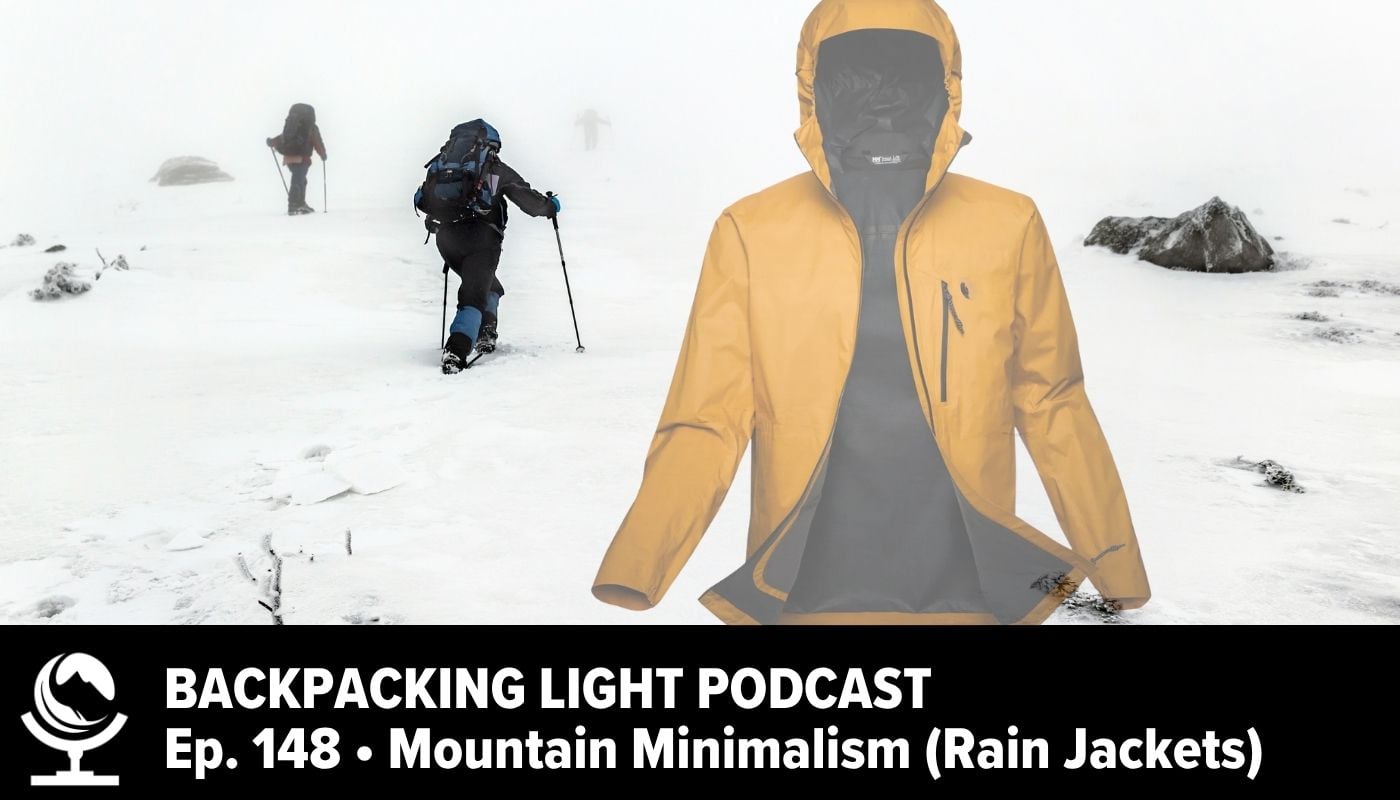
In Episode 148 of the Backpacking Light podcast, the editorial team tackles the complexities of "Mountain Minimalism," specifically focusing on the evolution of rain shells and how to choose the right protection for high-exposure environments.
The Philosophy of Mountain Minimalism: A Decision Framework
For the casual hiker on a well-maintained trail, an ultralight rain shell is a miracle of modern engineering—breathable, packable, and light enough to disappear into a side pocket. However, when the terrain shifts to exposed ridges, high-altitude passes, and unpredictable weather windows, that same jacket can become a liability.
The podcast outlines a rigorous decision-making framework designed to help mountaineers differentiate between "trail-appropriate" gear and "alpine-capable" hardware. This framework rests on six critical pillars:
- Exposure Duration: How long will you be subjected to the elements before you can reach safety?
- Retreat Options: Does the route allow for a quick descent, or are you committed to a high-exposure face?
- Terrain Complexity: Does the shell need to withstand the abrasive nature of rock, ice, and constant movement?
- Abrasion Resistance: Can the face fabric handle the rigors of technical climbing?
- Wind Mitigation: Beyond moisture, does the jacket provide a sufficient barrier against the convective cooling of high-alpine winds?
- Thermal Margin: Does the shell provide the necessary protection to maintain your body’s core temperature if you are forced to wait out a storm?
Chronology: From Heavy Duty to Modern Minimalism
Historically, mountaineering shells were synonymous with heavy, rigid, multi-layered fabrics that prioritized absolute protection over mobility or weight. In the late 20th century, the industry shifted toward Gore-Tex and similar membranes, which offered revolutionary moisture management.
However, the "Ultralight Revolution" of the early 2000s pushed the industry toward thinner face fabrics and simplified construction. By 2015, the "minimalist" trend began to prioritize weight above all else, sometimes at the cost of durability.
Fast forward to 2026, and we are witnessing a "second wave" of minimalism. This is not about simply cutting features to save grams; it is about "intentional engineering." Brands are now utilizing advanced polymers and nanoporous membranes that offer the weight of an ultralight rain jacket with the structural integrity of a traditional alpine shell. The products featured in this week’s discussion—the Helly Hansen Odin, the Arc’teryx Alpha SL, and the Patagonia M10—represent this new synthesis of performance and efficiency.
Supporting Data: Examining the New Generation of Shells
The podcast highlights three specific jackets that exemplify the current state of high-performance alpine minimalism. These garments demonstrate that the gap between "lightweight" and "protective" is rapidly closing.
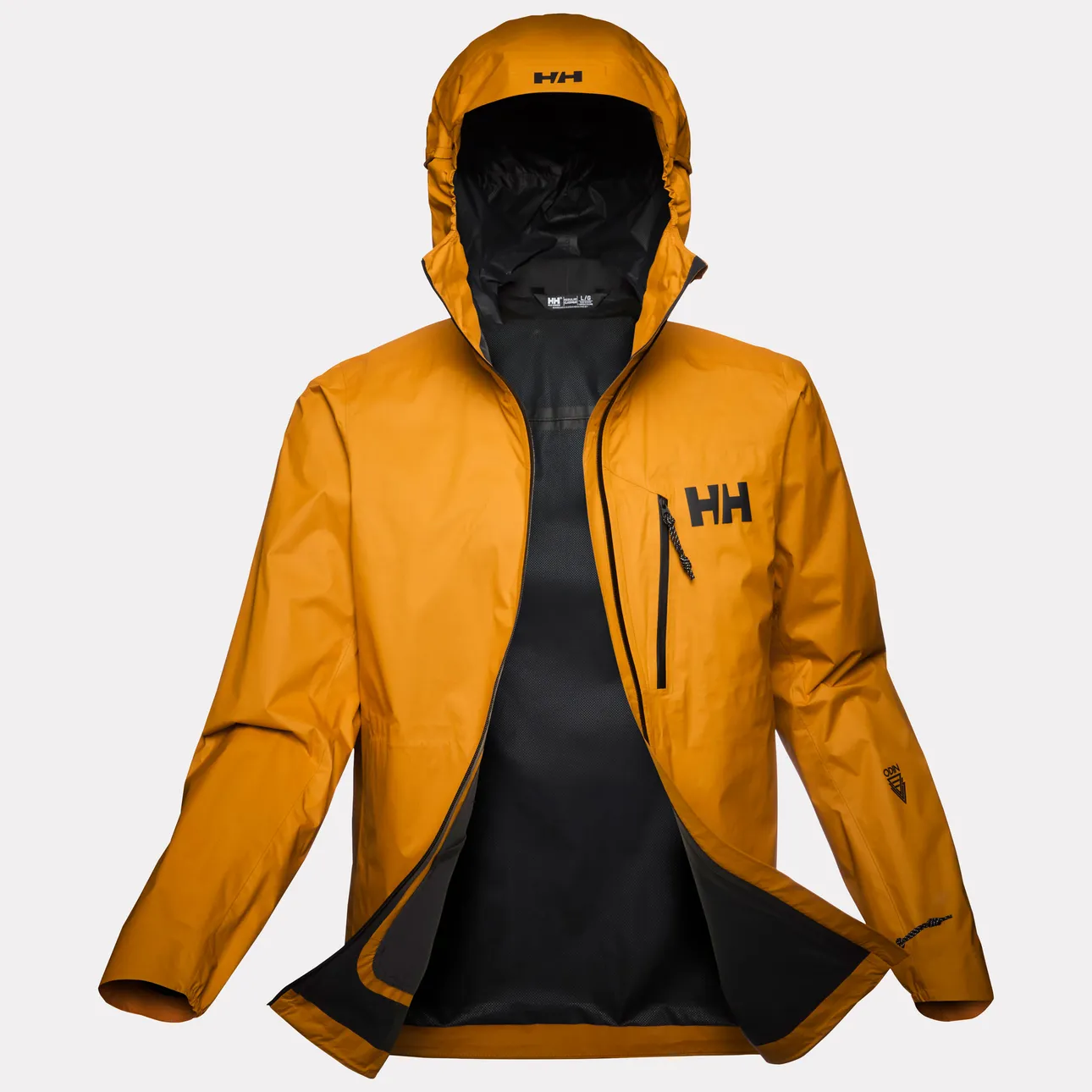
1. Helly Hansen Odin Infinity Minimalist Jacket
Designed for those who refuse to sacrifice safety for weight, the Odin Infinity weighs in at 250 grams. It utilizes a 3.5-layer construction paired with Helly Tech Professional technology. Its standout feature is the 2-way stretch fabric, which allows for dynamic movement during technical climbing, paired with a helmet-compatible hood that provides a secure, ergonomic fit even in high winds.
2. Arc’teryx Alpha SL Jacket
At 232 grams, the Alpha SL is a masterclass in weight-to-performance ratio. By employing Gore-Tex Pro ePE (expanded polyethylene) and a 20-denier Hadron face fabric, Arc’teryx has created a shell that is remarkably abrasion-resistant for its weight class. It is a PFAS-free option that targets the alpinist who needs to move fast without worrying about snagging their gear on granite or ice.
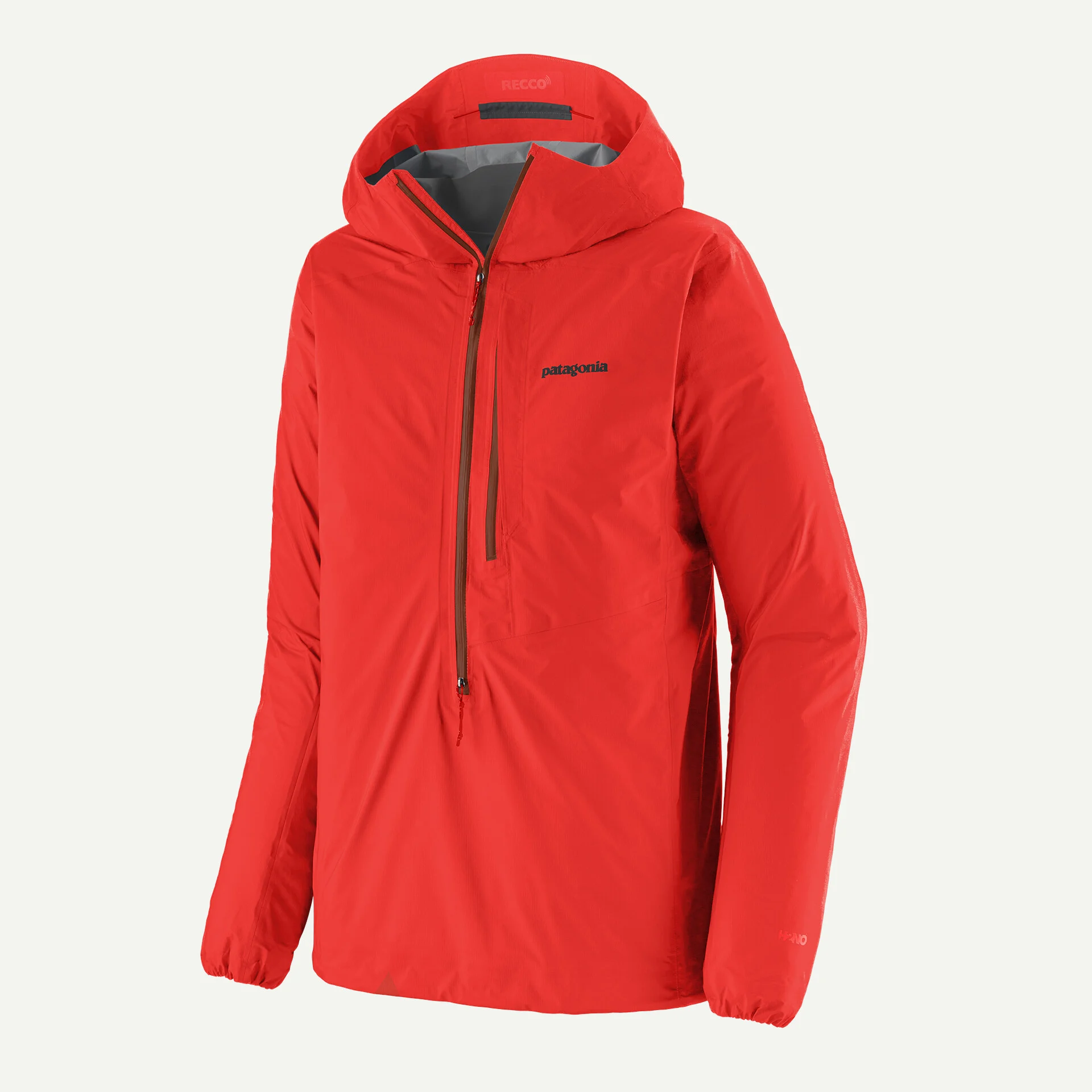
3. Patagonia M10 Anorak
Representing the "anorak" revival, the M10 weighs 300 grams and uses an Xpore nanoporous membrane. By utilizing a 3-layer construction and a 20-denier recycled nylon ripstop, it provides a robust, sustainable option. Its design focuses on the core needs of an alpine climber: a waterproof two-way zipper, a high-volume hood, and a self-stuffing pocket for rapid deployment.
Official Perspectives: The Expert Consensus
The Backpacking Light team emphasizes that there is no "perfect" jacket, only the right jacket for the specific objectives of the day. The consensus among the experts is that the "minimalist" label has been diluted by marketing, often leading consumers to believe that any lightweight jacket is suitable for the mountains.
"The danger," the hosts note, "is in the assumption that breathability equals safety. In a true mountain emergency, a jacket that breathes too well may fail to retain the thermal heat necessary to prevent hypothermia. A mountain minimalist shell must strike the perfect balance between moisture vapor transmission and wind-blocking capability."
Furthermore, the integration of safety technology—specifically the RECCO reflector—has become a standard requirement for these high-end shells. As noted in the discussion, this is a "passive safety" feature that adds virtually no weight but provides a critical link for search and rescue teams.
Implications: The Future of Alpine Gear
The shift toward mountain minimalism has significant implications for how we prepare for backcountry objectives. As gear becomes lighter and more specialized, the burden of competence shifts back to the user.
Increased Skill Requirements
As gear becomes more technical and minimalist, the "margin of error" for the user decreases. A jacket that is designed to be lightweight may require more careful handling and maintenance to ensure the membrane remains effective. Users must be more proficient in layering systems to compensate for the reduced bulk of their outer shell.
The Sustainability Mandate
The shift toward PFAS-free membranes (as seen in the latest Arc’teryx and Patagonia releases) marks a permanent transition in the outdoor industry. Environmental stewardship is no longer an "optional" feature; it is becoming a core component of high-performance design. The implications for the future are clear: the next generation of gear will be defined by its ability to perform in the harshest environments while minimizing its chemical and carbon footprint.

Strategic Gear Selection
The primary takeaway for listeners is the need for a "modular" approach to kit assembly. Instead of owning one "do-it-all" jacket, the mountain minimalist of 2026 should curate a quiver of shells. One might choose the Alpha SL for a fast-and-light summer summit bid, while opting for a more robust, heavier-duty shell for multi-day expeditions where the risk of sustained storms is higher.
Conclusion: Balancing Weight and Wisdom
Mountain minimalism is not merely a list of items on a scale; it is a mindset. It requires the mountaineer to understand the physics of their equipment and the limitations of their own physiology.
As we look toward the remainder of the 2026 climbing season, the message from the Backpacking Light team is clear: technology has provided us with extraordinary tools that allow us to move faster and further than ever before. However, these tools are not a substitute for judgment. By adopting a structured decision framework—evaluating exposure, terrain, and margin—mountaineers can harness the benefits of minimalism without falling victim to the risks of over-simplification.
For those looking to dive deeper into the technical specifications and nuanced debates surrounding these products, the full podcast episode, along with extensive gear testing archives, is available to all Backpacking Light members. In the mountains, as in life, the best gear is the gear that is there when you need it most.