In the world of outdoor literature, instructional guides often fall into two distinct camps: the overly academic, jargon-heavy manuals that can intimidate a novice, or the hyper-niche, technical guides tailored for the seasoned alpinist. Finding a middle ground—a book that marries practical, life-saving knowledge with an approachable, lighthearted tone—is a rare feat.
When the editors at Wiley, the publishing powerhouse behind the legendary For Dummies franchise, approached veteran hiker and author to collaborate on Hiking & Backpacking for Dummies, the goal was clear: demystify the trail and invite a broader audience to experience the wilderness safely. The resulting volume, a comprehensive 300-plus-page manual, represents a significant addition to the genre, distilling four decades of high-altitude expertise into an accessible, modular format.

Main Facts: The Anatomy of a New Essential
Hiking & Backpacking for Dummies is designed not merely as a book to be read cover-to-cover, but as a reference companion for the trail. Its structure is intentionally non-linear, divided into six distinct parts comprising 28 chapters. This modular design allows hikers to leap directly into the information they need, whether it be gear selection, emergency protocols, or campsite etiquette.
The book moves beyond generic advice, grounding every tip in the author’s extensive personal history. From the rugged terrains of the Andes and the Swiss Alps to the arid canyons of Mexico and the vast wilderness of the American Continental Divide, the text is peppered with field-tested anecdotes. These stories serve a dual purpose: they humanize the instructional content while providing real-world context for the lessons learned during nearly forty years of global trekking.

A Legacy of Instruction: The Wiley Influence
To understand the significance of this release, one must look at the pedigree of the publisher. The For Dummies brand has become a cultural touchstone since its inception in 1991. With over 2,400 titles in print and upwards of 250 million copies sold globally, the series is arguably the most successful instructional franchise in publishing history.
Wiley’s history, however, predates the Dummies era by nearly two centuries. Founded in 1807, the company began as a purveyor of literary giants such as Edgar Allan Poe, Herman Melville, and Nathaniel Hawthorne. By the late 19th century, the firm pivoted toward the academic and instructional markets, establishing a reputation for clarity and reliability that persists to this day. By applying this "no-nonsense" editorial philosophy to the nuanced world of hiking, the new book aims to replicate the accessibility that made the Dummies series a household name.

Chronology: From Concept to Trailhead
The creation of Hiking & Backpacking for Dummies was a multi-year undertaking that required condensing a lifetime of experience into a cohesive curriculum.
- The Planning Phase: The author utilized his vast experience from the "12 Long Walks"—a monumental 14,342-mile journey—to build a foundational training program. This included years of rigorous physical conditioning, such as carrying 20kg (44lb) packs, a practice that informed the book’s specific sections on fitness and load management.
- The Writing Process: The manuscript was developed with a focus on "modular education." Recognizing that hikers have varying needs, the author broke down the sport into six logical pillars: preparation, gear, movement, camping, health, and advanced tips.
- The Launch and Beyond: Despite the book’s official launch, the author maintained his commitment to the trail, famously opting for a hiking expedition in Nepal immediately following the release. This underscores the book’s core philosophy: that the best way to learn about hiking is to be out on the trail, even if it means sacrificing a traditional book tour.
Supporting Data: The Pillars of the Guide
The strength of the book lies in its comprehensive breakdown of the hiking experience. Each section serves a specific function for the reader:

Part 1: Preparation and Planning
For the beginner, this is the launchpad. It covers everything from trip planning and physical training programs to the foundational principles of "Leave No Trace." It also addresses the logistical variations of trail life—solo vs. group, and the unique considerations of hiking with canine companions.
Part 2: The Gear Equation
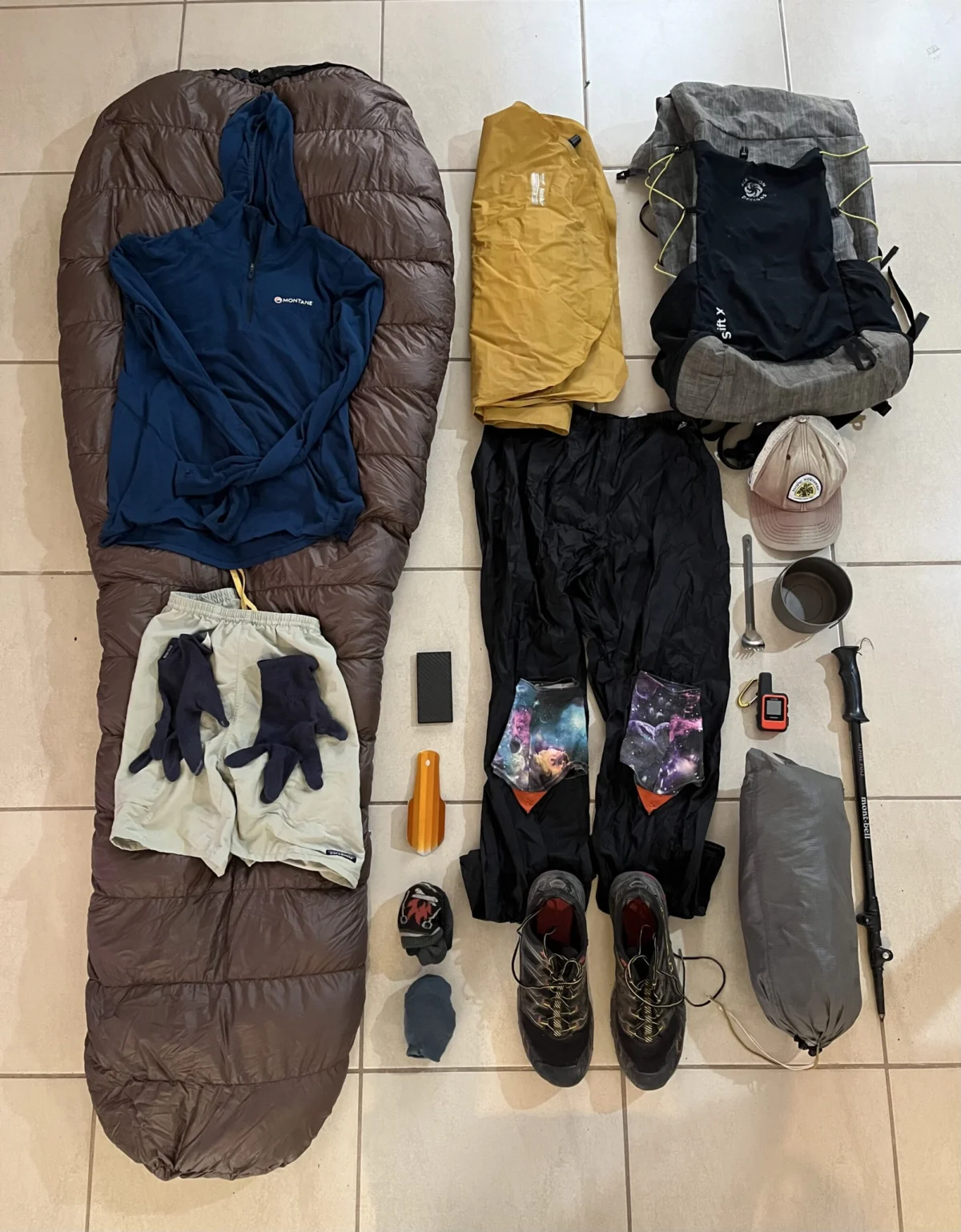
The book demystifies the "Big Four" (backpack, shelter, sleeping bag/quilt, and pad) and offers a critical analysis of the long-standing debate between traditional hiking boots and modern trail runners. The advice emphasizes durability and value, guiding readers away from consumer traps and toward gear that will last.

Part 3: The Art of the Hike
This section moves into technical proficiency. It covers crucial skills like river fording, wildlife encounter protocols (specifically in bear country), and biomechanical techniques for efficient downhill trekking—a skill the author mastered while traversing the canyons of the Raramuri people in Mexico.
Part 4: The Home Away From Home
Camping is presented as a skill set, not just an overnight necessity. The book covers the nuance of designated vs. dispersed camping, as well as high-efficiency routines for setting up camp in inclement weather. The goal here is to reduce the stress of the backcountry by establishing repeatable, reliable habits.

Part 5: Health, Safety, and Resilience
Perhaps the most critical section, Part 5 deals with the reality of the wilderness. From hydration and nutrition—addressing the dangers of becoming "hangry"—to managing medical issues like blisters, rashes, and altitude sickness, the book provides a pragmatic, triage-style approach to backcountry medicine. It also provides guidance on navigating natural hazards like flash floods and wildfires.
Part 6: The Part of Tens
Staying true to the Dummies format, this section provides "bite-sized" wisdom. It debunks common myths, highlights typical beginner mistakes, and offers a curated list of ten dream hiking destinations worldwide, including the Swiss Alps, Patagonia, and the Nepal Himalaya.

Official Responses and Industry Reception
While the book has only recently hit the shelves, early feedback from the hiking community highlights the author’s ability to simplify complex topics without sacrificing accuracy. Outdoor enthusiasts have particularly praised the "Part of Tens" section for its brevity and the inclusion of high-level tips that are often omitted from more elementary guides.
Industry experts note that the collaboration between a specialized outdoor veteran and a mass-market publisher is a positive development for the industry. By lowering the barrier to entry, the book is positioned to bring a new wave of hikers into the fold, fostering a more informed and safety-conscious generation of outdoor explorers.

Implications: A New Standard for Outdoor Literature
The publication of Hiking & Backpacking for Dummies marks a shift in how outdoor knowledge is disseminated. By stripping away the ego and elitism sometimes found in technical manuals, the book makes wilderness exploration feel attainable.
The implications are broad:

- Safety: By standardizing the advice given to beginners regarding safety, navigation, and environmental stewardship, the book has the potential to reduce the number of preventable search-and-rescue incidents.
- Environmental Stewardship: By embedding "Leave No Trace" principles into the very first chapter, the book ensures that new hikers are introduced to the importance of conservation from the start.
- Accessibility: The focus on gear-neutral advice and skill-building over expensive equipment purchases encourages more people to participate, regardless of their financial status.
In his concluding notes, the author admits to being better at trekking than at self-promotion. However, the work speaks for itself. Hiking & Backpacking for Dummies is not just a manual; it is an invitation to engage with the natural world. Whether you are planning your first day hike or looking to refine your routines for a multi-week expedition, this book provides the necessary scaffolding to build a lifetime of confidence on the trail.
For those interested in obtaining a copy, the book is currently available in both paperback and Kindle formats. Those who prefer to support their local independent bookstores can request it using the ISBN: 978-1394350254.