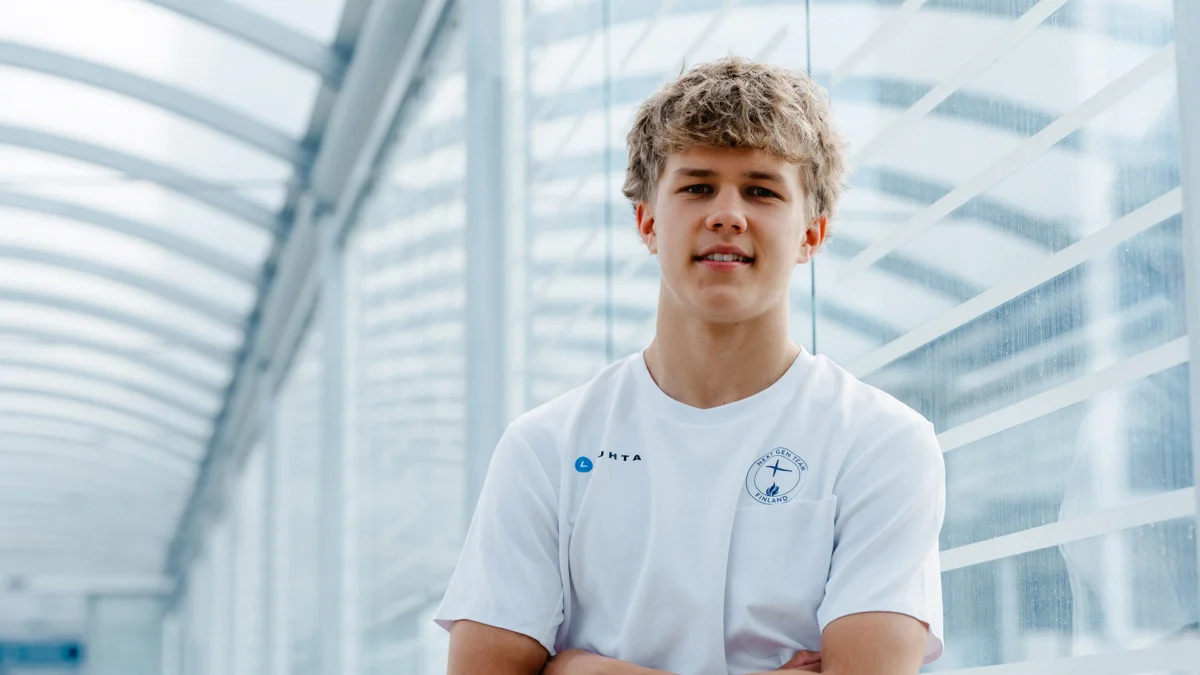
The air is thick with the smell of high-octane fuel and the searing heat radiating from the asphalt at 250 kilometers per hour. Within the tight, aerodynamic cluster of Moto3 machines, the world narrows to a singular focus. For the riders, there is no sensation of wind; there is only the rhythmic pulse of 250cc engines and the razor-thin margins between triumph and disaster. Lean angles reach near-two-G forces, with handlebars mere centimeters apart. In this chaotic, high-stakes environment, 18-year-old Finn Rico Salmela operates with an ethereal, almost surgical, calm.
Salmela is currently carving his own path in the grueling world of international motorcycle racing. As the first Finnish rider to compete in the Moto3 class in recent history, he is effectively retracing the legendary lines once drawn by icons like Jarno Saarinen, Teuvo Länsivuori, and Mika Kallio. Yet, for Salmela, the glamour of the podium—the champagne showers and the blinding flash of cameras at tracks like Jerez, Silverstone, and Sepang—is merely a byproduct of a lifestyle defined by unrelenting discipline.
The Foundations of Speed: From Nokia to the World Stage
Rico Salmela’s trajectory toward the pinnacle of professional racing began long before he could legally drive a road car. Born in Nokia, Finland, his immersion into the world of speed was almost instinctual.
"My father rode in domestic motocross and supermoto series," Salmela recalls. "I was always around the paddock. I don’t consciously remember the earliest moments, but there is video footage of me on a cross-bike before I turned three, keeping it upright without issue."
While he briefly explored the tactical intricacies of Brazilian Jiu-Jitsu, the trajectory of his life shifted permanently at age five when he first touched asphalt on a minimoto. "It was the rush, the excitement, and the sheer desire to go faster. The adrenaline spike was addictive. Even then, I knew this was my path."
By age six, Salmela was competing in the Finnish junior SM series on a waiver, often outperforming older, better-equipped peers. By seven, he was already navigating the intensely competitive junior circuits in Italy and the Netherlands. For a young child, the nomadic lifestyle of an aspiring European racer was rigorous, but for Salmela, it was simply the reality of the sport.
A Global Education in Professionalism
The transition from a Finnish hobbyist to a professional contender required a radical departure from traditional childhood experiences. Salmela notes that in countries like Italy and Spain, the culture surrounding motorcycle racing is fanatical.
"In Finland, I don’t think people fully grasp how massive this sport is globally," Salmela explains. "If you want to be part of the elite, you cannot stay in Finland and wait for opportunities. You have to be in the heart of the fire."
His adolescence was spent traveling across Europe in the family campervan. While the cultural education was unparalleled, the academic balancing act became increasingly difficult. As his racing commitments expanded into month-long excursions, Salmela had to navigate the precarious intersection of high-level athletics and mandatory schooling. Upon completing his basic education, he made the defining decision to commit his life fully to the pursuit of professional racing.
The Architecture of a Career: Teamwork and Financial Discipline
The path to the MotoGP paddock is notoriously expensive, a reality that Salmela acknowledges with deep humility. "This has been a family project from day one," he says. "My father and my manager, Aki Ajo, have worked tirelessly to secure the funding required to keep the wheels turning. I am immensely grateful to my parents and all my supporters."
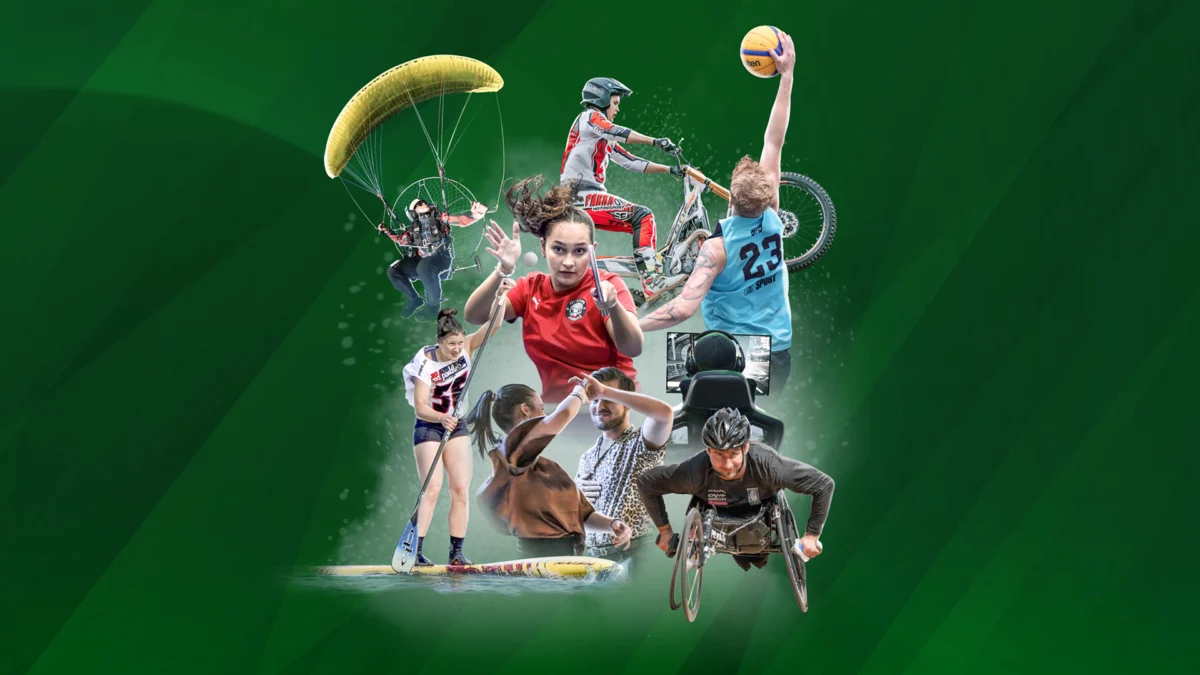
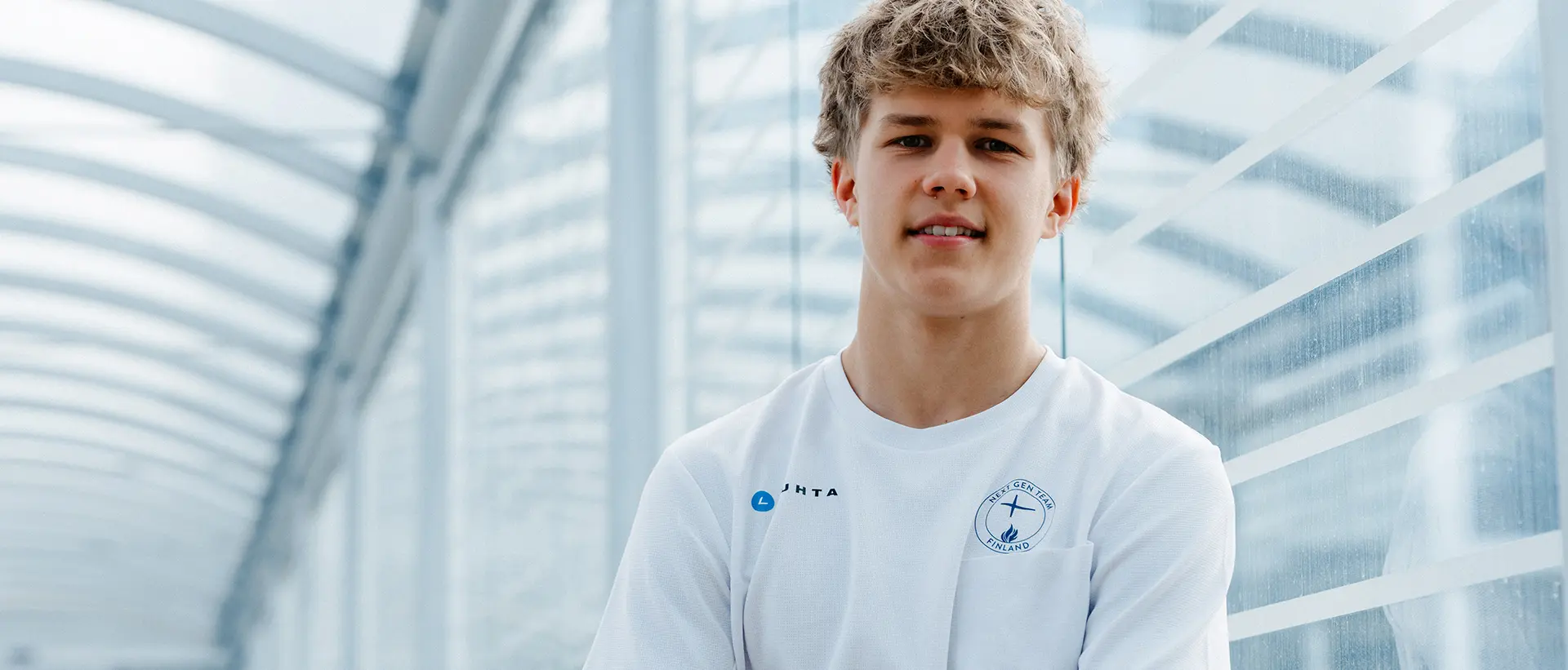
A crucial component of his professional development has been his inclusion in the Finnish Olympic Committee’s Next Generation (NG) program. The initiative, designed for high-potential athletes aged 15–22, provides more than just financial support; it offers access to elite coaching, expert physical therapy, and the organizational infrastructure necessary for international competition.
"The NG program has fundamentally changed the quality of my training," Salmela says. "When I’m not racing, I’m based in Spain with two bikes, which is an expensive operation. Having the support of the Olympic Committee and the Varala Sports Institute allows me to focus on performance rather than just survival."
The Leap to Moto3: Surviving the Deep End
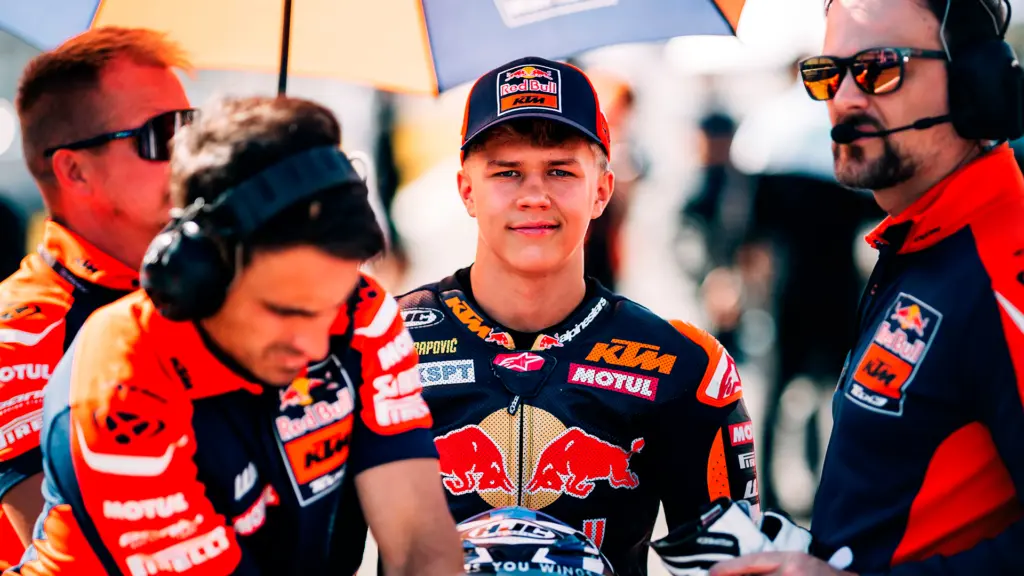
After securing fifth place in the junior World Championship in 2025, Salmela’s performance earned him a coveted contract in the Moto3 class—the third tier of the MotoGP World Championship. The move to the KTM Red Bull Tech3 team was the culmination of years of negotiation by Aki Ajo.
"The contract signing in Italy felt like a small victory," Salmela reflects. "I tried to remain professional and keep my feet on the ground, but it was a massive relief. Entering the adult series, however, was a different animal. The talent pool is incredibly deep. You can have 15 riders within half a second of each other. There is no room for error, and the learning curve for new circuits is non-existent."
In this tier, every team member is a high-level specialist, and the expectation of perfection is absolute. For a young athlete, the shift from junior circuits to the world’s most prestigious motorcycle championship requires a total recalibration of focus.
Tactical Brilliance and the Psychology of the Pack
When asked about his tactical approach, Salmela describes the race as a "dimension of silence." Inside the helmet, the noise of the engine fades as the rider enters a state of hyper-awareness.
"When everyone is doing 200 kilometers per hour, you don’t perceive the speed in the same way anymore," he explains. "You are in your own dimension. You have to be conscious, alert, and when the moment arrives, aggressive. You are defending lines, calculating braking points, and looking for the courage to take a corner faster than the rider next to you."
This analytical approach extends beyond the track. Salmela spends hours reviewing onboard footage, studying gear selection, and mapping out the subtle nuances of each circuit. He prefers tracks with a high density of left-hand turns, where overtaking maneuvers are more frequent and the drafting benefits are greater.
Broader Implications: Sustainability and the Future
In an era of increasing environmental scrutiny, motorsports often find themselves under a microscope. Salmela recognizes the validity of these concerns but argues that the sport should be viewed through a wider lens.
"I understand the environmental questions, and they should not be downplayed," he says. "But every field—be it sports, art, politics, or business—has its contradictions. My approach is that we must improve the overall situation, and motorsport can and should contribute to that progress. For me, this is about passion. It is what I have always wanted to do."
Looking Toward the Anthem
As Salmela prepares for the 22-race calendar of the current season, his eyes remain fixed on a singular, symbolic goal. In the world of MotoGP, the winner of each race is honored by the playing of their national anthem.
"I’ve heard the Spanish national anthem so many times I could sing it in my sleep," Salmela jokes. "My immediate goal is to change that. I want to stand on that top step and hear Maamme-laulu (The Finnish National Anthem). That is the ultimate objective."
Appendix: Understanding the Next Generation Team Finland
The Next Generation program, initiated by the Finnish Olympic Committee, is the backbone of support for young talents like Salmela. The program serves 21 athletes in its initial phase, providing a support package valued at over €10,000 per athlete. By integrating the expertise of national sports federations and elite coaching networks, the program aims to bridge the gap between regional potential and global dominance, ensuring that Finnish athletes in niche, high-cost sports have the resources to compete on an equal footing with the rest of the world.
As Rico Salmela continues to accelerate, he serves as a testament to the fact that while natural talent provides the spark, it is the combination of international experience, strategic financial support, and a stoic, Finnish work ethic that produces a champion. Whether navigating the tight turns of a European circuit or the high-pressure environment of the MotoGP paddock, Salmela remains a reminder that the path to the top is built one kilometer—and one decision—at a time.