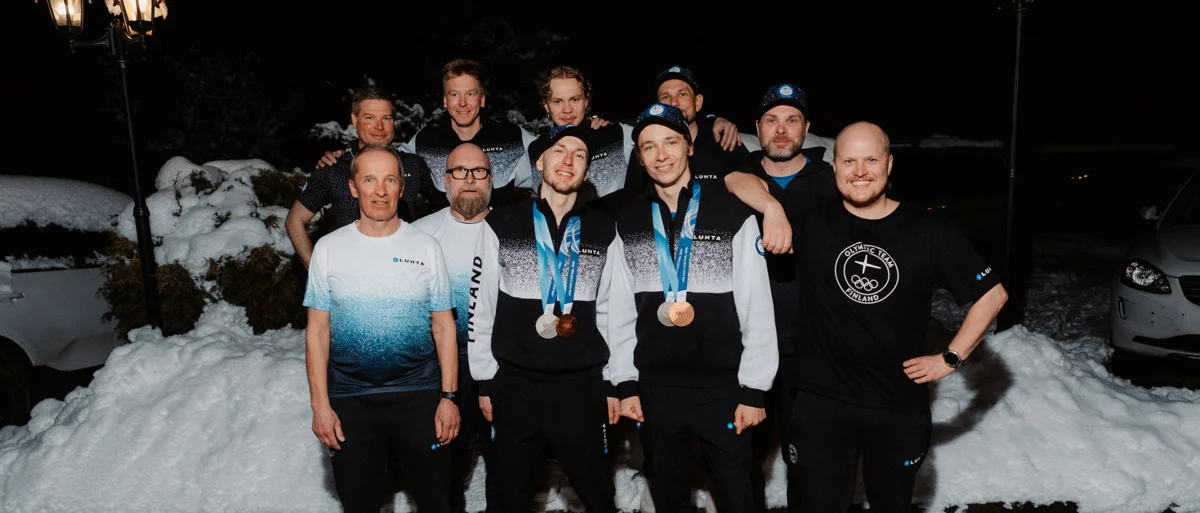
The Finnish Nordic Combined national team returned from the 2026 Milano-Cortina Winter Olympics not just with medals, but with a validated blueprint for excellence. After a transformative two-year period, the squad—spearheaded by head coach Antti Kuisma—executed a strategic pivot that prioritized technical fluidity over brute force. This shift, which moved the team away from traditional, high-volume conditioning toward a nuanced, high-quality approach to ski jumping, resulted in a historic performance that captured the nation’s imagination.
The success in Italy was not accidental; it was the culmination of a systematic overhaul of the team’s training philosophy, mental conditioning, and competitive preparation.
The Foundation of a Paradigm Shift
For years, Finnish Nordic Combined athletes were defined by their formidable cross-country skiing capabilities. However, in the modern era of the sport, success is increasingly dictated by the "hill"—the ski jumping segment that sets the tone for the pursuit. Antti Kuisma recognized early in his tenure that to compete with the world’s elite, the team had to bridge the gap between their skiing prowess and their performance on the ramp.
“The foundations were built long before I sat in this chair,” Kuisma admits, paying homage to his predecessor, Petter Kukkonen. “The team spirit was already stellar, and the work ethic was elite. We essentially took the reins as a coaching staff and refined the work to meet the modern demands of the sport.”

The core challenge was psychological: convincing world-class cross-country skiers to adopt the mindset of a ski jumper. Kuisma emphasizes that jumping is not about "pushing" through the air with raw strength. Instead, it is an art of flow and relaxation. “The goal was to change the athlete’s internal model,” Kuisma explains. “Jumping cannot be forced. You have to let things happen and let the movement flow. The focus had to shift beyond the jump itself, focusing on the mechanics of flight rather than the desire to dominate the ramp through sheer effort.”
Chronology of a Two-Year Transformation
The journey to the podiums of Milano-Cortina was marked by specific, iterative adjustments to the training cycle.
Phase 1: The Trust Deficit (2024)
When Kuisma introduced a heavier focus on ski jumping mechanics, the reaction was not initially positive. Athletes were accustomed to the comfort of their high-volume skiing training. “The resistance was strong at the start,” Kuisma recalls. “The athletes wondered why we were spending so much time on the hill when they were already strong skiers. But as we adjusted the training load, the results followed. Once the athletes saw the data—the improved distance and the improved consistency—they bought into the vision.”
Phase 2: Quality Over Quantity (2025)
The team moved away from the "more is better" mentality. Strength training, a staple of the previous era, was reduced from three sessions per week to two sessions every ten days. This allowed for superior recovery and ensured that the athletes were fresh for high-intensity jumping sessions.
Phase 3: The Olympic Micro-Cycle (2026)
In the lead-up to the Games, training camps were tightened. Instead of long, grueling camps, the team opted for 5–7 day "micro-camps" with a strictly defined rhythm: two days of intensive jumping followed by roller-skiing intensity sessions. This predictability allowed athletes to arrive at camps fully recovered, having completed their individual supplementary training at home.
Supporting Data: The Milano-Cortina Results
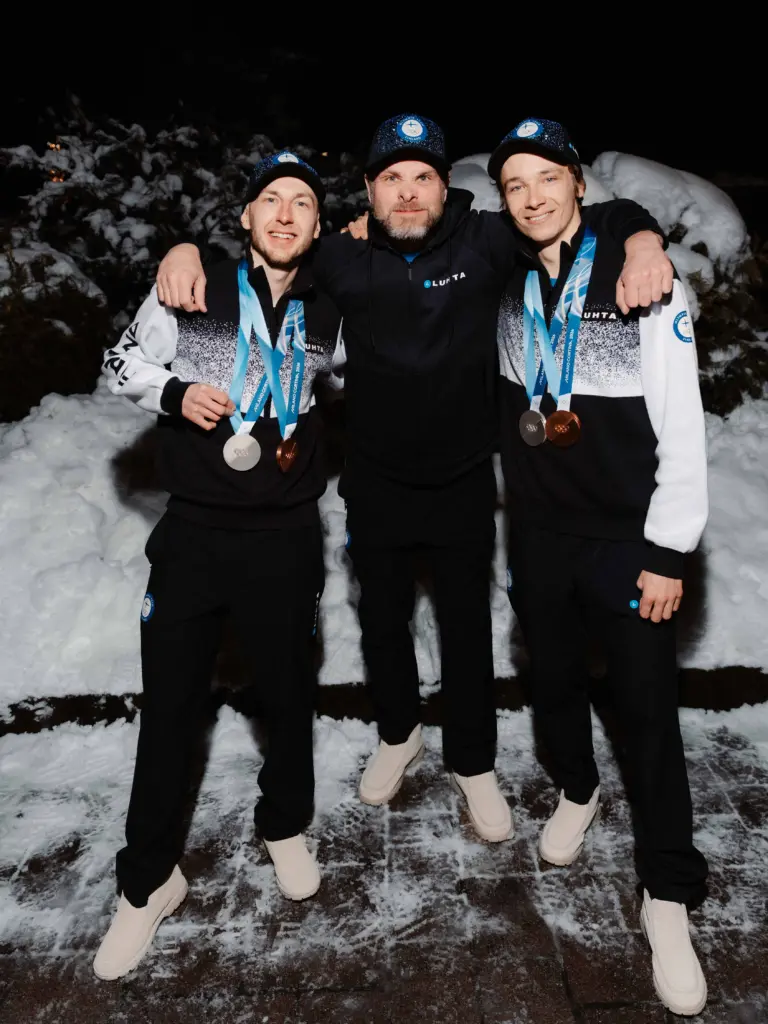
The efficacy of this new system was proven on the world stage in February 2026. The Finnish team secured three medals, contributing to a total of six for the entire Finnish Olympic contingent.
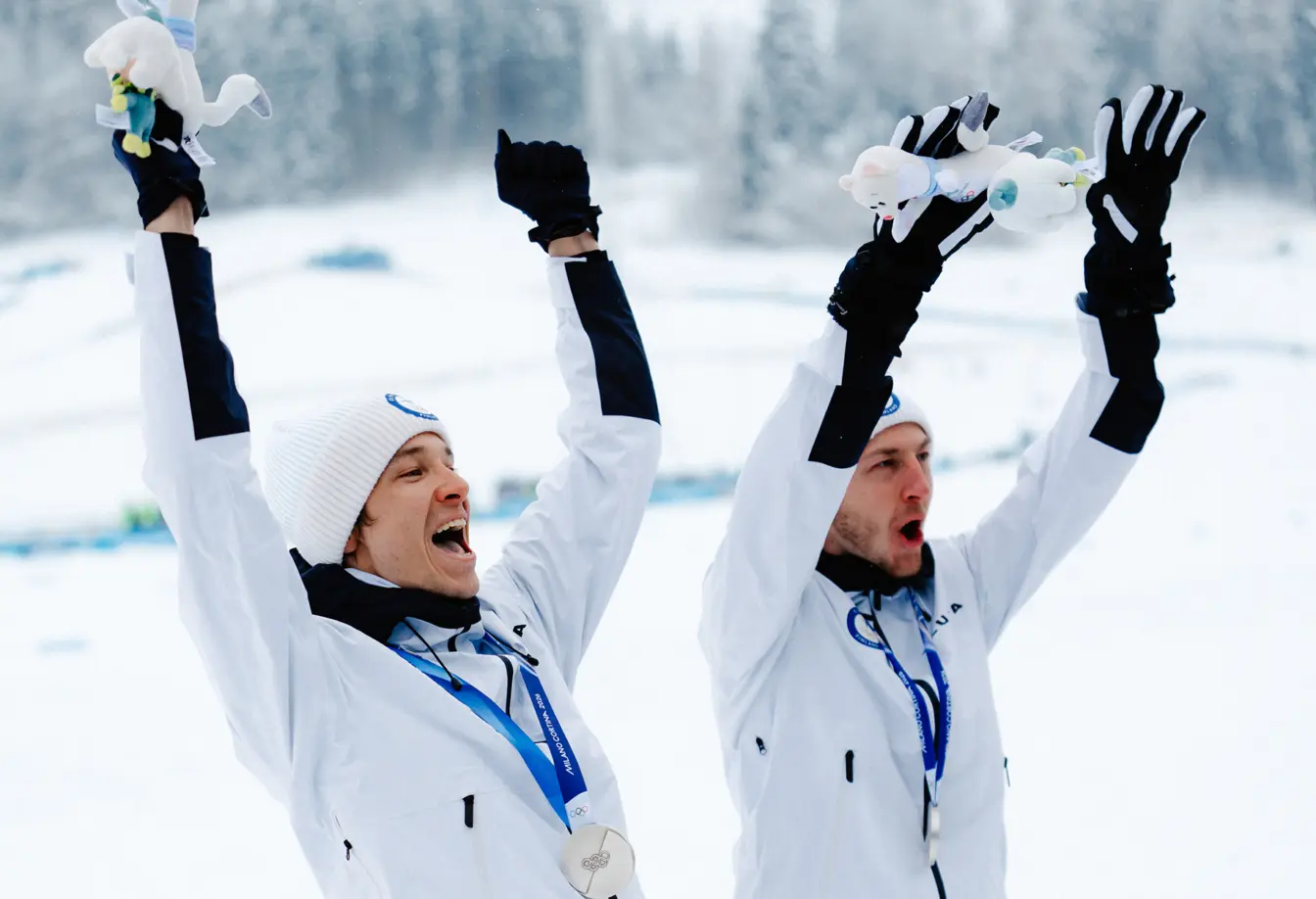
- The Team Success: Ilkka Herola and Eero Hirvonen claimed a silver medal in the team sprint, demonstrating perfect synchronization between their individual improvements.
- Individual Breakthroughs: Eero Hirvonen opened the team’s account with a bronze in the normal hill event, a result he described as being in a "controlled bubble" from the first practice jump.
- Strategic Risk-Taking: Ilkka Herola’s bronze in the large hill event was a testament to the new tactical confidence. Despite a challenging starting position for the cross-country portion, Herola employed an aggressive, high-risk skiing strategy that paid off perfectly.
Official Perspectives: The Philosophy of the "Small Team"
The advantage of a smaller team, according to Kuisma, is the agility it provides. When the coaching staff identifies a need for adjustment, the communication loop is tight and the implementation is rapid.
“In top-tier sports, no one succeeds alone,” Kuisma notes. “We have clarified the roles within the coaching staff so that everyone knows their specific contribution to the common goal. It’s about trust. The athletes and coaches have worked together for a long time, and that creates a seamless flow in our daily operations.”
Kuisma also notes the importance of "Pre-Camps." During the Olympics, the team treated the event like a routine World Cup stop. “We were very strict about external factors,” he says. “No unnecessary people, no distractions. We maintained the same daily rhythm that we use at home. By the time we reached the final rounds, the machine was already moving, and it was impossible to stop.”
Implications: The Future of Finnish Nordic Combined
The implications of this success extend beyond the 2026 Games. By proving that a shift in training focus can yield immediate results at the highest level, the Finnish Nordic Combined program has provided a template for other disciplines within the Finnish Olympic ecosystem.
1. Refined Periodization
The success of the "2-in-10" strength training rule (two sessions per ten days) suggests that Finnish endurance sports may move away from traditional heavy-lifting cycles, focusing instead on sport-specific neuromuscular recovery.
2. Psychological Coaching Integration
The "flow state" training implemented by Kuisma will likely become a pillar of future athlete development. By teaching athletes how to "let go" on the ramp, the team has unlocked performance levels that were previously capped by over-exertion.

3. The "Elite Micro-Camp" Model
The efficiency of the 5–7 day camp cycle has proven to be a superior model for performance. It minimizes travel fatigue and keeps athletes in their optimal rhythm, a model that the Olympic Committee is expected to analyze for wider adoption across other team sports.
Conclusion
The story of the Finnish Nordic Combined team in 2026 is one of quiet, methodical evolution. By stripping away the unnecessary and doubling down on the technical nuances of the ski jump, Antti Kuisma and his squad didn’t just chase medals—they re-engineered the process of winning.
As Ilkka Herola put it after his large hill bronze: "The starting position on paper wasn’t favorable, but we took the risk, we trusted the process, and this time, it bore fruit."
For Finland, the fruit was three Olympic medals, but the true prize is the knowledge that they have found a sustainable, repeatable, and highly effective way to dominate in one of the most demanding disciplines in winter sports. The "sunanmuutos"—the change of direction—has been completed, and the results speak for themselves. The focus now shifts to the next quadrennial, with a confident team that knows exactly what it takes to fly.