In the landscape of Finnish sports, few disciplines have undergone as dramatic a transformation in recent years as judo. Once a sport characterized by scattered resources and a lack of consistent international success, Finnish judo has emerged as a powerhouse of efficiency and elite performance. Through a combination of strategic centralization, a shift in mindset, and the implementation of a rigorous, data-driven training culture, Finland has dismantled the barriers that previously kept its athletes off the international podium.
The recent string of successes is not a fluke; it is the result of a meticulously constructed system. With stars like Martti Puumalainen and Luukas Saha leading the charge, and a new generation of talent waiting in the wings, Finland is now looking beyond European success toward a legitimate challenge for Olympic glory in Los Angeles 2028.
The Chronology of a Renaissance
The transformation of Finnish judo did not happen overnight, but its trajectory has been steep and undeniable. For decades, Finnish judo was defined by intermittent success, often separated by long droughts. The turning point came in 2023, when Martti Puumalainen captured the European Championship gold in the over 100kg category, signaling to the world that Finland had arrived.
The momentum continued in 2024 when Luukas Saha secured a World Championship bronze—an achievement that resonated deeply within the community, as it marked the first time in 43 years that a Finnish judoka had reached the global podium. Since that breakthrough, Saha has firmly established himself as a perennial contender, adding both European bronze and silver medals to his trophy case.
The success, however, is not limited to the senior level. The developmental pipeline has proven to be equally robust. In 2025, Louna-Lumia Seikkula claimed the U23 European Championship title, while Sofia Pekki dominated the U18 category to secure her own European crown. These results underscore a systemic shift: the ability to identify, nurture, and prepare talent has been fundamentally overhauled.
The Strategy: Centralization and Elite Standards
When analyzing the "how" behind this success, two names consistently surface: Rok Drakšič, the Slovenian head coach who brought a new philosophy to Finland, and Otto Favén, the Judo Federation’s organizational and coaching director.
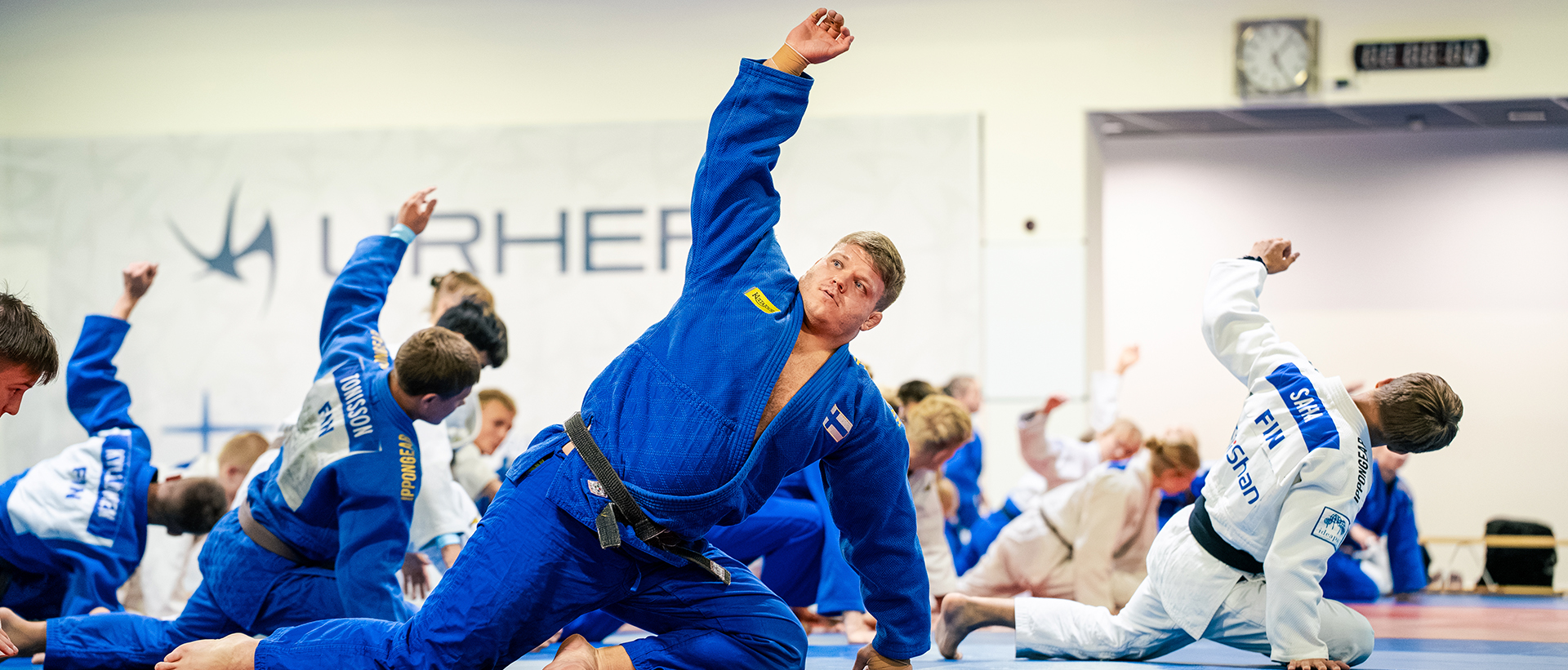
Historically, Finnish judo was fragmented. Training operations were split between three hubs: Pajulahti, Tampere, and the Helsinki metropolitan area. According to Favén, this dilution of resources was the primary obstacle to progress. "We didn’t have the massive membership base or the financial resources of nations like France," Favén explains. "Copying their model was impossible. We had to find a way to do things better and more efficiently."
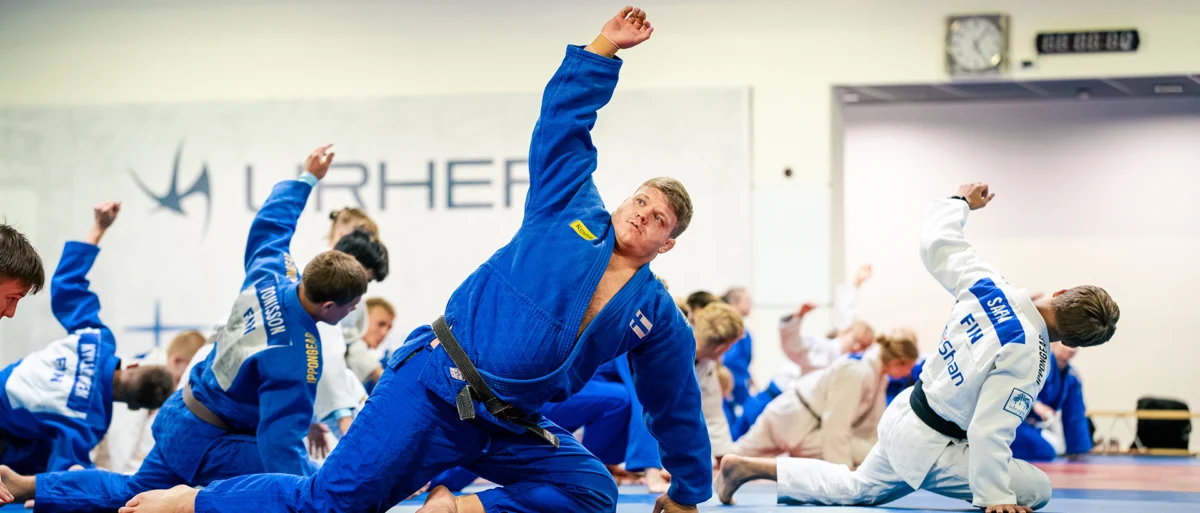
The decision to consolidate operations at the Urhea campus in Helsinki was the catalyst for change. By bringing athletes, coaches, and world-class training facilities under one roof, the federation created a high-performance environment that could compete with the world’s best. "Centralization wasn’t the goal itself," says Favén. "It was our primary tool to raise the standard of requirements."
Transforming the Mindset: "The Will to Win"
Perhaps the most significant challenge was not physical, but psychological. Head coach Rok Drakšič arrived in Finland with a clear diagnosis: the country lacked a "culture of winning."
"In Finland, athletes didn’t necessarily know how to win," Drakšič observes. "The first step was to work on the attitude." This meant teaching athletes to look their opponents in the eye and approach every match with the unwavering belief that victory was not just possible, but expected.
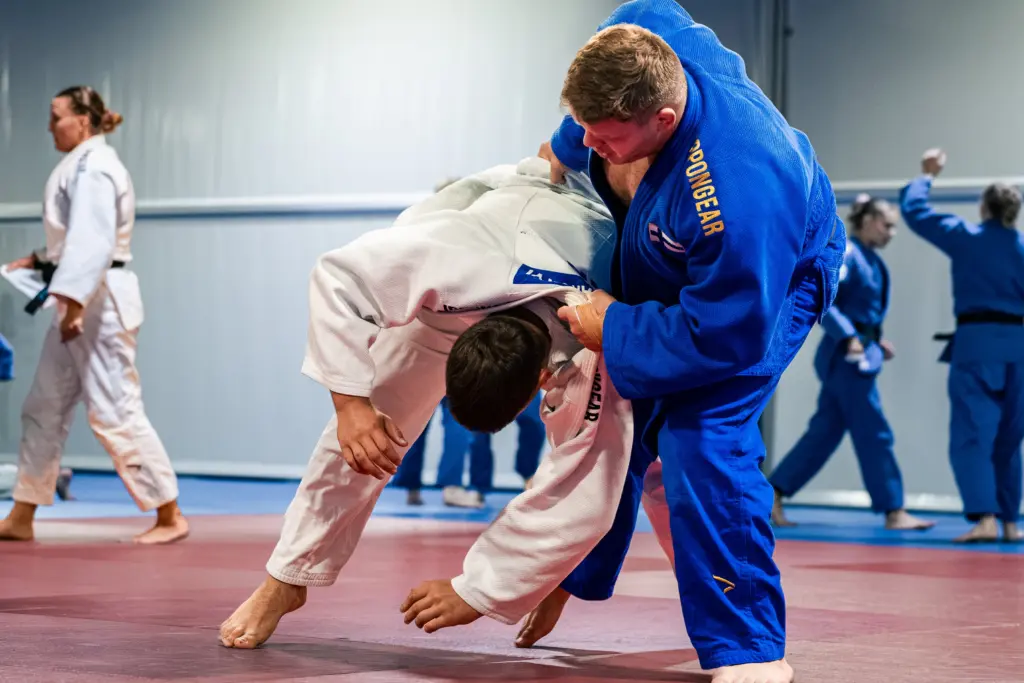
This cultural shift was translated into daily practice through a rigorous set of professional standards. "Raising the bar meant implementing simple, non-negotiable rules," says Favén. "It meant showing up on time, adhering to strict training protocols, and changing how athletes behave on and off the mat."
Training Metrics: More and Harder
Drakšič’s coaching philosophy is rooted in intensity and precision. Under his guidance, the volume and intensity of training were increased, but with a crucial caveat: every repetition had to be done with 100% focus.
The strategy includes:
- Active Partner Selection: Athletes are required to seek out training partners who are better than themselves to ensure constant growth.
- The "No Short-Cuts" Policy: There is no room for the path of least resistance. Every session is designed to challenge the athlete’s physical and mental limits.
- Data-Driven Recovery: The increased workload is balanced by sophisticated, weekly load monitoring. Training is rhythmized based on physiological test results to ensure that athletes reach peak performance exactly when needed for international competitions.
"If we want to succeed, we cannot just do what everyone else is doing," Drakšič asserts. "We have to do much more. Combined with the Finnish ‘sisu’ (grit), it becomes a winning formula."
Building the Future: The Long-Term Path
While the elite program is concentrated in Helsinki, the federation is acutely aware that the future of the sport lies in the health of regional clubs. A key part of the new system is the "clear path" from junior status to the adult elite level.
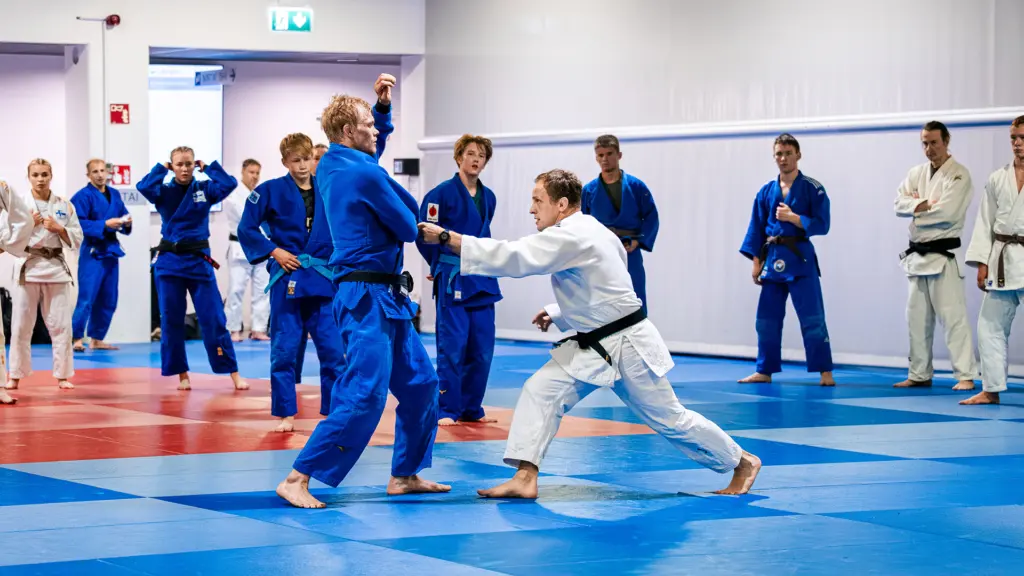
"We now have a clear roadmap," Favén explains. "A young judoka can see the entire journey—from their local club to the national center and eventually to the global stage. We’ve mapped out how to get there, and for the first time, the plan is being executed consistently across the country."
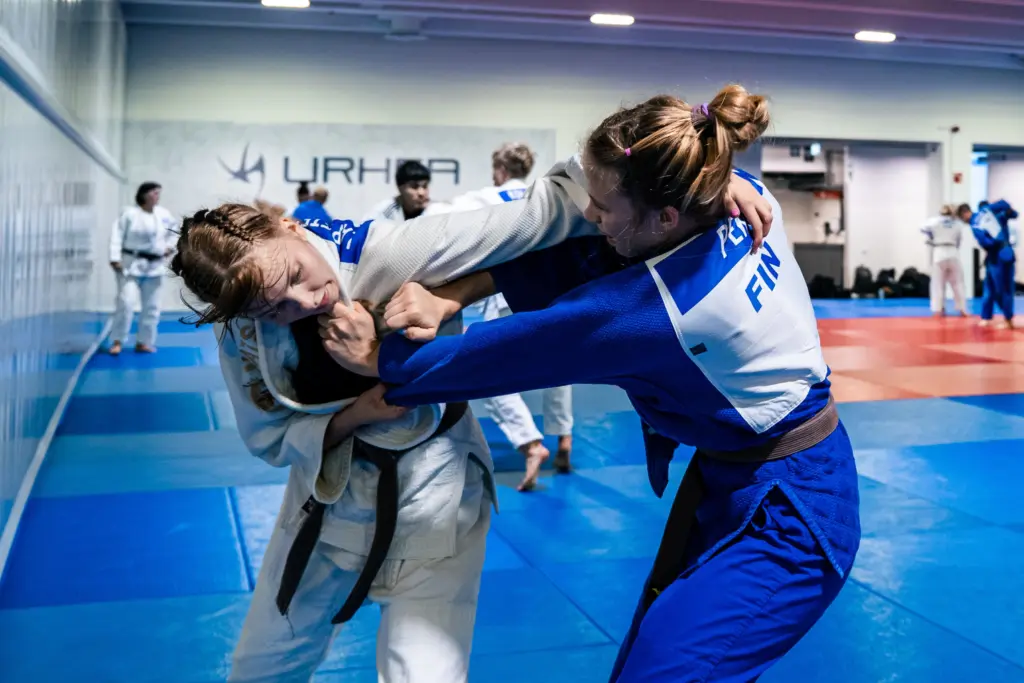
This structure is supported by the "Next Generation" programs, such as the one in which Sofia Pekki is currently involved, which provide promising athletes with early access to top-tier coaching and resources.
Official Responses and Future Implications
The success of the Finnish judo model has not gone unnoticed by the wider sporting community. Jaana Jokinen, the High-Performance Director at the Finnish Olympic Committee, views the progress as a template for other sports.
"The fundamental question now is how to make this successful model permanent," Jokinen says. "We cannot simply repeat the past. We need continuous innovation and the ongoing development of coaching expertise."
Jokinen emphasizes that while the concentration of resources at the Urhea campus has been effective, the federation must ensure that the "grassroots" remain vibrant. "New talents are born in local clubs. If we neglect the regional structure, the pipeline will dry up. We need a balance between central excellence and local accessibility."
The ultimate test for this new, integrated system will be the 2028 Los Angeles Olympic Games. For the first time in recent memory, Finnish judo officials are speaking openly and confidently about the goal of an Olympic medal.
"We didn’t dare to set an Olympic medal as an explicit goal for Paris," admits Favén. "But now, it is spoken out loud. It is no longer a dream; it is a tangible target."
Conclusion: A Model for Sustainability
The resurgence of Finnish judo serves as a case study in what can be achieved when a sporting organization stops relying on tradition and starts relying on strategy. By shifting the focus from "doing judo" to "mastering the high-performance system," Finland has bridged the gap between a small nation with limited resources and the global elite.
As young athletes walk onto the mats at the Urhea campus, they are no longer looking at abstract, unreachable icons; they are training alongside the very people who have proven that the podium is accessible. That, perhaps more than any training drill or structural change, is the true legacy of the current era of Finnish judo. They have replaced the "hope to win" with the "knowledge of how to win," and in the world of high-performance sports, that is the difference between competing and conquering.