By Editorial Staff
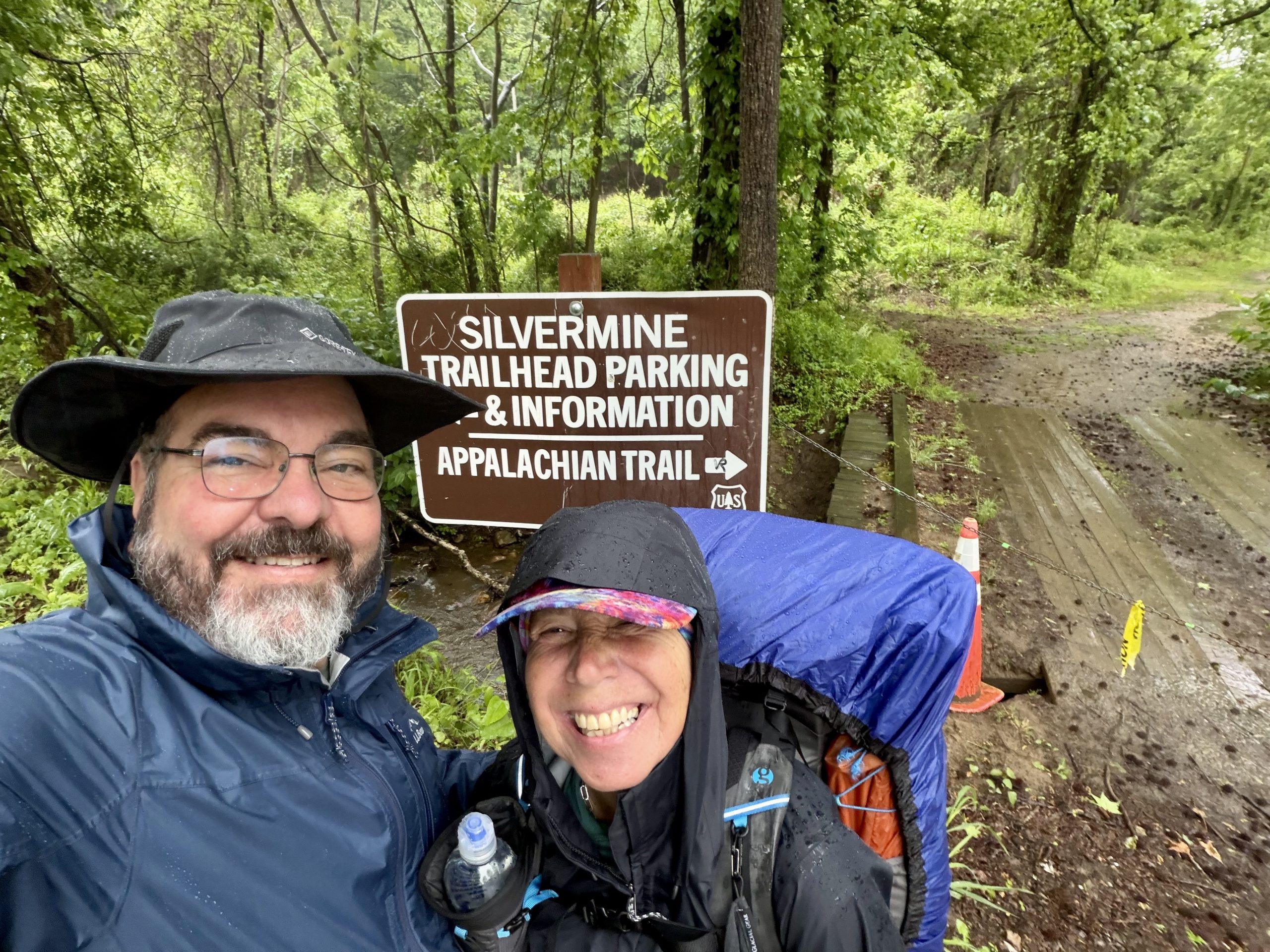
The Appalachian Trail (AT) is often mythologized as the ultimate test of human solitude—a 2,190-mile corridor of wilderness where the individual pits their resolve against the elements. However, for many thru-hikers, the reality is far more communal. Among those currently navigating the winding path from Georgia to Maine is Ria Pretti, a retired registered nurse and Episcopal priest, whose recent reflections highlight a profound truth: the trail is not a solitary conquest, but a collaborative ecosystem sustained by a vast, invisible, and sometimes highly visible, network of supporters.
The Myth of the Solitary Hiker
For decades, the cultural narrative surrounding long-distance backpacking has centered on the "lone wolf." Hikers are portrayed as stoic figures, disconnected from civilization, relying solely on their gear and their grit. Yet, for Pretti, who writes under the trail name "Godspeed," the experience has been a masterclass in vulnerability and interconnection.
"I haven’t written much because I find myself wanting to be totally immersed in this amazing experience," Pretti notes. "I’m still plugging along, going fairly slowly, taking too many pictures and too many days off. I’m retired. I’m on vacation. And I’m having the time of my life. Literally. But I could never do it alone."

This admission carries weight, particularly coming from an individual who self-identifies as a "tried and true introvert" and a "hermit wannabe." Her journey serves as a microcosm for a broader shift in the thru-hiking community: the recognition that the "village" is just as essential as the boots on one’s feet.
Chronology of Connection: A Networked Journey
The architecture of a successful AT hike begins long before the first step at Springer Mountain. For Pretti, the support structure is multi-layered, beginning with her immediate domestic sphere and expanding into the digital and physical trail community.
The Foundation at Home
The logistical and emotional heavy lifting begins at home. For Pretti, this is anchored by her husband, Anthony. The support of a partner is a recurring theme in the diaries of many thru-hikers, serving as the "ground control" for those in the wild. This includes managing finances, monitoring weather alerts, and providing the constant reassurance necessary to combat the mental fatigue that often accompanies months on the trail.
The "Village" of Friends and Faith
Beyond the immediate household, Pretti describes a wider circle of neighbors and church congregants who track her progress. In the modern era of social media and GPS tracking, this "virtual village" provides a psychological safety net. These supporters follow adventures and misadventures alike, offering prayers, messages of encouragement, and a sense of accountability that helps hikers persist when the physical toll of the trail becomes overwhelming.

The Trail-Side Community
Once on the trail, the support system shifts from digital encouragement to physical manifestation. This is the realm of the "Trail Angel"—individuals who provide food, water, rides, or shelter to hikers, often with no expectation of compensation. For the older demographic of hikers, this support is vital. Pretti highlights the interplay between generations, noting how younger hikers—often referred to as the "kids" on the trail—provide crucial morale boosts.
"Being one of the oldest and slowest people out there, I especially love the ‘kids’ who come upon me struggling, sweating and panting my way up the steeps and manage to call out cheerfully, ‘You’ve got this!’ or ‘You’re crushing it!’" she says.
Supporting Data: The Sociology of the AT
The Appalachian Trail Conservancy (ATC) has long emphasized that the AT is a "trail for everyone," but the data suggests that the community element is the primary factor in completion rates.
According to various thru-hiker surveys conducted by organizations like The Trek, the primary reasons cited for quitting the trail are not just physical injuries, but mental exhaustion and loneliness. The "village" that Pretti describes functions as a buffer against these stressors. When a hiker feels seen, heard, and supported by a community—both at home and on the trail—their threshold for physical pain and environmental discomfort increases.
Furthermore, the "Trail Angel" phenomenon is a unique sociological occurrence. Research into trail culture suggests that this reciprocal altruism creates a "pay-it-forward" economy. A hiker who is helped by a stranger at a road crossing is statistically more likely to assist another hiker later in their journey, reinforcing the social fabric of the AT.
Official Perspectives on the Trail Culture
The Appalachian Trail Conservancy (ATC) has historically promoted the trail as a place to foster community. While the physical trail is managed by the National Park Service and the ATC, the "culture" of the trail is managed by the hikers themselves.
In various public forums, trail officials have noted that the "village" aspect is what differentiates the AT from other long-distance trails, such as the Pacific Crest Trail (PCT) or the Continental Divide Trail (CDT). The AT passes through or near more populated areas and is supported by a more robust network of local hiking clubs, which effectively turns the entire journey into a series of community-supported segments rather than one long, isolated slog.
"The trail is a living, breathing entity," says a representative of a regional trail club. "It is not just a path of dirt and stone. It is the sum of the people who maintain it, the people who feed the hikers, and the hikers who share their stories. It is a collaborative, massive effort."

Implications: The Lessons of the Trail
The implications of Pretti’s experience extend far beyond the woods of the Appalachian Mountains. Her journey suggests that the modern human condition, which often prizes independence and self-sufficiency, may be overlooking the inherent value of interdependence.
Redefining Strength
For many, the AT is a place to prove individual strength. However, the lesson being learned by hikers like Pretti is that true strength is found in the ability to accept help. Recognizing the "village" requires humility. It requires a hiker to admit that they are not a self-contained unit and that their success is tethered to the goodwill of others.
The "Hiking Heretic" Philosophy
Pretti, who defines herself as a "mischievous mystic" and "happy hiking heretic," brings a unique theological perspective to the wilderness. She views the trail as a "great teacher." The primary lesson? That human beings are designed for connection. In an era of increasing social fragmentation, the trail acts as a laboratory for community building.
"We need each other. All of us. All the time," Pretti writes. "And the joy and grace that comes from doing life together is forever. Long live the AT village!"

Sustainability and Future Thru-Hiking
As the popularity of the Appalachian Trail continues to grow, the importance of this "village" infrastructure cannot be overstated. With increased foot traffic comes the need for more trail maintenance, more educated hikers, and a stronger support system. The "village" is not just a nice-to-have; it is an essential component of the trail’s long-term sustainability. Without the support of the village, the trail would quickly become inaccessible to many, restricting the experience to only the most elite athletes.
Conclusion
The journey of Ria Pretti is a testament to the fact that the Appalachian Trail is not merely a test of physical endurance. It is a social contract. Whether through the quiet support of a spouse, the cheers of a stranger on a mountain ridge, or the digital encouragement of a community thousands of miles away, the "village" provides the fuel for the journey.
As Pretti continues her trek, her story stands as a reminder to all—both on and off the trail—that no one truly achieves anything of significance in a vacuum. We are all, in one way or another, hiking our own version of the AT. And if we are lucky, we are doing it with the help of a village that believes in us far more than we often believe in ourselves. The path forward is rarely smooth, but with the right community, it is always traversable.