Introduction: A Giant Leap for Romania’s Energy Landscape
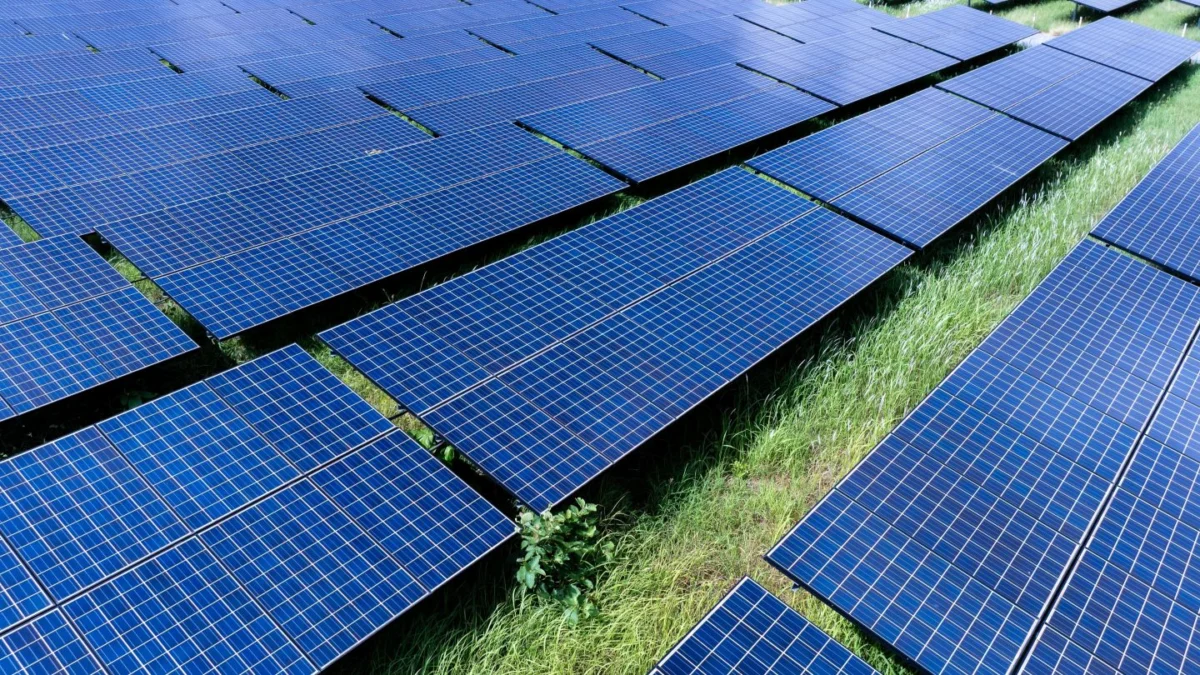
In a defining moment for Europe’s renewable energy sector, Rezolv Energy, the Actis-backed power producer, has successfully secured a massive financing package of up to $636.3 million (€561 million). This capital injection serves as the green light for the construction of the Dama Solar project, a colossal 1.3GW-peak (GWp) photovoltaic facility located in Arad County, western Romania.
Upon completion, Dama Solar is poised to claim the title of the European Union’s largest onshore renewable energy project. The project is not merely an infrastructure development; it is a critical component of Romania’s broader commitment to decarbonization and long-term energy independence. With construction set to commence shortly, the project represents a significant shift in the scale and ambition of green energy investments across the Balkan region.
Main Facts: The Anatomy of a Mega-Project
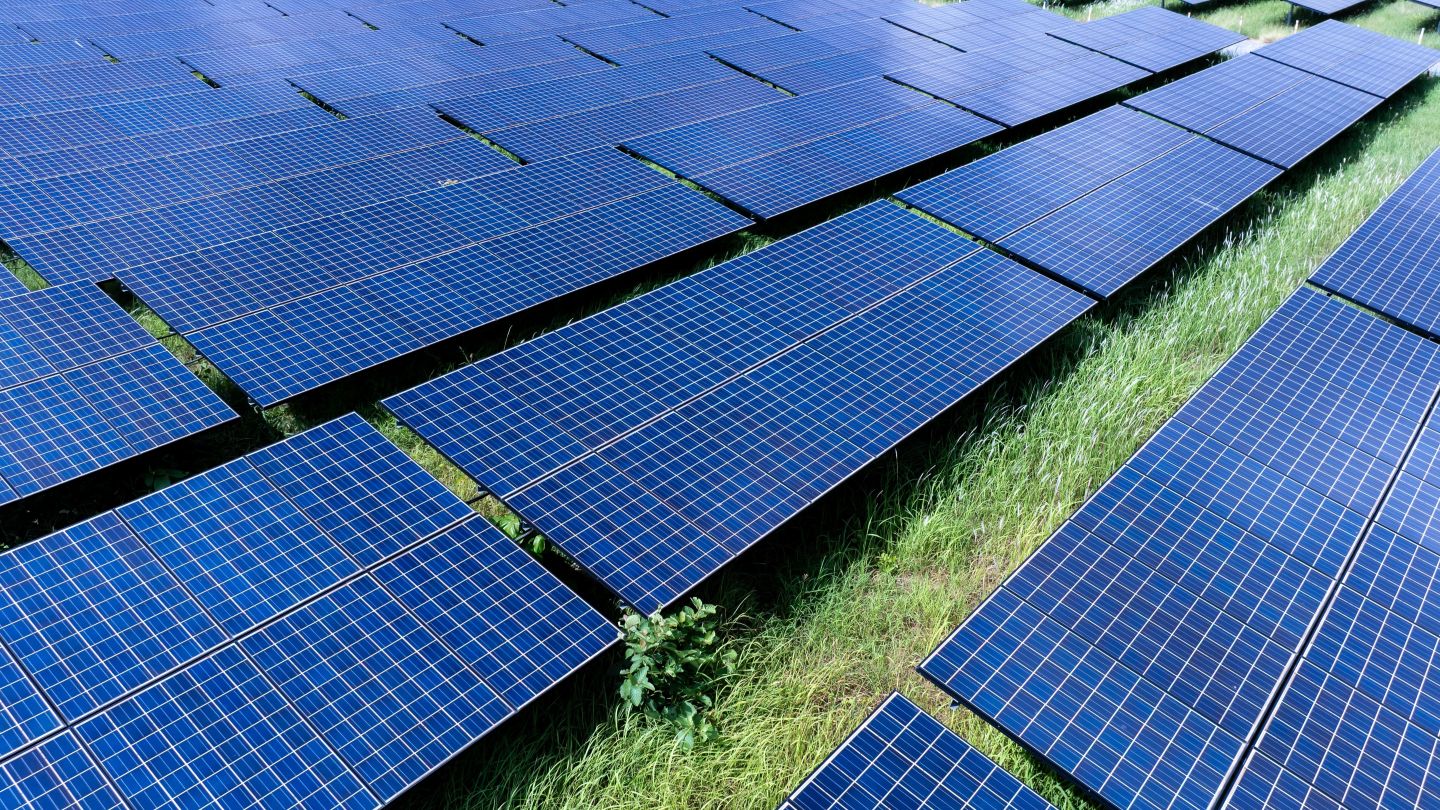
The Dama Solar project is designed to be a behemoth of sustainable infrastructure. Spanning over 1,000 hectares, the site is strategically positioned in Arad County, a region with favorable solar irradiation profiles.
Key Project Metrics:
- Capacity: 1.3GW-peak (GWp).
- Annual Output: Estimated 1.8 terawatt-hours (TWh) of clean electricity.
- Impact: The output is projected to represent approximately 36% of Romania’s total solar generation capacity as forecasted for 2025.
- Land Use: 1,000 hectares total, with an 82-hectare dedicated nature reserve to promote biodiversity.
- Employment: The construction phase is expected to generate up to 1,500 jobs, providing a significant boost to the local economy in western Romania.
The financing was facilitated through West Power Investments, a subsidiary of Rezolv Energy. The sheer complexity of the capital stack—involving a diverse consortium of 14 lenders—highlights the project’s bankability and the confidence international financial institutions have placed in Rezolv’s operational strategy.
Chronology: From Development Rights to Construction
The trajectory of the Dama Solar project reflects the rapid evolution of the European solar market.
- Development Phase: Rezolv Energy acquired the development rights for the project, meticulously ensuring compliance with the highest environmental and social benchmarks, including the IFC Performance Standards, EBRD Performance Requirements, and the Equator Principles.
- Auction Success: The project’s commercial viability was bolstered by the procurement of two Contracts for Difference (CfDs) awarded during Romania’s second government-led renewable energy auction, covering 520MW of capacity.
- Financial Close (Q4 2026): The successful securing of $636.3 million from a 14-member lender consortium marks the transition from planning to active construction.
- Construction Start: Work is scheduled to begin in the immediate future, with engineering, procurement, and construction (EPC) partnerships slated to be announced in the coming weeks.
- Commercial Operations (H2 2028): The facility is officially scheduled to inject its first power into the national grid in the second half of 2028.
This timeline is part of Rezolv’s aggressive expansion strategy. Following the successful commissioning of the 225MW St. George solar park in Silistra, Bulgaria, in May 2026—achieved in under three years from the acquisition of development rights—Rezolv has demonstrated a repeatable model for scaling large-scale renewable projects.
Supporting Data: A Consortium of 14 Lenders
The financing structure is perhaps the most impressive aspect of this development. Securing support from 14 different entities requires a high degree of transparency and rigorous risk mitigation.
The Financial Coalition:
The funding package comprises a blend of commercial and developmental capital:
- Development Finance Institutions (DFIs): The European Bank for Reconstruction and Development (EBRD), the International Finance Corporation (IFC), and the Black Sea Trade and Development Bank.
- Commercial Banks: The syndicate includes Erste Group Bank, UniCredit Bank, Banca Comercială Intesa Sanpaolo Romania, Raiffeisen Bank, Société Générale, OTP Bank, Raiffeisenlandesbank Niederösterreich-Wien, Piraeus Bank, Československá obchodní banka, and Siemens Bank.
- European Investment Bank (EIB): The project features an anchor investment from the EIB, further supported by an InvestEU guarantee, which serves as a seal of approval for the project’s environmental and economic credentials.
This diverse group of lenders ensures that the project is shielded from localized market volatility, leveraging the expertise of both regional players and global financial heavyweights.
Official Responses: Strategic Alignment
Alastair Hammond, CEO of Rezolv Energy, emphasized the strategic importance of the funding in a recent statement:
"Securing financing of this scale from 14 lenders is a major achievement and will allow us to move directly into construction. We are grateful to our financing partners for their continued confidence in Rezolv Energy and in this iconic project. It will make an important contribution to Romania’s energy transition and its long-term energy security."
The sentiment reflects the broader goal of Rezolv Energy, which maintains a portfolio of 2.8GW across Romania and Bulgaria. By focusing on utility-scale projects that integrate corporate Power Purchase Agreements (PPAs) alongside government-backed CfDs, Rezolv is effectively de-risking its portfolio while contributing to the European Green Deal objectives.
Implications: The Future of Renewable Energy in the Balkans
The Dama Solar project is a bellwether for the energy transition in Central and Eastern Europe. Its implications are manifold:
1. Scaling the Energy Transition
For years, the renewable energy sector in Europe struggled with projects that were either too small to impact grid stability or too fragmented to attract low-cost, institutional capital. Dama Solar proves that "gigawatt-scale" solar is not just a theoretical ambition but a practical, financeable reality.
2. Economic Revitalization
The creation of 1,500 jobs during the construction phase provides a substantial economic stimulus to Arad County. Beyond the construction phase, the project will require ongoing maintenance and operations personnel, fostering a long-term hub for technical expertise in the region.
3. Grid Stability and Energy Security
Romania, like many nations in the region, is looking to move away from legacy coal-fired generation. By integrating 1.8TWh of annual generation, Dama Solar reduces reliance on imported fossil fuels and stabilizes electricity prices for industrial and commercial consumers via the project’s corporate PPA framework.
4. Environmental Stewardship
The inclusion of an 82-hectare nature reserve within the 1,000-hectare site is a proactive response to the criticism that large-scale solar farms can disrupt local ecosystems. By embedding biodiversity into the project footprint, Rezolv is setting a new standard for "responsible renewables," proving that industrial-scale energy production can coexist with land conservation.
Conclusion: A Blueprint for Europe
As Rezolv Energy prepares to break ground, the eyes of the European energy market will remain fixed on Arad County. The successful realization of Dama Solar by H2 2028 will not only mark a milestone for Romania but will likely provide a blueprint for future large-scale renewable projects across the EU.
With its robust financial backing, clear operational timeline, and commitment to environmental standards, Dama Solar represents the "new normal" for the energy industry: a transition that is large in scale, sophisticated in financing, and essential for a sustainable future. As the project moves into the construction phase, it stands as a testament to the fact that when capital, policy, and engineering expertise align, the transition to a low-carbon economy accelerates at pace.