Executive Summary: A New Chapter for UK Offshore Wind
In a significant development for the United Kingdom’s renewable energy sector, GE Vernova has officially named the Maraen Port of Nigg in Scotland as the designated marshalling hub for the construction of phases B and C of the Dogger Bank Wind Farm. As the turbine supplier for this colossal infrastructure project, GE Vernova’s choice underscores the critical role of specialized port infrastructure in facilitating the energy transition.
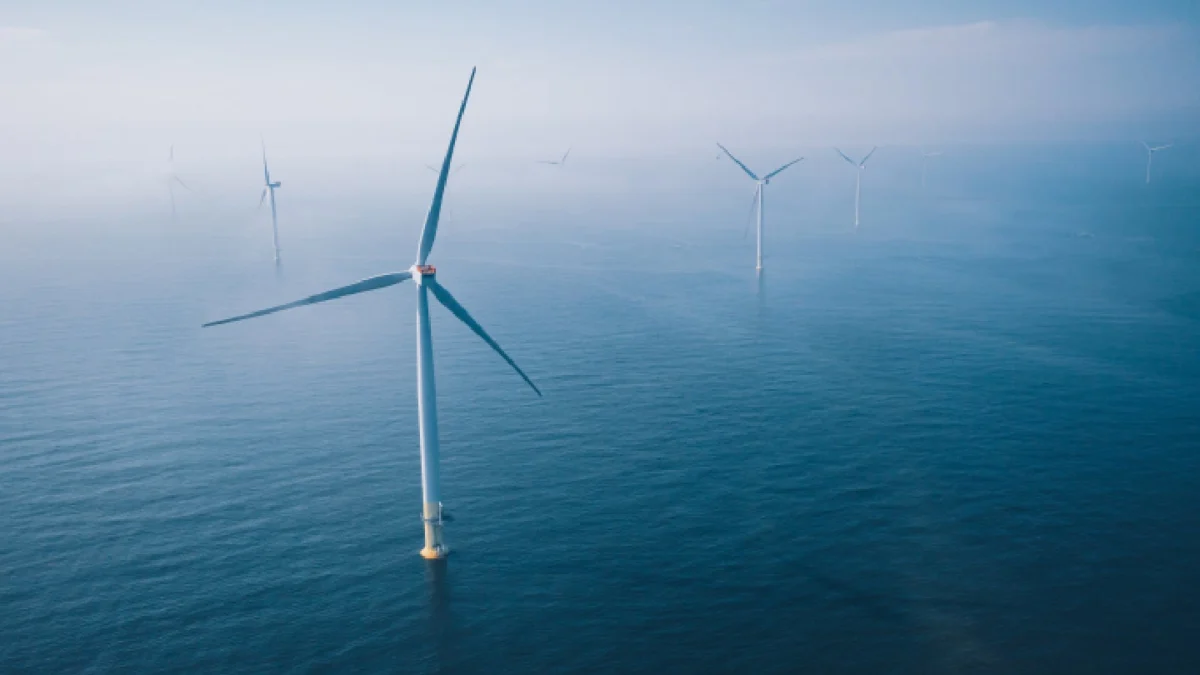
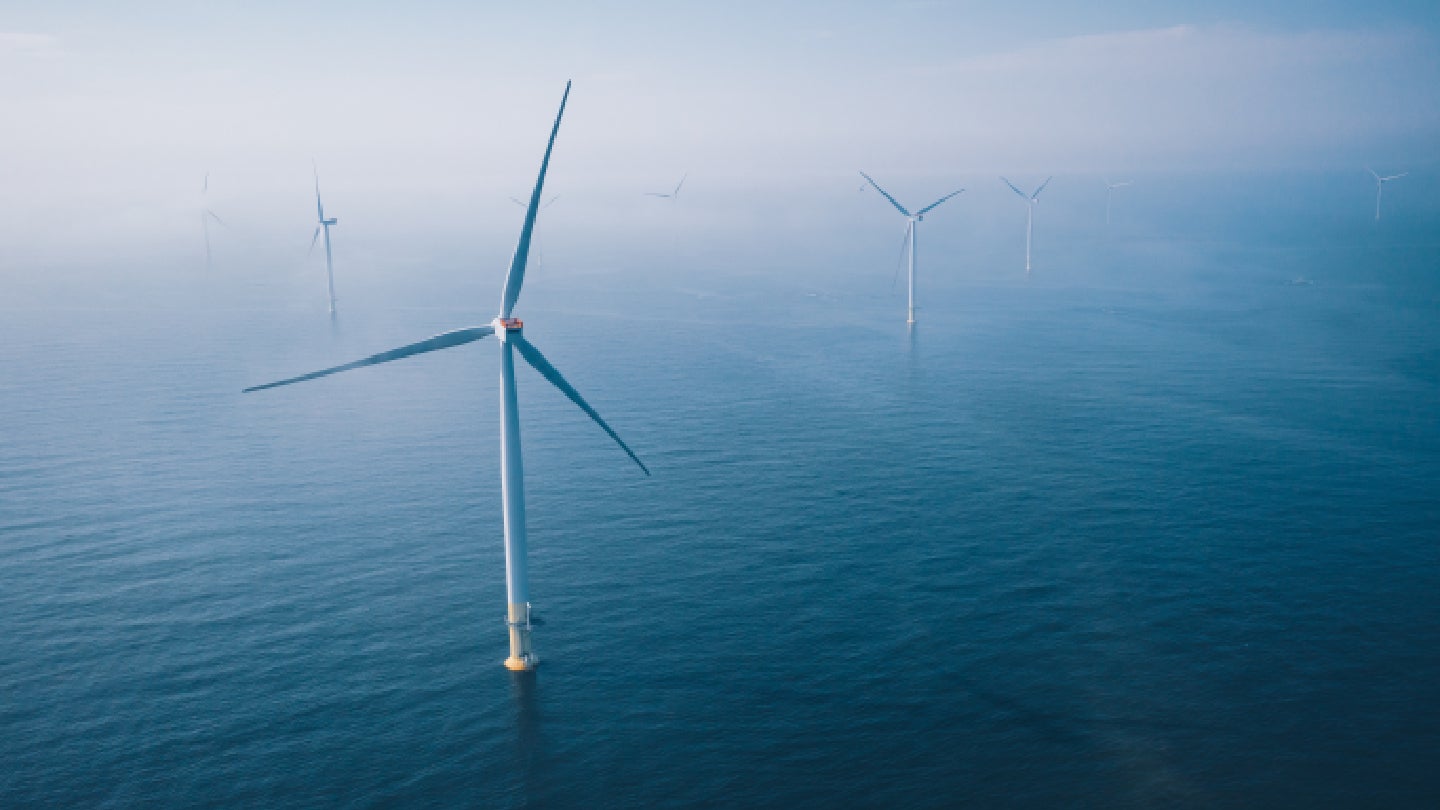
The Dogger Bank Wind Farm, a massive joint venture between SSE (40%), Equinor (40%), and Vårgrønn (20%), represents the pinnacle of modern offshore engineering. With a total projected capacity of 3.6GW, the project is set to become a cornerstone of the UK’s commitment to achieving net-zero emissions. By utilizing the Port of Nigg—a facility now under the ownership of Mitsui & Co. and Mitsui O.S.K. Lines—the project partners are leveraging a proven logistical powerhouse to ensure the efficient deployment of Haliade-X turbine components into the North Sea.
The Strategic Importance of the Port of Nigg
The selection of the Maraen Port of Nigg is far from accidental. In the world of offshore wind, the "marshalling hub" acts as the beating heart of the construction phase. It is the site where massive components—blades, nacelles, and tower sections—are consolidated, stored, and prepared before being loaded onto specialized installation vessels.
Technical Capabilities
The Port of Nigg offers a rare combination of physical assets that are essential for the Haliade-X turbines, which are among the largest and most powerful in the world. Key technical advantages include:
- Deep-Water Quays: Necessary to accommodate heavy-lift vessels with deep drafts.
- Ample Laydown Space: Offshore wind components require vast, stable surface areas for staging.
- Heavy Ground Loading Infrastructure: The sheer weight of modern turbine components requires specialized reinforced foundations to prevent subsidence.
Having supported four major offshore wind campaigns since 2018, the port has already facilitated the deployment of nearly 4GW of UK offshore wind capacity. This track record provided the necessary confidence for GE Vernova to entrust the port with the critical phases B and C of the Dogger Bank project.
Project Chronology: Scaling the Dogger Bank
The Dogger Bank Wind Farm is not merely a single project but a phased evolution of offshore capability. Located between 130km and 190km off the northeast coast of England, the development has been split into three distinct 1.2GW phases: A, B, and C.
Phase Development Timeline
- Early Development: Initial planning and site surveying defined the Dogger Bank as an ideal location due to its shallow water depths and consistent wind speeds.
- Financial Close and Initial Construction: The joint venture partners moved forward with Phase A, establishing the foundational logistics chains.
- 2025 Ownership Transition: A pivotal moment for the site occurred in 2025, when Mitsui & Co. and Mitsui O.S.K. Lines acquired the Port of Nigg. This brought new international investment and operational rigor to the site.
- The Current Campaign: With the announcement of the marshalling hub, the focus has shifted to the logistics of phases B and C. The mobilization of the Port of Nigg is currently underway, with storage and preparation protocols being activated to receive the first sets of Haliade-X components.
Supporting Data: The Scale of Impact
To understand the magnitude of the Dogger Bank project, one must look at the numbers. The scale of the 3.6GW farm is designed to fundamentally shift the energy landscape of the United Kingdom.
Operational Metrics
- Annual Output: Once fully operational, the wind farm is expected to generate enough electricity to power approximately six million British homes annually.
- Individual Turbine Performance: Each Haliade-X turbine is a feat of engineering, capable of powering up to 16,000 households on its own.
- Environmental Offsetting: The carbon-reduction potential is equally impressive. Each turbine is estimated to offset emissions equivalent to those produced by 9,000 internal combustion vehicles in a single year.
- Logistical Throughput: The coordination of these assets requires precise timing. The marshalling process at Nigg involves hundreds of individual component movements, requiring thousands of man-hours of skilled labor to manage safely and efficiently.
Official Responses and Industry Sentiment
The partnership between GE Vernova and the Maraen Port of Nigg has been met with enthusiasm from stakeholders, who view this as a validation of Scotland’s strategic position in the global renewable market.
Yoshihiro Hayakawa, CEO of Maraen, expressed the significance of the contract:
"We are delighted to support GE Vernova and the Dogger Bank Wind Farm project at Maraen Port of Nigg. The Port of Nigg continues to play an important role in supporting the UK’s offshore renewables supply chain and wider energy transition ambitions, and we look forward to working collaboratively with all project partners as the campaign progresses."
Industry analysts note that this partnership also highlights the "cluster effect" of the Scottish energy industry, where local expertise, infrastructure, and international investment converge to create a competitive advantage that attracts major global players like GE Vernova.
Implications for the Future of Offshore Logistics
The selection of the Port of Nigg carries broader implications for the offshore wind sector, particularly regarding how marshalling hubs are utilized and managed.
1. Supply Chain Resilience
By consolidating operations at a facility with high-end infrastructure, project developers reduce the risk of delays. The "bottleneck" at ports is often the greatest risk to offshore project timelines. Using a seasoned facility like Nigg mitigates this by providing proven workflows and experienced labor pools.
2. The Role of International Investment
The acquisition of the Port by Japanese conglomerates Mitsui & Co. and Mitsui O.S.K. Lines signals that the UK offshore wind market remains a high-priority destination for global capital. This international interest is driving the upgrades to port facilities that are necessary to support the next generation of 15MW+ wind turbines.
3. Economic Multiplier Effect
The involvement of the Port of Nigg provides a significant economic boost to the local Scottish economy. Beyond the direct jobs associated with the marshalling of the turbines, the project stimulates secondary services, including maritime maintenance, transport, logistics consultancy, and regional hospitality for the influx of specialized workers.
4. Meeting Net-Zero Targets
The UK government has set ambitious targets to decarbonize the electricity grid. Projects like Dogger Bank are the "heavy lifters" of these targets. As the marshalling operations move into full swing at the Port of Nigg, the project will be closely watched by policymakers as a model for how large-scale, deep-water wind farms should be executed.
Conclusion: A Benchmark for Excellence
The alignment of GE Vernova’s technology with the logistical capabilities of the Maraen Port of Nigg sets a high benchmark for the industry. As the UK continues to push toward its renewable energy goals, the success of the Dogger Bank phases B and C will depend heavily on the seamless coordination between the manufacturing floor and the installation site.
With the marshalling infrastructure now secured and the logistical plan in motion, the project partners are well-positioned to deliver one of the world’s most significant clean energy assets. The Port of Nigg, with its storied history and modernized facilities, stands ready to transform from a port of industry into a vital node in the global effort to power the future with wind. As the Haliade-X turbines arrive at the quay and begin their journey to the North Sea, they carry with them the promise of a more sustainable and energy-independent future for the United Kingdom.