In the high-stakes world of inland oil spill response, time is the ultimate currency. When hazardous materials enter fast-moving river systems, the window for effective containment is measured in minutes, not hours. For the specialized teams at Whitewater Rescue Institute (WRI), the traditional challenges of spill response—namely the physical, labor-intensive deployment of heavy containment booms—have long been a hurdle to rapid containment.
However, recent field trials conducted on the Clark Fork River suggest that a paradigm shift may be underway. By integrating lightweight, rapid-deployment technologies like the Harbo boom system into their operational toolkit, responders are finding that they can achieve superior results with significantly less physical strain and manpower.
The Physicality of Traditional Spill Response
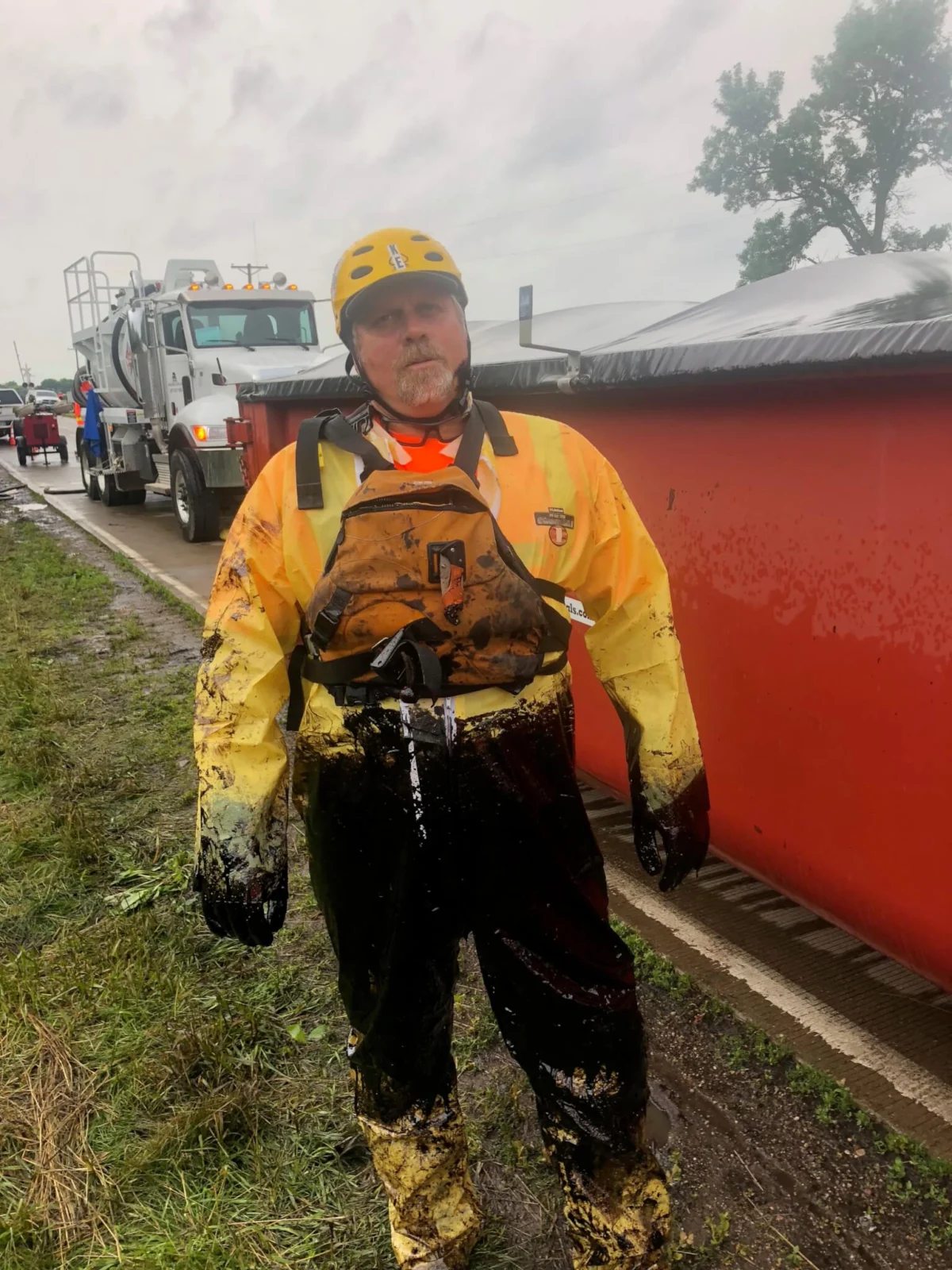
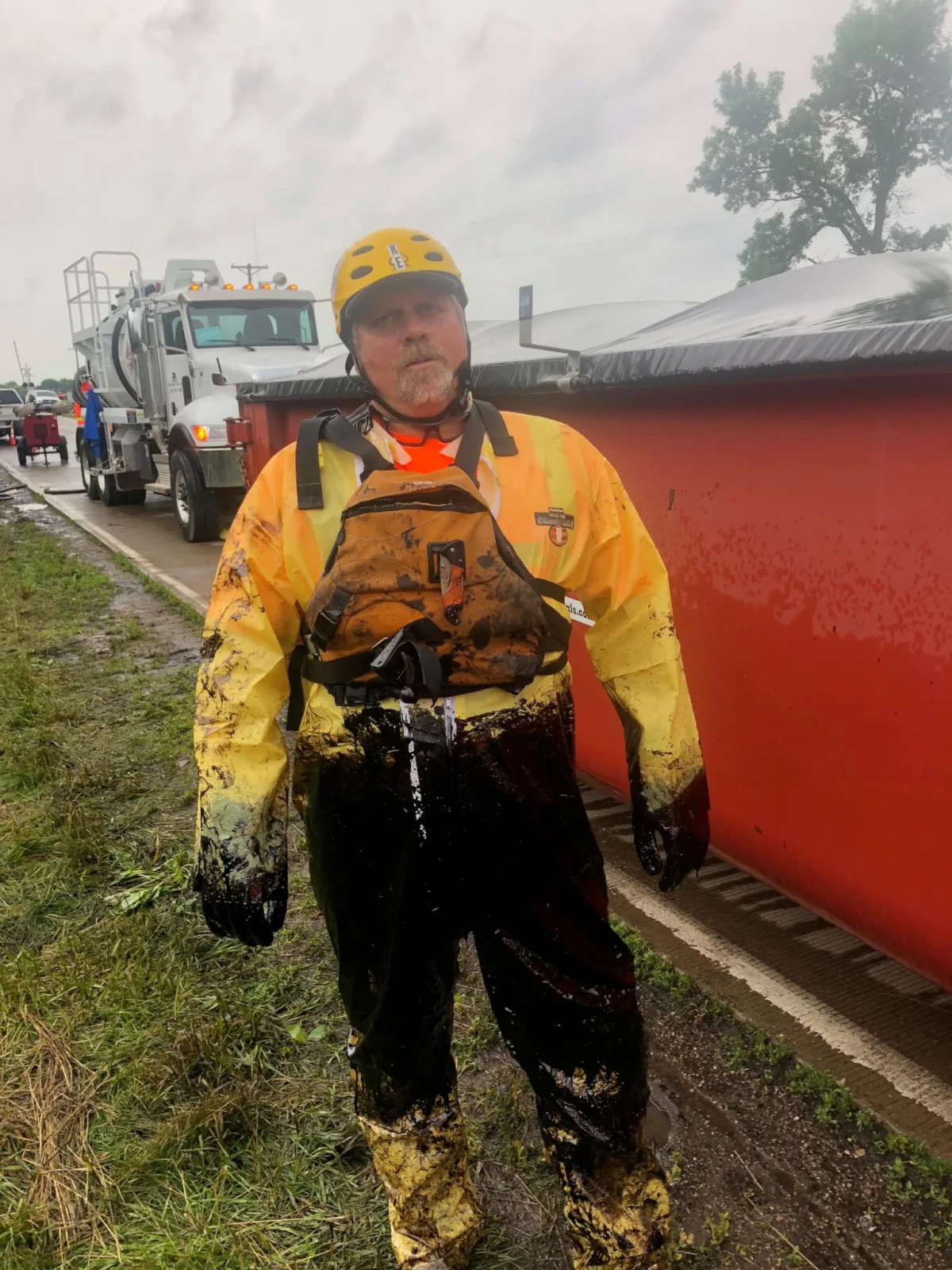
For decades, the standard for inland oil spill response has relied on heavy, bulky, and cumbersome containment booms. In a typical scenario, these booms are stored in trailers or staging areas, often far from the water’s edge. Transporting 50-to-100-foot lengths of heavy-duty PVC or rubber boom over rugged, uneven terrain is a staple—and often the most exhausting—aspect of the responder’s job.
Beyond the physical fatigue, the logistical burden of heavy gear limits the speed at which a perimeter can be established. In fast-water environments, where the current can easily overwhelm containment systems, the ability to maneuver and secure equipment quickly is critical. Every moment spent hauling heavy gear is a moment lost in the race against the encroaching plume of contaminants.
Chronology of the Clark Fork River Trials
Last week, WRI conducted a comprehensive series of drills on the Clark Fork River, a waterway known for its challenging, fast-moving currents. The goal was twofold: to test advanced collection strategies in high-velocity flows and to evaluate the viability of the Harbo boom technology under real-world, high-stress conditions.
Phase I: Vane Collection in High Velocity
The initial phase of the exercise focused on traditional boom vane collection. These systems, which utilize hydrodynamic forces to steer boom across a current, were deployed in the upper reaches of the Clark Fork. This phase served as a baseline to measure the effectiveness of standard containment tactics in volatile water.
Phase II: The Introduction of Harbo Technology
The second phase involved the introduction of the Harbo boom system. The WRI team approached this with a healthy dose of professional skepticism. The Harbo unit, which stores approximately 80 feet of boom in a compact 20-inch by 36-inch dry box, appeared deceptively lightweight. The responders, accustomed to the heavy-duty gear of the industry, initially doubted that such a lightweight structure could maintain its integrity against the shear forces of the Clark Fork’s current.
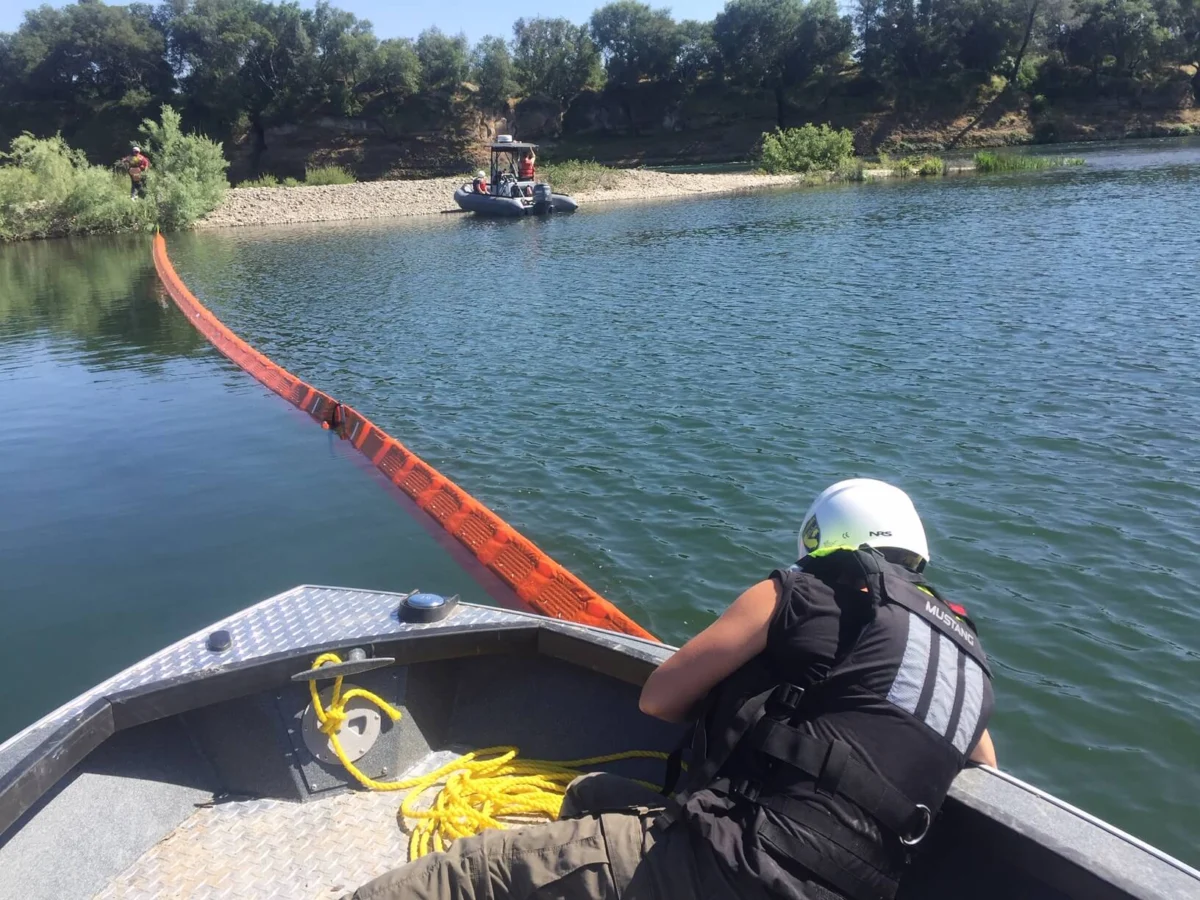
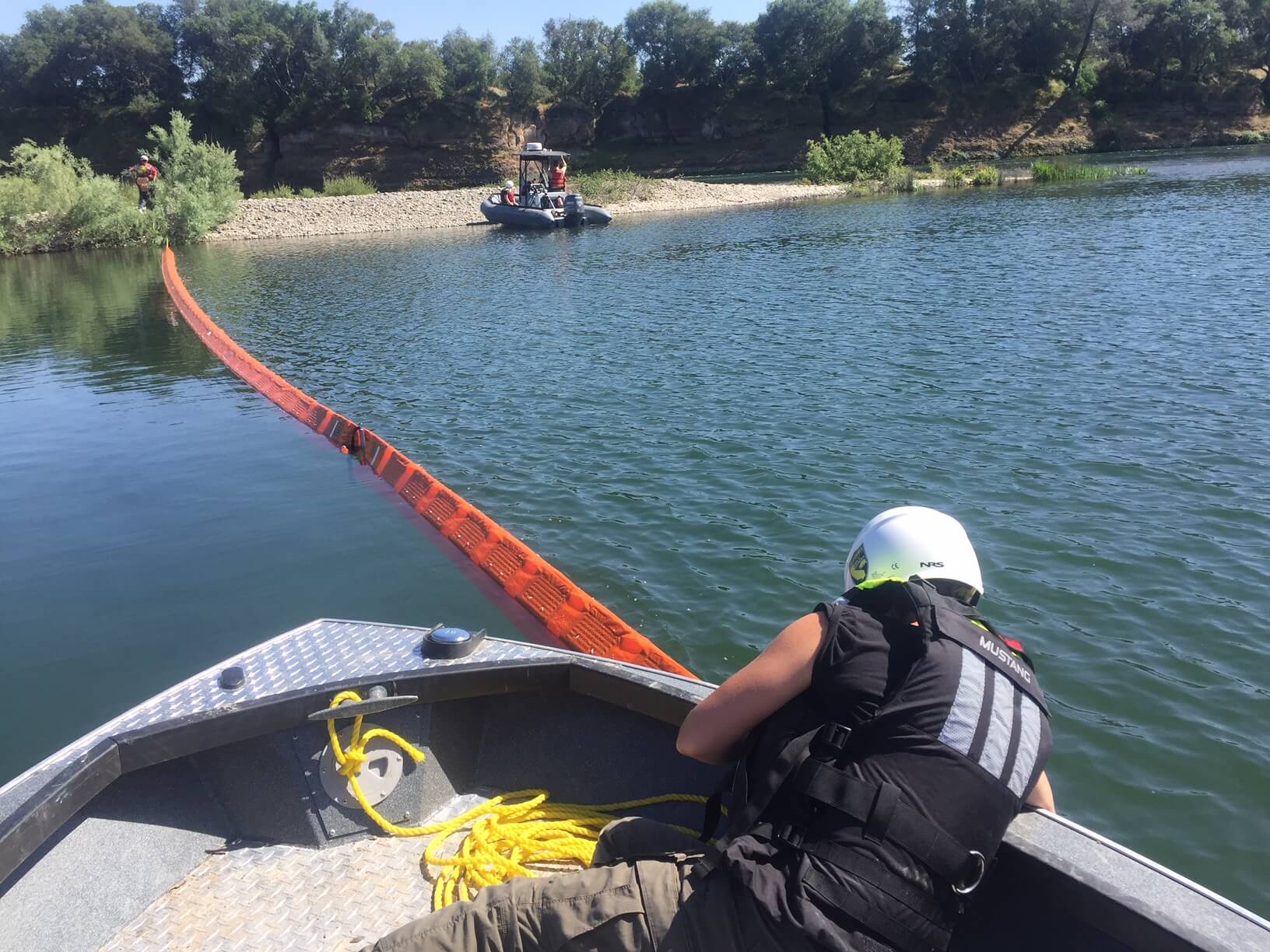
The deployment was systematic. Representatives from Harbo Technologies were on-site to facilitate the process and explain the engineering principles behind the design. The WRI team monitored the deployment for structural failure, entrainment (the process by which oil escapes beneath the boom due to current speed), and overall ease of handling.
Supporting Data and Technical Specifications
The performance of the Harbo system during these trials yielded data that challenged several industry assumptions regarding weight-to-strength ratios in spill containment.
Design Mechanics
The Harbo boom utilizes a unique, innovative design:
- Rapid Inflation: The boom deploys flat and compact, saving massive amounts of space. Once immersed in water, a series of interior sponges rapidly absorb water and expand, inflating the boom into a sturdy square structure consisting of a float and a vertical curtain.
- Structural Integrity: Rather than relying solely on buoyancy, the system uses the surrounding water to flow through its internal structure, adding stability and weight to the curtain, which helps the boom "lock" into the current.
- Towing Capacity: A high-strength nylon webbing runs the entire length of the boom, providing the necessary tensile strength for towing operations.
- Connectivity: The system utilizes simple, universal pin-based connectors, allowing for rapid joining of multiple units in the field.
Performance Metrics
In direct comparison to traditional 12-inch heavy containment booms, the Harbo system performed with remarkable parity. The WRI team reported zero entrainment during the deployment, even in high-velocity sections of the river. The ability of a single responder to line out 82 to 164 feet of boom in minutes—a task that would typically require a crew of three or more—represented a massive increase in operational efficiency.
Official Observations and Industry Implications
The WRI team, comprised of seasoned responders with years of experience in both training and active spill response, provided a professional assessment of the technology.
Efficiency and Versatility
"We were genuinely impressed," noted the WRI assessment team. The versatility of the boom was a standout feature. During the trials, it was utilized successfully for:
- Shoreline Protection: Rapidly sealing off sensitive areas.
- Deflection Strategies: Angling the boom to move contaminants toward a collection point.
- Collection Strategy: Paired with a Highline and a Boom Vane to capture simulated contaminants.
The implications for industrial facilities—such as refineries, rail yards, and maritime harbors—are significant. These facilities often maintain response equipment that is rarely moved due to weight and complexity. By switching to a system that can be staged by one or two people in a fraction of the time, these facilities could theoretically slash their "time-to-containment" metrics, potentially saving millions in environmental remediation costs.
Challenges and Future Considerations
While the results of the Clark Fork trials were overwhelmingly positive, the transition to such technology is not without its hurdles.
The Single-Use Limitation
Currently, the Harbo boom is categorized as a single-use product. The internal sponge mechanism, which is critical to the boom’s structure and flotation, does not maintain its integrity after the first deployment and subsequent drying. For an organization like WRI, which conducts constant, high-frequency training, this represents a significant cost barrier.
Shelf Life and Lifecycle
The manufacturer currently specifies a five-year shelf life for the equipment. This requires organizations to implement strict inventory rotation protocols, which, while standard in the industry, adds an extra layer of administrative burden.
The Path Forward
In response to feedback from agencies like WRI, Harbo Technologies has indicated that they are in the development stages of a dedicated "training version" of the boom. This iteration aims to provide the same handling characteristics as the operational model while utilizing durable, reusable components to mitigate the costs associated with frequent drills.
Conclusion: A New Era for Inland Response?
The integration of advanced materials and smart design into spill response is long overdue. While traditional, heavy-duty boom will likely remain a fixture in large-scale oceanic spills, the inland sector is ripe for the kind of agility offered by the Harbo system.
For responders, the goal is always to maximize safety and minimize the impact of a spill. The Clark Fork trials demonstrate that through innovation, we can achieve these goals with greater speed and efficiency. As the technology matures—and as specialized training versions become available—it is highly probable that we will see these lightweight, rapid-deployment systems becoming a staple in spill response trailers across the country.
The transition from "heavy and slow" to "light and rapid" is not merely an improvement in comfort for the responder; it is a critical evolution in environmental protection. By reducing the time it takes to contain a spill, we increase the probability of success, protect our waterways, and ensure that our teams are better equipped to handle the unpredictable challenges of fast-water environments.