The global energy transition is no longer a peripheral goal for the hydrocarbon-rich nations of the Middle East; it is an economic imperative. Qatar, a nation historically synonymous with liquefied natural gas (LNG), is currently undergoing a structural pivot in its energy strategy. By integrating large-scale solar photovoltaic (PV) capacity into its national grid, the state is actively working to diversify its energy mix, reduce its domestic carbon footprint, and preserve its valuable gas reserves for export.
This article examines the strategic shift in Qatar’s power sector, analyzing the technological milestones, the economic implications, and the long-term vision of a nation transitioning from a gas-only powerhouse to a diversified energy leader.
The Strategic Shift: Main Facts
For decades, Qatar’s electricity production has been almost exclusively reliant on natural gas-fired combined-cycle gas turbine (CCGT) plants. However, the Qatar National Vision 2030 has catalyzed a departure from this status quo. The cornerstone of this transition is the Al Kharsaah Solar PV Power Plant—the country’s first utility-scale solar project.
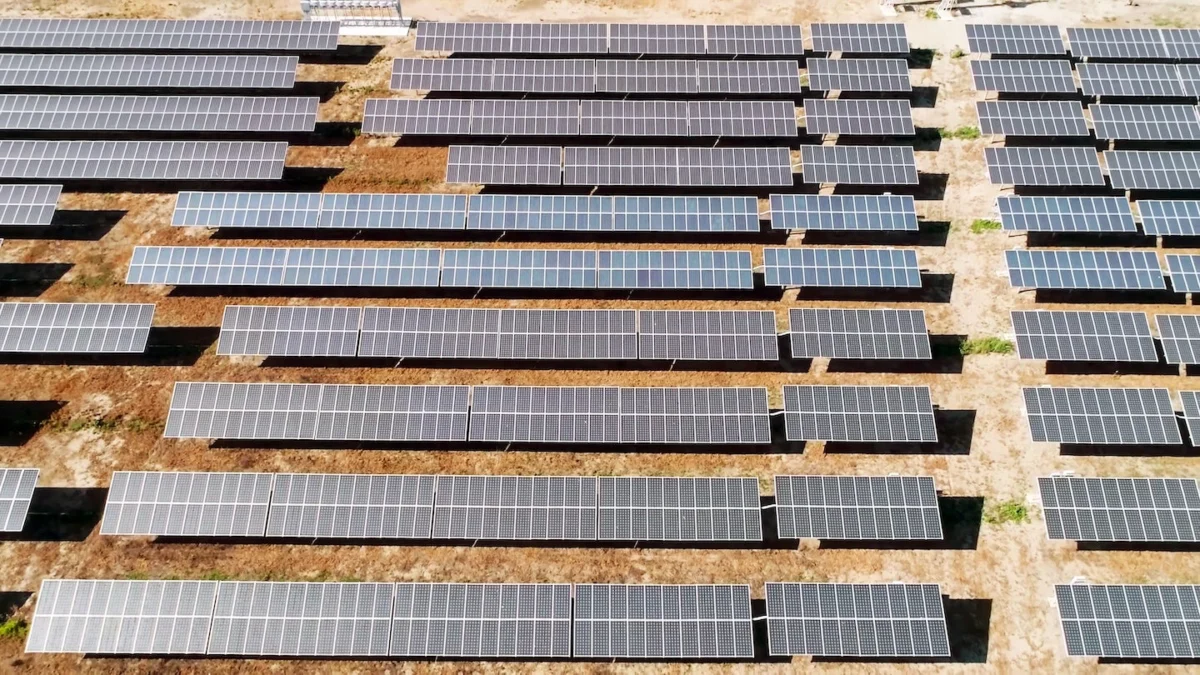
Located west of Doha, the 800-megawatt (MW) facility represents a watershed moment. It covers an area of over 10 square kilometers and utilizes more than 1.8 million bifacial solar modules, which capture sunlight on both sides of the panel to maximize efficiency. This project is not merely an environmental statement; it is a calculated economic move. By utilizing solar energy for domestic power needs, Qatar frees up significant volumes of natural gas that would otherwise be burned for electricity generation, allowing that gas to be exported to high-demand markets in Europe and Asia.
Chronology of Qatar’s Energy Evolution
The journey toward solar integration has been a methodical process of planning, tender, and execution:
- 2017: The Ministry of Energy and Industry announces the initial plans for the country’s first major solar energy initiative, aiming to diversify the energy mix.
- 2019: The government launches a competitive tender process for the Al Kharsaah project, attracting international interest from major energy players.
- 2020: The contract is awarded to a consortium comprising QatarEnergy (formerly Qatar Petroleum), Marubeni Corporation, and TotalEnergies.
- 2022: Construction reaches completion in time for the FIFA World Cup, symbolizing Qatar’s commitment to hosting a carbon-neutral event.
- 2023: Full operational capacity is achieved, marking the successful integration of renewable power into the national transmission grid.
- 2024 and Beyond: Government entities announce plans for further solar expansion, with targets to reach 2 to 4 gigawatts (GW) of solar capacity by 2030.
Supporting Data: The Math Behind the Transition
To understand the scale of this shift, one must look at the performance metrics of the current infrastructure. The Al Kharsaah plant is designed to generate approximately 2 terawatt-hours (TWh) of electricity annually. This capacity is sufficient to power roughly 55,000 households, or about 10% of Qatar’s total peak power demand.
From an environmental standpoint, the project offsets approximately 26 million tonnes of carbon dioxide (CO2) over its 25-year operational lifespan. Furthermore, the efficiency gains from modern bifacial tracking technology mean that the levelized cost of electricity (LCOE) for this project is among the lowest in the world, proving that solar is not only a "green" alternative but a financially superior one.
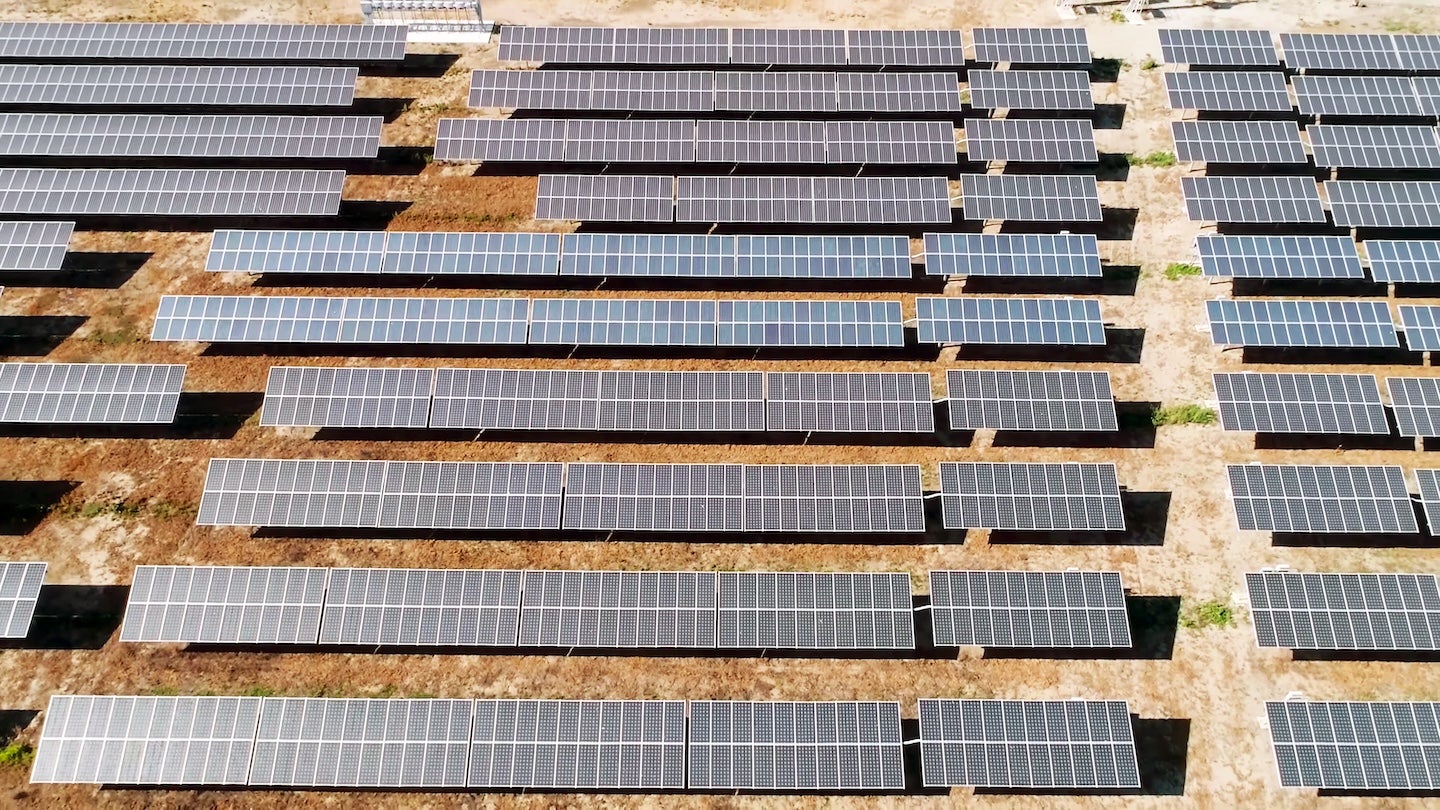
As Qatar looks toward the next phase, the focus shifts to storage solutions. Solar energy is intermittent, and the extreme desert heat presents challenges for battery degradation. Data from recent pilot projects suggest that advanced cooling systems for lithium-ion battery energy storage systems (BESS) will be essential for the next 1.5 GW phase of solar expansion, which is currently in the bidding stages.
Official Responses and Stakeholder Perspectives
The implementation of these solar projects has been a collaborative effort between the Qatari government and international energy giants.
The Government Stance:
The Minister of State for Energy Affairs and President/CEO of QatarEnergy, Saad Sherida Al-Kaabi, has repeatedly emphasized that solar is a "strategic necessity." In recent industry addresses, he noted, "We are not just building solar plants; we are building a legacy of energy efficiency. By utilizing our abundant sunshine, we are ensuring that Qatar remains a reliable energy supplier for the global market for decades to come."
International Partners:
TotalEnergies, a key partner in the Al Kharsaah venture, has highlighted the importance of technology transfer. Patrick Pouyanné, Chairman and CEO of TotalEnergies, stated: "This project is a testament to the fact that fossil fuel leaders can and must play a pivotal role in the renewable energy transition. Through technological collaboration, we have demonstrated that large-scale solar in the Gulf is not only viable but highly efficient."
Environmental Advocacy:
While international environmental groups have lauded the move, they have also called for greater transparency regarding the lifecycle analysis of solar panel manufacturing. The government has responded by committing to stringent sustainability criteria for all future contractors, ensuring that the entire supply chain adheres to high ESG (Environmental, Social, and Governance) standards.
Implications: A New Era for the Gulf
The shift toward solar in Qatar has profound implications, both domestically and internationally.
1. Economic Diversification
By reducing domestic gas consumption, Qatar is essentially creating "new" export capacity without having to drill a single additional well. This reinforces the state’s fiscal position, providing a buffer against oil and gas price volatility.
2. Technological Leadership
Qatar is positioning itself as a hub for renewable energy research. The Qatar Environment and Energy Research Institute (QEERI) is conducting extensive studies on dust accumulation (soiling) on panels in desert environments. The results of this research are being shared globally, making Qatar a thought leader in arid-region renewable energy technology.
3. Regional Security and Grid Stability
The integration of solar power decentralizes the energy supply to a degree. By placing solar plants in remote areas like Al Kharsaah, the national grid becomes more resilient. If a central gas plant were to face a technical failure, the dispersed solar assets provide a critical safety net, preventing widespread blackouts.
4. Setting a Precedent for the GCC
Qatar’s success serves as a blueprint for other Gulf Cooperation Council (GCC) countries. With Saudi Arabia’s "Vision 2030" and the UAE’s "Net Zero by 2050" initiative, the region is moving in lockstep toward a post-hydrocarbon future. Qatar’s ability to execute large-scale projects efficiently accelerates this regional momentum, fostering a competitive environment that drives innovation and reduces costs across the board.
Conclusion: Looking Toward 2030 and Beyond
The transition to solar energy in Qatar is no longer a concept; it is an active, functioning reality. As the nation scales its solar ambitions toward the 4 GW target by 2030, the integration of advanced battery storage and smart-grid technology will be the next major frontier.
The global power industry is watching Qatar closely. As a nation that has built its entire economic identity on the extraction of hydrocarbons, its pivot to solar sends a powerful signal to the international community. It is a recognition that the future of energy is not binary—it is not "gas versus solar." Instead, it is a sophisticated, hybrid model where traditional energy exports provide the financial capital to build a sustainable, renewable infrastructure that will power the nation for the next century.
For investors, analysts, and policymakers, the lesson is clear: Qatar’s energy sector is evolving. The integration of solar power is not a threat to the country’s gas-led dominance; it is the evolution of it. By leveraging the sun, Qatar is ensuring that it remains at the heart of the global energy conversation, regardless of how that energy is produced.
For more in-depth analysis on the regional power landscape, energy market forecasts, and exclusive industry interviews, subscribe to the Power Technology premium insights portal.