South Africa’s renewable energy landscape has reached a pivotal milestone with the official commissioning of the first phase of the Ummbila Emoyeni Wind Farm. Developed by Seriti Green, this flagship project represents a cornerstone of the nation’s Just Energy Transition (JET), signaling a robust shift away from coal-dependence toward a diversified, sustainable power grid.
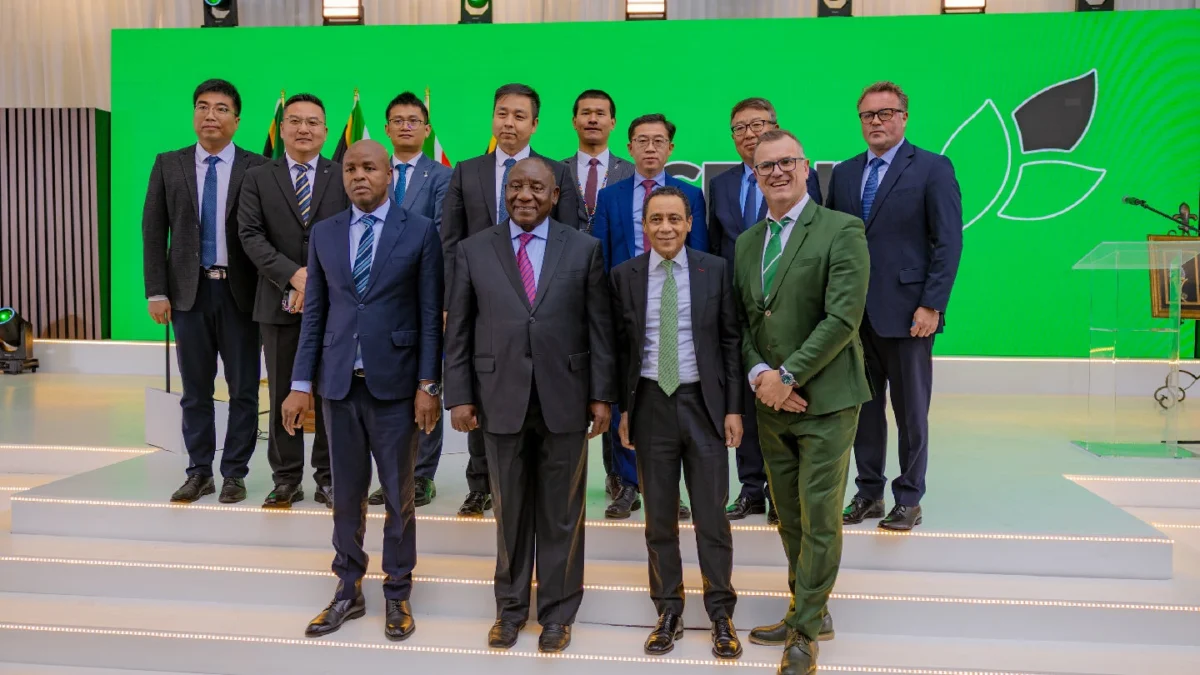
The commissioning, attended by South African President Cyril Ramaphosa and key international stakeholders, marks the successful integration of 155MW of clean wind power into the national grid. As the country grapples with historic energy constraints, the Ummbila Emoyeni project stands as a beacon of large-scale infrastructure investment and strategic international cooperation.
Main Facts: Powering a Nation
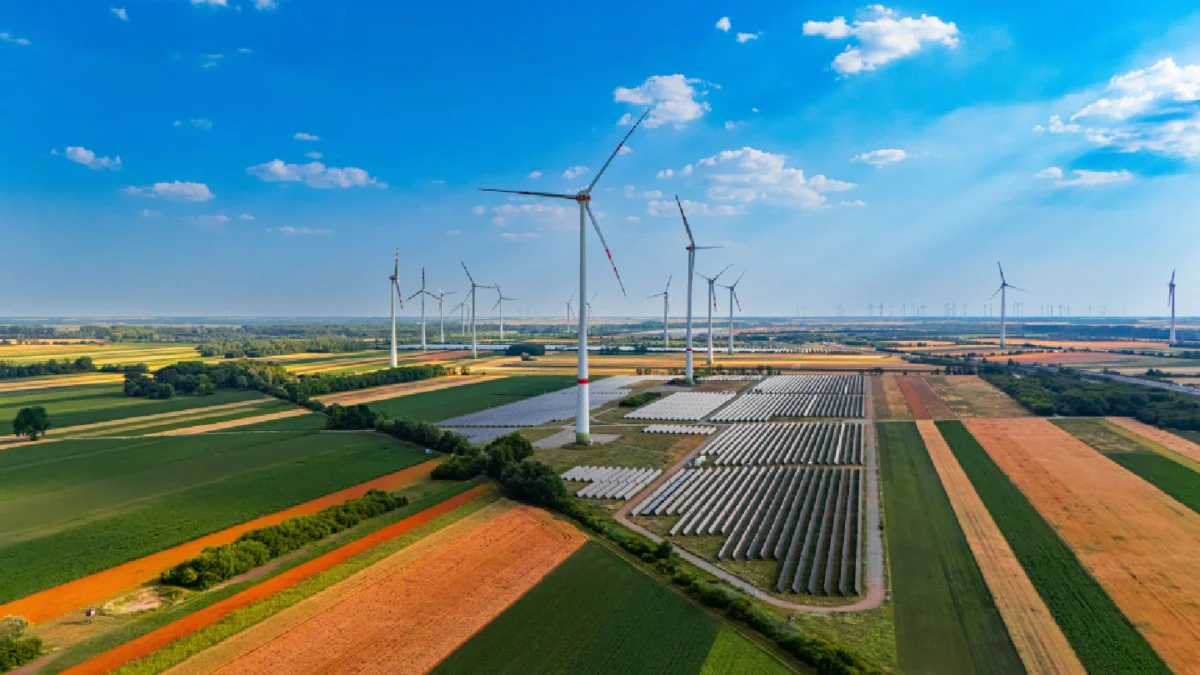
The first phase of the Ummbila Emoyeni Wind Farm is a technical marvel of modern wind energy. Powered by 25 high-efficiency Goldwind GWH182-6.2MW turbines, the facility is designed to maximize energy capture in South Africa’s wind-rich environments. Each turbine features an impressive rotor diameter of 183.5 meters, allowing for optimal performance even in varied wind conditions.
Beyond its physical footprint, the project’s impact is measured in clear, quantifiable metrics:
- Capacity: 155MW delivered to the grid in the initial phase.
- Annual Output: Approximately 480,000MWh, sufficient to power roughly 500,000 households.
- Environmental Impact: A projected reduction of 400,000 tonnes of carbon emissions annually.
- Job Creation: 1,200 jobs created during the construction of phase one, with an estimated total of 2,000 jobs expected upon the completion of all phases.
The project has successfully passed all necessary grid connection tests, ensuring that the power generated is stable, reliable, and ready to meet the demands of South African industry and residential consumers.
Chronology of Development
The realization of Ummbila Emoyeni is the result of meticulous planning and accelerated execution.
- Project Inception: Conceptualized as a multi-phase renewable hub, the Ummbila project was designed to address the urgent need for baseload renewable energy in South Africa.
- Construction Phase: Work on the first phase progressed rapidly, with Seriti Green and Goldwind coordinating closely on supply chain and logistical challenges. The project achieved commercial operations ahead of the original schedule—a testament to the synergy between the developer and the technology provider.
- Commissioning Ceremony: In August 2026, President Cyril Ramaphosa, alongside Chinese Ambassador to South Africa Wu Peng, formally commissioned the plant. The event served as a platform for both government and corporate leaders to celebrate the progress made.
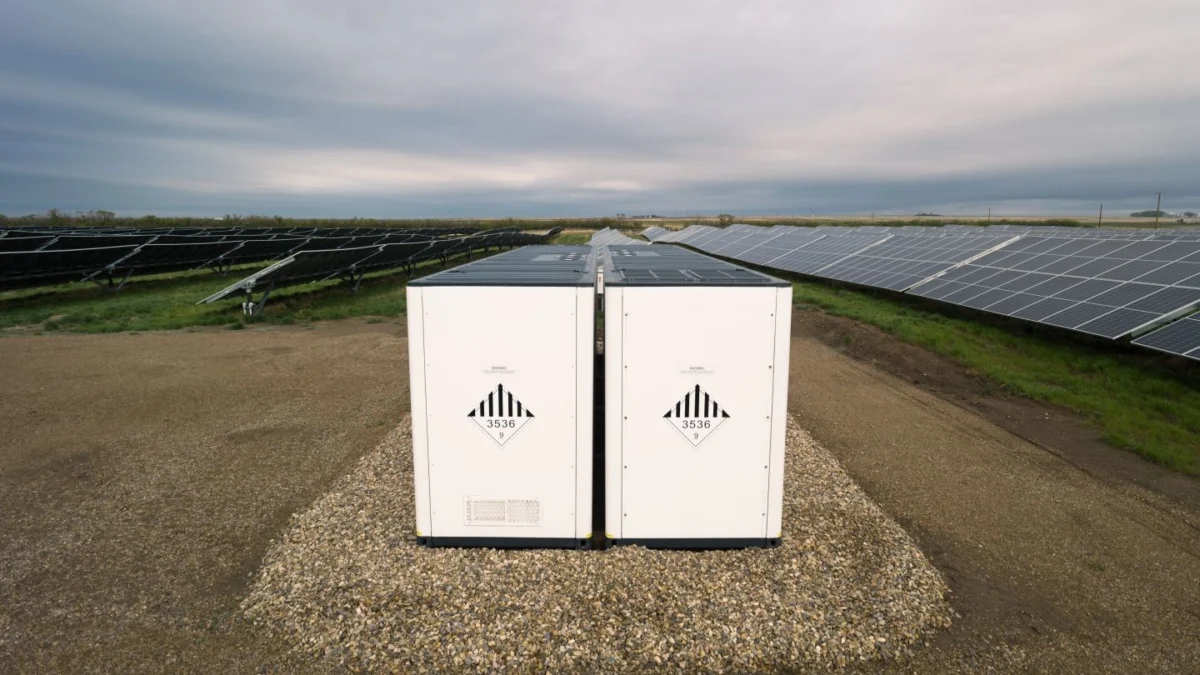
- Future Milestones: Construction for the subsequent phases is already underway. The vision for the completed hub includes a staggering 750MW of wind power, 150MW of solar generation, and 800MWh of battery energy storage.
- The Path to 2027: Full project completion is targeted for 2027. By the second quarter of that year, Goldwind’s total installed capacity in South Africa is projected to exceed 2.2GW.
Supporting Data: An Infrastructure Powerhouse
The Ummbila Emoyeni project is not merely an isolated wind farm; it is a complex, integrated energy hub. The inclusion of solar PV and battery storage in future phases is a strategic choice designed to mitigate the intermittency issues typically associated with wind power. By combining wind and solar with large-scale storage, Seriti Green is creating a "virtual baseload" system that can provide consistent power to the grid even when weather conditions are suboptimal.
Technical Specifications
The Goldwind GWH182-6.2MW turbines utilized in this project are among the most advanced in the industry. Their design allows for a lower "levelized cost of energy" (LCOE), making the electricity produced more affordable for the end-user. Furthermore, the decision to install 25 of these massive units demonstrates a commitment to scaling efficiency rather than just the number of turbines, reducing the physical footprint while maximizing output.
Employment and Socio-Economic Impact
The project’s influence extends far beyond the kilowatt-hours produced. During the construction phase, the project acted as a catalyst for local employment, providing training and technical experience to the regional workforce. With an estimated 2,000 total jobs anticipated by 2027, the project is a major contributor to South Africa’s economic revitalization, specifically in the energy-transition-impacted sectors.
Official Responses: A Partnership of Trust
The commissioning event served as a venue for high-level diplomatic and corporate discourse regarding the future of South Africa’s energy policy.
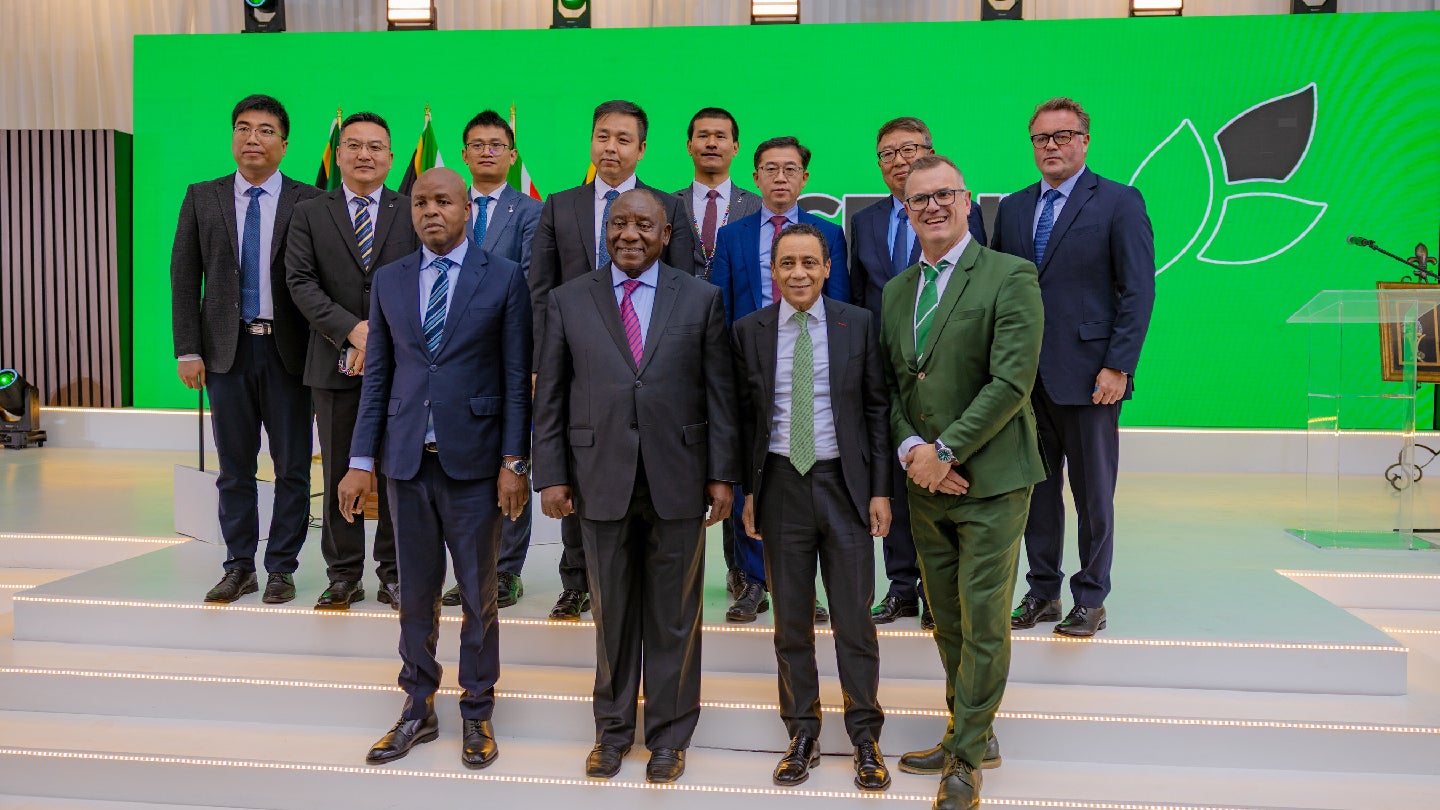
President Cyril Ramaphosa underscored the importance of the project, stating, "This is a significant step for South Africa’s Just Energy Transition and our national sustainable development plans. It is proof that when we work together with our international partners, we can deliver reliable, clean power while fostering industrial growth."
Peter Venn, CEO of Seriti Green, emphasized the strength of the collaboration, noting: "Goldwind has been our indispensable long-term partner. The success of this first phase is a reflection of the trust we have built, and we look forward to deepening our cooperation on future project phases."
This sentiment was reinforced by the signing of an agreement for the fourth phase of the complex during the ceremony, signaling long-term commitment from both parties.
Cao Zhigang, Deputy Chairman and President of Goldwind, echoed these sentiments, framing the project in a global context: "Ummbila Emoyeni is not just a wind farm; it is a strategic project that delivers reliable power, drives infrastructure investment, and advances community development. Achieving commercial operation ahead of schedule proves that our open collaboration model works."
Implications: The Future of the Just Energy Transition
The success of the Ummbila Emoyeni Wind Farm has profound implications for South Africa’s energy future.
1. Scaling the Transition
By demonstrating that 155MW can be brought online effectively, Seriti Green has provided a blueprint for other developers. The "hub" model—combining wind, solar, and storage—is increasingly viewed as the most viable path to replacing aging, emissions-heavy coal plants without sacrificing grid stability.
2. International Cooperation
The partnership between a South African developer and a Chinese technology giant highlights the global nature of the green transition. As South Africa seeks to expand its renewable footprint, the role of international technology providers like Goldwind becomes crucial in transferring technical expertise and accelerating construction timelines.
3. Economic Resilience
The energy crisis has long been cited as a primary bottleneck for South African GDP growth. By alleviating the pressure on the national grid, projects like Ummbila Emoyeni provide the reliable power necessary for manufacturing, mining, and small business operations. The creation of 2,000 jobs also addresses the urgent need for employment in the regions where these projects are situated.
4. Setting the Standard for 2027
With the full completion date set for 2027, the project is moving into a critical phase. The market will be watching closely as the solar and battery components are integrated. If successful, the Ummbila project could serve as the definitive model for large-scale, private-sector-led energy infrastructure in sub-Saharan Africa.
In conclusion, the Ummbila Emoyeni Wind Farm is more than a collection of turbines; it is a strategic asset for a nation in transition. As the project continues to expand, it promises to be a cornerstone of South Africa’s efforts to balance economic necessity with environmental responsibility, ensuring a cleaner, more prosperous future for all citizens.