Introduction: A New Rhythm on the Clark Fork
As the snowpack in the high country finally yields to the relentless heat of the Montana sun, the rhythm of the Clark Fork River has shifted. For the team at Montana River Guides, this transition marks the conclusion of an intensive spring training cycle and the official opening of the peak summer recreation season. Having successfully wrapped up a robust series of swiftwater rescue certifications, the outfit is now turning its full attention to the Alberton Gorge—a stretch of river widely regarded as the crown jewel of whitewater recreation in the Missoula region.
With water levels stabilizing into the quintessential "summer flow," the river has shed its aggressive, high-water spring personality, revealing a more approachable, family-friendly character. However, as the guides pivot from pedagogical instruction to recreational guiding, they remain steadfast in their commitment to safety, emphasizing that while the rapids may be "friendly," the river remains a dynamic and unforgiving environment that demands respect, proper equipment, and situational awareness.
The Evolution of the Alberton Gorge: Current Conditions
Hydrological Data and River Dynamics
As of the latest monitoring, the Alberton Gorge is flowing at approximately 4,000 cubic feet per second (CFS). For the seasoned river runner, this is considered the "goldilocks zone" for the Clark Fork. At this volume, the river provides enough momentum to propel rafts through the canyon with exhilarating speed, yet the reduced intensity of the hydraulics allows for a wider margin of safety for families and novice paddlers.
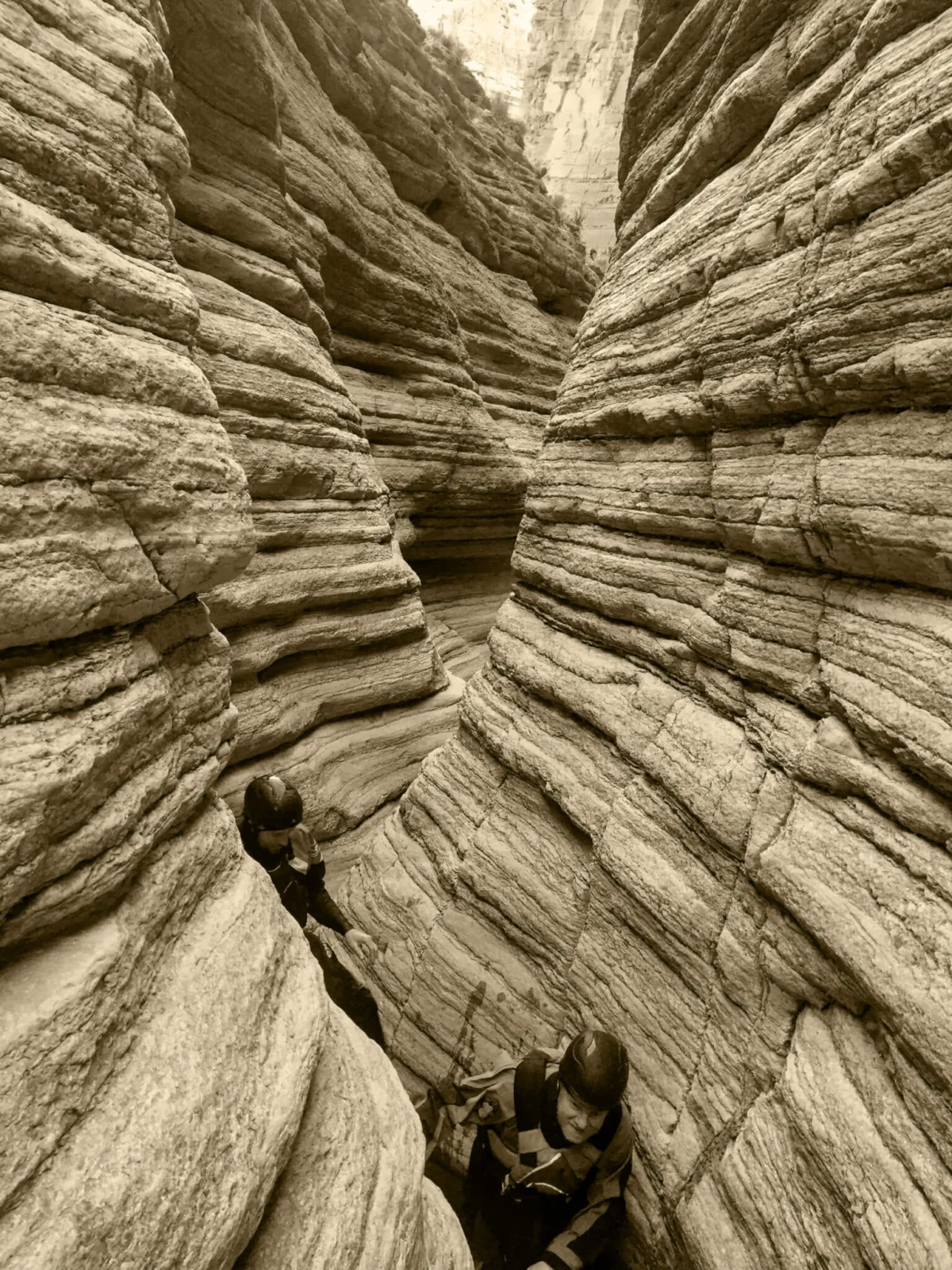
The geological character of the gorge is currently undergoing its seasonal transformation. As the water recedes, the riverbed is revealing more of its complex anatomy. In the upper gorge, new rock features are emerging, creating technical channels that require precise maneuvering. Meanwhile, iconic rapids such as "Tumbleweed" and "Fang" continue to maintain their reputations. While they are not currently the massive, intimidating features seen during the peak runoff of May and June, they remain robust enough to keep things interesting, frequently testing the balance of paddlers and occasionally providing the "swimmer" experience that makes whitewater rafting such a visceral, memorable activity.
Chronology: From Rescue Drills to Recreational Flow
Phase 1: The Training Season (Spring)
The early months of the year were dedicated to the "Swiftwater Rescue" curriculum. Montana River Guides serves as a regional hub for technical training, drawing professionals and enthusiasts who require high-level competency in emergency response. These courses cover the physics of moving water, the mechanics of rope systems, and the psychological fortitude required to manage a river rescue scenario.
Phase 2: The Transition (June)
As the runoff peak subsided, the logistical focus shifted. The gear used for intensive rescue simulations—throw bags, specialized PFDs, and technical rafts—was inspected, serviced, and transitioned for commercial use. This period is a critical operational window where the guides bridge the gap between "rescuer" and "host."
Phase 3: The Summer Peak (July – August)
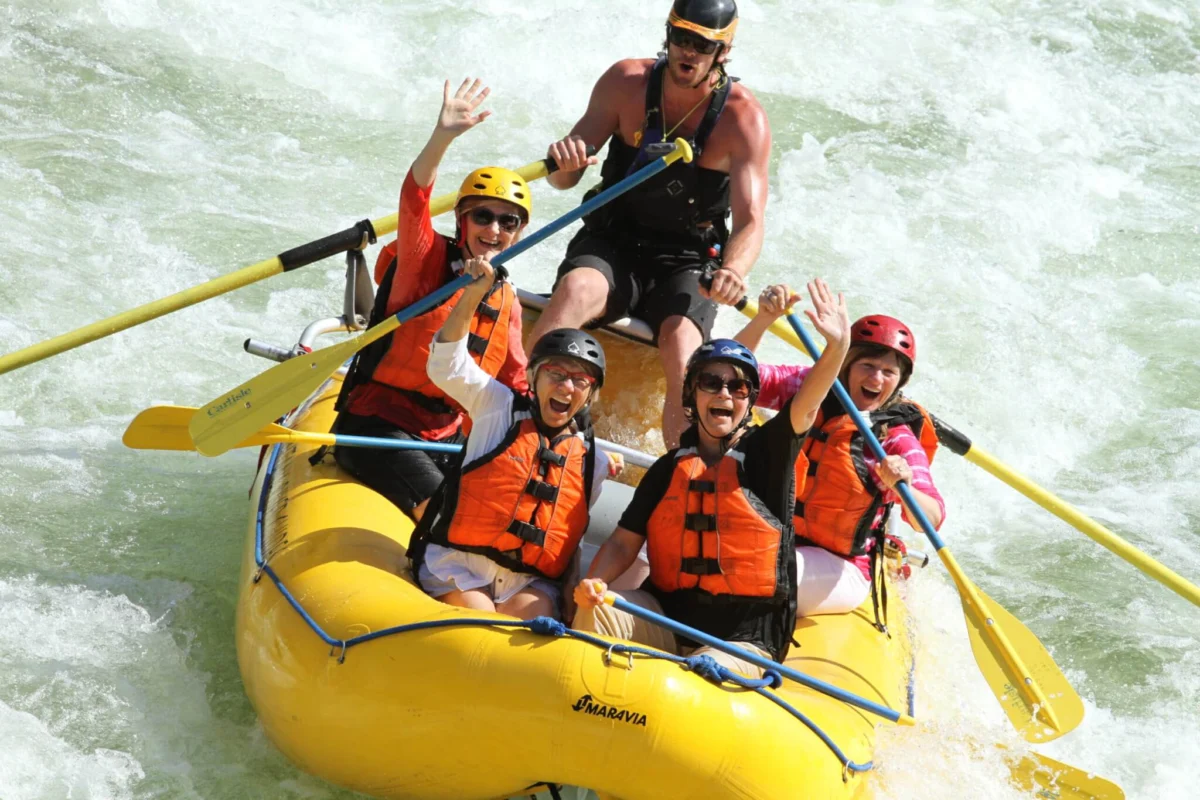
We are currently in the heart of this phase. Daily operations are now centered on commercial whitewater rafting and scenic kayaking tours. The focus is no longer on high-stakes emergency simulation, but rather on high-quality guest experiences, river education, and the stewardship of the Clark Fork River corridor.
Supporting Data: Why the Gorge Matters
The Alberton Gorge is not merely a recreational destination; it is an economic engine for the Missoula tourism sector. According to regional tourism data, whitewater rafting accounts for a significant percentage of outdoor adventure spending in Western Montana.
- Flow Rate: 4,000 CFS (Optimal for Class II-III recreation).
- Safety Rating: The gorge provides a "Class III" experience that is accessible to youth and seniors alike when managed by professional guides.
- Ecological Footprint: By utilizing professional outfitters, the public footprint on the river is concentrated, managed, and monitored, ensuring that the riparian zones of the Clark Fork are protected from excessive or improper use.
The importance of this corridor cannot be overstated. It provides a unique intersection of geological history, biological diversity, and human recreation. The emerging rocks in the upper gorge serve as a constant reminder of the river’s power to shape the landscape, a lesson that guides impart to every passenger who steps into a raft.
Official Perspective: Safety and Stewardship
The team at Montana River Guides is vocal about the "culture of safety" that permeates their operations. In a recent internal brief, senior instructors emphasized that the primary responsibility of a guide is the management of risk in an uncontrolled environment.
"We know you are all wearing the right gear and keeping an eye on each other," the collective leadership noted in a statement to the local community. This philosophy extends beyond the professional staff to the public. They encourage all private boaters to adhere to the same standards: wearing properly fitted Personal Flotation Devices (PFDs), carrying throw bags, and maintaining a clear line of sight on group members.
The outfit’s dedication to the community is further evidenced by their upcoming "Swiftwater Spill Response" classes. Recognizing that the Clark Fork is not just a recreational resource but an industrial artery, Montana River Guides has pioneered specialized training for environmental professionals. These courses focus on the deployment of containment booms and spill-response equipment in high-flow, swiftwater environments—a critical skill set for environmental protection agencies operating in the Pacific Northwest.
Implications: The Future of River Management
The Intersection of Recreation and Environmental Protection
The upcoming spill response training highlights a growing trend in the outdoor industry: the professionalization of the "river person." As the region grows, the pressure on the Clark Fork increases. By teaching professionals how to manage chemical or industrial spills in a riverine environment, Montana River Guides is positioning itself as a vital stakeholder in the long-term ecological health of the waterway.
The Economic Impact of Guided Tourism
As summer progresses, the demand for guided trips is expected to peak. For the local economy, this means a consistent influx of visitors who are looking for more than just a thrill; they are seeking an educational experience. Professional guides act as ambassadors for the river, educating guests on the local history, the geology of the gorge, and the importance of conservation.
Preparing for the Late Summer Challenges
As the season moves into late August, water levels will inevitably continue to drop. This will change the character of the river once more, shifting from a "volume-based" challenge to a "technical-maneuver" challenge. The guides are already preparing for this shift, adjusting their training protocols to ensure that even at lower flows, the standard of safety and excitement remains high.
Conclusion: Join the Adventure
The Clark Fork River remains one of the most accessible and exciting whitewater destinations in the American West. Whether you are an adrenaline seeker looking to navigate the technical chutes of the upper gorge or a family hoping for a scenic float through the heart of Montana, the current conditions offer the perfect backdrop.
For those interested in professional training, the late-summer Swiftwater Spill Response courses provide a rare opportunity to learn from the best in the field. For those simply looking to enjoy the water, the professional staff at Montana River Guides stands ready to lead the way.
As the sun sets over the Alberton Gorge, casting long shadows across the canyon walls, it is clear that the river is alive with potential. It is a place of challenge, a place of learning, and ultimately, a place of profound connection to the natural world. Whether through the lens of a rescue drill or the splash of an oar in the morning sun, the message remains the same: Respect the river, stay prepared, and enjoy the ride.
For more information on guided trips or professional training, visit the official Montana River Guides portal and join the community of paddlers dedicated to the stewardship and enjoyment of the Clark Fork River.