By Samuli Haapasalo | Originally published in "A Year in Nature"
For many bird species nesting in open terrain, the survival of eggs and hatchlings is a constant race against predation. Among the most intriguing strategies observed in the avian world is that of the Common Gull (Larus canus). Often overlooked in favor of their larger, more aggressive cousins, the Common Gull has developed a sophisticated, multi-layered approach to protecting its offspring. Through a combination of communal defense, site selection, and covert feeding behaviors, these birds have managed to thrive in environments where vulnerability is the baseline.
Main Facts: The Vulnerability of the Open Nester
Common Gulls typically nest in loose colonies, maintaining a respectable distance from one another. While they are not as densely packed as some seabirds, they favor locations that offer a balance between accessibility and security—often rocky islets, lakeshores, or, in some instances, coastal gravel banks.
Their survival strategy is anchored in two primary pillars: vocal vigilance and physical agility. When a predator approaches, the colony erupts in a cacophony of alarm calls. As skilled flyers, the adults launch coordinated aerial strikes against the intruder. This is not merely a display; the persistent, diving, and pecking nature of the parents makes the theft of eggs a harrowing, often impossible task for many opportunistic predators.
However, the threat landscape is diverse. While nesting on water-surrounded rocks provides a buffer against terrestrial mammals, it offers little defense against the invasive American mink (Neovison vison), which is an adept swimmer. In some surprising instances, Common Gulls have been observed nesting in trees, utilizing high-reaching, sturdy branch forks to place their nests well beyond the reach of ground-based predators.
Chronology: A Season of High-Stakes Parenting
The life cycle of the Common Gull during the breeding season is a testament to calculated timing. Observations made throughout the summer of 2026, particularly in the vicinity of the Ekkerøy bird cliffs in the Varanger Fjord, reveal a highly refined rhythm to their child-rearing.
The Incubation Phase
During the early season, the primary objective is concealment. By nesting on isolated rocks or in tall vegetation, the gulls minimize the profile of the nest. The parents maintain a constant, watchful presence, ensuring that the clutch is never left unattended for long.
The Hiding Phase
Once the chicks hatch, the strategy shifts. The parents become masters of stealth. The chicks, naturally camouflaged to blend into the surrounding gravel and grasses, remain remarkably silent and motionless. They spend their time huddled in crevices or under the protective cover of low-lying brush.
The Strategic Feeding Ritual
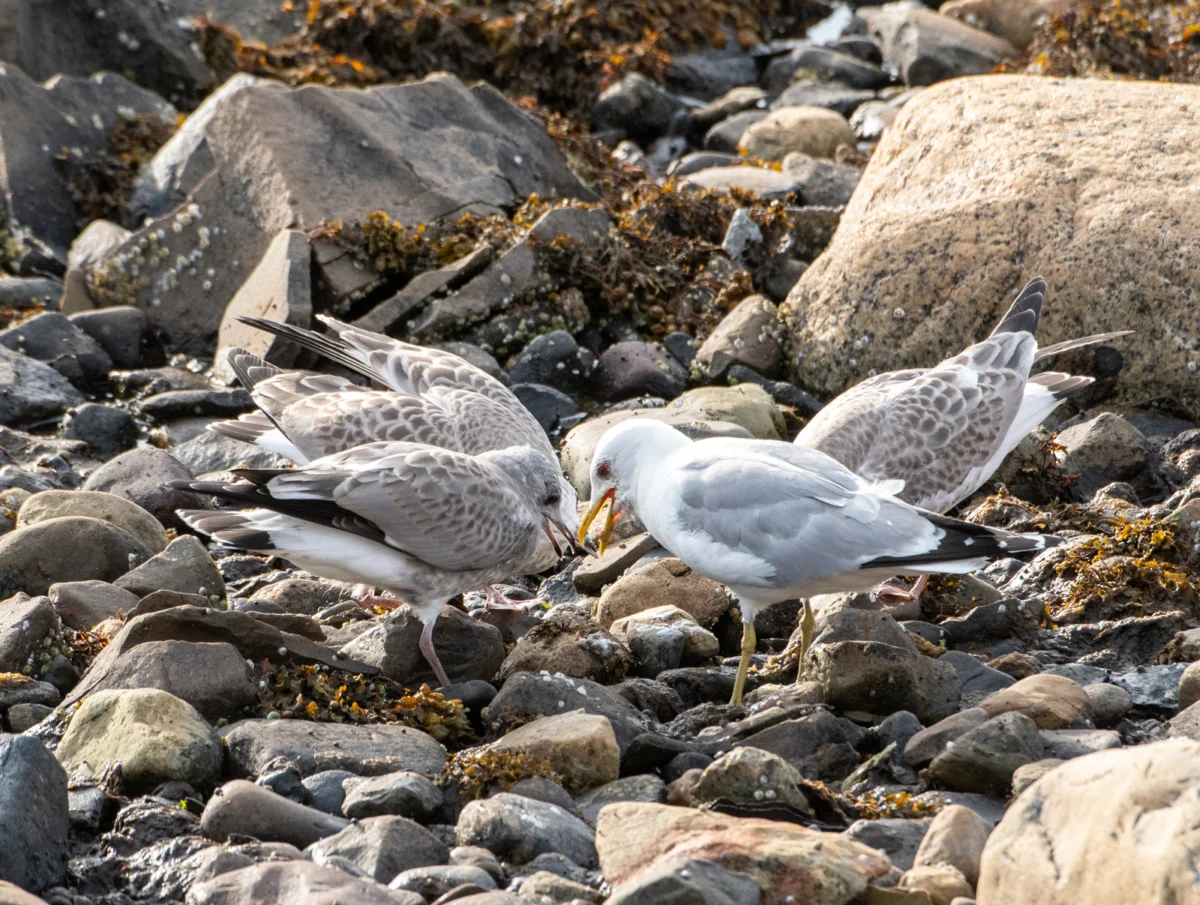
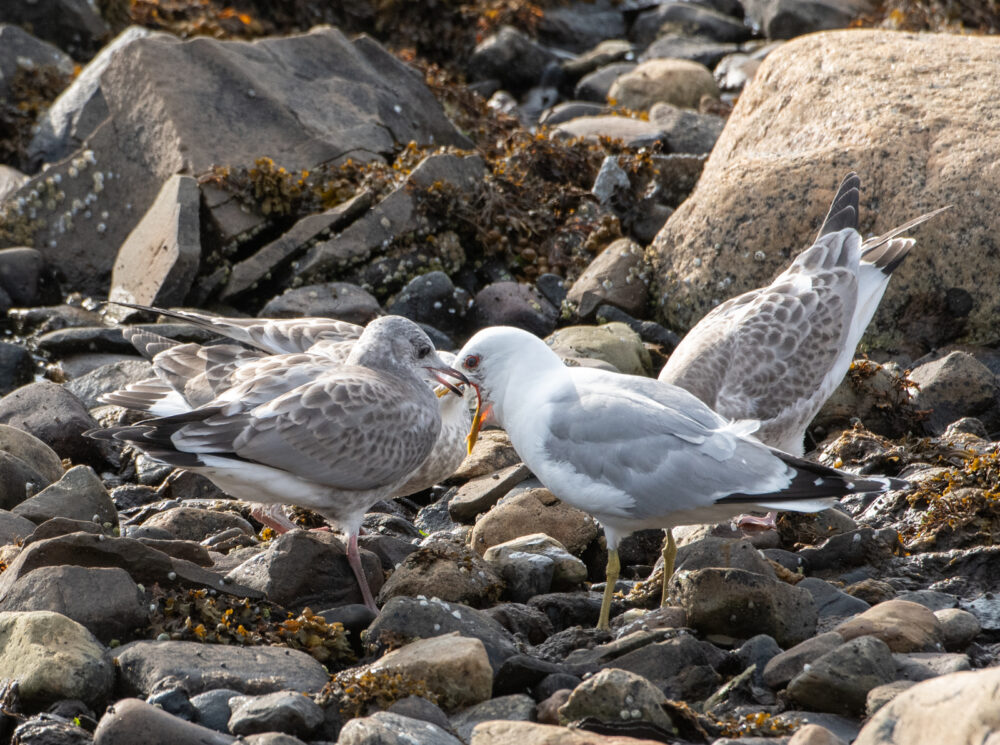
Perhaps the most impressive behavior is the "covert delivery." As the chicks grow and approach fledging, the parents must provide significant amounts of food. However, bringing food into the open invites unwanted attention from other predators or kleptoparasites.
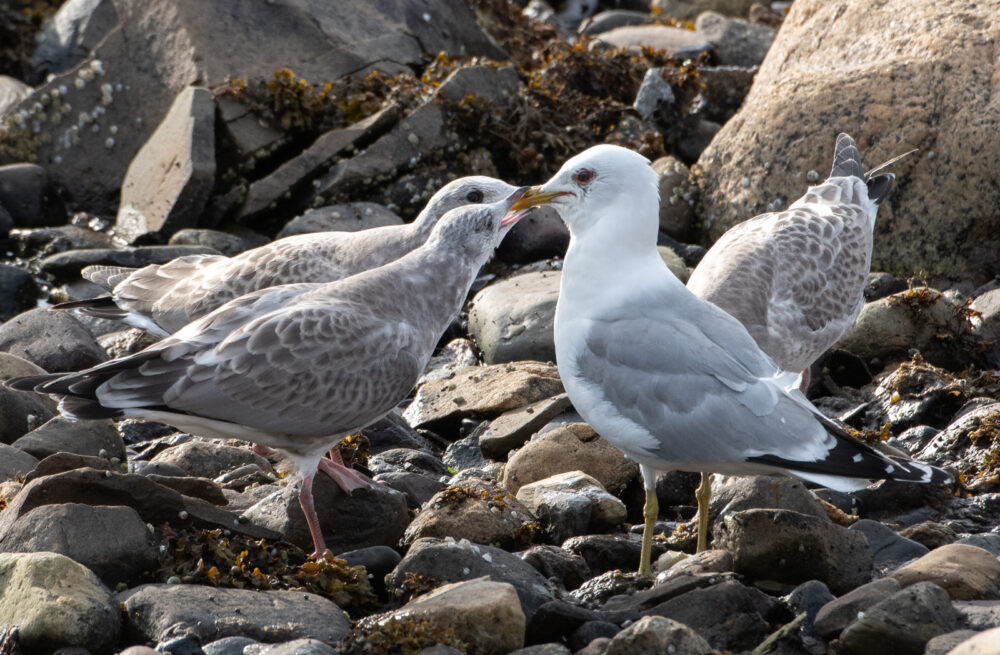
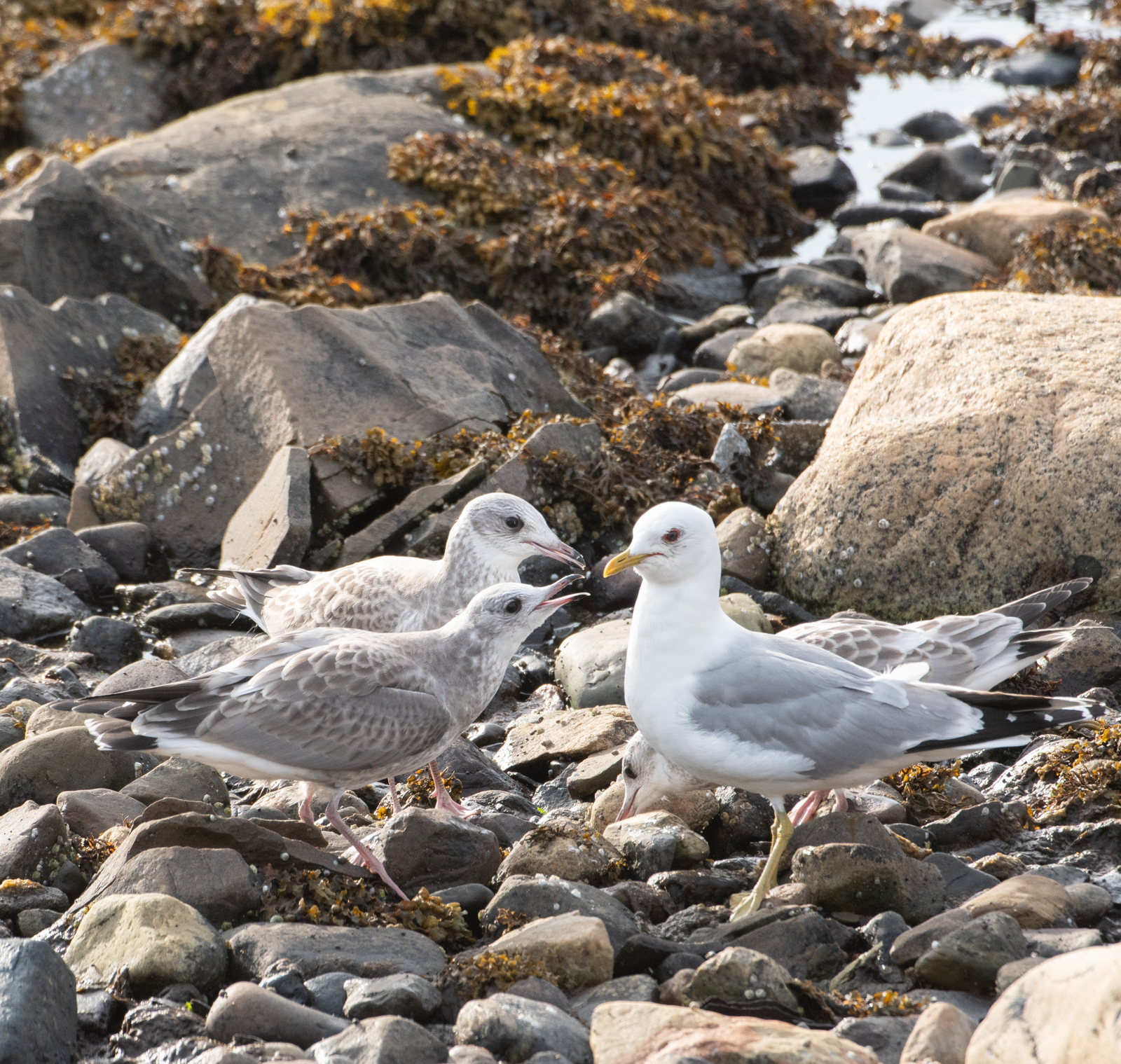
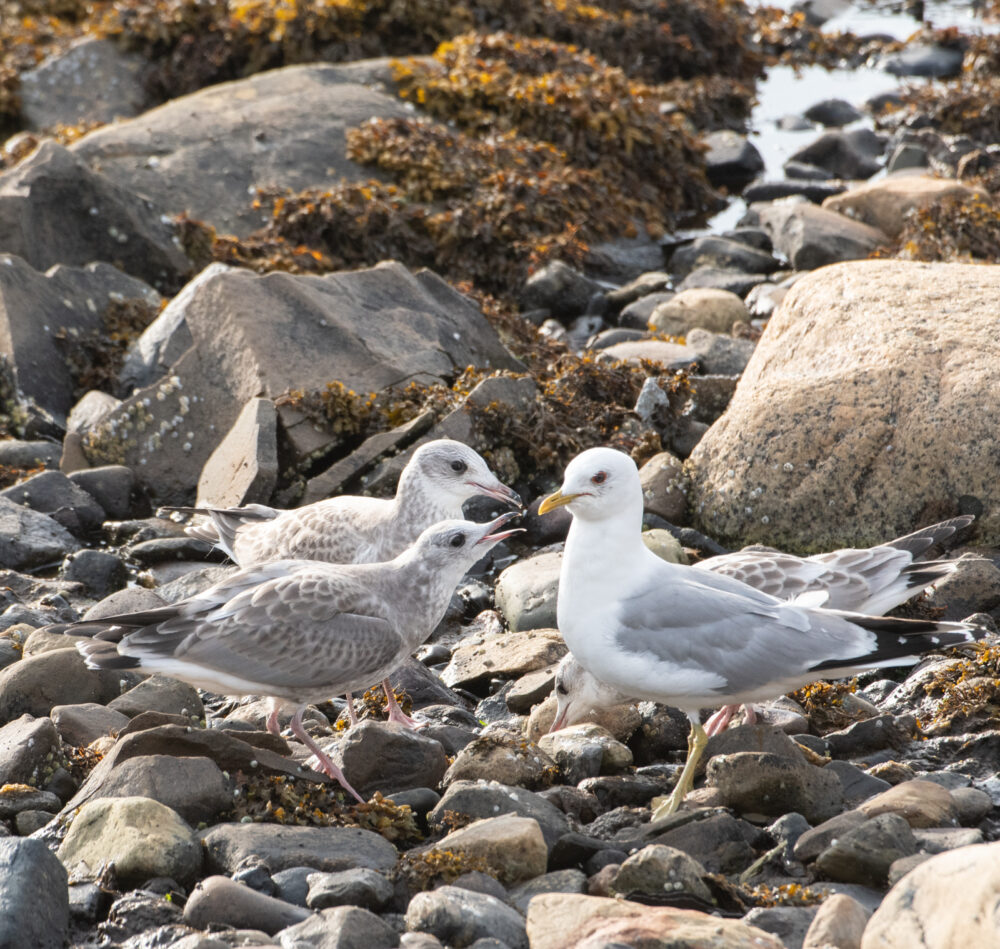
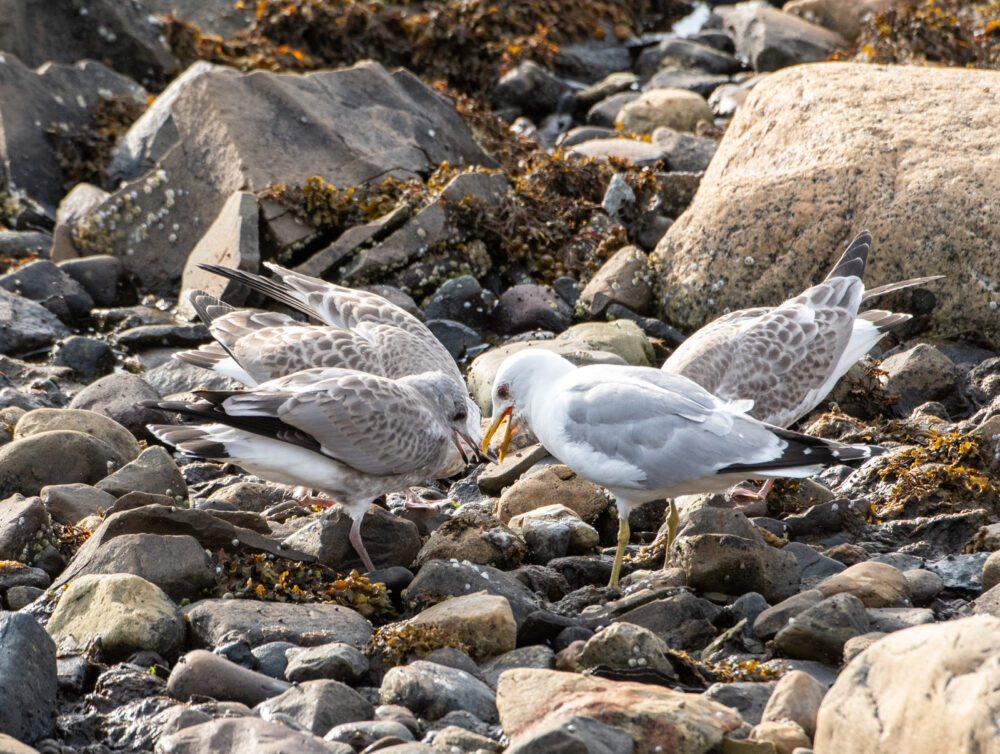
When an adult returns with a catch, it does not land immediately by the chicks. It lingers in the vicinity, appearing to do nothing of consequence. Only when the coast is clear and the parent is confident that the chicks’ location remains undisclosed does it descend. The chicks, previously invisible in their hiding spots, suddenly spring into action. The adult delivers a quick portion of food directly from its bill, followed by the regurgitation of a larger bolus of food onto the ground. The chicks consume this in seconds, and the parent immediately retreats, leaving the area silent and the brood once again hidden.
Supporting Data: Habitat Selection and the "Human Shield"
Recent field observations at the Ekkerøy museum harbor highlight a fascinating phenomenon: the "human shield" effect. In this location, Common Gulls have chosen to nest in an area frequently traversed by villagers and bird enthusiasts.
While it might seem counterintuitive for a bird to choose a high-traffic area, the data suggests it is a calculated risk. Larger, more predatory species like the Great Black-backed Gull (Larus marinus) and the Herring Gull (Larus argentatus) are often deterred by the constant presence of humans. By situating their nests near human infrastructure, the Common Gulls gain a degree of safety from their larger, more aggressive relatives.
Predator Pressure Analysis
- Terrestrial Threats: Mink and foxes remain the primary terrestrial dangers. Nesting on isolated rocks remains the most effective deterrent, though it is not absolute.
- Aerial Threats: Great Black-backed and Herring Gulls pose a constant threat to chicks. The "human shield" strategy reduces the frequency of these visits significantly compared to more remote, unpopulated rocky outcrops.
- Fledging Success: In locations where human activity is present but respectful, observations showed a higher percentage of chicks reaching maturity compared to undisturbed but predator-heavy islands.
Official Responses and Ecological Context
Ornithological experts note that the Common Gull’s behavioral plasticity—the ability to shift between ground-nesting, cliff-nesting, and even tree-nesting—is a key factor in their resilience. While populations face pressures from invasive species and shifts in climate, the species demonstrates a high degree of "site fidelity." They return to the same successful nesting locations year after year, refining their defense strategies based on local environmental variables.
There is, however, an ongoing discussion regarding the impact of larger gull species. As the population of Great Black-backed Gulls fluctuates, the Common Gulls are forced into increasingly tight margins. The "cramping" of their habitat—where they are forced closer together to avoid the outskirts of their territory—can lead to increased competition and stress, even if it does provide some communal protection against smaller threats.
Implications: The Future of Urban-Adjacent Nesting
The observed success of the Ekkerøy colony suggests that the relationship between humans and birds is evolving in unexpected ways. As natural, undisturbed habitats become scarcer or more heavily colonized by apex predators, the "human-adjacent" niche is becoming a viable, and perhaps even preferred, strategy for smaller, vulnerable birds.
What This Means for Conservation
- Reframing Disturbance: We must distinguish between harmful human interference and the "protective presence" that shields smaller birds from larger predators.
- Infrastructure Planning: Local authorities in coastal areas should be aware that human-frequented areas (like harbor walkways) can act as accidental wildlife sanctuaries. Minor adjustments to human activity during the peak nesting months (June–July) could significantly boost survival rates without requiring full closure of these areas.
- Monitoring Invasive Species: The impact of the American mink continues to be the most volatile variable. Regardless of where the birds nest, effective management of invasive predators remains the single most important factor in protecting the next generation of Common Gulls.
In conclusion, the Common Gull’s ability to adapt its feeding habits, choose its neighbors, and leverage human presence to its advantage illustrates the complex intelligence behind "simple" bird behavior. As we look toward the future of our coastal ecosystems, it is clear that the resilience of the Common Gull lies not just in its wings, but in its remarkable ability to navigate a dangerous world through caution, cooperation, and clever opportunism.