Introduction: The Frameless Conundrum
The ultralight backpacking world is currently captivated by a singular, persistent question: Can a frameless pack ever truly rival the load-transfer capabilities of a structured suspension system? Enter the Durston Wapta 30. Positioned as a "refined" anomaly in the sub-one-pound category, the Wapta 30 arrives with bold claims. Constructed from the cutting-edge Aluula Graflyte fabric and featuring a sophisticated layout of padded hip belts, dedicated back panels, and multi-pocket ergonomics, it promises a level of comfort that challenges the conventions of the frameless genre.
However, beneath the polished marketing copy and the aesthetic appeal of its technical textiles lies a critical tension. Is the Wapta 30 a breakthrough in load-transfer mechanics, or is it merely an exercise in ergonomic comfort? This review dissects the pack’s performance against a rigorous set of industry standards, separating the reality of "stability" from the mechanics of "suspension."
Main Facts: The Wapta 30 at a Glance
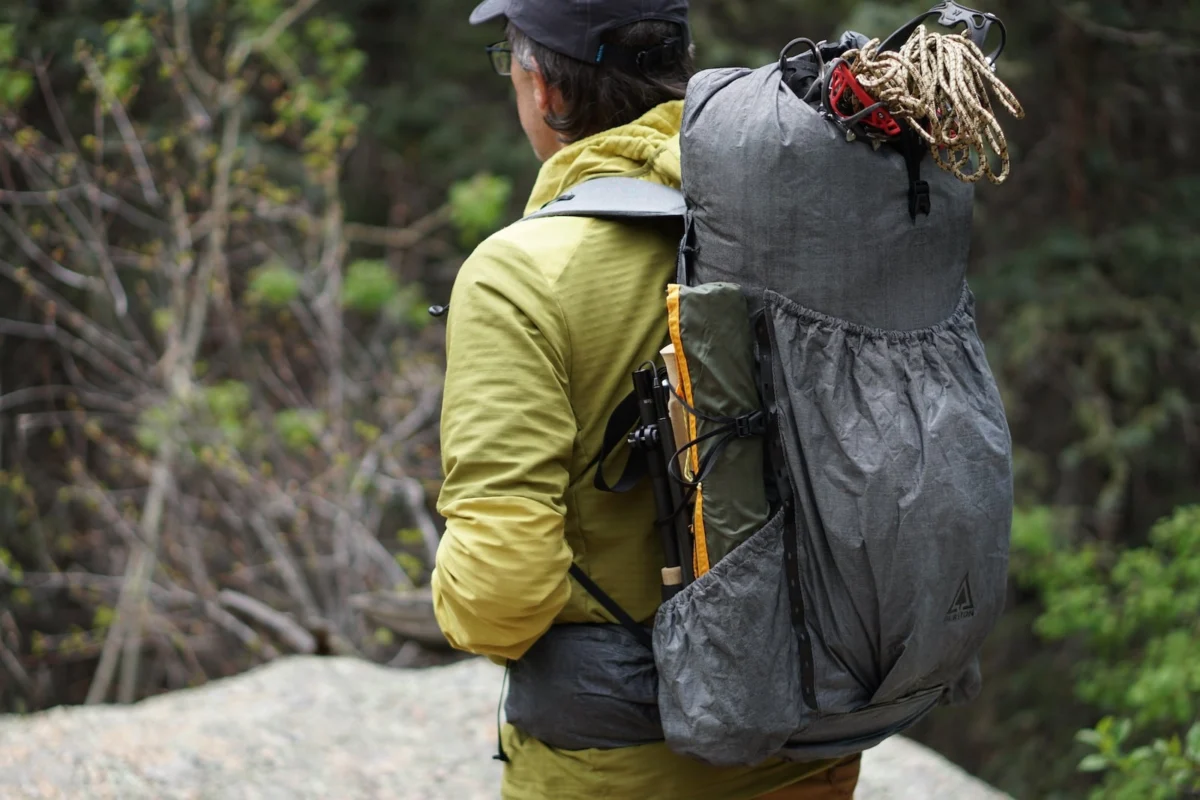
At approximately 14 ounces, the Durston Wapta 30 occupies a rare intersection of ultralight weight and "premium" feature sets. Unlike many of its peers, which strip away components to shave grams, the Wapta includes a padded, removable hip belt, dual integrated shoulder pockets, and a ventilated back panel.
Its primary structural philosophy is "frameless-by-design." It relies on the inherent stiffness of the Aluula Graflyte fabric, supplemented by a clever arrangement of vertical foam pads that facilitate a center ventilation channel. While the industry standard for this volume is often 20–25 pounds, the Wapta is marketed with a capacity of 25 pounds, placing it squarely in the "weekend warrior" category for three-season mountain excursions.
Chronology: The Evolution of "Refined" Ultralight
To understand the Wapta 30, one must look at the trajectory of Dan Durston’s design philosophy. Durston has long been a proponent of "user-centric" design, where the pack is viewed as a mobile ecosystem rather than a simple sack.
- Initial Concept: The Wapta was born from the need to bridge the gap between "fastpacking" vests—which prioritize bounce-free stability—and traditional long-distance backpacking packs that prioritize weight distribution to the hips.
- Material Selection: The decision to utilize Aluula Graflyte was a pivotal moment in the development cycle. As noted in my previous analysis, Advances in Materials and Manufacturing in Ultralight Backpacks, Aluula provides a strength-to-weight ratio that allows for more complex, multi-panel constructions without the weight penalties of traditional laminates.
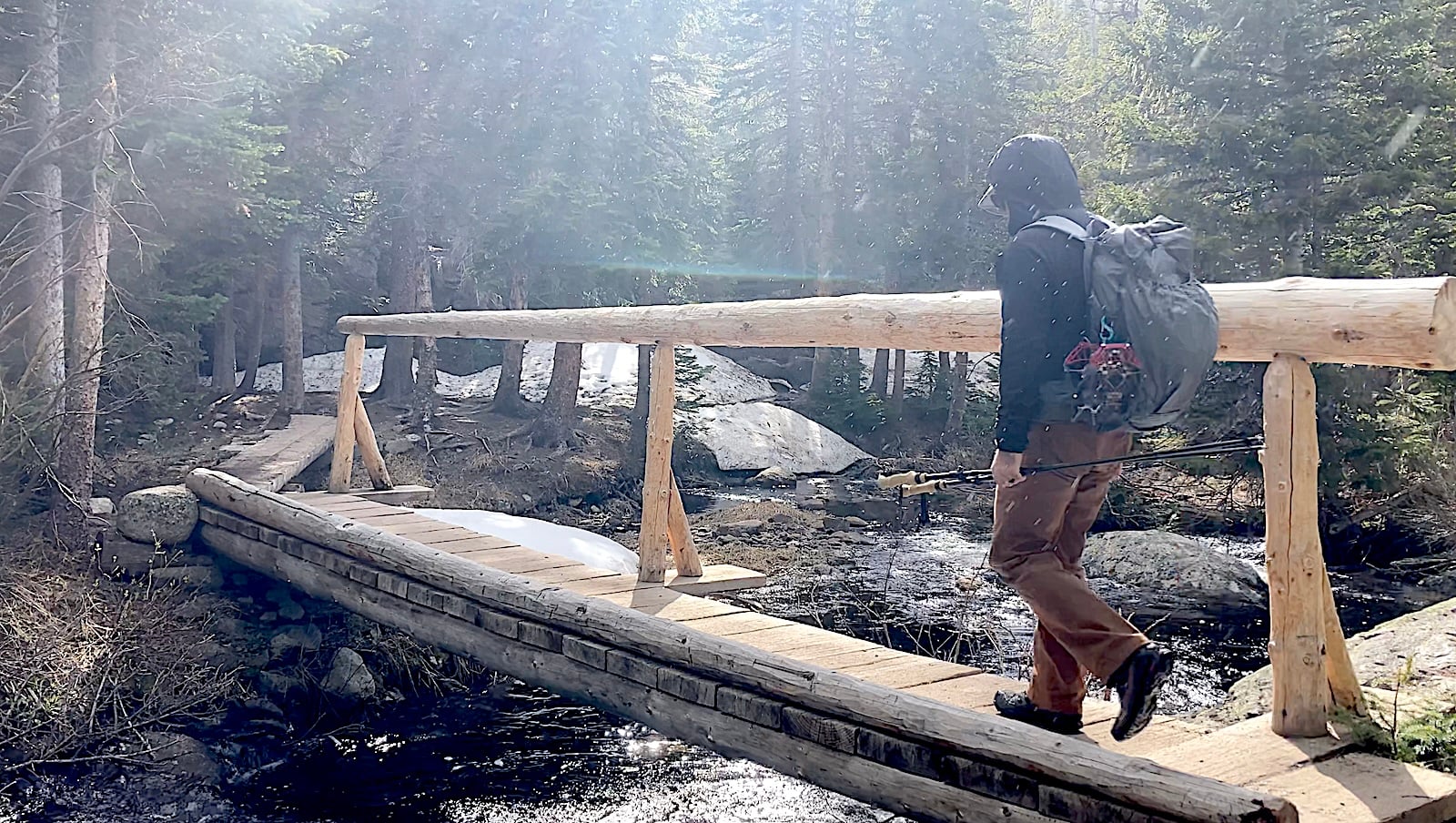
- Field Testing Phase: Over the last three seasons, the Wapta underwent extensive testing across high-alpine terrain. The testing protocol involved variable loads (22–29 lbs), including 3-season insulation, solo tents, and technical scrambling equipment. This testing window served to isolate where the pack excels—stability—and where it falters—true mechanical load transfer.
Supporting Data: The Comparative Landscape
The true test of the Wapta 30 lies in how it stacks up against the diverse field of sub-40L packs. Our comparative analysis reveals that the industry is divided into three distinct schools of thought:
1. The Framed Structuralists (e.g., Gossamer Gear Mirage 40)
These packs utilize carbon fiber or aluminum stays to create a rigid load path. They are the gold standard for transferring weight from the shoulders to the iliac crest. The Wapta 30, by contrast, lacks this mechanical bridge.
2. The Vest-Style Stabilizers (e.g., Nashville Cutaway, Hyperlite Aero 28)
These prioritize torso-coupling. They don’t aim to move weight to the hips; they aim to move with the body, reducing "slop" and bounce. The Wapta borrows the pocket placement of these packs but maintains a more traditional harness geometry.
3. The Minimalist Baseline (e.g., Gossamer Gear Murmur 36, Pa’lante V2)
These represent the "honest" frameless experience. They are mechanically transparent. The Wapta 30 sits in a complex middle ground, attempting to offer the sensation of a structured pack through high-end padding and ergonomic shaping, even when the structural reality remains frameless.
| Pack | Structure | Load Transfer | Primary Benefit |
|---|---|---|---|
| Durston Wapta 30 | Frameless | Moderate/Stabilizing | Ergonomic Comfort |
| Gossamer Gear Mirage | Carbon X-Frame | High | True Load Transfer |
| Nashville Cutaway | Vest-Style | Low | Dynamic Stability |
Official Responses and Engineering Realities
In discussions with designers regarding the Wapta’s performance, the consensus remains that "comfort" is a subjective metric, while "load transfer" is an objective mechanical one.
Durston’s design team emphasizes that the Wapta is not intended to compete with heavy-duty internal frame packs. Instead, the "refinement" mentioned in their marketing refers to the reduction of friction points. By using S-shaped padded straps and a dedicated lumbar zone, they have effectively mitigated the "pinching" that occurs with thinner, less-contoured ultralight straps.
However, my tests confirm a critical distinction: Improved shoulder strap comfort does not equal load transfer. When carrying 29 pounds, the lack of a stiffened stay meant that regardless of how tight the hip belt was cinched, the weight eventually gravitated toward the shoulders as the packbag deformed under the load.
Implications: The Future of the "Frameless" Category
The Wapta 30 forces the consumer to ask: What do I actually need?
If your goal is to carry 25 pounds over technical, rugged terrain where you need to scramble, the Wapta’s stability and pocket accessibility are unmatched. It feels like an extension of your torso. However, if your primary metric is "how much weight can I take off my shoulders," the Wapta remains a frameless pack. It is not a miracle worker.
Key Takeaways for the Consumer:
- The Stability vs. Suspension Divide: Distinguish between a pack that doesn’t bounce (stability) and a pack that puts weight on your hips (suspension). The Wapta is a master of the former.
- The Aluula Factor: The use of Aluula Graflyte is not just a marketing gimmick; it provides a structural integrity that prevents the "baggy" feel of older, thin-nylon frameless packs. It holds its shape, which helps in organization and load management.
- The "Sweet Spot": The Wapta performs optimally at the 18–22 pound range. Pushing it toward 30 pounds tests the limits of any frameless design, regardless of how well-padded the straps are.
Conclusion
The Durston Wapta 30 is a triumph of ergonomic engineering within the constraints of a frameless architecture. It does not reinvent the physics of load transfer, but it elevates the user experience of the frameless category to a new height of comfort and accessibility. For the hiker who values a tight, secure, and highly organized carry for moderate-weight kits, the Wapta is currently in a class of its own. It is not, however, a substitute for a structured suspension system for those who require true, frame-mediated weight distribution.
As we continue to see advancements in materials like Aluula, the line between "frameless" and "framed" will continue to blur. The Wapta 30 is the most successful attempt yet at making that line almost invisible—even if the underlying physics remain unchanged.