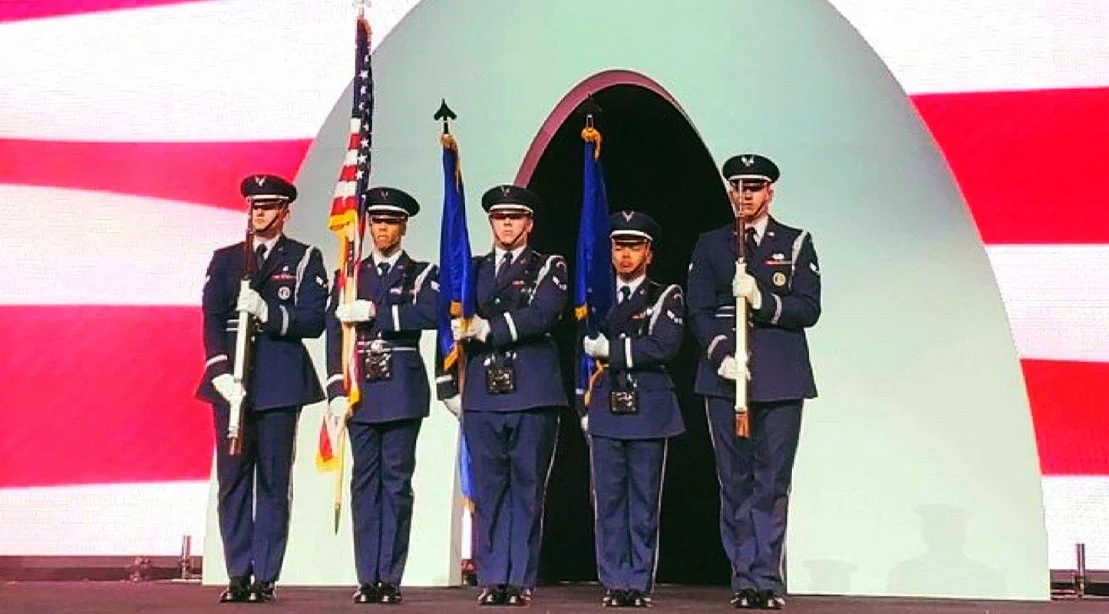
The strength of the United States Armed Forces is often measured in tactical capability, hardware, and strategic dominance. However, behind every service member stands a vast, often unseen infrastructure of support. These are the wellness professionals, nutritionists, and health educators who ensure that those who defend the nation are not only combat-ready but are also equipped to recover—both physically and mentally—from the immense rigors of service.
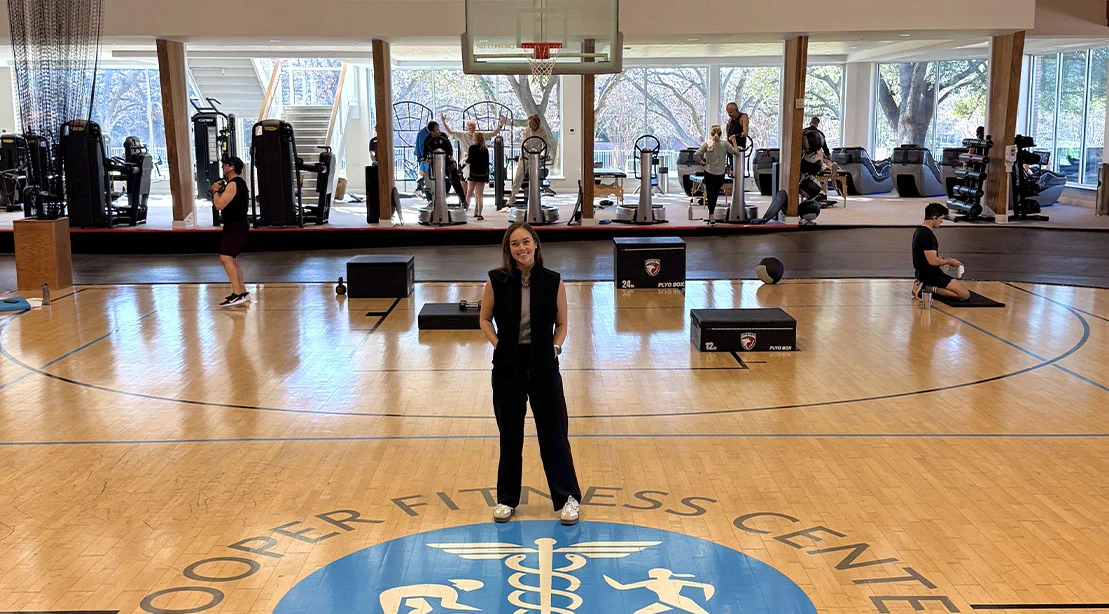
Among these professionals is Ashlee Henson, a dedicated health advocate whose career trajectory mirrors the evolving landscape of preventative medicine. Having served as a Director and Senior Health Educator at the Armed Forces Wellness Center (AFWC) at Fort Bragg, North Carolina, and now leading wellness programming at the prestigious Cooper Aerobics in Dallas, Texas, Henson has spent her life refining the intersection of community, science, and physical longevity.
The Pillars of Prevention: The Role of the AFWC
To understand the significance of Henson’s work, one must first understand the mission of the Armed Forces Wellness Centers. These specialized facilities represent a departure from traditional, reactive healthcare. Instead of treating injuries or illnesses after they occur, the AFWC focuses on "primary prevention."
By utilizing evidence-based programming, these centers offer a comprehensive suite of services, including metabolic testing, stress management, sleep education, and nutritional counseling. For a service member, the stakes are high; their livelihood depends on maintaining a peak physical and mental baseline.
For Henson, her time at Fort Bragg was more than a professional assignment—it was a profound education in the resilience of the human spirit. "It was the most wonderful, eye-opening environment I had ever been exposed to," Henson reflects. "I am so grateful for it. I felt closer to the inner workings of our country, hearing and learning about the experiences these individuals had."
Chronology: A Path Forged in Motion
Henson’s commitment to wellness did not begin in a laboratory; it began on the field. Growing up in a small town outside of Charleston, South Carolina, she was a fixture in youth gymnastics and soccer. However, it was the repetitive, rhythmic nature of soccer training that ignited her true passion.
"Funny enough, I realized that in soccer, my favorite part was the conditioning—the running," she recalls. This self-discovery led her to pursue 5K races, where her natural aptitude for distance running quickly made her a local standout. Her high school cross-country coach recognized her potential, and her subsequent integration into the team provided her with her first taste of the power of a supportive community.
Academic Foundation and Professional Ascent
Transitioning from athlete to expert, Henson pursued advanced studies in public health. During graduate school, she sought a way to bridge the gap between academic theory and practical application. She became a certified personal trainer, finding deep satisfaction in guiding others toward their personal bests.
"That was the coolest aspect of it for me," Henson says of those early training sessions. "Seeing that lightbulb moment when someone learns how to move better or feel stronger—that is what kept me going."
Following her graduate studies, she entered the AFWC system. The role required more than just health literacy; it required empathy. As she worked with veterans and active-duty personnel, she encountered a unique culture of mutual gratitude. She provided them with the tools to optimize their health, and in return, they shared lessons on sacrifice and endurance that she carries with her to this day.
The Pivot: From Government Service to Private Excellence
Career paths are rarely linear, and Henson’s journey took an unexpected turn when a government hiring freeze stalled her next planned role. Simultaneously, her fiancé received a career-defining promotion in Dallas, Texas. The move to the Lone Star State forced a reset, but it also opened the door to one of the most iconic institutions in the health and fitness industry: Cooper Aerobics.
Founded by Dr. Kenneth H. Cooper—widely recognized as "The Father of Aerobics"—the organization is a global leader in preventative medicine. Upon discovering an opening at the facility, Henson realized the alignment was perfect. "After a little bit of research, it clicks," she says. "This is Cooper Aerobics, like Dr. Cooper."
Supporting Data: The Science of Longevity
The transition to Cooper Aerobics in early 2026 as the Wellness Program Director placed Henson at the epicenter of a movement that transformed the world’s approach to exercise. Dr. Cooper’s research, which famously linked cardiorespiratory fitness to reduced mortality rates, remains the bedrock of the facility’s philosophy.
At Cooper, the focus is on "The Cooperized" approach—a holistic method that integrates clinical data with lifestyle modification. The facility operates on the principle that if you can measure it, you can improve it. For members and patients, this means access to world-class diagnostics that dictate personalized exercise regimens.
The Integration of Physical and Mental Health
Modern research continues to support the approach that Henson has championed throughout her career. According to the U.S. Department of Health and Human Services, physical activity is essential for managing the chronic diseases that cost the American healthcare system billions annually. However, the "wellness" component—incorporating mental health, sleep hygiene, and social connection—is what distinguishes high-performing individuals from the general population.
Henson’s work at both the AFWC and Cooper Aerobics relies on these data-driven outcomes. By emphasizing that health is a lifelong pursuit rather than a short-term goal, she helps individuals navigate the complexities of their own physiology.
Official Responses and Philosophical Alignment
The leadership at Cooper Aerobics has long prioritized individuals who not only possess technical expertise but also embody the lifestyle they promote. Henson is a practitioner of the same discipline she imparts to her clients.
"I lift when I can, I run when I can, and I just make sure to treat my body with respect and stay active," Henson notes. This "walk the talk" mentality is a core tenet of the Cooper culture. When clients see a director who is physically engaged and mentally sharp, it builds a level of trust that is difficult to manufacture.
The mission of Cooper Aerobics has always been to extend the quality and quantity of human life. By bringing someone with Henson’s background in military and public health into the fold, the organization continues to bridge the gap between clinical excellence and accessible wellness for the general public.
Implications: The Vitality of Community
The common thread throughout Henson’s life—from her high school cross-country team to the ranks of the U.S. military and finally the halls of Cooper Aerobics—is the essential role of community.
Why Community Matters
- Accountability: Individuals are significantly more likely to adhere to a health regimen when they are part of a group with shared goals.
- Resource Sharing: Communities allow for the rapid dissemination of evidence-based practices, ensuring that everyone benefits from the latest in health science.
- Psychological Resilience: As Henson observed during her time at Fort Bragg, the support of peers is a primary defense against the stresses of high-performance environments.
"You really do need a community in order to thrive," Henson asserts. Her transition from supporting the nation’s heroes to empowering the general public reflects a broader shift in our societal approach to health. We are moving away from isolationist, "gym-only" fitness and toward a model where our environment, our social connections, and our physical activity are inextricably linked.
Looking Forward
As Ashlee Henson settles into her role as the Wellness Program Director at Cooper Aerobics, her eyes are set on the future. She views her current position as a rare opportunity to sit under the "learning tree" of an institution that has literally changed the history of medicine.
For those looking to improve their quality of life, the lesson from Henson’s career is clear: health is not a destination, but a collaborative journey. Whether you are a soldier on the front lines or a civilian looking to reclaim your vitality, the tools for success are available—provided you are willing to engage with the right community.
As she continues to evolve her practice, Henson remains a beacon of what is possible when passion meets purpose. Her story serves as a reminder that the most effective health strategies are those that empower the individual while strengthening the collective.
To learn more about the methodologies and programs offered by Cooper Aerobics, visit their official website at cooperaerobics.com. This article was produced in collaboration with M&F Senior Military Editor Rob Wilkins as part of our ongoing "Fit to Serve" series.