For the modern outdoor enthusiast, the evolution of camp kitchen gear has long felt like a choice between two extremes. On one end of the spectrum, you have the ultralight, single-burner canister stoves—the "Pocket Rockets" and "Jetboils" of the world—that excel at boiling water for freeze-dried meals but falter when faced with anything requiring a sauté pan or a delicate simmer. On the other end sit the heavy-duty, suitcase-style propane grills, which offer the comfort of a home kitchen but weigh a ton and consume precious cargo space in a vehicle.
Enter the Optimus Gemini II. Positioned as a bridge between the featherweight backpacker and the full-scale overland chef, this dual-burner system promises to redefine how we cook in the backcountry. After a rigorous testing period across the rugged landscapes of Colorado, from the tailgate of a truck to the wind-swept ridges of the high country, the Gemini II has proven to be a fascinating, albeit nuanced, addition to the outdoor market.

The Main Facts: Defining the Gemini II
At its core, the Optimus Gemini II is a specialized piece of equipment. It is a compact, dual-burner stove designed for those who refuse to compromise on culinary variety while maintaining a relatively small physical footprint. With a total output of 17,000 BTU/h (4,600W per burner), it provides enough firepower to handle everything from a quick morning coffee to a multi-pot backcountry feast.
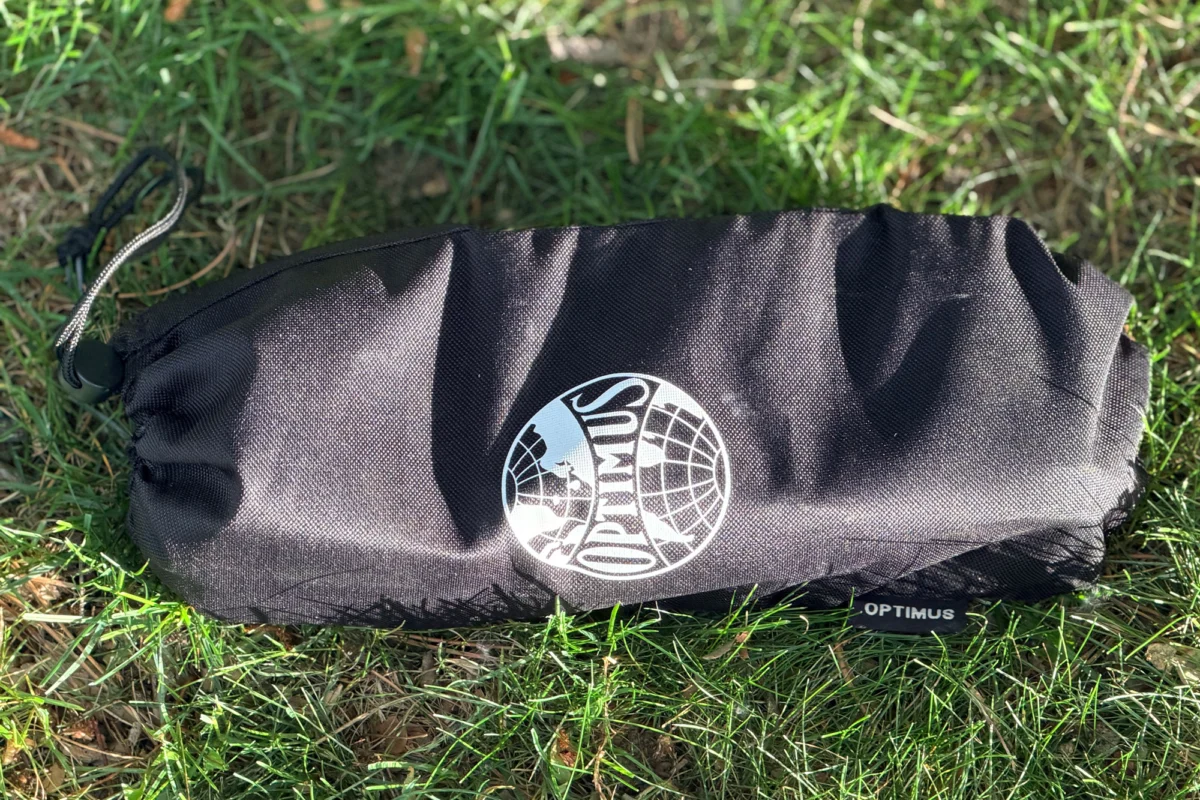
The stove is designed for stability and precision. Its foldable legs and slim, stainless-steel profile allow it to pack away into a modest carrying bag, making it an ideal companion for overlanders, canoe campers, and base-camp enthusiasts. However, at roughly 29 ounces, it occupies a middle ground that makes it an unlikely candidate for the ultralight thru-hiker, yet a superior choice for those looking to shed the bulk of traditional car-camping stoves.

Chronological Testing: From Truck Tailgates to High-Altitude Trails
My experience with the Gemini II began this past spring in Southern Colorado. I wanted to see how the stove performed in a "truck-camping" environment, where space is managed but not restricted to the capacity of a single backpack. Setting up on a tailgate, the stove was immediately impressive for its aesthetic minimalism. The sleek silver body and simple burner dials feel like a nod to classic Swiss engineering.
However, the "first-cup-of-coffee" test revealed a learning curve. Unlike many modern consumer stoves that feature a push-button piezo ignition, the Gemini II requires a manual lighter. In the crisp morning air, fumbling with a lighter while adjusting two independent burners can be a dance of trial and error. I found myself occasionally cutting the flow to one burner while trying to ignite the other—a user-error issue, certainly, but one that highlights the need for a bit of practice before you’re hungry and frustrated at the end of a long day.

As the season progressed, I moved the testing to Northern Colorado. On the trail, the stove’s true identity emerged. On uneven ground, the narrow footprint of the stove requires a flat surface or a stable rock. If you are balancing a large pot, the center of gravity can feel precarious. However, once the flames were dialed in, the efficiency was undeniable. I was able to boil a liter of water in just under four minutes, consistently matching the manufacturer’s claims.
By the time I prepared for a major trekking trip in Nepal, I had to make a pragmatic decision: I left the Gemini II behind. For long-distance, self-supported trekking, the weight-to-reward ratio didn’t favor the dual-burner setup. This reinforced my conclusion that the stove is not a universal tool, but rather a "mission-specific" piece of gear.

Supporting Data and Performance Metrics
The technical specifications of the Gemini II speak to its design philosophy. The unit features:
- Dual 4,600W burners: Providing a total of 17,000 BTU/h.
- Independent flame control: Crucial for managing simultaneous cooking temperatures.
- Fuel Efficiency: At full power, it can sustain a burn for approximately 165 minutes using a 450g gas canister.
- Weight: 28.9 ounces (approx. 820g).
- Boil Time: Sub-4 minutes per liter.
These metrics place it well ahead of basic stoves in terms of utility, yet it maintains a lower weight profile than any traditional two-burner steel camp stove. The inclusion of a pressure control valve is a subtle but vital feature; it ensures that the flame remains consistent even as the gas canister level drops or as ambient temperatures fluctuate—a common hurdle in high-altitude environments.

Official Responses and Engineering Philosophy
When reaching out to the manufacturer regarding the design choices for the Gemini II, the perspective from the Katadyn Group—which owns the Optimus brand—is clear: they were chasing "real cooking" in a compact package.
Carmen Heiter, Head of Product Development at Katadyn, noted, "With the Gemini II, we set out to bring true cooking control into a compact, field-ready format. It enables users to prepare proper meals anywhere, without compromising on performance or reliability."

This ethos is central to the Swiss-engineered reputation of the brand. The Gemini II is not meant to be the cheapest or the lightest stove; it is meant to be the most reliable and capable for the specific niche of "expedition-level" base camp cooking. By incorporating an integrated wind shield and a pressure-regulated fuel system, they have attempted to mitigate the most common complaints regarding canister stoves: flame fluctuation and wind sensitivity.
The Implications: Is It Worth the Investment?
The arrival of the Optimus Gemini II at a price point of $232 forces a consumer to ask: what is the nature of my camping?

If you are a solo traveler who exclusively eats dehydrated meals, this stove is an expensive, heavy, and unnecessary luxury. A $50 Pocket Rocket will serve you better. If you are a car camper who stays within ten feet of your vehicle and wants to cook pancakes, eggs, and bacon for a family of four, the Gemini II might feel too small and too fragile compared to a heavy-duty, wind-blocking Coleman stove.
However, for the growing demographic of "overlanders" and short-duration backcountry explorers, the Gemini II fills a critical void. It is the perfect stove for a duo or small group that wants to boil water for tea while simultaneously simmering a sauce or cooking a fresh meal. It represents a pivot toward "camp culinary" experiences—where the act of cooking is as much a part of the adventure as the hike itself.

Key Considerations Before Purchasing:
- The Wind Factor: Despite the integrated shield, the stove remains somewhat susceptible to strong gusts. In truly exposed alpine conditions, an additional windscreen is highly recommended.
- Stability: The narrow base is efficient for packing but requires careful placement on rocky terrain.
- Learning Curve: The manual ignition and dual-dial system demand a bit of finesse. It is not an "idiot-proof" piece of kit, but that is precisely what allows it to be so compact.
- Heat Management: The ability to independently control each burner is the stove’s "killer app." If you enjoy sautéing vegetables or searing proteins, this level of control is rare in the compact market.
Conclusion
The Optimus Gemini II is a triumph of engineering for a specific type of user. It is a niche tool that succeeds by focusing on the "middle way." It recognizes that for many, the trade-off between weight and culinary capability is shifting. As we see more people engaging in weekend adventures, van-life excursions, and base-camp-style climbing trips, the demand for gear that mimics a home kitchen while fitting into a backpack is only set to grow.
While it won’t replace the ultralight stove for the thru-hiker, and it isn’t a replacement for the massive backyard grill, the Gemini II has earned its place in the outdoor gear pantheon. It is, unequivocally, the Goldilocks of camp stoves: just big enough to make a real meal, and just small enough to keep you moving. For those who believe that a great day in the woods should end with a great meal, the Gemini II is a worthy, if slightly demanding, investment.