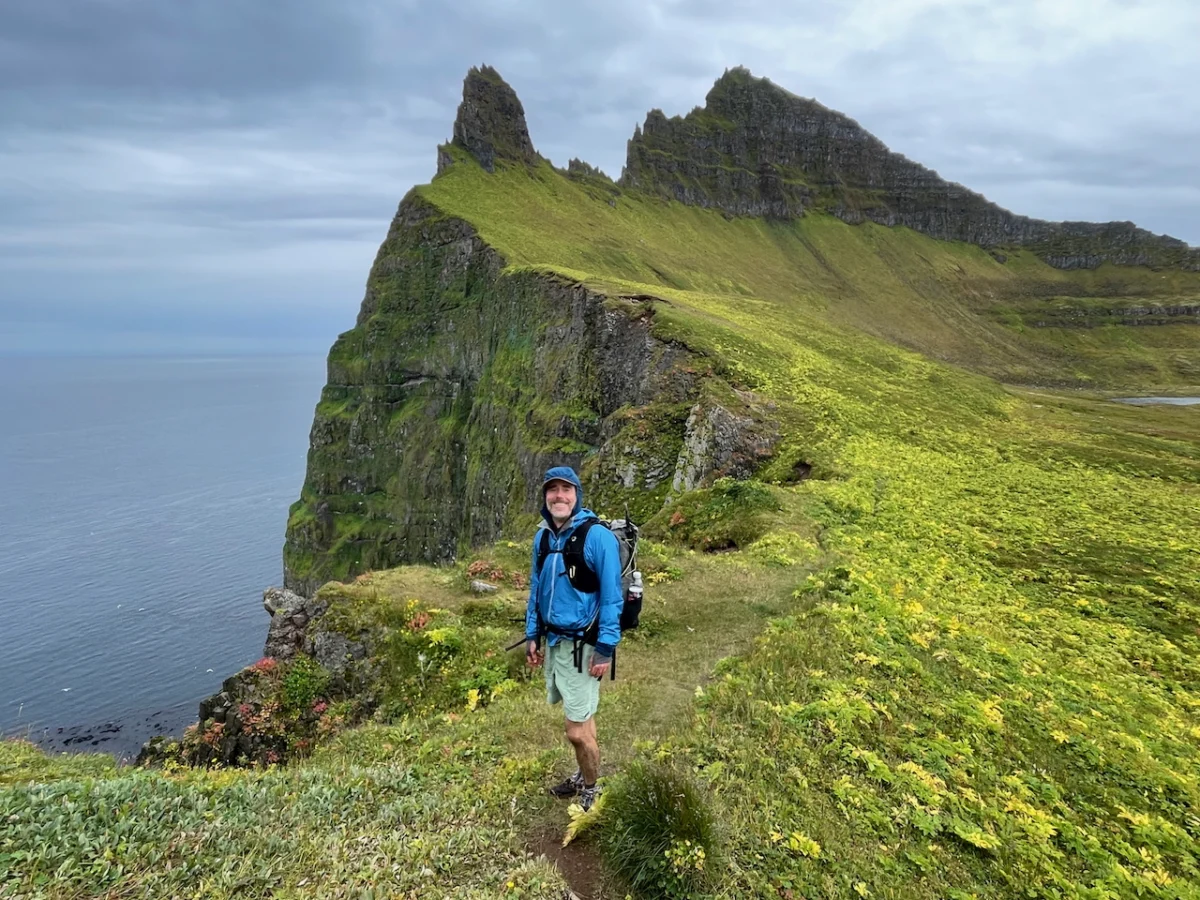
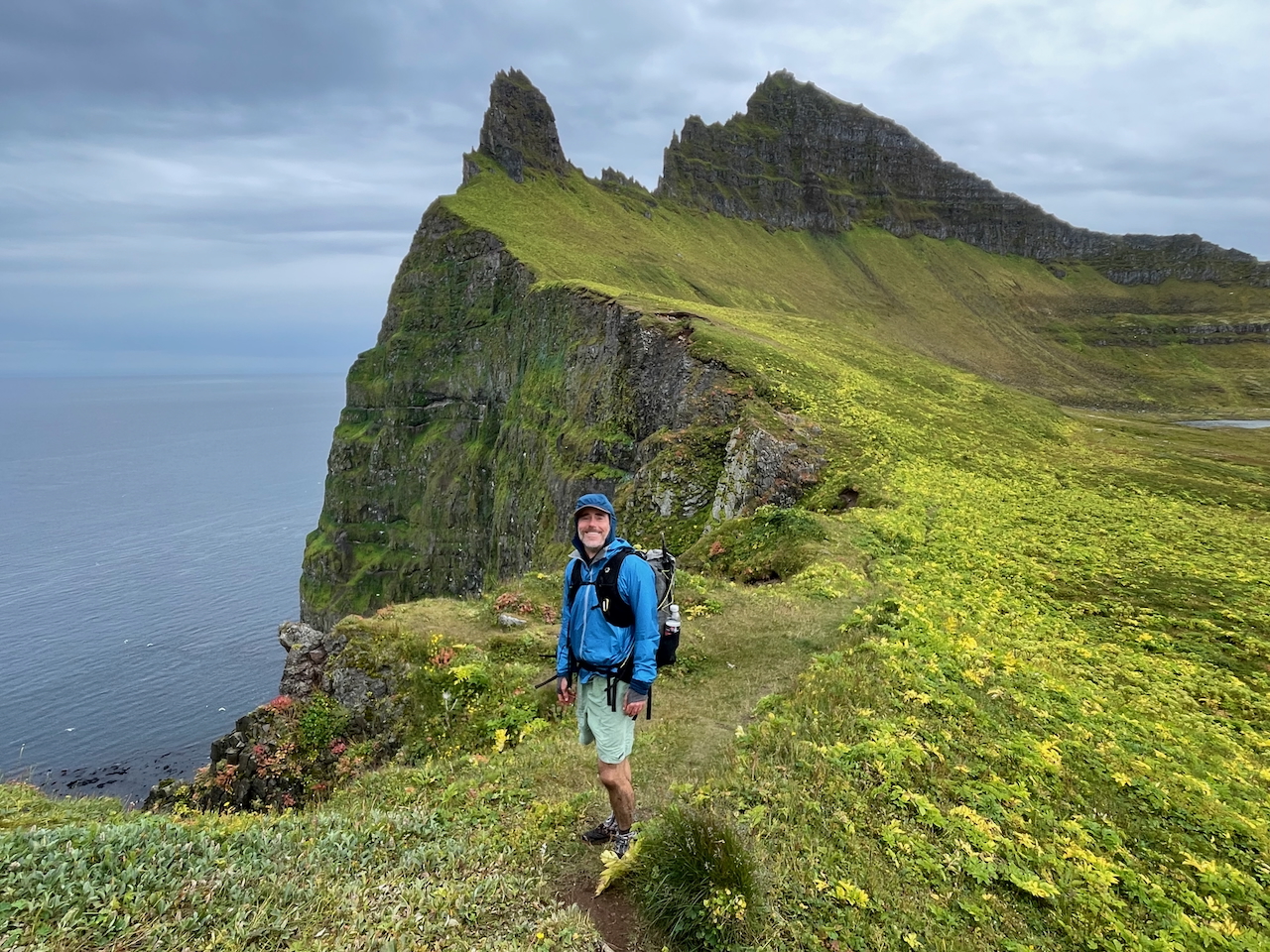
In the extreme northwest of Iceland lies the Westfjords, a jagged, deeply incised peninsula where the mountains plunge violently into the frigid North Atlantic. Nestled here is the Hornstrandir Peninsula, a region so isolated that it remains one of Europe’s last true wildernesses. With no roads, no permanent human inhabitants, and a landscape shaped by glacial retreat and relentless coastal erosion, Hornstrandir is not merely a hiking destination—it is a sanctuary for those seeking to understand the raw, unvarnished power of the Arctic.
The Geography of Solitude: Main Facts
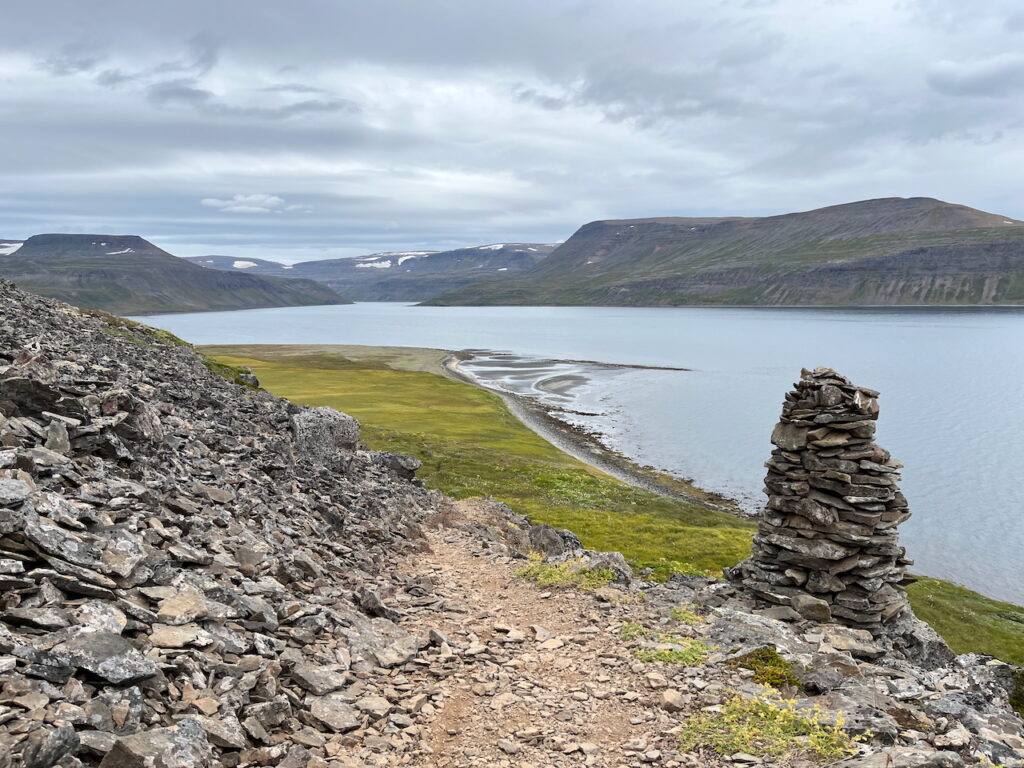
Hornstrandir is a protected nature reserve, a status granted in 1975 to preserve its fragile ecosystem. The region covers approximately 580 square kilometers of high-altitude tundra, sweeping sea cliffs, and verdant valleys that bloom with a unique botanical intensity during the short, fierce Icelandic summer.
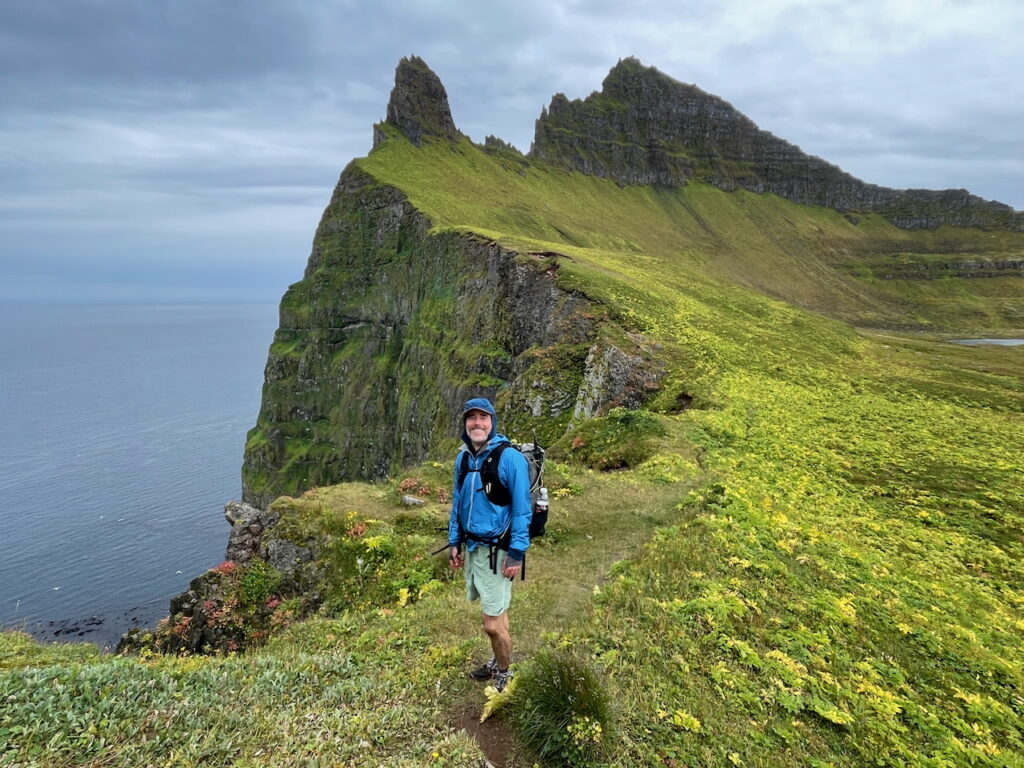
Accessing the peninsula is a logistical challenge; it is reachable only by boat, typically via ferry services from Ísafjörður. For the hiker, this means total immersion. Once the boat departs, the outside world ceases to exist. There is no cell service, no infrastructure, and no safety net other than one’s own preparation and the occasional emergency hut.
The primary allure of Hornstrandir is its silence—a silence broken only by the cacophony of tens of thousands of seabirds, the rhythmic crashing of waves against 500-meter-high basalt cliffs, and the wind tearing across the mountain passes.
A Chronological Expedition: Six Days in the Wild
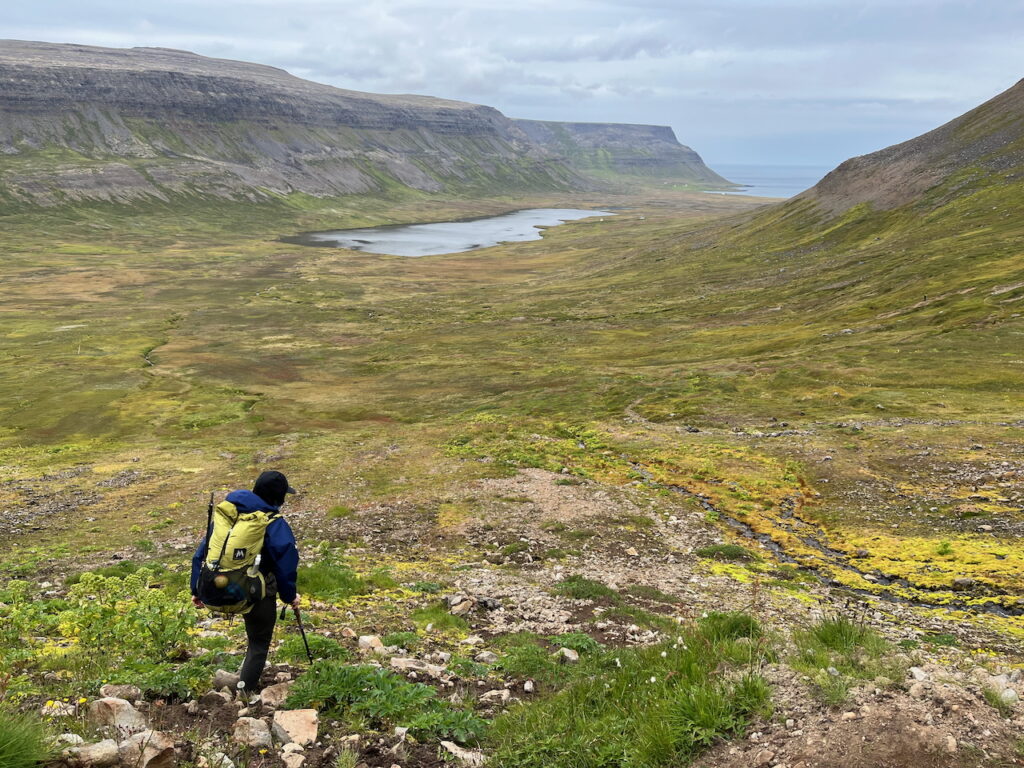
A trek through Hornstrandir is a study in verticality and endurance. Spanning roughly 120 kilometers with a cumulative elevation gain of over 4,200 meters, the route demands moderate to high physical fitness and the ability to navigate unpredictable weather.
Days 1-2: Into the Void
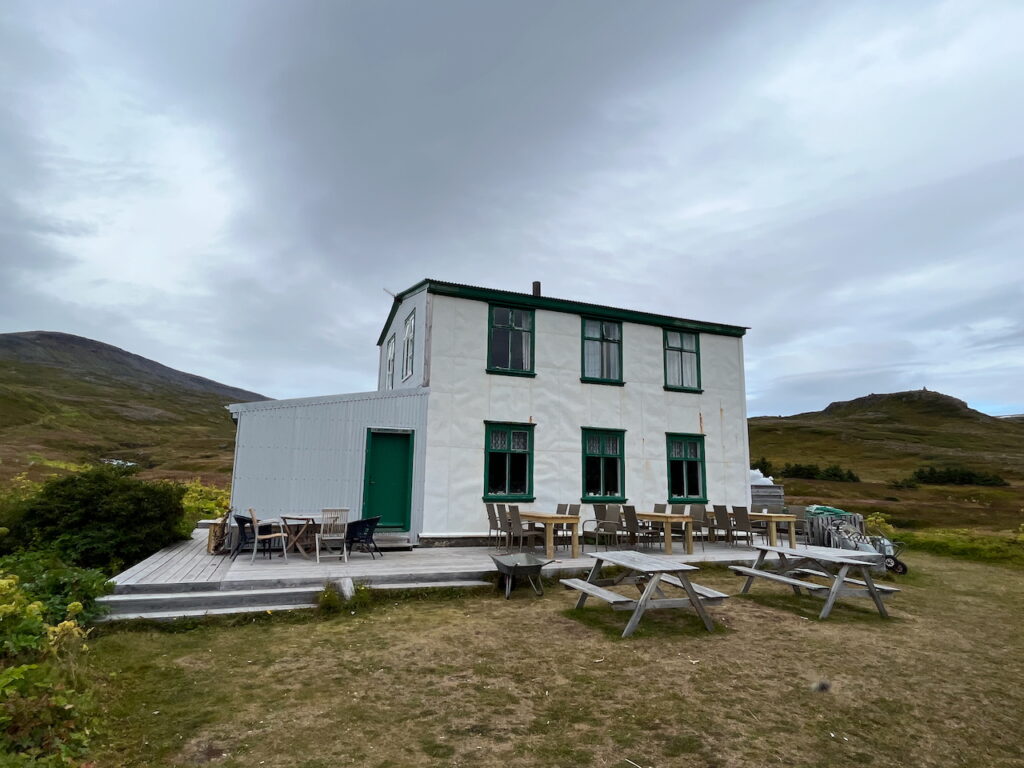
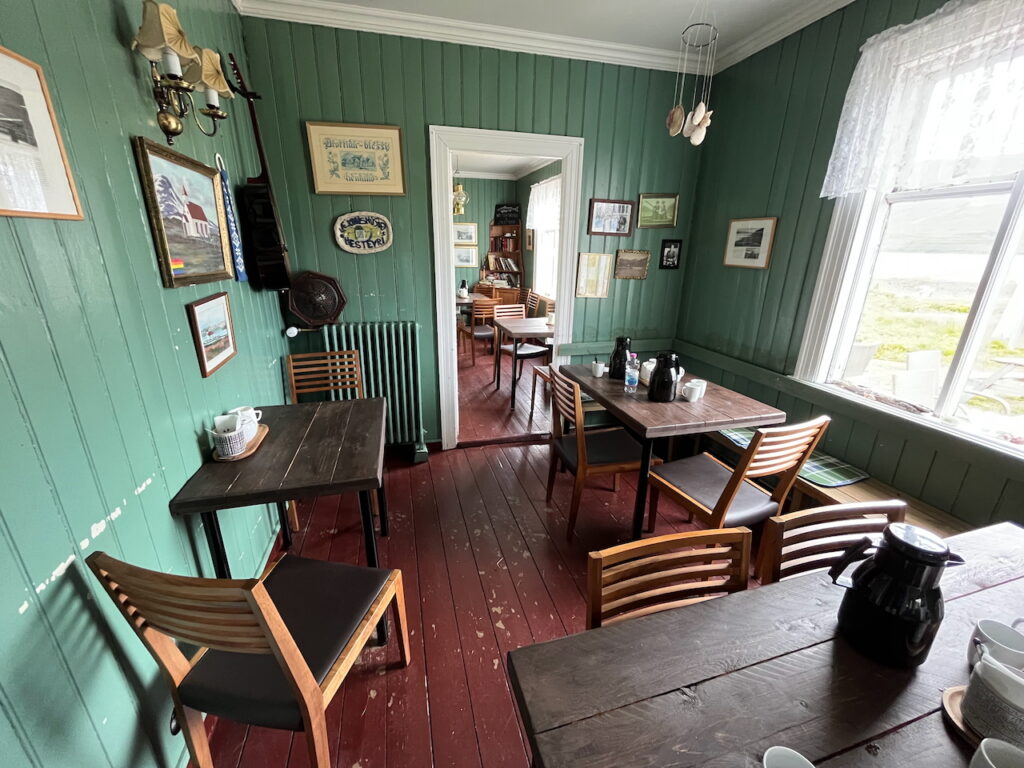
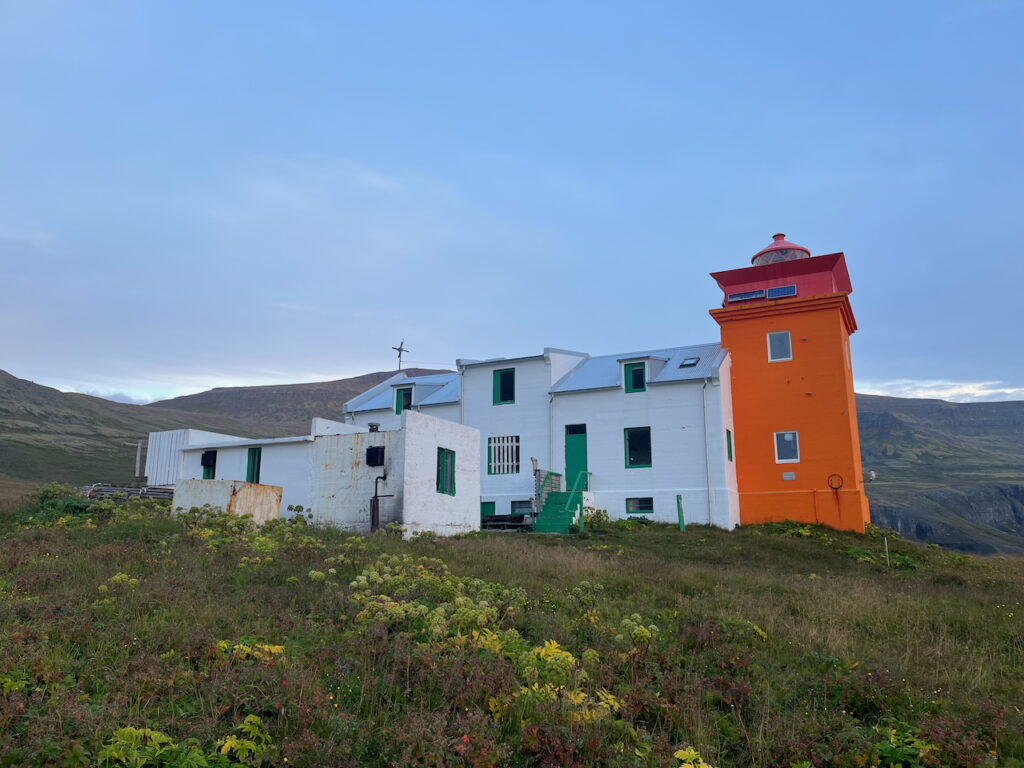
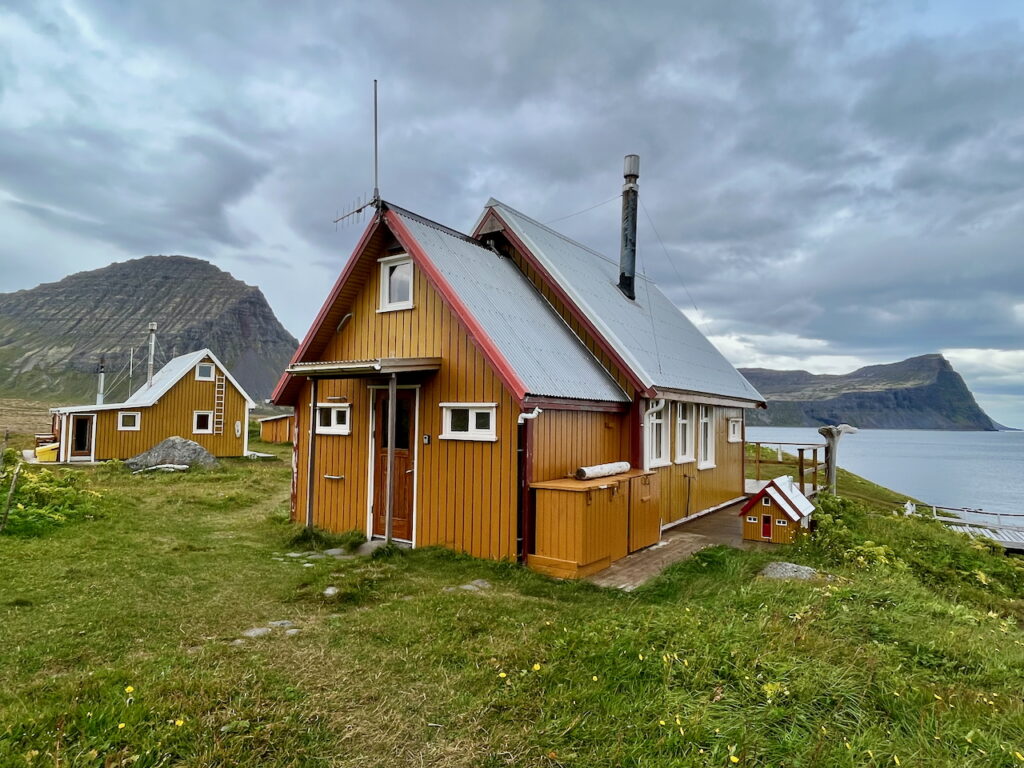
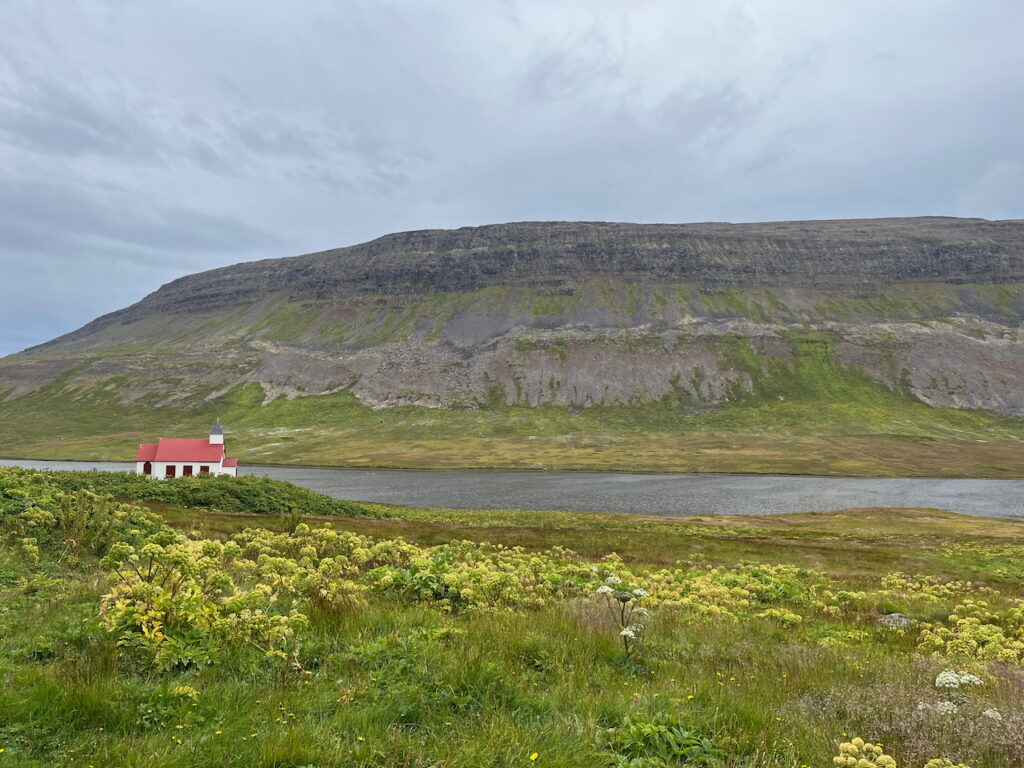
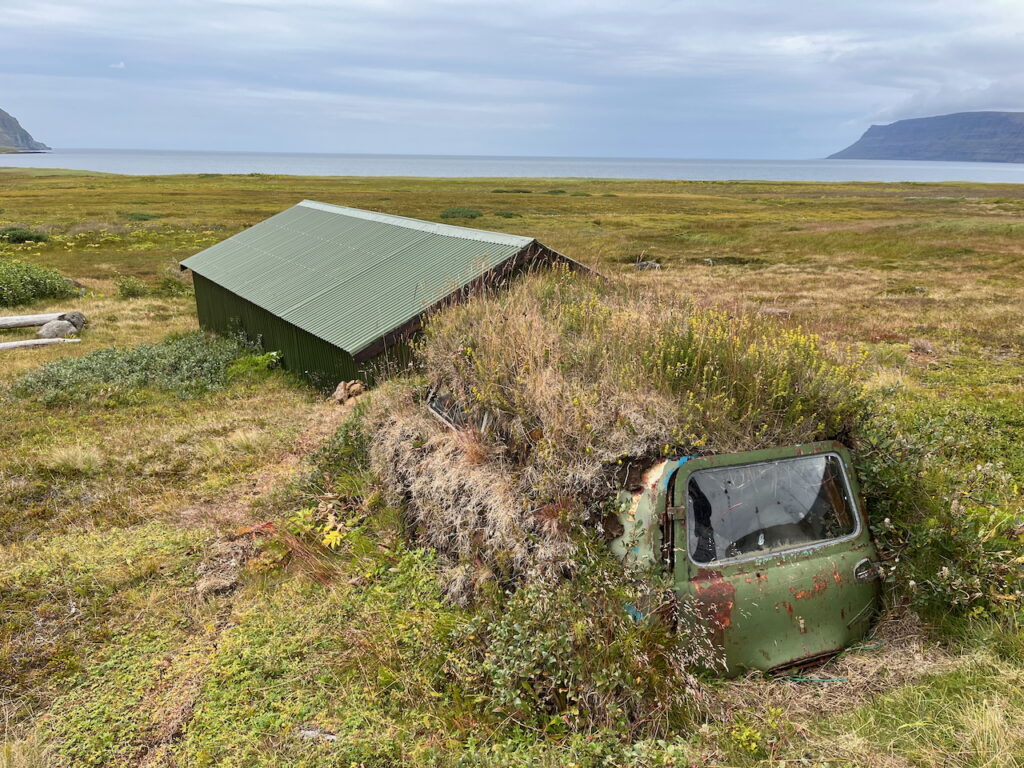
The journey typically begins in Hesteyri, a former whaling and herring station that now serves as the gateway to the reserve. The "Old Doctor’s House" stands as a poignant reminder of the settlement’s past, offering a warm refuge for hikers before they head into the interior. As one moves toward the first night’s camp at Tjaldsvæði Látrum, the terrain shifts from lush coastal vegetation to the stark, rocky plateaus that define the interior. The route is marked by relics of human history—abandoned cottages and rusted machinery—that speak to a time when farming and fishing were the lifeblood of this rugged land.
Days 3-4: The Bird Kingdoms and the Apex Predator
By the third day, the hiker reaches the dramatic northern coast. Hornvík Bay is the heart of the reserve, a place of immense geological scale. Here, the Hornbjarg cliffs rise vertically from the sea, serving as a massive, living apartment complex for guillemots, razorbills, fulmars, and the iconic puffin.
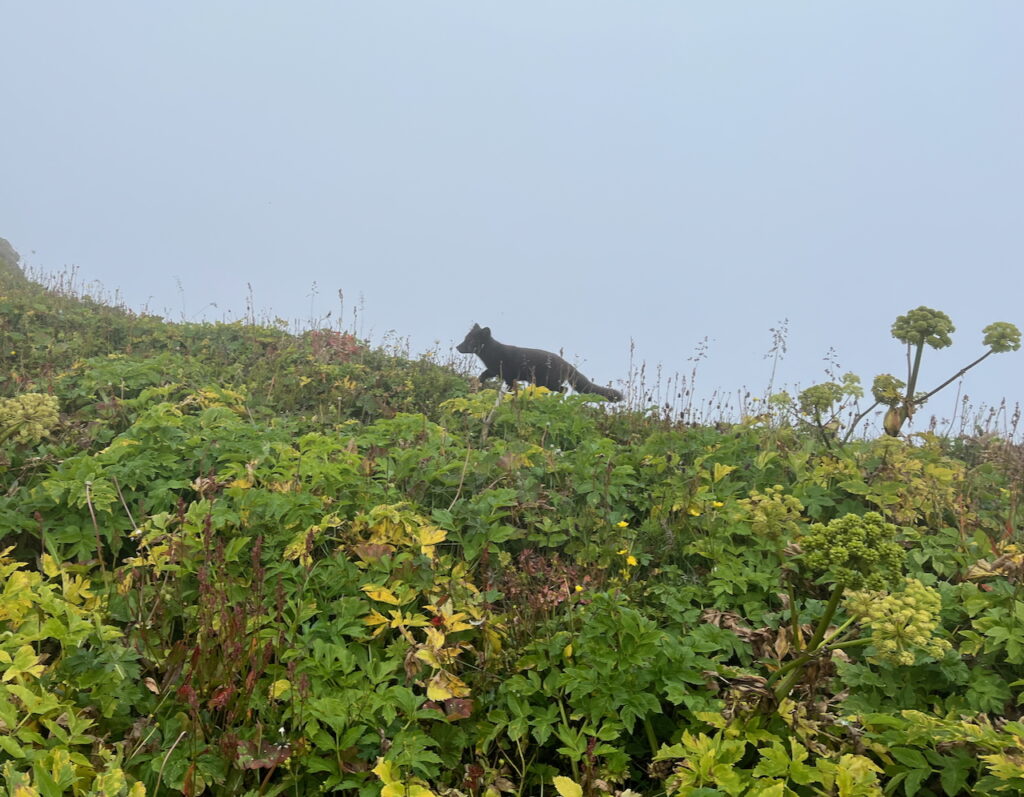
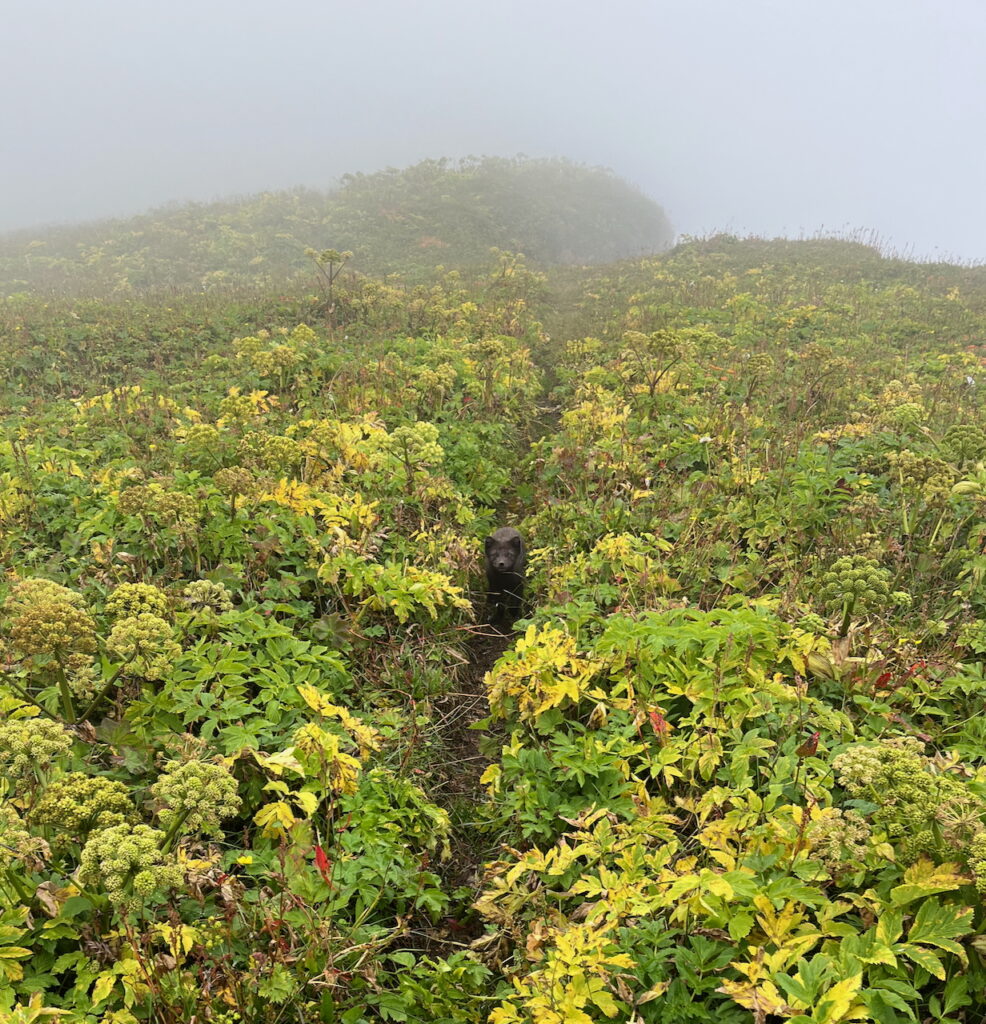
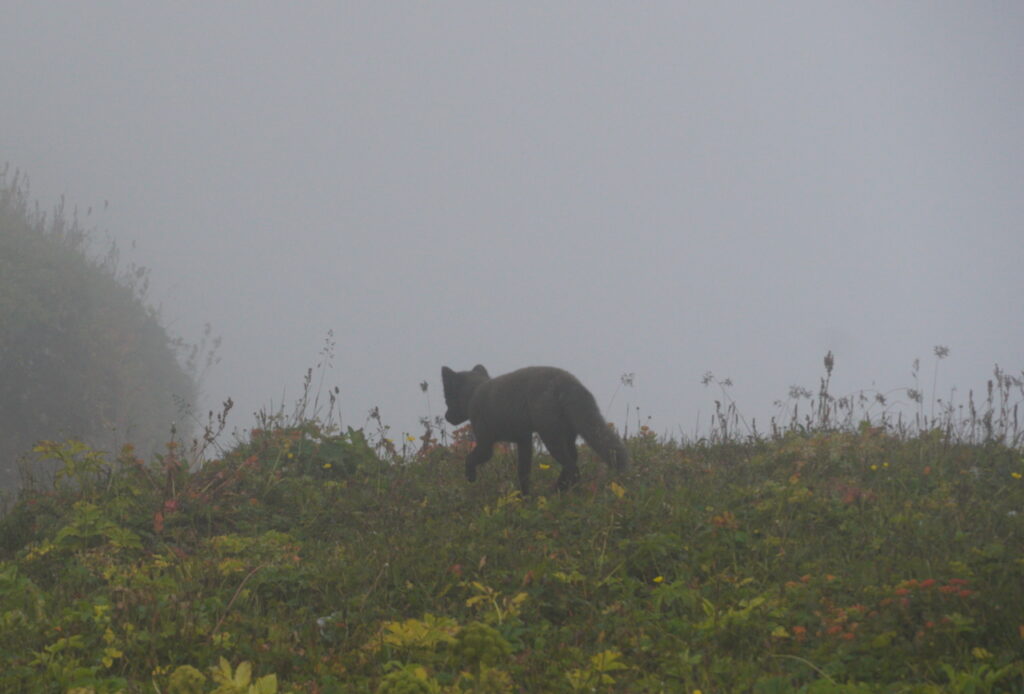
The peninsula is also the stronghold of the Arctic fox, the only native land mammal in Iceland. Because the area is a protected reserve where hunting is strictly prohibited, these foxes are remarkably bold. It is not uncommon for hikers to find themselves being shadowed by curious, fluffy kits, or to witness an adult fox patrolling the black sands of the shoreline. The proximity to these apex predators is a rare privilege that underscores the wild, untouched nature of the ecosystem.
Days 5-6: The Final Ascent and Return
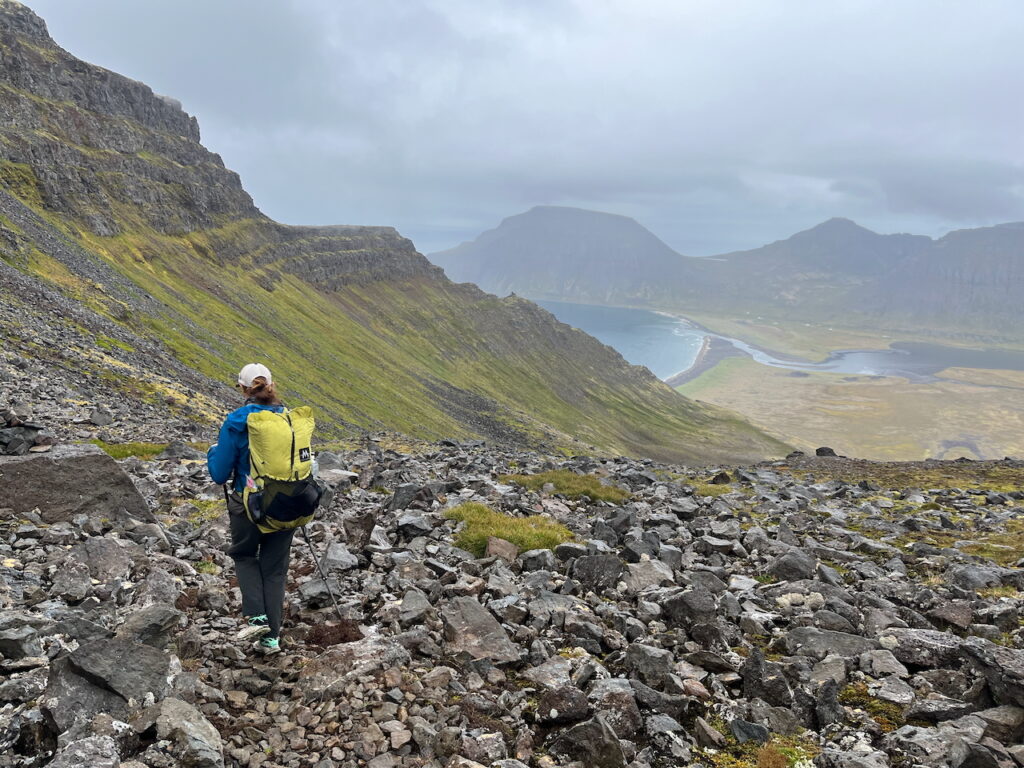
The latter half of the trek involves traversing the challenging mountain passes, such as Hafnarskarð, which offer sweeping, panoramic views of the North Atlantic. The final descent back to Hesteyri is a contemplative affair. As the hiker nears the coast, the weather—which had been a companion of mist and driving rain—often clears, revealing the scale of the fjords one last time. The arrival back at the dock is often accompanied by the sight of humpback whales breaching in the bay, a fitting grand finale to a journey through one of the world’s most pristine environments.
Supporting Data: The Ecological and Historical Context
The story of Hornstrandir is one of survival and retreat. The region’s population, which had lived off the land for centuries, began to dwindle in the early 20th century as modern economic shifts made the isolated lifestyle untenable. By the 1950s, the last permanent residents had departed, leaving the land to reclaim its territory.
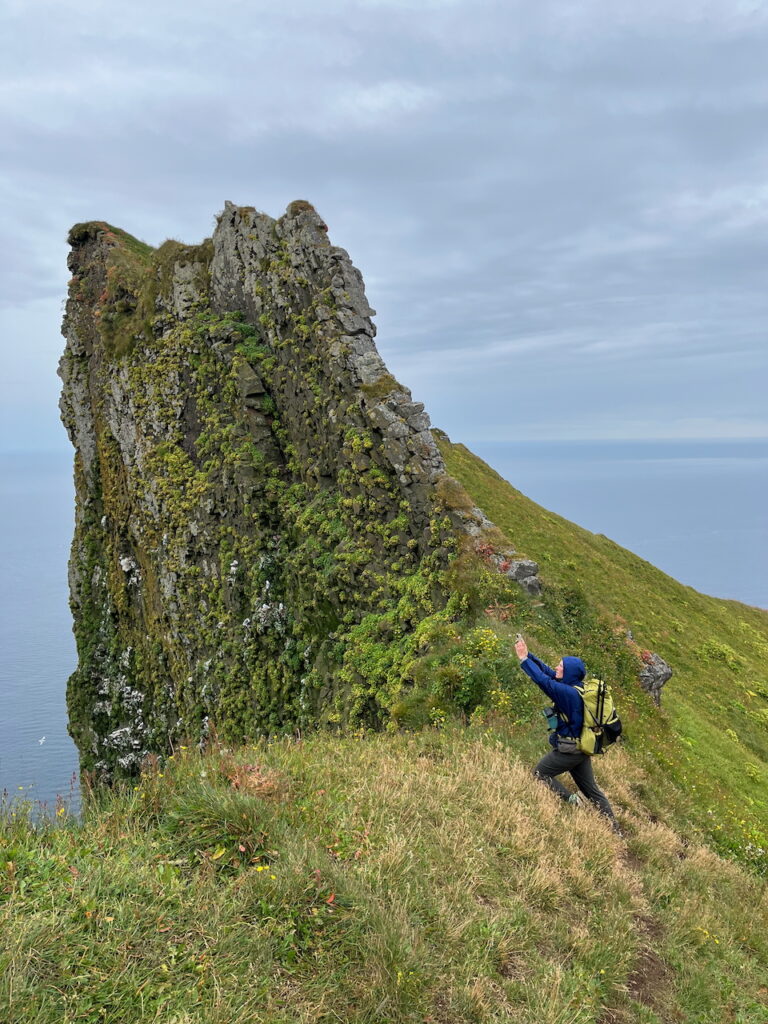
The ecological data resulting from this half-century of "rewilding" is significant. Without the pressure of sheep grazing or industrial development, the flora has rebounded. Researchers have identified over 260 species of vascular plants in the reserve, including Arctic lupine and angelica. The lack of human footprint has allowed for a biodiversity index that is rarely seen in mainland Europe, making Hornstrandir a vital site for ongoing climate and botanical studies.
The "Huldufólk" and Human Sentiment
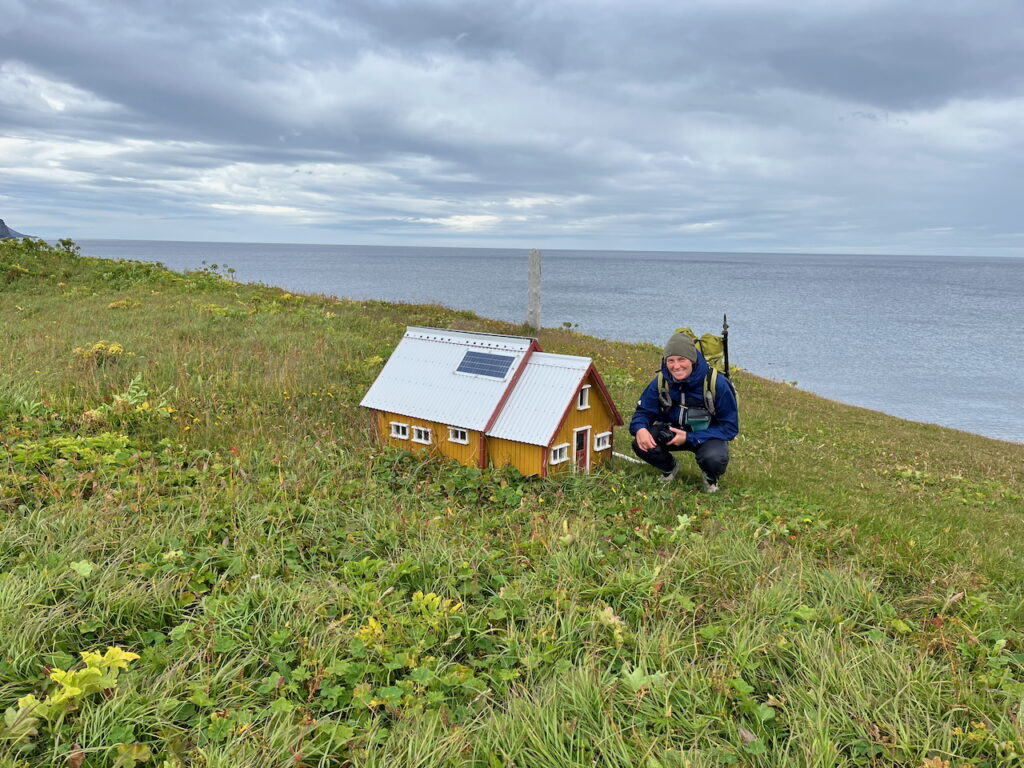
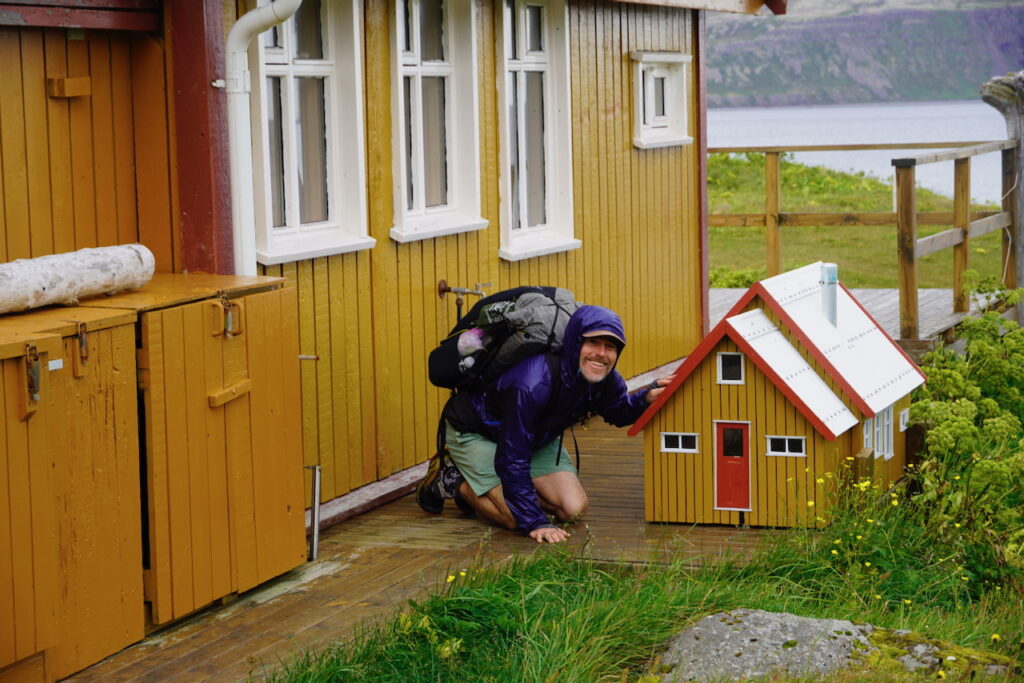
A fascinating aspect of the Hornstrandir experience is the relationship between the former residents and the land. Many descendants of the families who once lived here maintain their ancestral cottages as summer homes. These structures are often accompanied by "alfhóll"—tiny, decorative houses built for the Huldufólk (the "Hidden People" or elves of Icelandic folklore). This juxtaposition of reality and mythology is central to the Icelandic identity, and nowhere is it more evident than in this remote, windswept peninsula where the boundary between the natural and supernatural feels thin.
Implications for Future Preservation
The growing popularity of Hornstrandir presents a modern dilemma. As global interest in "extreme" tourism rises, the pressure on the peninsula’s fragile trails and nesting grounds increases. The current management strategy, which relies on strict adherence to the "Leave No Trace" principle and limited, ferry-dependent access, has so far been successful in maintaining the area’s integrity.
However, the implications for future preservation are clear: the very thing that makes Hornstrandir appealing—its isolation—is its most vulnerable asset. Should the region be "discovered" by mass tourism, the delicate balance of the seabird colonies and the denning habits of the Arctic fox could be irrevocably damaged. The current, moderate-difficulty classification of the trail acts as a natural barrier to entry, ensuring that only those truly prepared for the physical and mental rigors of the landscape make the journey.
A Note on Preparation
For those inspired to undertake this trek, preparation is non-negotiable. The weather in the Westfjords is notoriously fickle; temperatures can drop near freezing even in mid-summer, and wind speeds can reach gale force in minutes.
The author’s recent 2023 expedition utilized a two-person shelter, the Tarptent Stratospire 2, which proved essential for weathering the volatile conditions. A robust, lightweight gear list is the difference between a transformative experience and a dangerous situation. Hikers should be prepared for:
- Hydration and Nutrition: Limited water sources in certain high-altitude sections; carry enough to be self-sufficient.
- Navigation: Topographical maps and GPS devices are essential, as trail markers can be obscured by fog or snow.
- Safety: A satellite communication device is highly recommended given the complete lack of emergency services in the reserve.
Conclusion: Why We Seek the Wild
Hornstrandir is more than just a place to hike; it is a mirror. In the absence of modern distraction, the wilderness demands a heightened state of awareness. Whether it is the visual spectacle of a thousand birds taking flight simultaneously, the sensory shock of the freezing sea, or the silent, intelligent gaze of an Arctic fox, the peninsula forces a recalibration of the human spirit.
As we look toward a future where true wilderness is increasingly scarce, places like the Hornstrandir Peninsula become not just destinations, but benchmarks. They remind us of the world as it was before us, and perhaps, if we are careful and respectful, the world as it will be long after we are gone. For the hiker willing to leave the world behind, the Westfjords offer a profound, humbling reward: the chance to stand at the edge of the map and feel, for a few days, completely and wonderfully small.