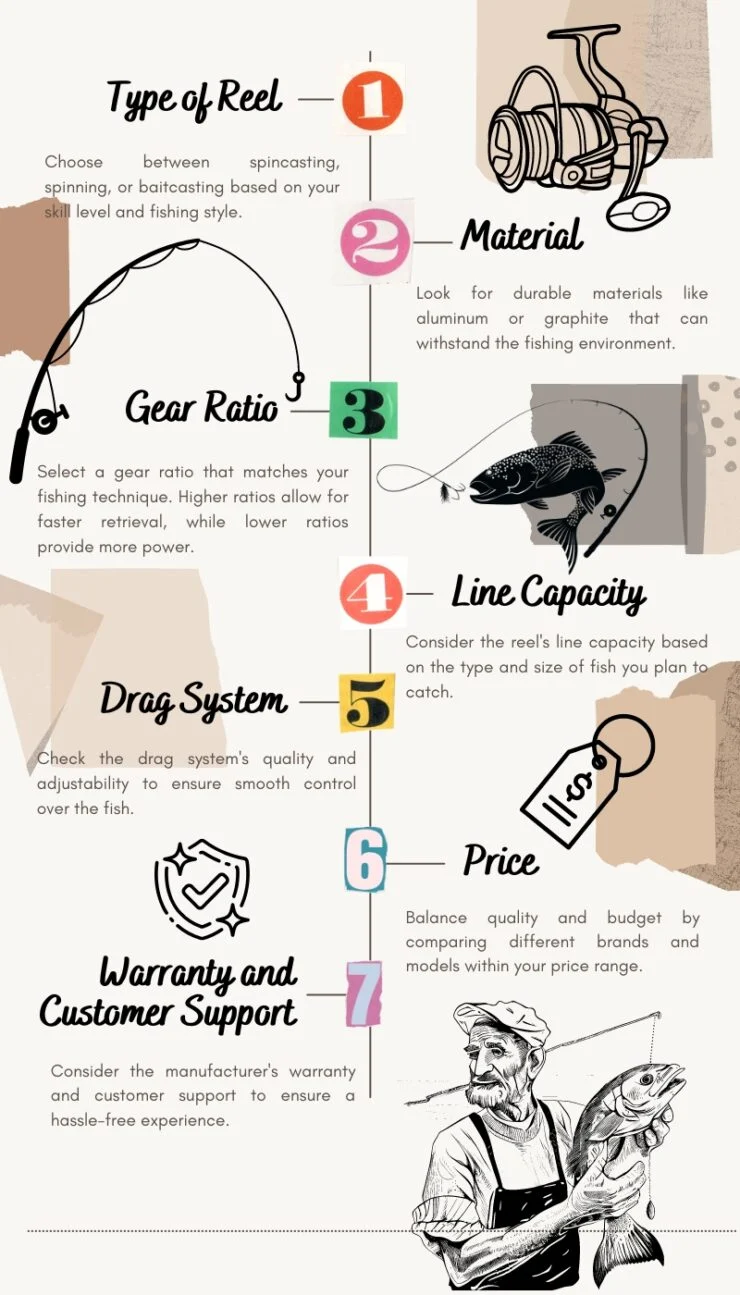
For centuries, humanity relied on the primitive simplicity of nets, spears, and basic poles to harvest the bounty of our waterways. While these ancient methods possess an undeniable, rustic charm, they were often characterized by a lack of precision and a high rate of equipment failure. Today, the modern angler operates in a different league, thanks to the sophisticated mechanical engineering of the contemporary fishing reel.
The transition from manual line management to the era of the mechanical reel has fundamentally altered the sport. Whether you are a casual hobbyist spending a Saturday at the local pond or a competitive tournament angler navigating technical offshore currents, understanding the mechanics of your equipment is the first step toward mastery.
The Evolution of Angling Technology: A Chronological Perspective
The development of the modern fishing reel is a story of incremental innovation, moving from crude hand-cranked drums to the highly calibrated instruments we use today.
- 1938: The Spinning Breakthrough: The landscape of angling was forever changed when Daiwa Seiko Co., Ltd. introduced the world’s first spinning reel. This innovation effectively solved the persistent issue of line tangles and snap-offs that plagued early methods, offering a stationary spool that allowed for friction-free casting.
- 1956: The Accessibility of Spincasting: Shakespeare Fishing Tackle Company revolutionized the entry-level market with the debut of the first spin-casting reel. By enclosing the spool and introducing a push-button mechanism, Shakespeare made the sport accessible to millions of newcomers.
- 1958: The Baitcasting Revolution: While early forms of baitcasting existed, 1958 marked a pivotal moment when George “Butch” Snyder Jr. formalized the use of these precision instruments. These reels introduced a direct-drive system that favored power and accuracy, creating a standard that remains the gold medal for professional bass anglers today.
Analyzing the "Big Three": Mechanical Distinctions
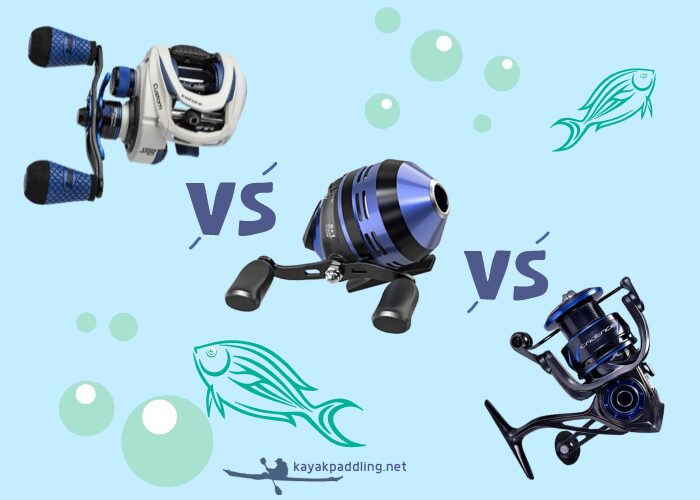
To maximize your time on the water, one must understand the three primary reel architectures: the Spincast, the Spinning, and the Baitcasting reel.
The Spincast Reel: The Gateway for Beginners
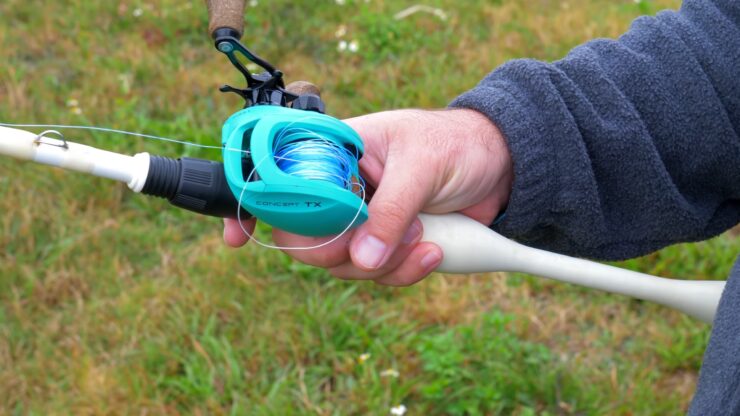
Often referred to as "closed-face" reels, spincast models are the quintessential tools for novice anglers. They operate using a simple push-button mechanism that releases the line during the cast. Because the spool is entirely enclosed, the common "bird’s nest" of tangled line is virtually eliminated. While they lack the long-distance casting capability of other reels, their ease of use makes them the undisputed MVP for children and weekend hobbyists.
The Spinning Reel: The All-Rounder
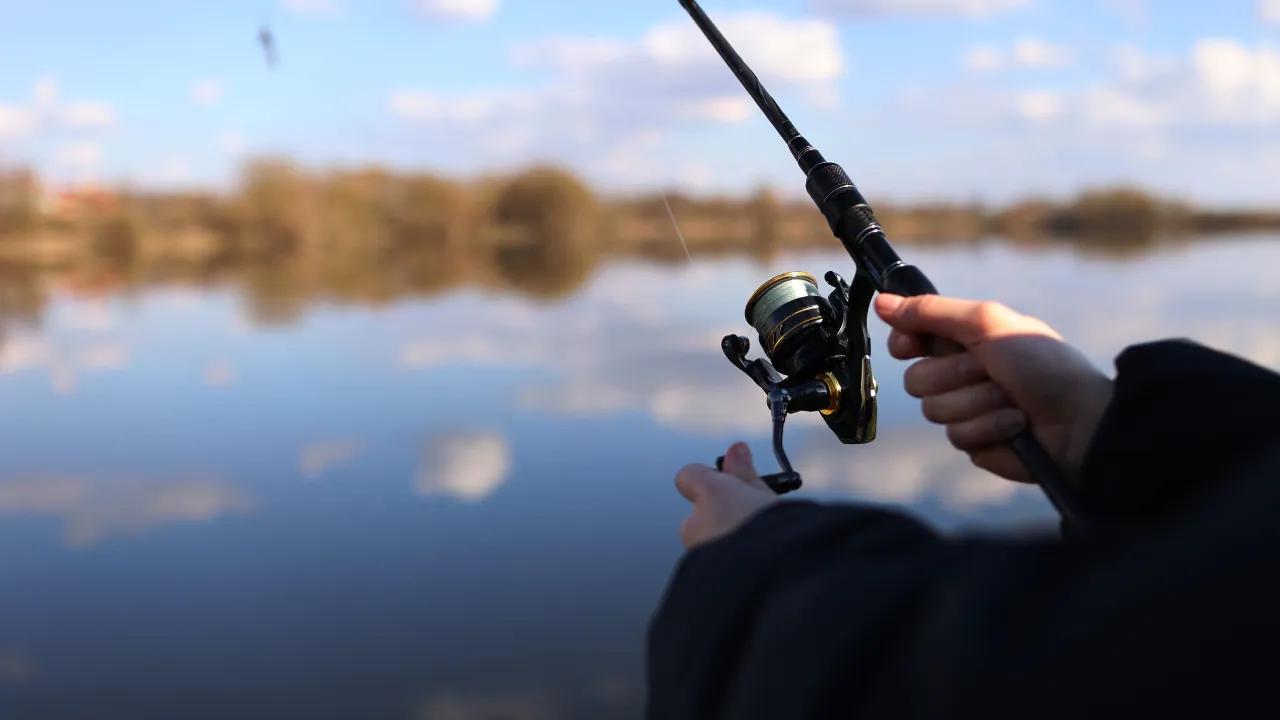
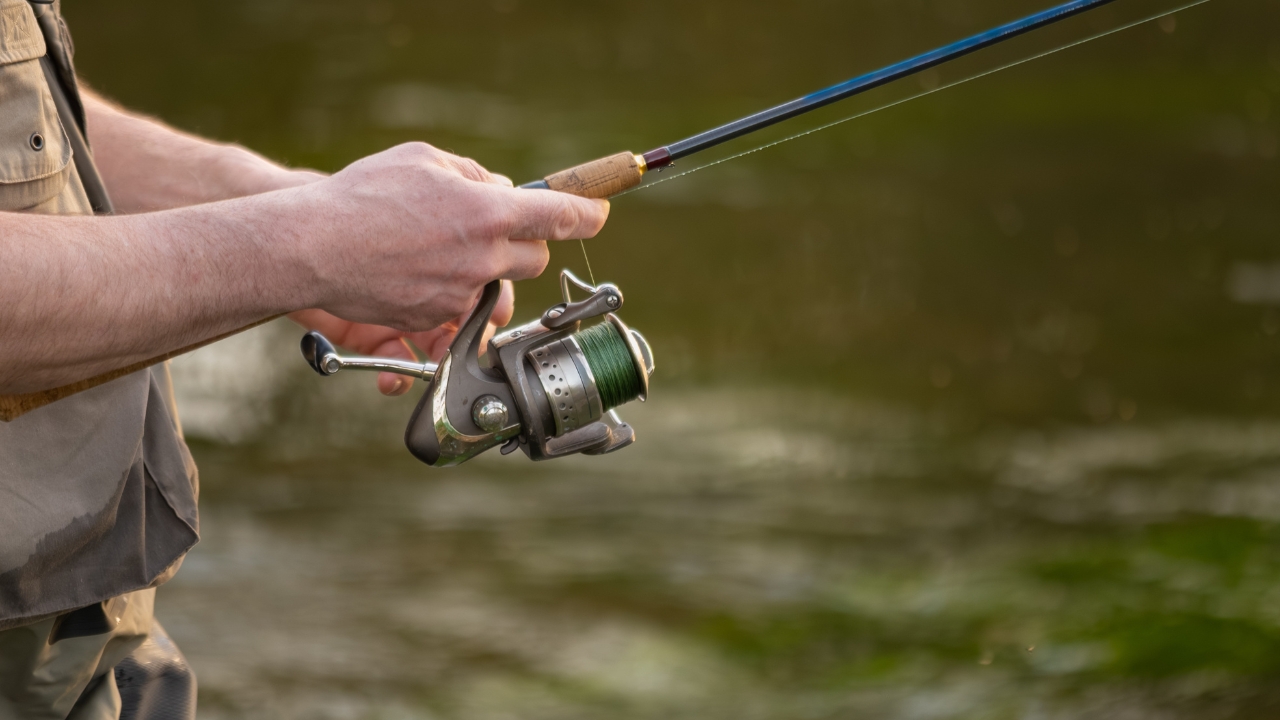
If you are looking for versatility, look no further than the spinning reel. Mounted beneath the rod, these reels allow for a balanced, ergonomic feel. They are designed to hold significant amounts of line and excel at casting light weights—such as small jigs or soft plastics—over long distances. Because the line comes off the spool in coils, they are less prone to wind-knots than baitcasters but offer significantly more control than a spincast model.
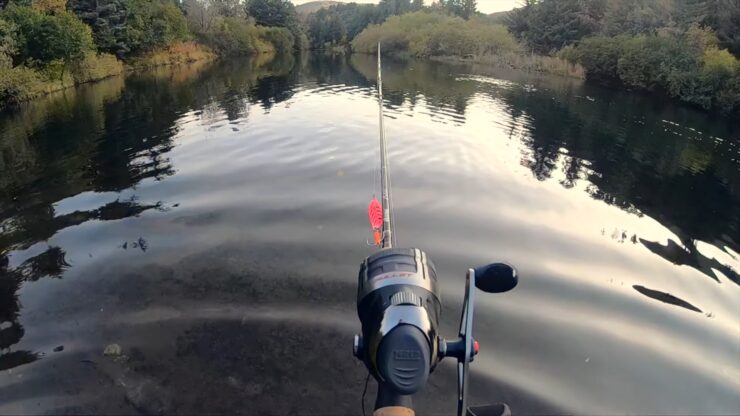
The Baitcasting Reel: The Professional’s Precision Tool
Baitcasting reels are the high-performance vehicles of the fishing world. Designed to sit atop the rod, they utilize a direct-drive, narrow-spool configuration. They are the preferred choice for accuracy, allowing an angler to place a lure within inches of a target, such as a submerged log or a narrow dock piling. However, they demand a high level of skill. Without a well-trained thumb to apply tension to the spool, the line can easily "backlash," resulting in a complex tangle.
Supporting Data: Selecting the Right Gear
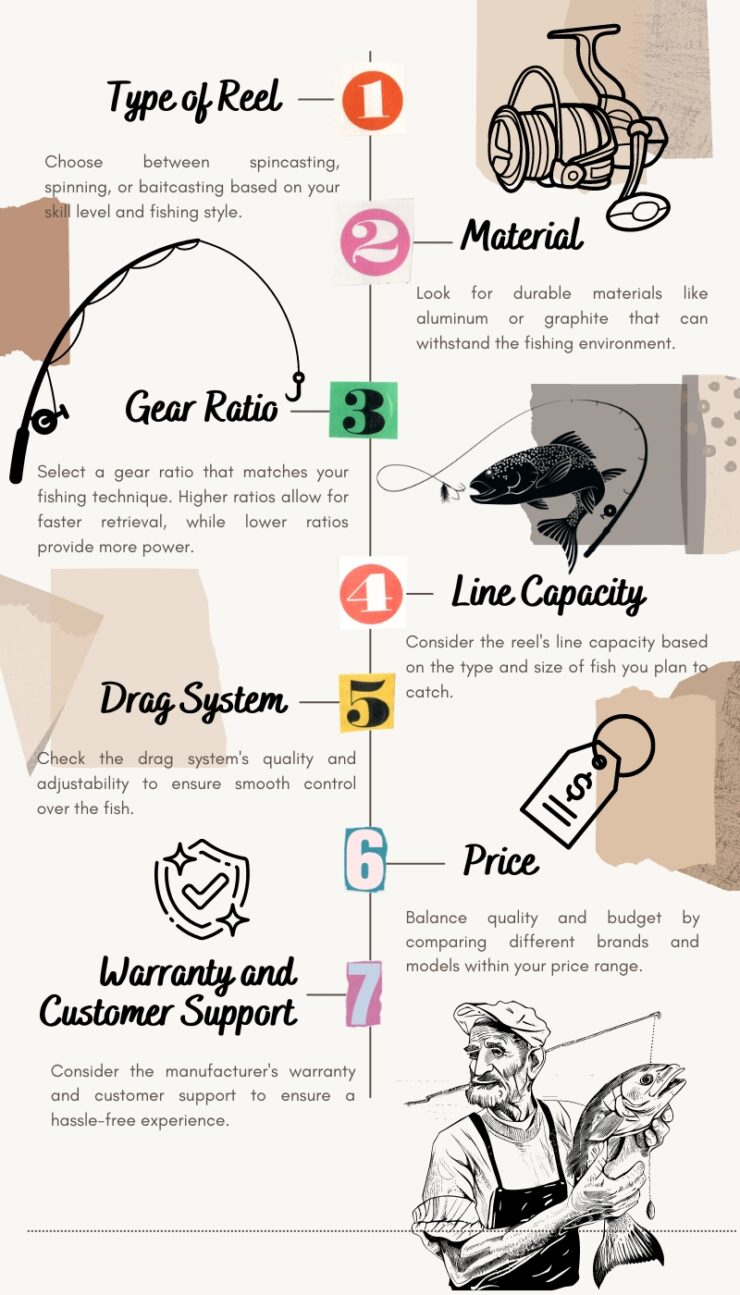
Choosing a reel is not merely about brand preference; it is about matching mechanical specifications to your specific fishing environment.
| Reel Type | Target Skill Level | Best Application | Primary Strength |
|---|---|---|---|
| Spincast | Novice | Panfish, Ponds | Ease of use |
| Spinning | Intermediate | Freshwater/Light Salt | Versatility |
| Baitcast | Advanced | Bass/Tournament | Accuracy & Power |
Understanding Gear Ratios
A critical, yet often overlooked, specification is the gear ratio. This figure—expressed as 5:1, 7:1, etc.—denotes how many times the spool rotates for every single turn of the handle.
- High Gear Ratios (e.g., 7:1 or higher): Essential for "burning" a bait back to the boat or retrieving line quickly when a fish charges toward you.
- Low Gear Ratios (e.g., 5:1): Designed for high-torque applications, such as pulling heavy deep-diving crankbaits through the water or fighting aggressive, large-bodied fish where power is more critical than speed.
Implications for Success: Precision vs. Versatility
The choice of reel carries profound implications for your success rate. When fishing for species like largemouth bass, which are often hidden in dense, structural cover, the baitcasting reel’s ability to provide surgical accuracy is invaluable. Conversely, when pursuing trout in open, clear water where long, subtle casts are required to avoid spooking the fish, the spinning reel is the superior choice.
The "backlash" phenomenon in baitcasting is often cited by beginners as a deterrent, but for the seasoned angler, it is a manageable trade-off. By adjusting the magnetic or centrifugal braking systems—modern engineering’s answer to manual thumb control—anglers can now tune their baitcasters to match the weight of their lure, effectively minimizing the risk of tangles while maintaining elite performance.
Maintenance: The Path to Longevity
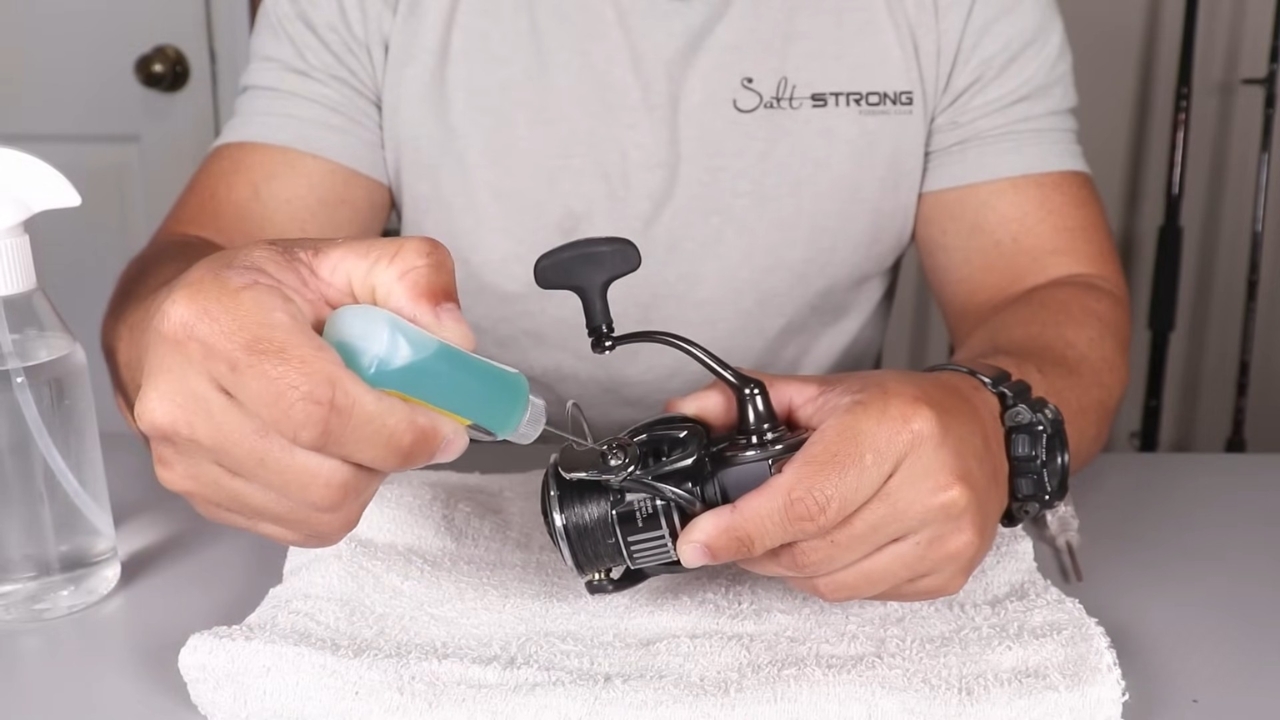
No matter how advanced your reel is, it is ultimately a machine. Salt, grit, and moisture are the enemies of internal gears. To ensure your investment provides years of service, adhere to a strict maintenance protocol:
- Freshwater Rinse: After every trip—especially in brackish or saltwater—a light misting of fresh water is essential to remove corrosive deposits.
- Lubrication: Regularly apply reel-specific oil to the handle knobs and the line roller. Apply synthetic grease to the internal gears on an annual basis.
- Storage: Never store your reels in a high-humidity environment. Keep them in a cool, dry place, and if possible, loosen the drag tension during storage to prevent the drag washers from becoming compressed and losing their efficacy.
Expert Perspectives and Common Queries
Industry professionals often emphasize that the "best" reel is the one that allows the angler to focus on the water rather than the equipment.
Q: Can a baitcasting reel be used for surf fishing?
A: Yes, but with a caveat. You must select a model specifically engineered for saltwater use, featuring shielded stainless-steel bearings and robust corrosion-resistant housing. The increased line capacity and power of baitcasters are actually quite beneficial when fighting large game fish in the surf.
Q: Why do I need multiple setups?
A: A professional angler rarely carries just one rod. Having a spinning setup for light, finesse presentations and a baitcasting setup for heavy, reaction-style lures allows you to switch techniques instantly as the fish’s behavior changes throughout the day.
Conclusion
The evolution of the fishing reel from a simple spool to a complex, multi-gear system has turned the art of angling into a high-precision science. Whether you are a beginner drawn to the simplicity of a push-button spincaster or a veteran angler mastering the fine-tuned mechanics of a baitcasting reel, the key remains the same: practice, maintenance, and an understanding of your equipment’s limitations.
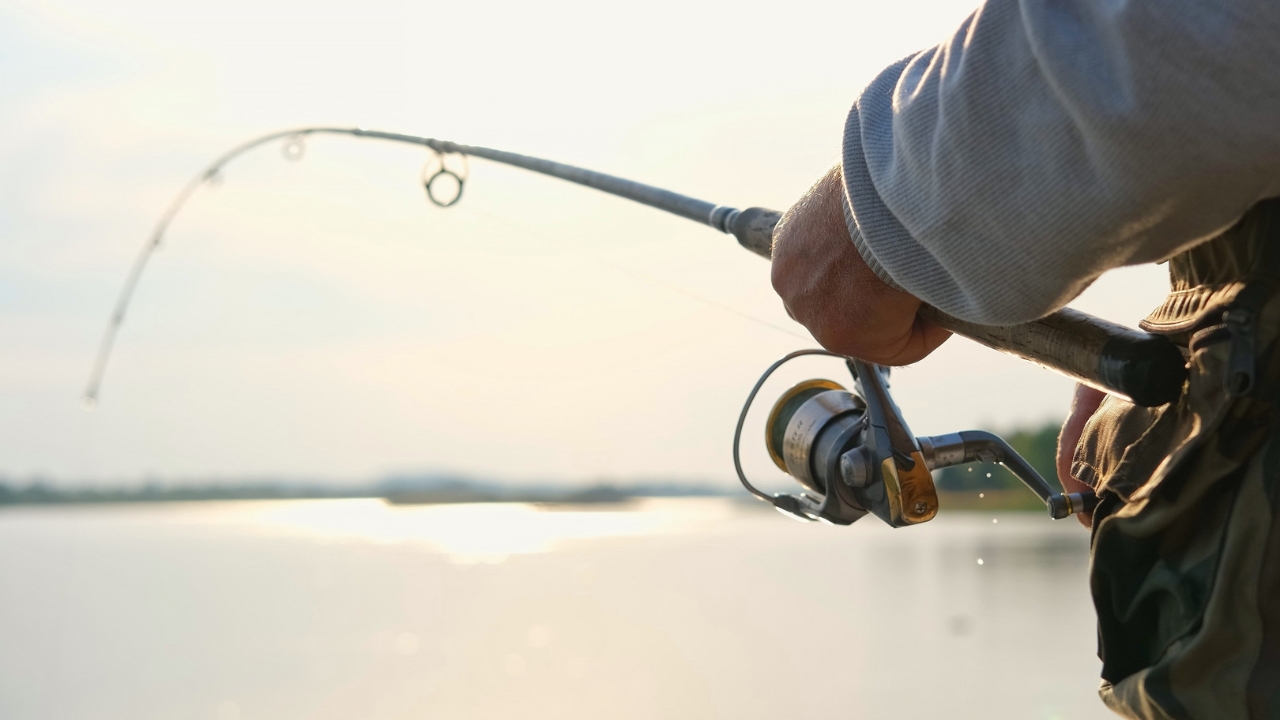
By selecting the right tool for the specific water, lure, and species you are pursuing, you move beyond mere luck and into the realm of true skill. As you refine your technique, remember that while the technology has advanced, the core spirit of the sport remains the same: the quiet, patient connection between the angler and the environment. Choose your gear wisely, treat it with care, and the water will surely reward you.