For the modern angler, the kayak is no longer merely a vessel for paddling; it has evolved into a sophisticated, highly capable fishing platform. Integrating a motor into a kayak setup is not just about gaining speed; it is about reclaiming the day. When wind gusts threaten to push you off a productive bank, or when the current forces constant corrective steering, a motor serves as an essential tool for stabilization. By automating propulsion, anglers can conserve their physical energy, allowing them to focus entirely on the core objective: the catch.
However, the transition from manual paddling to motorized propulsion is not without its pitfalls. Many kayaks are marketed as "motor-ready" but fail to account for the logistical nightmare of battery weight, steering integration, and the sheer clutter of modern tackle. This guide explores the intersection of design, utility, and power to help you navigate the complex market of motorized fishing kayaks.

The Evolution of the Motorized Fishing Platform
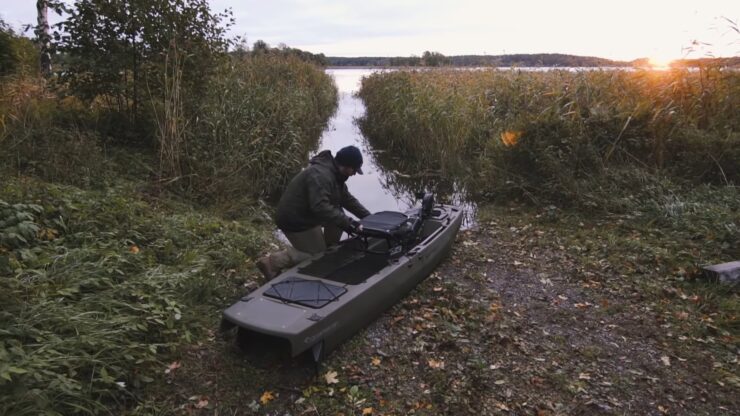
The shift toward motorized kayaking began as a grassroots movement, with DIY enthusiasts mounting trolling motors to standard sit-on-top hulls. Today, manufacturers have caught up, producing hulls specifically engineered to handle the torque and weight distribution required by electric propulsion.
The current landscape of motorized kayaks can be categorized into three distinct tiers:
- Modular Systems: Designed for those with limited storage space who require easy transport.
- Pedal-Hybrid Platforms: Boats that offer a dual-propulsion system, allowing for both leg-power and motor integration.
- Dedicated Angling Platforms: High-stability, high-capacity hulls built to accommodate complex electronic arrays, large batteries, and heavy-duty motor mounts.
Top Contenders in the Motorized Segment
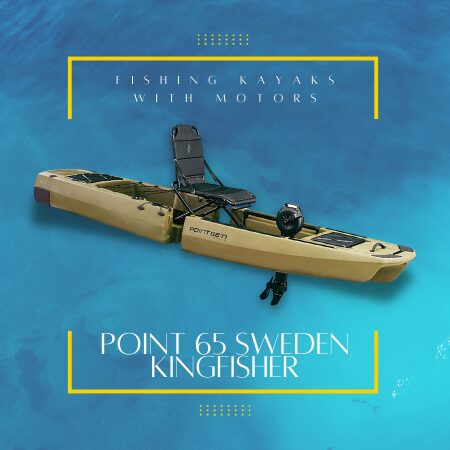
1. Point 65 Sweden Kingfisher: The Modular Maverick
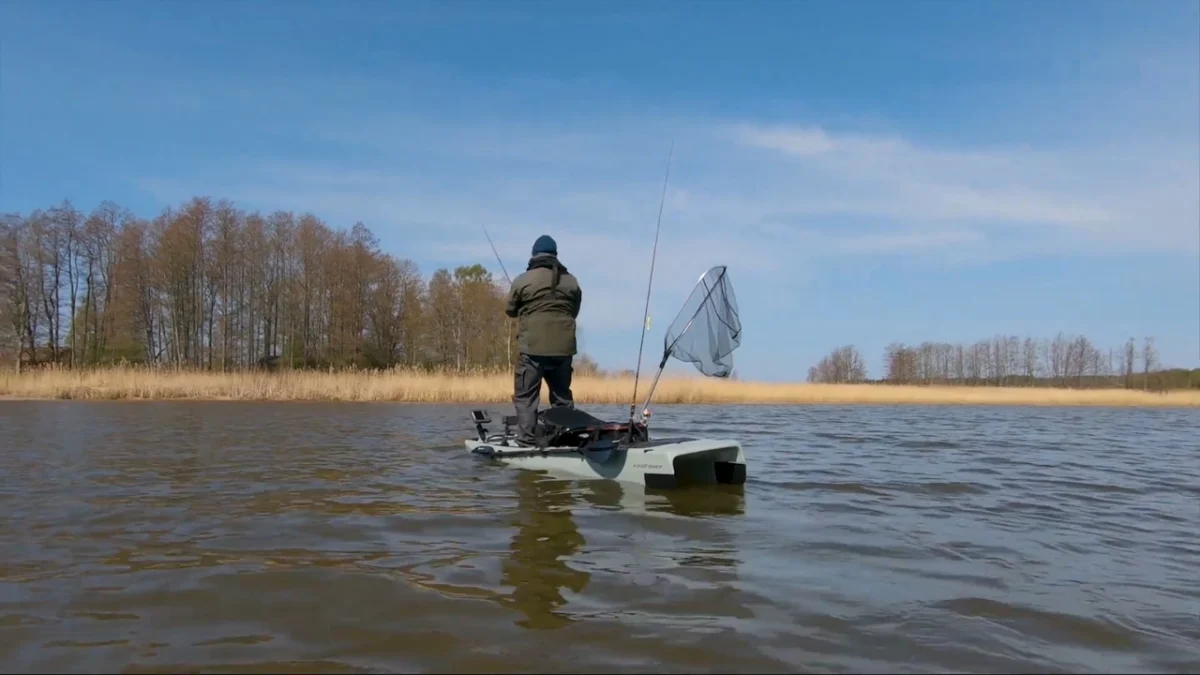
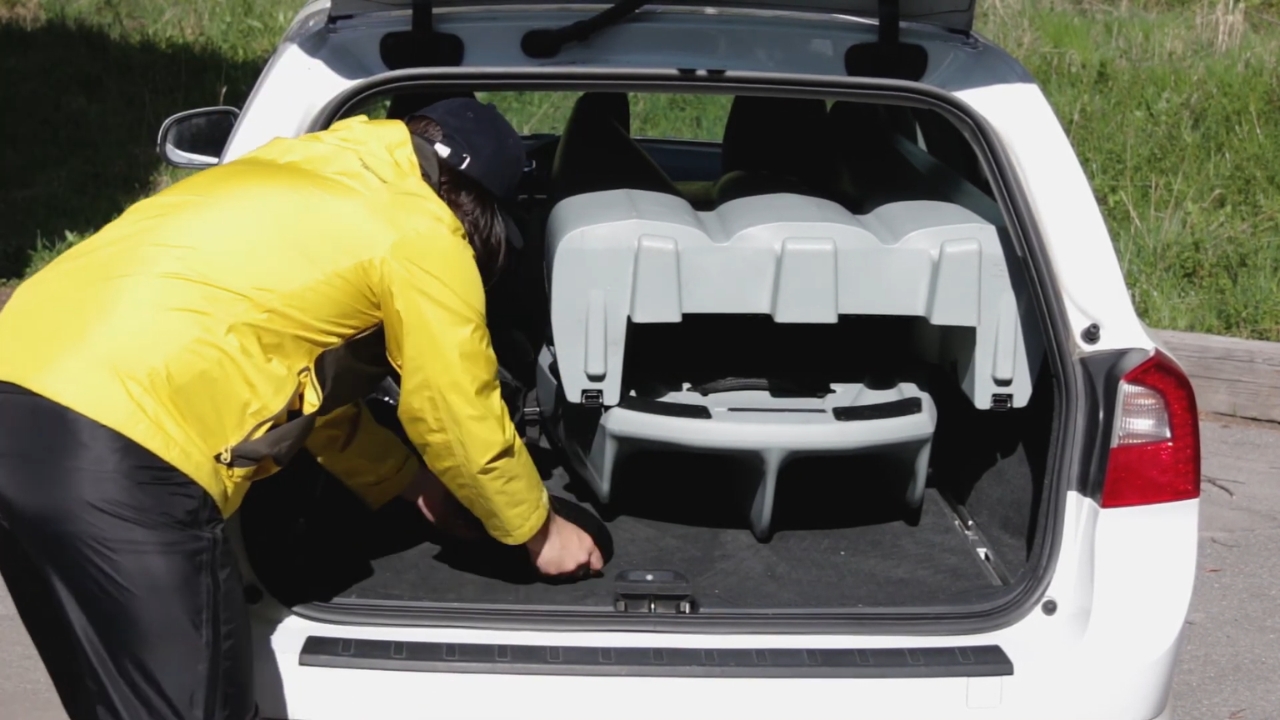
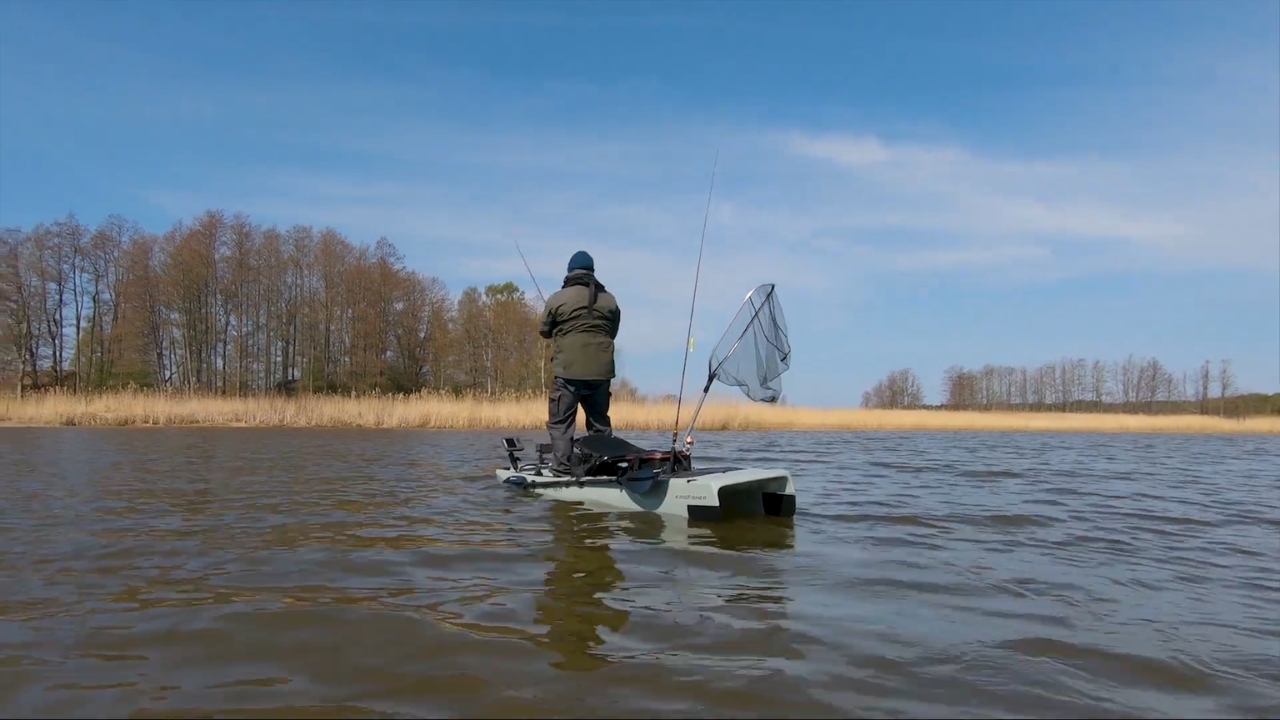
The Point 65 Sweden Kingfisher stands as an anomaly in the industry due to its innovative modular architecture. By breaking the hull into distinct sections, the Kingfisher eliminates the struggle of roof-racking a 12-foot plastic behemoth.
Key Specs:
- Length: 11 feet
- Width: 31 inches
- Weight: ~70 lbs
- Capacity: 287 lbs
The Kingfisher utilizes a trimaran-style hull, providing an exceptionally stable platform for casting without the "barge-like" feel of wider, flatter boats. While its weight capacity is more conservative than dedicated tournament rigs, it remains the premier choice for solo anglers who lack a truck or garage space.
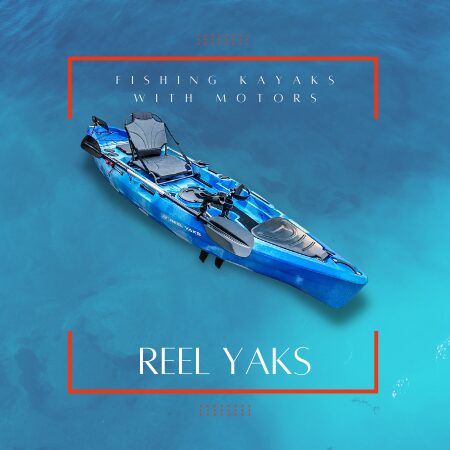
2. Reel Yaks: Compact Precision
Reel Yaks caters to the angler who prioritizes convenience. Like the Kingfisher, this brand leans into modular design, but focuses heavily on the "hands-free" fishing experience. The W-shaped hull is the standout feature, providing secondary stability that is crucial when reaching for tackle or standing up in calm water. The inclusion of a high-back, breathable frame seat ensures that those long sessions on the water do not result in physical fatigue, a common complaint with inferior seating setups.

3. Wilderness Systems ATAK 120: The Professional Grade
The ATAK (Advanced Tactical Angling Kayak) 120 is arguably the gold standard for serious, gear-heavy anglers. At 86 pounds and 35 inches wide, this is a substantial piece of equipment. However, the trade-off in portability is rewarded with unparalleled stability and storage.
The Flex Pod system allows for seamless integration of transducers and motors. For those who view their kayak as an office on the water—complete with fish finders, GPS, and heavy lithium power banks—the ATAK 120 provides the necessary deck space to keep wires and gear organized.
Strategic Considerations for the Motorized Angler
Integrating a motor is a significant technical undertaking. Before making a purchase, one must consider the "hidden" variables of motorized angling.
The Dynamics of Battery Management
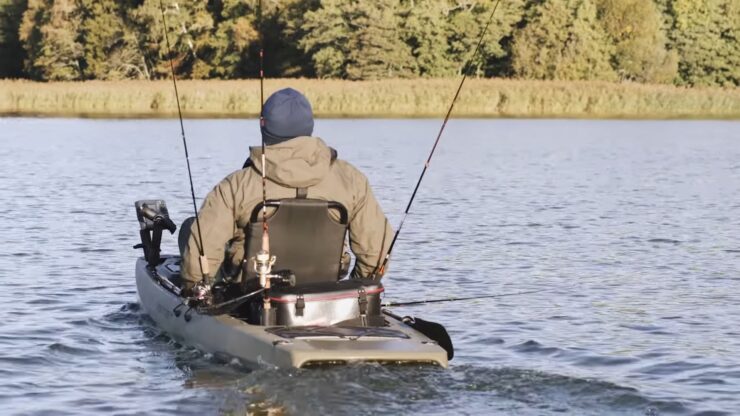
The battery is the heart of your motorized system. Choosing between lead-acid and lithium-ion (LiFePO4) is a critical decision. While lead-acid batteries are cheaper upfront, their weight can significantly alter the trim of your kayak, making it bow-heavy or unstable. Lithium batteries, while more expensive, offer a superior weight-to-power ratio and a longer discharge life, which is essential for all-day fishing trips.
The Physics of Stability
There are two types of stability: Primary (how it feels on flat, calm water) and Secondary (how it feels when the boat is on edge). Motorized kayaks must excel in both. Because a motor exerts force from a fixed point, it can introduce lateral instability if the hull is not properly designed. Always ensure your chosen kayak has a wide enough beam to counteract the torque of the motor, especially when maneuvering in tight quarters or navigating choppy bays.
Legal and Regulatory Implications
In many jurisdictions, the moment you attach a motor—even a small electric trolling motor—to your kayak, your legal status changes. You may be required to register your vessel, display registration numbers, and carry specific safety gear (such as navigation lights or a whistle). Always check local regulations before launching.
Supporting Data: Efficiency vs. Weight
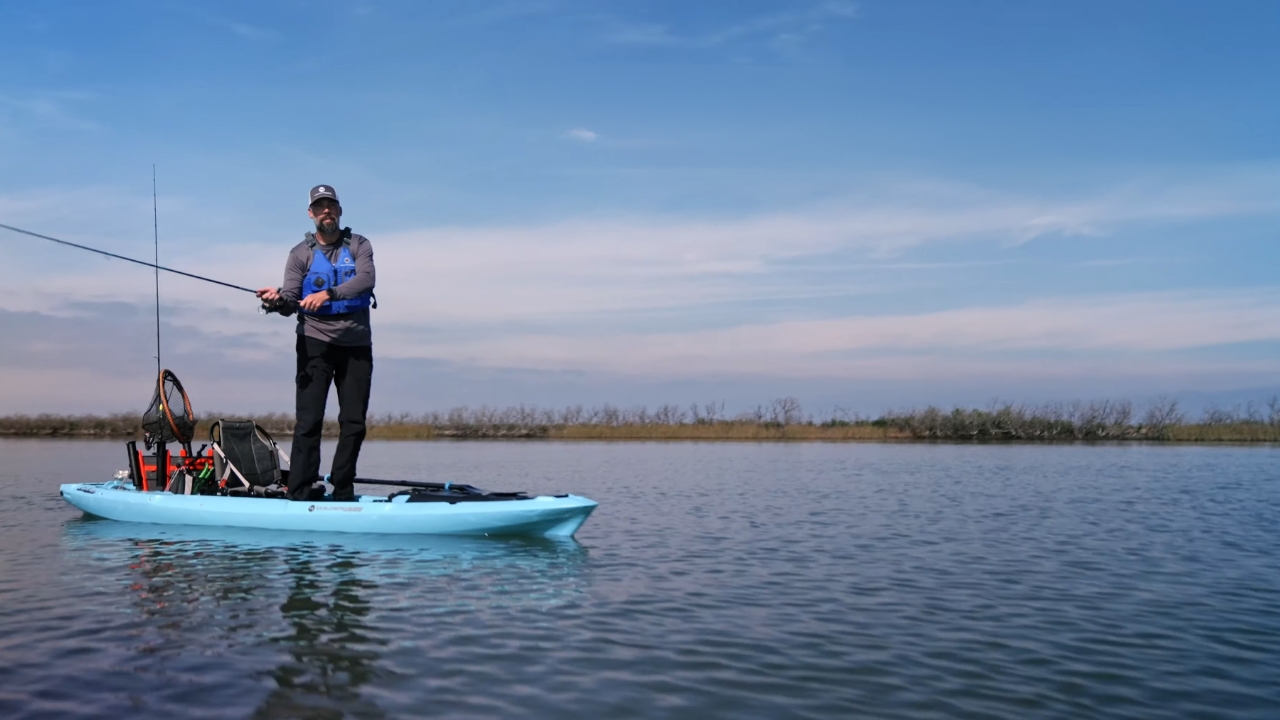
When testing these setups, industry benchmarks show a direct correlation between total load and range. A kayak weighing 80 pounds with an additional 250 pounds of angler and gear requires significantly more amp-hours to maintain a 3 mph cruise speed than a lighter, more streamlined hull.
- Average Cruising Speed: 2–4 mph.
- Typical Battery Requirement: 50–100 Amp-hours for a full day of fishing.
- Hull Impact: Wider hulls (35"+) provide more stability but increase drag, reducing motor efficiency by approximately 15–20% compared to narrower, performance-oriented hulls.
The Chronology of a Setup
The successful deployment of a motorized kayak typically follows a specific, logical sequence:
- Hull Selection: Assessing the primary environment (salt vs. fresh, current vs. lake).
- Mounting: Installing the transducer and motor bracket, ensuring proper alignment with the rudder system.
- Wiring: Routing cables through existing channels to keep the deck clean.
- Balance Test: Testing the loaded vessel in shallow, controlled water to determine if battery placement needs shifting to level the boat.
- Sea Trial: A short test run to calibrate steering sensitivity and check for leaks at any new mounting points.
Official Responses and Industry Trends
Leading manufacturers, including Wilderness Systems and Point 65, have responded to consumer demand by designing "system-agnostic" pods. These modular inserts allow the angler to swap out a storage bin for a sonar unit or a motor bracket. This shift signals a broader industry trend: the move toward modularity, where the vessel is no longer a static product, but a base that evolves with the angler’s skill level.
Implications for the Future of Kayak Fishing
The integration of electric power is effectively blurring the line between a kayak and a micro-skiff. As battery technology continues to improve, we can expect to see smaller, more powerful motors that require less deck space. However, this raises a caution: with increased power comes increased responsibility. Anglers must remain mindful of their impact on the water and the inherent risks of carrying heavy electrical components into a marine environment.
Conclusion: Making the Right Choice
The decision to motorize your kayak should be guided by your specific needs. If you are an urban angler with limited space, the modular designs of the Point 65 Kingfisher or Reel Yaks are superior, offering a path to motorized fishing that fits your lifestyle. If you are a tournament angler or someone who spends entire weekends on the water, the Wilderness Systems ATAK 120 remains the most robust, expandable, and stable platform available.
Ultimately, a motor should be a catalyst for a better day on the water, not a maintenance burden. Prioritize stability, ease of transport, and logical battery placement, and you will find that the motorized kayak is not just a trend, but a fundamental improvement to the angling experience. Test your rig in the shallows, respect the weight limits, and remember: the best setup is the one that gets you back to the dock as easily as it got you out to the bite.