By Samuli Haapasalo
Published: October 6, 2026
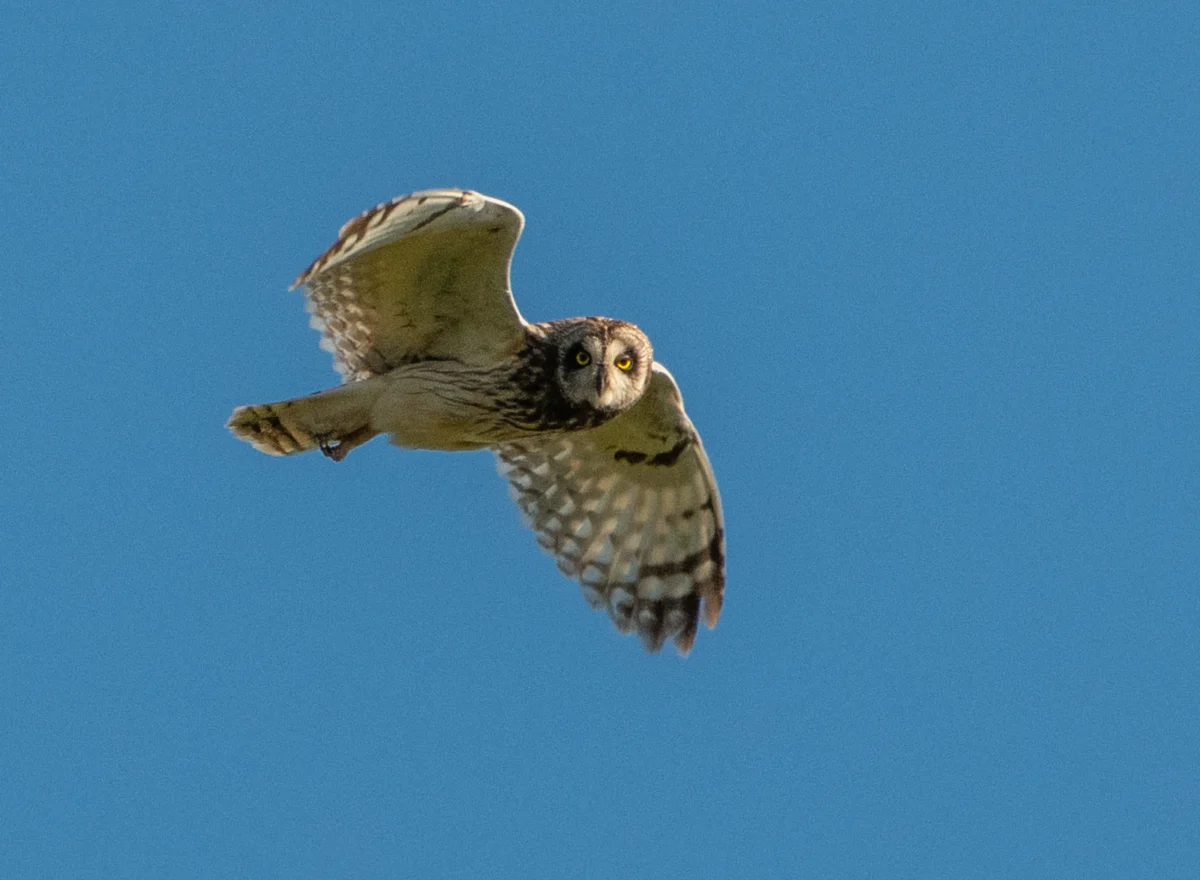
In the vast, open landscapes of the Nordic regions, where the horizon meets the tundra in a seamless blend of earth and sky, there exists a creature of singular grace: the short-eared owl (Asio flammeus). Known for its silent, rhythmic flight and an almost hypnotic, amber-eyed gaze, this medium-sized predator is a master of the open field. As summer transitions into autumn, observers in places like the Varanger Fjord find themselves privileged witnesses to the movements of this elusive bird.
Main Facts: The Nature of the Short-eared Owl
The short-eared owl is a study in contrasts. While many owl species are strictly nocturnal and shrouded in mystery, the short-eared owl is remarkably diurnal, often hunting during the bright hours of the day. Its physical appearance—marked by a round, expressive face and eyes that seem to hold a depth of wisdom—often draws the label of "sympathetic" or charismatic from birdwatchers and ornithologists alike.
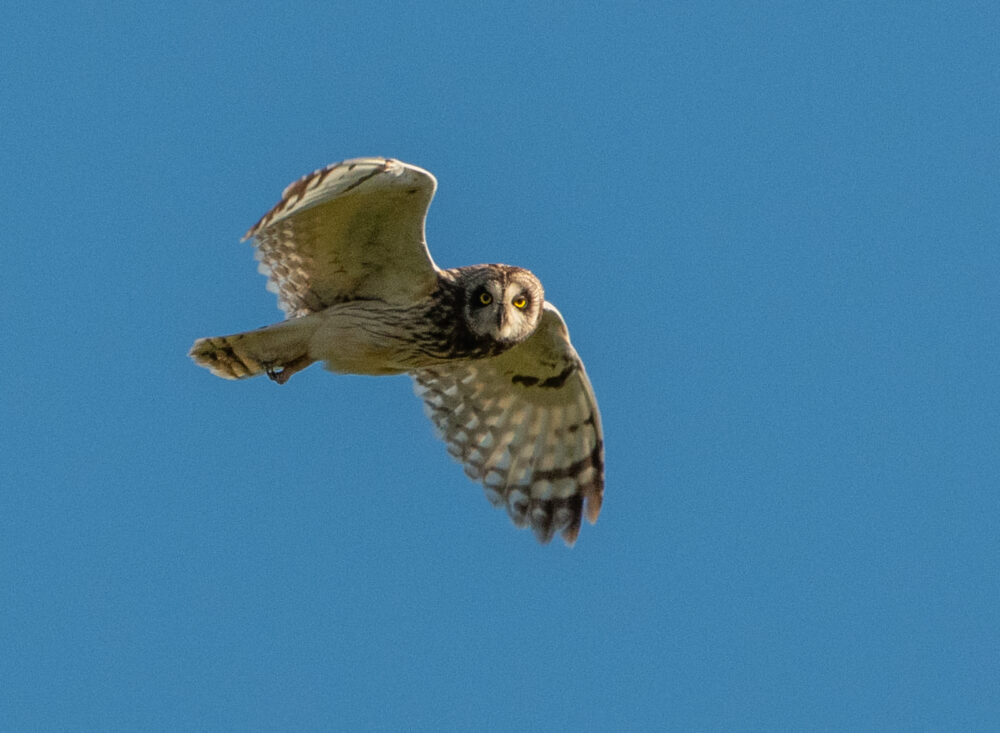
Physically, the owl is built for efficiency in open terrain. Its wings are long and slender, allowing for a buoyant, moth-like flight pattern that is distinctive once learned. Unlike the powerful, direct flight of larger raptors, the short-eared owl drifts over marshes, coastal meadows, and grasslands, listening for the faint rustle of its primary prey: the vole.
Key Characteristics:
- Behavior: Primarily diurnal and crepuscular, though it will hunt in daylight when prey is abundant.
- Habitat: Prefers open spaces—tundra, peatlands, coastal meadows, and salt marshes.
- Vocalization: Generally silent, but becomes vocal when threatened, often producing a barking or whining sound.
- Status: Highly migratory and nomadic, with population numbers fluctuating wildly based on the cyclic abundance of small rodents.
Chronology: A Season of Observation at Varanger Fjord
The 2026 season provided a unique window into the life of these birds. Between late July and early August, the conditions at Varanger Fjord—a critical habitat in Northern Norway—seemed particularly conducive to owl activity.
Late July 2026: Field observations recorded an increased presence of short-eared owls in the coastal meadows of Ekkerøy. The timing coincided with a peak in vole populations in the northern regions, a critical factor for the nesting success of the species.
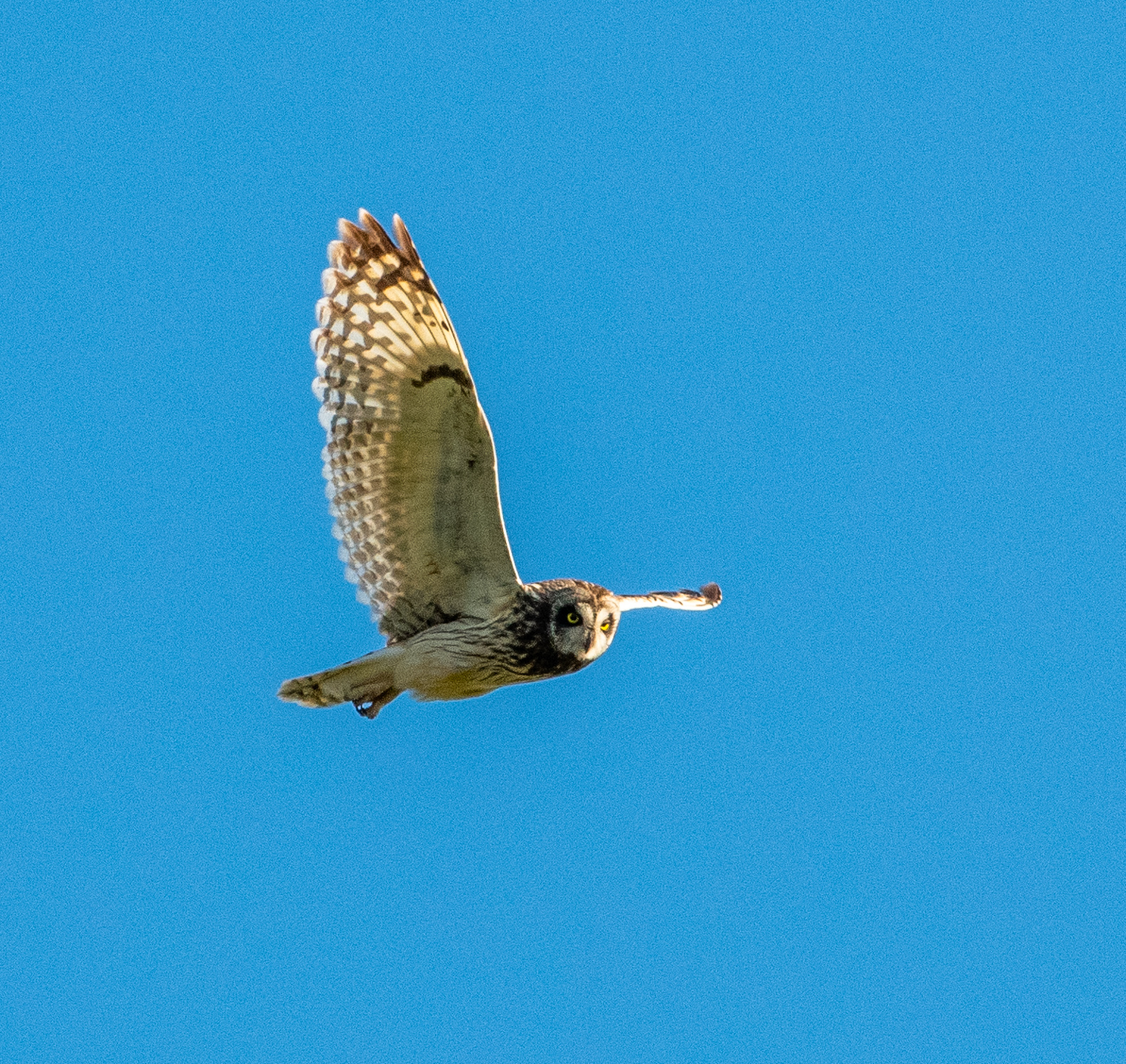
Early August 2026: During a routine hike along the meadow paths, the author encountered a nesting pair. The behavior of the adult owl—flying overhead in the afternoon light and sounding persistent alarm calls—strongly suggested the presence of a nearby brood. In a display of ethical birding, the decision was made to vacate the area, allowing the parent to return to its protective duties without further human interference.
September 2026: Reports from across the northern coastal regions began to corroborate the observations made in the summer. Data suggests that 2026 was a "vole year," where the high density of rodents allowed for a robust reproductive season for several raptor species, including the short-eared owl.
Supporting Data: The Vole-Owl Connection
The life cycle of the short-eared owl is inextricably linked to the population dynamics of voles. In ecology, this is known as a predator-prey cyclic relationship. When the vole population crashes, the owls move on; when the population booms, the owls congregate and breed rapidly.
In Finland and Northern Norway, the core of the short-eared owl’s population is concentrated in the coastal reaches of Ostrobothnia and the northernmost territories. However, these populations are rarely static. Data from recent years indicates that the "center of gravity" for these birds shifts significantly based on the availability of food.
One striking example of the owl’s adaptability occurred at Kyyvesi in Haukivuori. Observations there revealed an owl flying a repetitive, purposeful route across a lake to a small, protected island. By monitoring the site, it became clear that the bird was using the island’s dense reed beds as a sanctuary for its young. This behavior—choosing an island to avoid terrestrial predators—highlights the species’ strategic approach to nesting in environments where they are vulnerable to foxes, stoats, and other ground-dwelling mammals.
Official Responses and Conservation Status
While the short-eared owl is not currently classified as critically endangered, its status is "vulnerable" or "near-threatened" in many parts of its range due to habitat loss and the fragmentation of open landscapes.
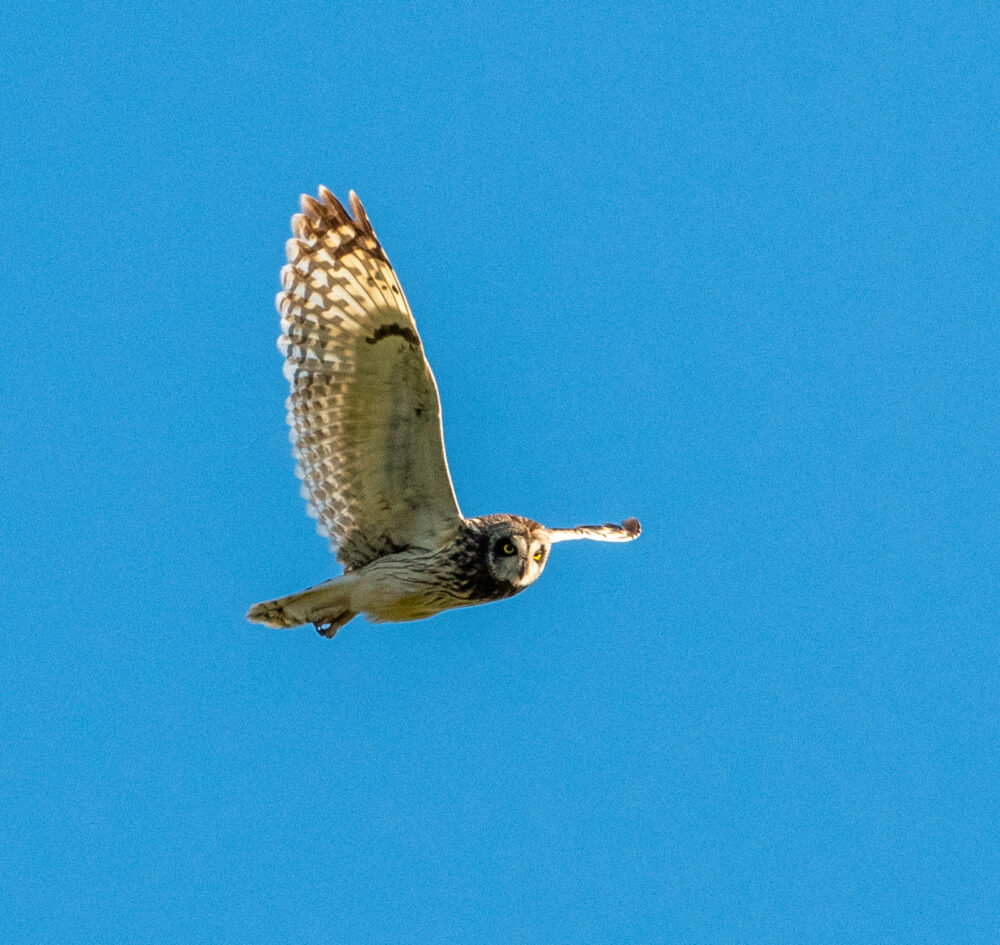
Conservationists note that the drainage of wetlands and the intensification of agriculture have significantly reduced the nesting grounds for these birds. Because they rely on undisturbed, open grasslands, even minor changes to land use can have a disproportionate effect on their local breeding success.
In Estonia, for instance, the short-eared owl is considered a very rare breeding bird, highlighting the species’ struggle in areas where traditional meadow management has declined. The official stance among wildlife biologists is that protecting large, contiguous tracts of open habitat—such as the coastal meadows of Varanger or the marshes of the Finnish interior—is the most effective way to ensure the species’ survival.
Implications: Why the Short-eared Owl Matters
The presence of the short-eared owl is a biological indicator of a healthy ecosystem. Because they are at the top of the food chain in their specific niche, their numbers reflect the overall biodiversity of the meadow and tundra environments.
1. Ecosystem Stability
The short-eared owl serves as a natural regulator of rodent populations. In years where vole numbers reach plague levels, the presence of these owls provides a necessary check, preventing the over-consumption of vegetation and the potential spread of rodent-borne diseases.
2. The Need for "Quiet" Habitats
The observation of the nesting pair at Ekkerøy serves as a reminder of the importance of human restraint. As ecotourism grows in popularity, the pressure on sensitive breeding grounds increases. The ability to watch a bird in its natural state, while respecting its need for silence and distance, is a skill that every nature enthusiast must cultivate.
3. Climate and Habitat Shifts
As temperatures rise in the Arctic, the distribution of vegetation is changing. For the short-eared owl, this means that traditional hunting grounds may be encroached upon by shrubbery and forest, which the owl cannot navigate. Understanding these shifts is vital for future conservation planning.
Conclusion
The short-eared owl is more than just a beautiful bird; it is a ghost of the tundra, a silent sentinel that reminds us of the delicate balance of life in the north. Whether drifting through the midnight sun of the Varanger Fjord or hunting over the quiet lakes of the Finnish interior, the owl asks little of us other than to remain undisturbed.
As we look toward the future of our northern ecosystems, the health of the short-eared owl population will serve as a bellwether for our success in preserving these vast, open spaces. By supporting the protection of our wetlands and respecting the boundaries of wild habitats, we ensure that the "silent flier" will continue to grace our skies for generations to come.
For those interested in supporting the ongoing research and preservation of these habitats, consider subscribing to publications like Suomen Luonto, which provide the essential, science-backed journalism needed to advocate for our natural world.