By Marjaana Toivonen | September 1, 2026
In the quiet, cool darkness of a Finnish summer night, a silent drama unfolds across our fields. While bees and bumblebees dominate the public consciousness as the primary architects of our food security, a growing body of international research suggests that nocturnal pollinators—moths, beetles, and other night-active insects—play a far more significant role in crop yields than previously acknowledged.
However, in Finland, the extent of this "night shift" remains largely shrouded in mystery. Over the past eighteen months, I have led a research initiative to uncover whether our own crops rely on these nocturnal visitors and, if so, which species are performing this vital labor. What began as a straightforward inquiry has evolved into a lesson in scientific humility, revealing that nature often keeps its secrets hidden from even the most diligent observers.
The Hypothesis: Unveiling the Night Shift
The motivation for this study was simple: international studies have consistently highlighted that night-active pollinators contribute substantially to the pollination of various fruits and vegetables. If this holds true for global agriculture, what does the picture look like in the unique, light-filled, yet short-season climate of Finland?
My initial hypothesis was optimistic. I expected to find a bustling community of nocturnal insects on Finnish farmland, actively working under the cover of darkness. My primary research questions were clear: Which nocturnal species are present in our fields? What factors influence their population density? And, perhaps most importantly, how significant is their contribution to the final harvest of our crops? I anticipated that locating and observing these pollinators would be a relatively smooth process.
Chronology of an Investigation
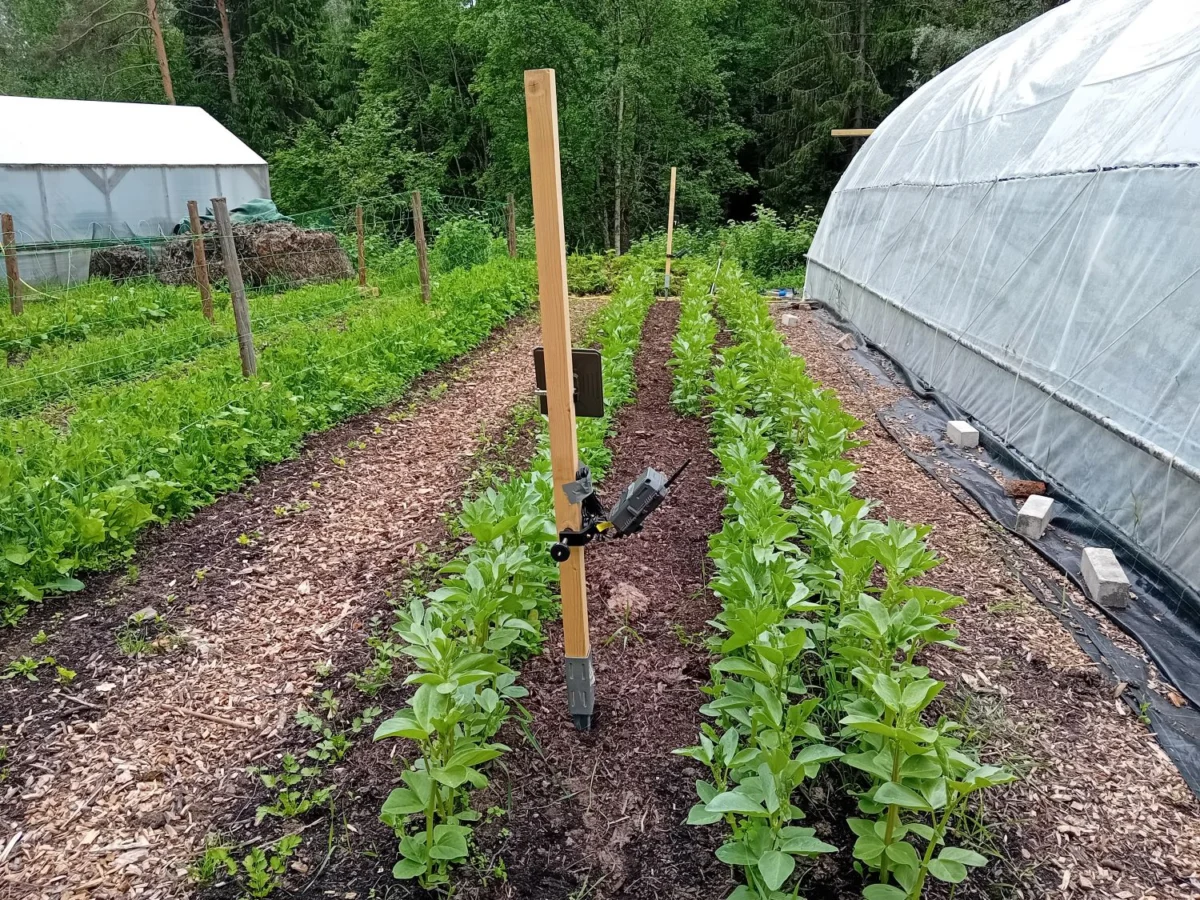
The methodology for this study was designed to minimize human interference. Rather than conducting exhausting night-long field observations, which would likely alter the natural behavior of the insects, my research partner, Paula Humberg, and I opted for technology-assisted monitoring.
Phase One: The Pilot Study (May–June 2025)
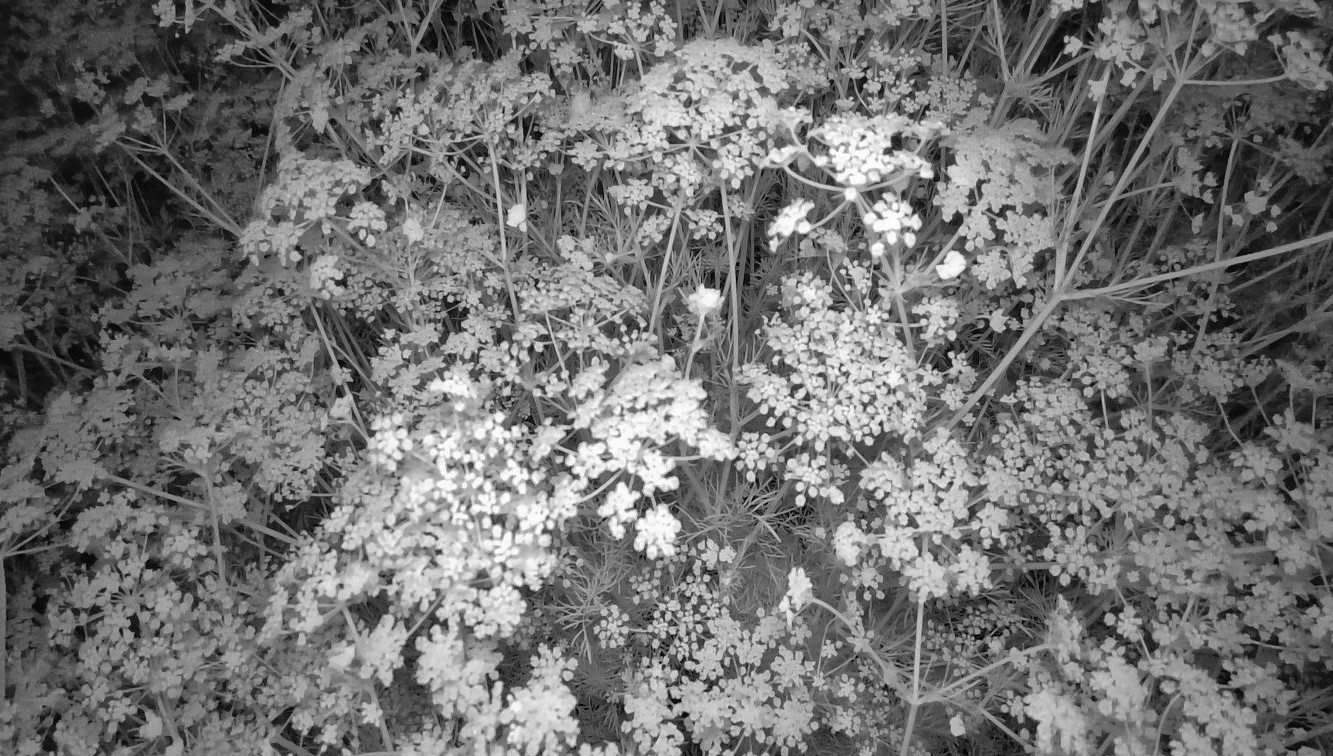
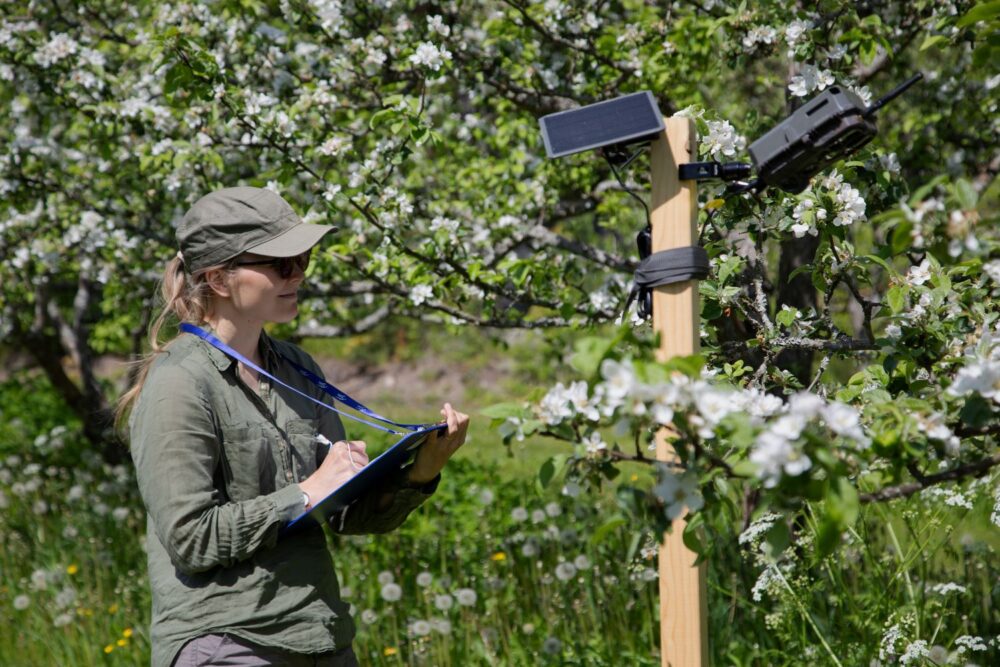
In the spring of last year, we deployed five trail cameras around apple orchards and caraway fields. The goal was to test the efficacy of camera-based monitoring before launching a larger, more comprehensive data collection effort. The cameras were set to capture images of flowers at 10-second intervals throughout the entire flowering period, providing a 24-hour cycle of observation.
The results of the pilot study were paradoxical. On one hand, the methodology proved highly effective for apple trees; the images were crisp and allowed for precise identification of visitors. On the other hand, the primary subjects—the nocturnal pollinators—were largely absent.
The data was striking: the only moth captured on camera during the entire study period visited an apple flower at 6:30 AM—barely qualifying as "nocturnal." Aside from a few lacewings wandering through the blossoms, the night-time activity remained remarkably sparse.
Phase Two: Refining the Scope (Summer 2026)
Following the results of the pilot, we took a step back to re-evaluate. The lack of nocturnal activity was a significant finding in itself, but it raised new questions. Was the lack of pollinators due to the specific crops chosen, or is the nocturnal pollination network in Finland simply less diverse than in warmer climates?
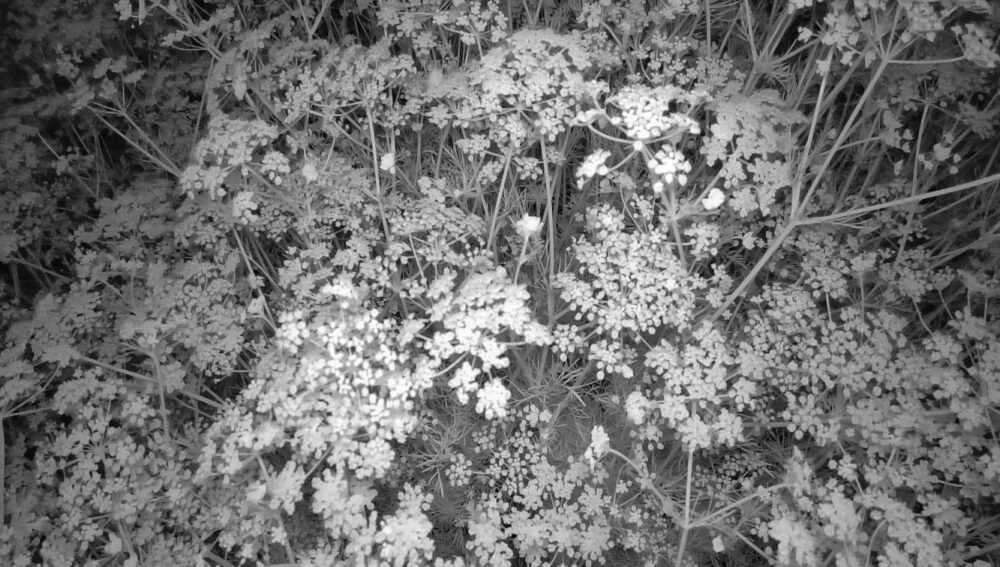
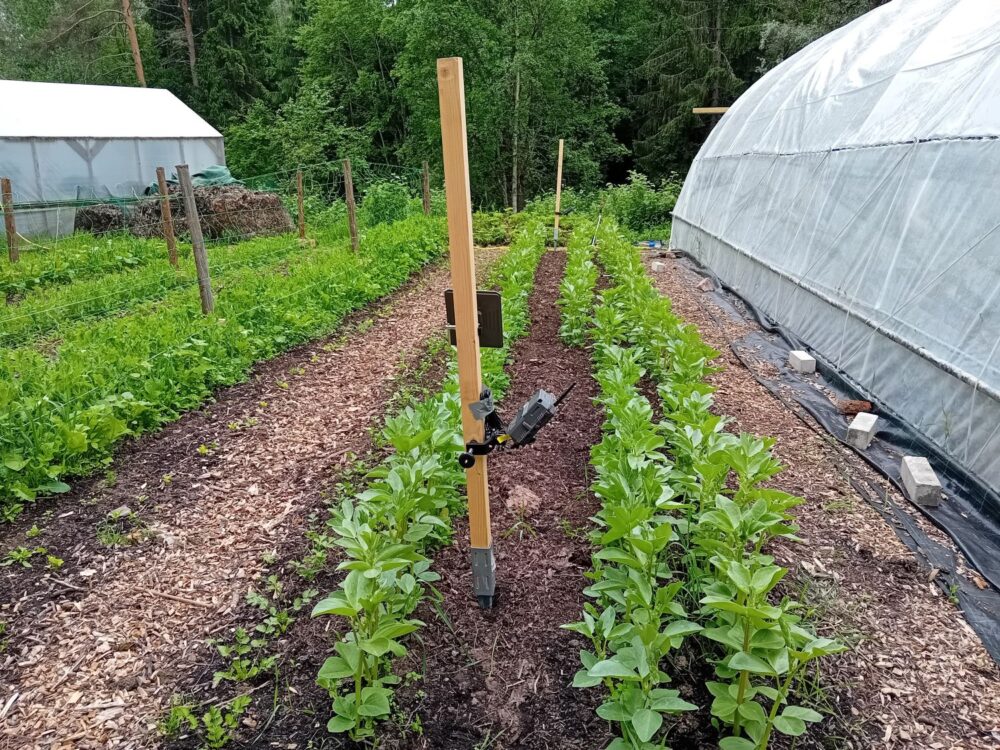
This past summer, we expanded our scope significantly. We monitored the flowering of ten different agricultural crops, focusing specifically on small-scale, diverse farms where we expected to find the highest levels of insect biodiversity. By diversifying our target crops, we aimed to determine if there are specific plants that act as "magnets" for night-time insects, which would then allow us to focus our future research more effectively.
Supporting Data: Technology vs. Tradition
One of the most valuable outcomes of this study has not been the answer to the nocturnal question, but the validation of our methodology. Our research has provided a fascinating comparison between traditional, human-led observations and long-term camera monitoring.
The Camera Advantage
Traditional flower-visit counting—where a researcher observes a patch of flowers for a limited time during the day—is prone to bias. Our data shows that cameras captured a significantly more diverse community of pollinators than the brief, manual sessions.
The images revealed that:
- Temporal Differentiation: The pollinators active in the early morning and late evening are often entirely different from those seen during the peak of the day.
- Detection of "Quiet" Pollinators: Small, unobtrusive insects that are easily missed by the human eye were clearly identifiable in the high-resolution camera images.
This shift in methodology suggests that our previous understanding of pollinator communities may have been skewed toward the large, loud, and obvious insects, while the quiet, steady workers were largely ignored.
Scientific Implications: Is the Night Essential?
As I await the final analysis of the summer 2026 data, the broader implications for Finnish agriculture are beginning to take shape. If our final results continue to show a lack of nocturnal activity, we must face the possibility that the role of night-active pollinators in Finnish food production is significantly smaller than in other parts of the world.
However, this is not a "failed" result. In science, proving the absence of a phenomenon is just as crucial as proving its presence. If we find that our food crops do not rely on night-time pollination, it allows farmers and policymakers to focus their conservation efforts on the daytime pollinators—the bees, hoverflies, and butterflies that we already know are essential to our food security.
Conversely, if we do identify a core group of nocturnal species, it will necessitate a fundamental shift in how we manage our farmland. Protecting nocturnal pollinators requires different strategies—such as reducing light pollution near fields and managing hedgerows that provide habitat for night-active insects.
Official Perspective and Future Directions
The research is ongoing. The current focus is on analyzing the thousands of images collected over the summer. We are working to categorize every visitor, from the common honeybee to the elusive moth.
The decision to focus on diverse, small-scale farms was strategic. These sites act as "biodiversity hotspots," providing the best possible chance to observe a full range of pollinators. If these sites do not show significant night-time activity, it is unlikely that larger, more intensive agricultural landscapes will.
What Comes Next?
The next stage of our work involves correlating the camera data with crop yield statistics. By comparing fields with higher documented pollinator activity against those with lower activity, we hope to establish a clearer link between insect behavior and agricultural output.
Furthermore, we are looking into the impact of climate shifts. As Finnish summers grow warmer, it is possible that the window for nocturnal activity is expanding. We are preparing to share our findings with the broader scientific community, including a forthcoming publication that details the nuances of our camera-based monitoring techniques.
Conclusion: The Beauty of the Unexpected
Research, by its very nature, is unpredictable. When I began this project, I was driven by a specific, narrow question: "Who pollinates our crops at night?" I was prepared to document a busy, unseen world. Instead, I have been met with silence, which in itself has become a loud, scientific statement.
Whether the night remains empty or reveals hidden treasures in the final analysis, the pursuit has been invaluable. It has forced us to refine our methods, question our assumptions, and look at our fields with a more critical, technological eye.
Science rarely moves in a straight line. It is a process of testing, failing, adjusting, and learning. As I look toward the next season, my curiosity remains undiminished. The night may be quiet, but the research is far from over. There is almost always something interesting to find, even when the original plan goes in a completely different direction. For now, the fields remain, the cameras are set, and the quiet, mysterious world of the Finnish night waits to be understood.